What are the main causes of balance problems in older adults?
Balance problems in older adults stem from a complex mix of age-related physical changes, inner ear dysfunction, medication side effects, and sedentary lifestyle habits. Understanding these root causes of balance issues in seniors empowers you to take targeted action to improve stability and dramatically reduce fall risk.
TL;DR – What You Need to Know About Balance Problems in Older Adults
- Age-related changes in muscles, joints, and vision significantly impact balance stability.
- Inner ear problems in the elderly disrupt coordination and equilibrium control.
- Medications and sedentary habits are hidden contributors to dangerous falls.
- Targeted balance exercises for seniors rebuild strength and restore confidence.
- Smart home modifications and safety planning prevent most slip-and-fall accidents.
1. Common Causes of Balance Issues in Older Adults
1.1 Age-Related Changes in the Body
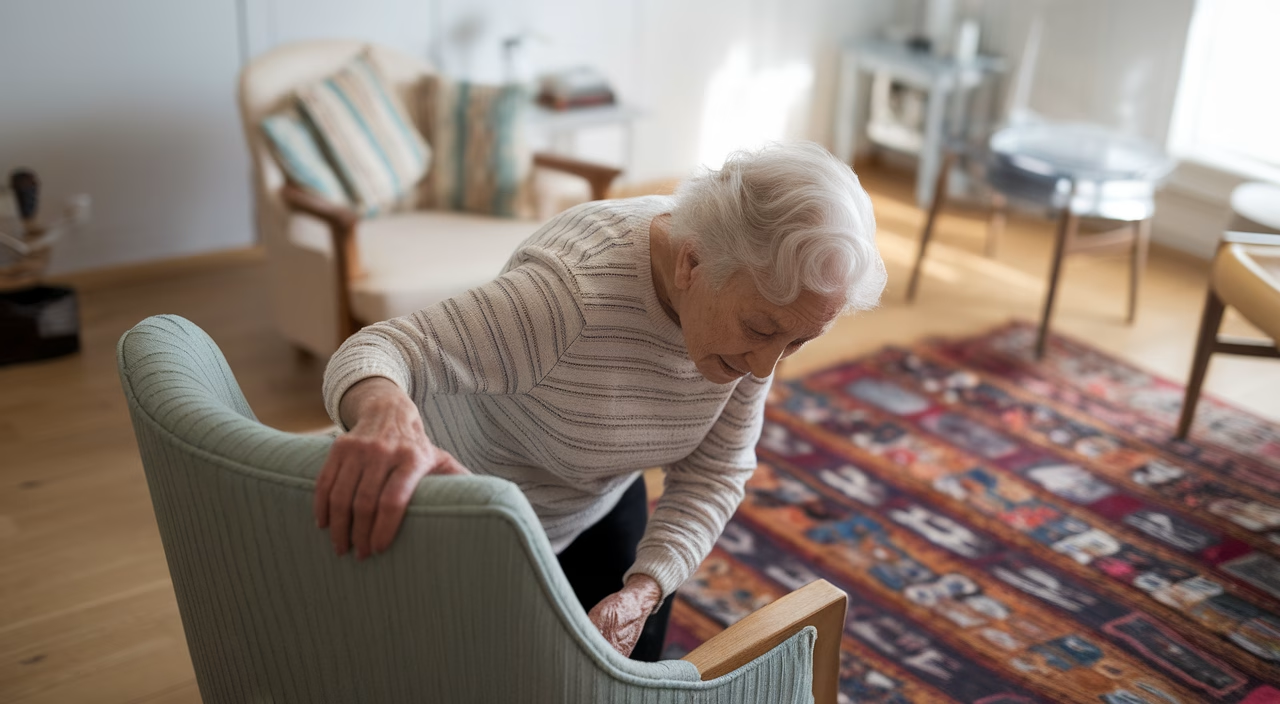
As we age, our bodies undergo natural changes that directly impact how to improve balance in old age. The most significant shift? Muscle mass and strength gradually decline after 50—a condition called sarcopenia—which weakens the foundation of steady movement.
Your bones become more brittle while joints grow stiffer, reducing range of motion and movement fluidity. Vision changes make it harder to judge distances, spot potential hazards, or navigate safely in low light conditions.
Perhaps most importantly, aging dulls proprioception—your body’s internal GPS system that senses position in space. When this subtle awareness weakens, you’re more likely to stumble or feel unsteady, even when standing perfectly still.
1.2 Inner Ear Problems
Many balance problems in older adults aren’t just physical—they’re neurological. Your inner ear houses the vestibular system, which acts as your body’s natural balance control center. When inner ear problems in the elderly occur—through infections, age-related wear, or conditions like benign paroxysmal positional vertigo (BPPV)—the results include dizziness, vertigo, and dangerous instability.
Think of it like walking through a funhouse with tilted floors and warped mirrors—that’s how disorienting vestibular dysfunction feels. If you frequently experience dizziness or sudden spinning sensations, it’s time to consult a healthcare professional about potential inner ear issues.
2. Lifestyle Factors and Balance Concerns
2.1 Sedentary Lifestyle Effects
Here’s a harsh reality about aging: the less you move, the harder movement becomes. A sedentary lifestyle directly weakens core strength, joint flexibility, and coordination—three pillars essential for maintaining balance in older adults.
The “use it or lose it” principle applies perfectly to balance. Without regular movement and intentional balance exercises for seniors, the complex systems keeping you upright begin to atrophy, making simple tasks like stepping off curbs or reaching overhead surprisingly risky.
2.2 Medication Side Effects
Your medicine cabinet might harbor hidden balance disruptors. Many medications commonly prescribed to seniors—including blood pressure drugs, antidepressants, antihistamines, and sedatives—list dizziness or drowsiness as side effects. Others can cause orthostatic hypotension, making you light-headed when standing up quickly.
Polypharmacy (taking multiple medications) amplifies these balance risks exponentially. Regular medication reviews with your doctor or pharmacist are crucial—sometimes a simple dosage adjustment can dramatically improve your daily stability and confidence.
3. Tips for Improving Balance and Stability
3.1 Exercise Routines for Better Balance
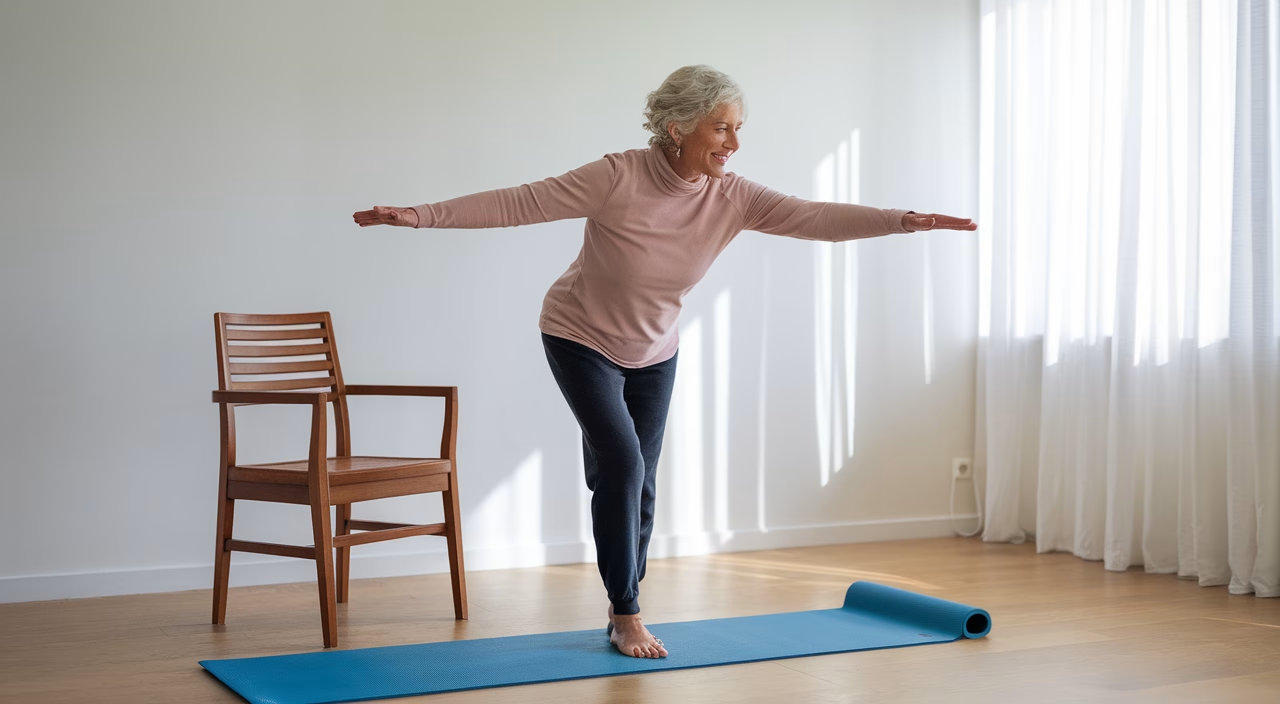
You don’t need intense workouts to master how to improve balance in old age. The most effective balance exercises for seniors are gentle, low-impact, and easily performed at home with minimal equipment.
Proven balance exercises for seniors:
- Heel-to-toe walking: Walk in a straight line, placing one foot directly in front of the other to strengthen core stability.
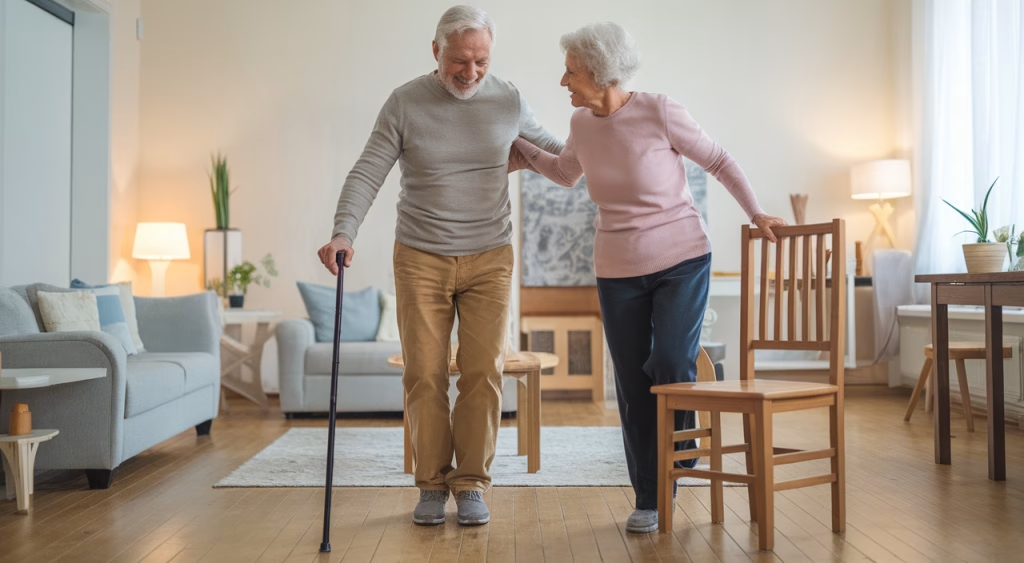
- Single-leg stands: Balance on one foot while holding a sturdy chair for support; gradually increase duration.
- Marching in place: Develops rhythm, muscle memory, and coordination simultaneously.
- Tai Chi or senior yoga: These controlled practices strengthen both physical balance and mental focus.
Consider working with a physical therapist who specializes in balance training for older adults. They can create a personalized program targeting your specific balance challenges while safely monitoring your progress.
3.2 Home Modifications for Safety
Most falls happen not from weakness, but from preventable environmental hazards. The encouraging news? Simple home modifications can dramatically reduce fall risk while supporting better balance throughout your daily routine.
| Modification | Purpose |
|---|---|
| Install grab bars in bathrooms | Provides support around slippery areas like showers or toilets |
| Use non-slip mats | Reduces risk on tile or hardwood surfaces |
| Improve lighting | Increases visibility to spot hazards, especially at night |
| Remove loose rugs or cords | Prevents tripping over movable obstacles |
| Organize frequently used items | Reduces need for reaching or climbing |
Cost Guide: Tools & Services to Help Improve Balance
| Item or Service | Low-End | Mid-Range | High-End |
|---|---|---|---|
| Balance training classes | $10/session | $30/session | $80/session (private) |
| Home grab bar installation | $50 | $150 | $300+ |
| In-home physical therapy | $75/hr | $120/hr | $200/hr |
| Yoga or Tai Chi DVDs | $10 | $25 | $50 (instructional set) |
Final Thoughts: Regaining Balance is Possible
Balance problems in older adults may be common, but they’re definitely not inevitable. Your first step is understanding the root causes—from age-related physical changes to inner ear problems in the elderly to medication effects. From there, the right combination of targeted movement, environmental awareness, and home safety updates can create remarkable improvements.
If you’ve been feeling unsteady lately, trust your instincts. Pay attention to early warning signs, take action promptly, and know that professional help is available through qualified geriatricians and physical therapists. Remember: consistency with balance exercises for seniors is key—and even small daily efforts can restore your sense of stability and confidence.
Frequently Asked Questions
- At what age does balance start to decline?
Most people begin to notice mild balance changes in their 50s or 60s, but significant declines often occur in the 70s due to muscle loss and sensory changes. - Which medical conditions can cause balance problems?
Vertigo, Parkinson’s disease, stroke, vision impairment, and diabetic neuropathy are common conditions that may affect balance in seniors. - How can seniors prevent falls at home?
Remove tripping hazards like cords and rugs, install grab bars in slippery areas, improve lighting, and stay physically active through balance training. - Are there medications that help with balance?
While no drugs directly improve balance, managing underlying conditions (like vertigo or blood pressure disorders) through medication may reduce dizziness. - Can physical therapy really help?
Absolutely. A physical therapist can create a customized balance plan using strength exercises, gait training, and vestibular rehab techniques. - What foods support better balance or coordination?
Foods rich in vitamin D, calcium, and omega-3s support bone and nerve health. Hydration is also key in preventing dizziness from dehydration or blood pressure dips.