What are the best natural foods to reduce high blood pressure?
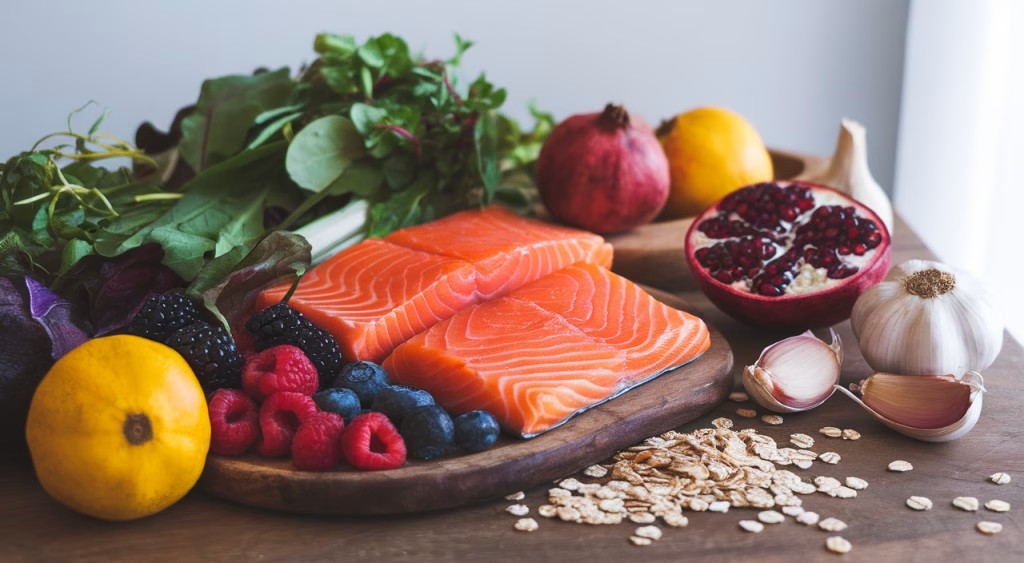
Some of the best natural foods to reduce high blood pressure include berries, bananas, salmon, oats, garlic, olive oil, and green tea. These foods that lower blood pressure support heart health by reducing inflammation, dilating blood vessels, and regulating blood pressure through vital nutrients like potassium, fiber, omega-3s, flavonoids, and antioxidants.
Mouth Breathing Complications & Treatment: Fix Sleep Issues & Health Problems
TL;DR:
- Berries: Packed with antioxidants to reduce oxidative stress and support blood vessel health.
- Bananas: High in potassium, they balance sodium and help regulate fluid levels in the body.
- Salmon: Rich in omega-3 fatty acids that reduce inflammation and lower blood pressure.
- Oats: Contain beta-glucan fiber that lowers cholesterol and supports stable blood pressure levels.
- Garlic: Natural compound allicin helps dilate arteries and improve circulation.
- Olive Oil: Loaded with monounsaturated fats and antioxidants that decrease LDL cholesterol and support vessel flexibility.
- Green Tea: Catechins improve blood flow, reduce stress, and help manage hypertension.
- Pomegranates: High in polyphenols and dietary nitrates, they support vascular health.
- Seeds: Flax and sunflower seeds offer omega-3s, magnesium, and fiber for heart health.
- Dark Chocolate: Flavonoids in 70%+ cocoa chocolate relax blood vessels and lower blood pressure.
1. Berries: Antioxidant-Packed Heart Protectors
Berries aren’t just nature’s candy—they’re a frontline defender against high blood pressure. Blueberries, raspberries, and strawberries are brimming with anthocyanins, potent antioxidants that help dilate blood vessels by increasing nitric oxide production in your body. Numerous studies show that regular intake of these foods that lower blood pressure can reduce hypertension levels, especially in individuals with metabolic syndrome or early-stage high blood pressure.
What’s the easiest way to eat more berries? Add a handful into your smoothie, top your oatmeal with them, or enjoy as a naturally sweet dessert. The darker the berry, the stronger its antioxidant content—and its impact on your heart health.
2. Bananas: Nature’s Potassium Powerhouse
Did you know that just one banana contains roughly 400-450 mg of potassium? This essential mineral helps to balance out the effects of sodium by encouraging your kidneys to excrete excess salt through urine. Think of potassium as your body’s internal pressure valve—it regulates fluid balance, reduces tension on your vessel walls, and keeps blood pressure stable.
Include bananas in your daily breakfast or as a grab-and-go snack. They also add creamy sweetness to smoothies or can be baked into healthy muffins without added sugar—making them perfect foods that lower blood pressure naturally.
3. Salmon: Omega-3-Filled Superfood for Arteries
Why Omega-3s Help Lower Blood Pressure
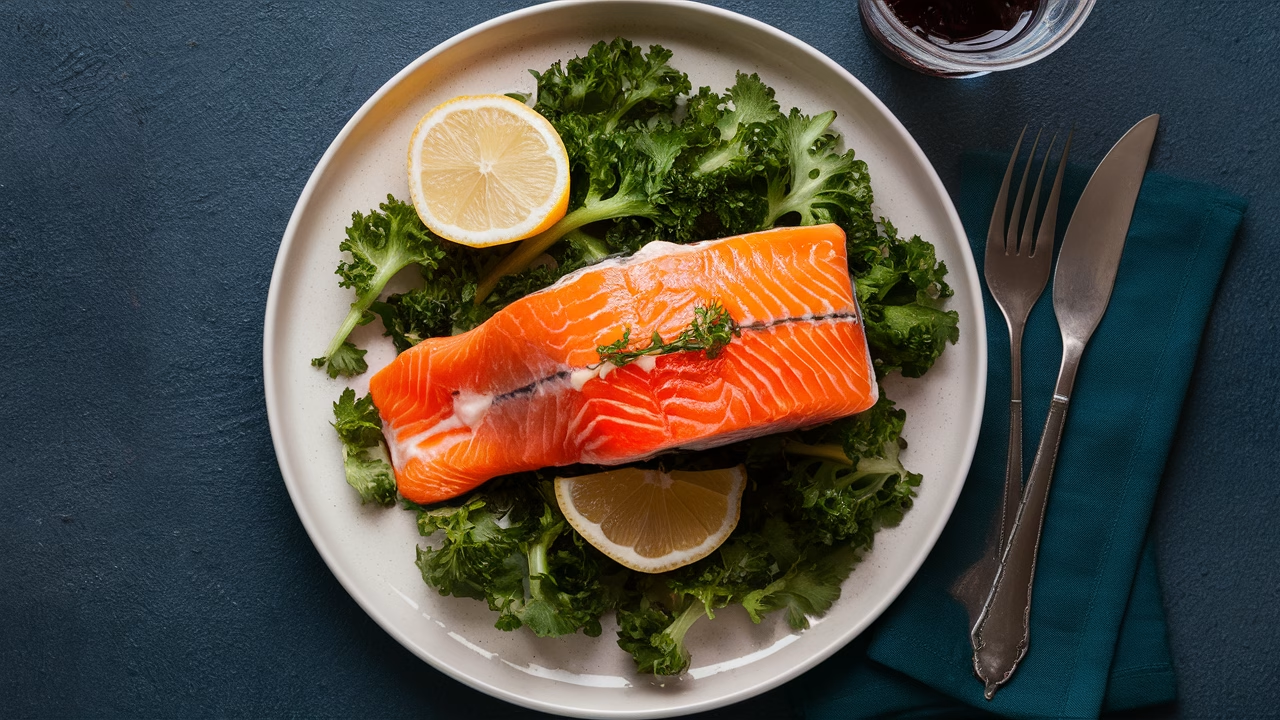
Fatty fish like salmon are an excellent source of omega-3 fatty acids—specifically EPA and DHA. These healthy fats reduce inflammation, lower triglycerides, and improve arterial elasticity. In fact, omega-3s have been shown to lower both systolic and diastolic blood pressure after consistent inclusion in your heart health diet for weeks to months.
Enjoy grilled or baked salmon two times a week, paired with greens and whole grains. Wild-caught varieties tend to have higher omega-3 content—but regardless of source, any form of salmon works wonders for your cardiovascular health.
4. Oats: The Fiber Fix for Healthy Arteries
Oats may seem modest, but when it comes to heart health, this staple is anything but ordinary. The champion here is beta-glucan—a soluble fiber that forms a gel in your stomach, binding to cholesterol and pushing it out of your body. This helps reduce the strain on your blood vessels and supports stable pressure levels.
What’s more, oats are high in magnesium, a mineral linked to better blood pressure control and arterial function. Add oats to your breakfast bowl topped with bananas and berries for a threefold boost of foods that lower blood pressure.
5. Dark Chocolate: Sweet Relief with Flavonoids
Yes, indulging a little can be good for your heart health. Dark chocolate that contains at least 70% cocoa is rich in flavonoids—plant compounds that stimulate nitric oxide production, allowing for easier blood flow and lower resistance in your arteries.
Just a small square or two daily can help lower blood pressure naturally. But remember, moderation matters: overdoing it leads to excess sugar and saturated fat intake, negating the cardiovascular benefit. Stick to quality dark chocolate and skip the milk-based varieties.
6. Garlic: Nature’s Blood Pressure Medication
Allicin’s Vascular Magic
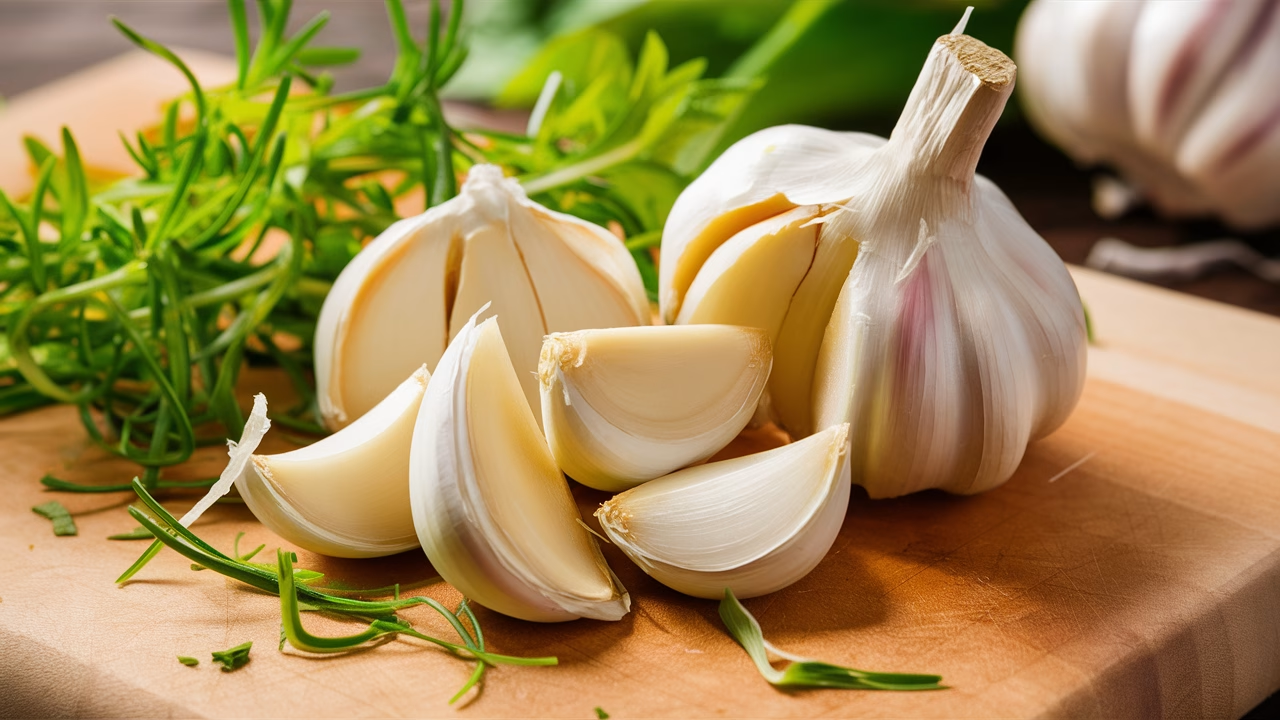
When crushed or chopped, garlic releases a sulfur compound called allicin—which acts almost like a natural ACE inhibitor (a common blood pressure medication class). Allicin triggers blood vessel relaxation, increasing blood flow and decreasing pressure naturally, making garlic one of the most effective foods that lower blood pressure.
Garlic is also a potent anti-inflammatory and immune booster. Add raw or lightly cooked garlic to soups, stir-fries, or dressings several times a week to harness its full heart health benefits.
7. Olive Oil: Liquid Gold for Arteries
Olive oil is at the heart of the Mediterranean diet—and for good reason. It’s packed with oleic acid and polyphenols, both of which reduce blood pressure by improving endothelial (blood vessel lining) function. Olive oil is also rich in anti-inflammatory antioxidants that protect your cardiovascular system from oxidative stress.
Drizzle it over veggies, use as a sautéing base, or mix into dips and homemade salad dressings. Choose extra virgin versions for the highest nutrient content and maximum heart health benefits.
8. Green Tea: Antioxidant Power in a Cup
Green tea is one of the simplest yet most effective natural remedies for reducing hypertension. It’s particularly high in catechins—plant chemicals that lower inflammation and improve blood vessel function. Its most active compound, EGCG (epigallocatechin gallate), improves circulation and reduces clot risk, making it an excellent addition to your heart health diet.
Drink 2–3 cups daily and opt for fresh-brewed rather than bottled or sweetened varieties. The routine alone brings calm—and the blood pressure benefits sweeten the deal.
9. Pomegranates: Ruby Fruits for Resilient Blood Vessels
Pomegranates are rich in antioxidants such as tannins and anthocyanins, along with dietary nitrates that naturally improve oxygen delivery to tissues. A glass of unsweetened pomegranate juice daily can lower systolic blood pressure within weeks according to recent clinical trials, making it one of the most researched foods that lower blood pressure.
You can eat the fruit fresh or add the arils to smoothies, salads, or yogurts. Just be mindful of quantity—pomegranates are naturally high in sugar, so moderation supports your overall heart health goals.
10. Seeds: Tiny But Mighty Sources of Omega-3s and Magnesium
A tablespoon of flaxseeds contains plant-based omega-3s that fight inflammation and regulate hypertension naturally. Meanwhile, sunflower seeds are a rich source of magnesium, which supports heart rhythm and overall vascular function—both are excellent foods that lower blood pressure.
Blend flax seeds into your morning smoothie or sprinkle over oatmeal. Add a handful of sunflower seeds to your salad for a satisfying crunch with cardiovascular payouts that support your heart health diet.
Cost Guide: Eating for Heart Health on a Budget
| Food | Average Cost (per serving) | Frequency (per week) |
|---|---|---|
| Berries (fresh or frozen) | $0.75 | Daily |
| Bananas | $0.30 | Daily |
| Oats | $0.15 | Daily |
| Salmon (frozen) | $2.50 | 2x weekly |
| Garlic | $0.10 | 5x weekly |
| Olive Oil | $0.25 | Daily |
| Green Tea | $0.20 | 3x daily |
| Flax/Sunflower Seeds | $0.30 | Daily |
FAQs
1. Can I reverse high blood pressure with food alone?
While foods that lower blood pressure play a powerful role, managing hypertension often involves multiple factors: physical activity, stress management, sleep, and in some cases, medication. However, dietary change is the cornerstone of any effective heart health plan.
2. How fast can I see results from eating heart-healthy foods?
Some changes in blood pressure can be seen within a few weeks, especially when multiple heart-friendly practices are combined. However, lasting results often take months and must be maintained long-term for optimal heart health.
3. Which foods should I avoid if I have high blood pressure?
Minimize processed foods high in sodium—like deli meats, frozen dinners, and chips. Also limit added sugars, especially from sweetened beverages, and saturated fats from fried foods or creamy sauces that can counteract your heart health diet.
4. Are supplements a good replacement for these foods?
Whole foods that lower blood pressure come with fiber and other co-nutrients that supplements lack. While supplements can be helpful in specific nutrient deficiencies, food-first approaches are more sustainable and holistic for heart health.
5. Is Himalayan pink salt better for blood pressure?
All salts contain sodium—whether pink, sea, or regular table salt. The key is quantity. Limit intake to below 1,500–2,300 mg per day, regardless of type, to support your heart health goals.
6. Can I drink coffee with high blood pressure?
Coffee affects individuals differently. Moderate intake (about 1–2 cups/day) may be safe for some, but others may experience blood pressure spikes. Monitor your response and speak to a healthcare provider about your heart health plan.
7. How does magnesium help with blood pressure?
Magnesium relaxes blood vessels, improving blood flow and decreasing resistance. Foods that lower blood pressure like seeds, oats, and leafy greens are rich in this essential mineral that supports heart health.