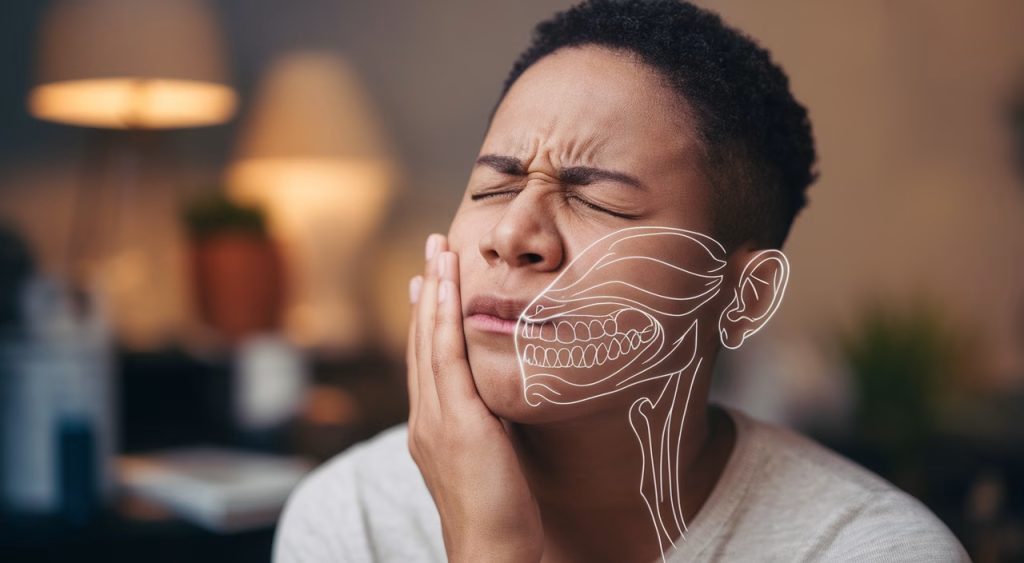
Can Chewing Gum Really Cause TMJ or Jaw Pain?
Yes—chewing gum excessively or frequently can contribute to TMJ (Temporomandibular Joint) issues, jaw pain, headaches, and even neck tension. While an occasional stick won’t harm most people, habitual gum chewing strains the muscles and joints of your jaw over time, potentially leading to or worsening TMJ disorder.
- ✔ Repetitive motion: Continuous chewing overworks the jaw joints and muscles.
- ✔ Muscle imbalance: Often people chew more on one side, creating uneven pressure and stress on the jaw.
- ✔ Causes chronic symptoms: May result in headaches, neck pain, earaches, and jaw clicking or locking.
- ✔ Children are at risk: Pediatric jaw structures are still forming and more prone to developing imbalances over time.
Introduction to TMJ and Chewing Gum
We often take jaw movement for granted—until something feels off. The temporomandibular joint (TMJ) is a delicate, complex hinge where your jawbone connects to your skull. It’s responsible for talking, chewing, yawning, and facial expressions. But like any joint, it has a limit. When overstressed by repetitive actions—like constant gum chewing—it can become inflamed or misaligned, leading to discomfort that ranges from mild to severe.
As a pediatric dentist and jaw health specialist, I frequently see children, teens, and adults who experience TMJ symptoms related to jaw misalignment caused by excessive chewing. And while gum might seem harmless, it’s often at the root of these issues—especially when paired with stress-induced clenching or poor posture.
Let’s explore how TMJ from chewing gum develops, understand the warning signs, and discover what you can do today to prevent long-term pain and dysfunction.
Understanding TMJ Symptoms and Impact
TMJ disorder, or TMD, is a condition affecting the movement and alignment of the temporomandibular joints. These joints are located on either side of your head, in front of your ears, and work together with muscles and ligaments to help move your jaw up, down, and side-to-side.
Common TMJ symptoms include:
- Jaw pain or soreness, especially in the morning or after chewing
- Popping, clicking, or grinding sounds during mouth opening
- Limited range of motion or “locked” jaw on one side
- Frequent headaches or migraines
- Neck pain or stiffness
- Pain around the ears or an “ear fullness” sensation
How Does Chewing Gum Play a Role in TMJ?

The connection between chewing gum and jaw pain stems from its repetitive, unbalanced pressure on the jaw joints. Think of your TMJs like the hinges on a door—if they’re constantly opening and closing in the same way, the hinges will eventually wear down or stick.
Gum chewing increases bite force hundreds of times each session, often without you realizing. And because most people favor one side while chewing, it creates imbalanced muscular strain across the jaw. Over time, that tension translates into inflammation, pain, and joint dysfunction.
Chewing gum also encourages clenching and subconscious chewing during times of stress—another key contributor to TMJ from chewing gum.
Risks of Chewing Gum and TMJ
Here are some direct links between chewing gum and its contribution to TMJ and associated health issues:
| Issue | How Gum Exacerbates It |
|---|---|
| Jaw Overuse | Excessive movement causes joint fatigue |
| Muscle Asymmetry | Chewing one-sidedly leads to tension imbalance |
| Clenching/Grinding | Stimulates muscle memory for bruxism behaviors |
| Neck and Shoulder Pain | Jaw tension often radiates to nearby muscles |
| Earaches & Headaches | Shared nerve pathways cause referred pain |
In children and teens, consistent chewing can even impact bite formation and facial symmetry if left unchecked.
Preventing and Managing TMJ
The good news is this: Many TMJ issues can be managed—or avoided—by making small but powerful changes in daily habits. Here’s how to prevent TMJ from chewing gum and support long-term jaw health:
How to Prevent TMJ from Chewing Gum
- Limit gum use: Aim for no more than 10 minutes per session, and avoid multiple sessions per day.
- Chew evenly: Alternate sides consciously to avoid overusing one side.
- Monitor posture: Poor neck posture increases jaw tension; ensure screens are at eye level.
- Reduce stress: Stress causes clenching; incorporate mindful techniques to reduce tension.
- Encourage breaks for children: Especially if they enjoy gum, build in “jaw rest” periods.
Signs You May Have TMJ From Chewing Gum
- Jaw soreness after chewing
- Clicking or popping during speech or bites
- Stiffness in the neck or shoulders
- Ear pain without infection
- Migraines that stem from the jaw
Natural Remedies for Jaw Pain from Chewing Gum
- Warm compresses: Place a damp, warm towel on the jaw to ease muscle tension.
- Gentle jaw stretches: Slowly open and close your mouth while relaxing shoulders.
- Anti-inflammatory foods: Ginger, turmeric, and omega-3s may reduce inflammation.
- Massage therapy: Gentle facial massage can help relieve local muscle tension.
- Sleep posture: Avoid sleeping on your stomach or resting your jaw on fists.
Conclusion and Tips for Healthy Jaw Health

Jaw health is something we rarely think about—until something starts to hurt. If you or your child chew gum frequently and experience jaw popping, earaches, or tension headaches, it may be time to reassess this habit. Consider it a red flag for potential TMJ from chewing gum.
Here’s the takeaway:
- Moderation is key—occasional gum use is fine, but frequent chewing puts your jaw at risk.
- Bodies vary. If discomfort arises, stop and reassess chewing habits.
- When in doubt, consult your pediatric dentist or a TMJ specialist for a proper assessment.
Taking a few simple steps today can help protect your jaw for a lifetime of healthy smiling, eating, and speaking. Your TMJs will thank you for preventing TMJ naturally through mindful habits.
Frequently Asked Questions
- Is it OK to chew sugar-free gum occasionally?
- Yes, infrequent gum chewing for fresh breath is fine for most people. The key is moderation and balance in how often and how long you chew.
- Can children develop TMJ from gum chewing?
- Yes. Children’s jaws are still growing, and habitual gum chewing can contribute to joint imbalances and bite misalignment over time.
- What’s better than gum for fresh breath?
- Alternatives like drinking water, using mouth rinses, or eating fresh herbs (mint, parsley) are gentler options that don’t overwork the jaw.
- What should I do if my jaw clicks when I chew?
- Reduce chewing activities, apply warm compresses, and avoid wide mouth openings. Consult a TMJ specialist for evaluation.
- How can I teach my child to stop chewing gum constantly?
- Replace the habit gradually with crunchy healthy snacks, teach awareness about symptoms, and keep gum out of easy reach.
- Will TMJ go away on its own if I stop chewing gum?
- In mild cases, yes. Rest and habit changes can reverse early TMJ issues. Consistent pain, however, requires professional evaluation.
- Is jaw pain always from TMJ?
- No. It can be related to sinus pressure, infection, arthritis, or teeth grinding. A dental or medical evaluation can rule out other causes.