
What is the Best Relief for Tensions & Headaches Caused by Jaw Pain?
Jaw tension is one of the most overlooked triggers for chronic headaches, yet it affects millions of people daily. When your jaw muscles stay tight from clenching or grinding, they can irritate the trigeminal nerve and trigger facial pain, tension headaches, or even migraine-like symptoms. The most effective relief for tensions & headaches caused by jaw pain combines three proven strategies: targeted natural remedies for jaw tension relief, specific effective exercises for TMJ pain relief, and holistic approaches to managing jaw clenching that prevent future episodes.
- ✔ Dentist-approved natural remedies that reduce muscle tension safely
- ✔ Proven TMJ exercises that strengthen and relax jaw muscles
- ✔ Heat therapy and myofascial techniques for immediate relief
- ✔ Posture correction methods that prevent tension from returning
- ✔ Holistic strategies for breaking the pain-tension cycle
TMJ Disorders: Causes and Symptoms
Your temporomandibular joint (TMJ) acts like a complex sliding hinge, connecting your jawbone to your skull. When TMJ disorders develop, they create functional problems in this joint and surrounding muscles. Many people don’t realize their chronic headaches stem from jaw issues until muscle tension becomes severe enough to affect daily life.
The most common causes of TMJ disorders include:
- Chronic jaw clenching & teeth grinding (often happening during sleep)
- Poor posture from screen time that misaligns your jaw
- Facial or neck injuries that affect joint function
- Chronic stress & anxiety leading to habitual muscle tension
TMJ symptoms often extend beyond jaw discomfort:
- Persistent muscle tension in temples, cheeks, and neck
- Clicking, popping, or locking when opening your mouth
- Migraine-like symptoms concentrated on one side of your face
- Ear pain, tinnitus, or unexplained dizziness
- Morning facial soreness from nighttime clenching
Recognizing these patterns is the first step toward effective relief using natural remedies for jaw tension relief.
Understanding the Trigeminal Nerve in Headaches
The trigeminal nerve serves as your face’s primary communication pathway to the brain, transmitting sensations from your jaw, cheeks, temples, and forehead. When this major cranial nerve becomes irritated or compressed, it can trigger intense headaches that mimic migraines or create debilitating facial pain.
How Jaw Clenching Impacts the Nerve
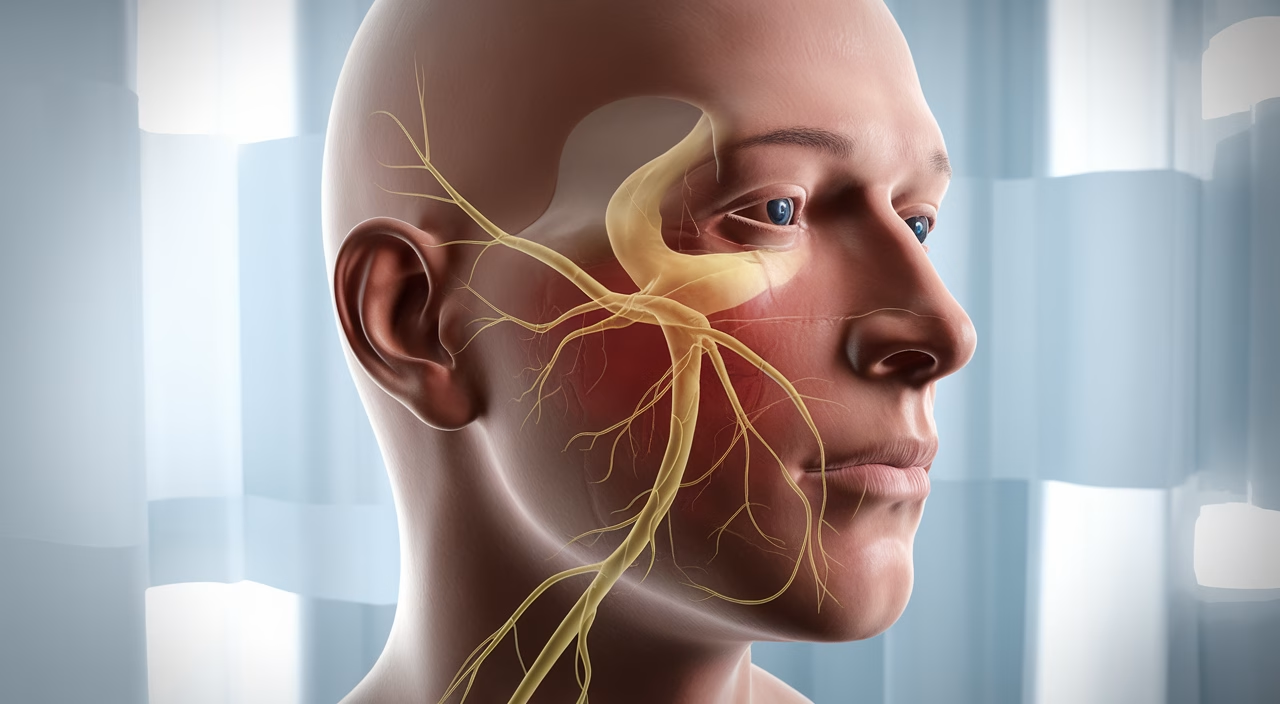
Here’s the critical connection: when you clench or grind your teeth—especially unconsciously during sleep—your masseter and temporalis muscles contract forcefully and repeatedly. This persistent muscle tension creates pressure on the nearby trigeminal nerve, often resulting in throbbing headaches, pain behind your eyes, or hypersensitivity across your jaw and face.
Over time, this muscle tension creates a harmful feedback loop in your nervous system. Your brain becomes hypersensitive to pain signals, making even minor jaw movements trigger discomfort. Breaking this cycle requires consistent natural remedies for jaw tension relief combined with effective exercises for TMJ pain relief to retrain your muscles and calm your nervous system.
Dentist-Approved Natural Remedies for Jaw Tension
The most effective natural remedies for jaw tension relief focus on reducing muscle inflammation, improving blood flow, and retraining your jaw muscles to relax. These evidence-based approaches are safe for daily use and often provide relief within days:
- Targeted Heat Therapy: Apply moist heat to your jaw joints and temples for 15–20 minutes using a warm compress. This increases blood circulation and helps tight muscles release naturally.
- Myofascial Self-Massage: Use gentle circular motions to massage your jaw joint (just in front of your ears), your cheek muscles, and the base of your skull. Focus on releasing trigger points and knots.
- Anti-Inflammatory Nutrition: Include magnesium-rich foods like leafy greens, nuts, seeds, and legumes in your diet. Magnesium helps muscle fibers relax and reduces inflammation.
- Mindful Breathing Techniques: Practice 10 minutes of deep diaphragmatic breathing daily. This activates your parasympathetic nervous system and reduces habitual muscle tension throughout your body.
- Conscious Jaw Positioning: Throughout the day, practice keeping your “lips together, teeth apart” with your tongue resting gently on your palate. This trains your facial muscles to maintain a relaxed resting position.
Effective Exercises for TMJ Pain Relief
The most effective exercises for TMJ pain relief focus on strengthening weak muscles, stretching tight areas, and improving coordination in your jaw movements. Perform these exercises slowly and stop immediately if pain increases rather than decreases:
- Controlled Chin Tucks: Sit with your spine straight. Gently draw your chin back and down, creating length in your neck. Hold for 3–5 seconds, then release slowly. Repeat 8–10 times to improve jaw alignment and reduce forward head posture.
- Resisted Jaw Opening: Place your thumb under your chin and apply gentle upward pressure. Slowly open your mouth against this resistance, hold for 5 seconds, then close slowly. This strengthens your jaw-opening muscles and improves control.
- Lateral Jaw Glides: With your mouth slightly open and lips relaxed, slowly glide your lower jaw from side to side. Perform 8–10 controlled repetitions to improve TMJ mobility and reduce stiffness.
- Upper Trap and Neck Stretches: Since jaw tension often connects to neck and shoulder tightness, include gentle neck stretches and shoulder blade squeezes in your routine for comprehensive muscle tension relief.
Pro tip: Always perform these effective exercises for TMJ pain relief in front of a mirror initially to ensure proper form and detect any asymmetrical movement patterns.
Preventing Tension Headaches with Holistic Approaches
The most successful holistic approaches to managing jaw clenching focus on addressing root causes rather than just treating symptoms. These comprehensive strategies help prevent the return of muscle tension and chronic headaches:
- Sleep Environment Optimization: Sleep on your back or side with proper pillow support to maintain neutral neck alignment. Avoid stomach sleeping, which forces your neck and jaw into stressful positions for hours.
- Custom Night Guards: For chronic nighttime clenching, a professionally fitted dental splint protects your teeth and reduces muscle overactivity during sleep, leading to less morning jaw stiffness.
- Digital Ergonomics: Follow the “20-20-20” rule during screen time: every 20 minutes, look at something 20 feet away for 20 seconds. This prevents the forward head posture that contributes to jaw tension.
- Stress Pattern Recognition: Keep a tension diary to identify specific triggers—like work deadlines, caffeine intake, or relationship stress—that increase your jaw clenching habits.
Importance of Proper Posture

Your head weighs approximately 10-12 pounds, and when properly aligned over your spine, this weight distributes evenly. However, when your head shifts forward—common with smartphone and computer use—your neck muscles must work overtime to support this weight. This postural stress creates a chain reaction: tight neck muscles pull on jaw muscles, leading to compensatory clenching and eventually tension headaches.
Maintaining proper alignment with your ears over your shoulders and shoulders over your hips is one of the most powerful holistic approaches to managing jaw clenching. Regular posture breaks and ergonomic workspace setup can prevent muscle tension from building up throughout your day.
Cost Guide: Relief Options in Singapore
| Relief Strategy | Low Range (SGD) | Mid Range (SGD) | High Range (SGD) |
|---|---|---|---|
| Physical Therapy Session | 60 | 100 | 180 |
| TMJ Splint/Night Guard | 150 | 300 | 800 |
| Myofascial Massage Therapy | 50 | 120 | 200 |
| Posture Coaching | 40 | 80 | 150 |
Frequently Asked Questions
Can jaw clenching really cause migraines?
Yes, chronic jaw clenching can definitely trigger migraine-like symptoms by irritating the trigeminal nerve. This is especially common if you’re grinding your teeth at night or experiencing chronic stress that leads to persistent muscle tension.
How long does it take for natural remedies for jaw tension relief to work?
Many people notice some improvement within the first few days of using heat therapy and gentle exercises. However, significant and lasting relief typically develops over 2-4 weeks of consistent practice with natural remedies and effective exercises for TMJ pain relief.
Are effective exercises for TMJ pain relief safe to do at home?
Yes, the exercises we recommend are safe for home practice when done gently and within your comfort range. Always start slowly, listen to your body, and stop if you experience increased pain. Consult a healthcare provider if you’re unsure about proper technique.
How does posture correction help with jaw tension?
Poor posture, especially forward head positioning, creates a chain of muscle tension from your shoulders to your jaw. When you improve your posture alignment, you reduce the mechanical stress that contributes to jaw clenching and muscle tension throughout your neck and face.
Do I need professional treatment or can holistic approaches to managing jaw clenching work alone?
Many people find significant relief using natural remedies and exercises alone, especially for mild to moderate jaw tension. However, if you have severe pain, limited jaw opening, or symptoms that don’t improve after 4-6 weeks of consistent home care, professional evaluation is recommended.
Which foods help reduce muscle tension naturally?
Focus on magnesium-rich foods like dark leafy greens, nuts, seeds, legumes, and avocados, as magnesium helps muscles relax naturally. Also include anti-inflammatory foods like fatty fish, berries, and turmeric to reduce overall inflammation that contributes to muscle tension.
How important is stress management for jaw tension relief?
Stress management is crucial because emotional tension often manifests as physical jaw clenching, especially during sleep. Incorporating mindfulness practices, regular exercise, and stress reduction techniques can significantly enhance the effectiveness of other natural remedies for jaw tension relief.