
Why does a sedentary lifestyle make you feel so tired all the time?
In short, sitting too much weakens both your muscles and your cardiovascular system. Over time, this leads to chronic fatigue, because your body becomes inefficient at generating and conserving energy. Without adequate movement, your sleep also suffers—creating a cycle of exhaustion that makes sedentary lifestyle effects on energy levels even more pronounced.
TL;DR:
- A sedentary lifestyle leads to muscular deconditioning—your muscles lose strength and endurance.
- Lack of activity also causes cardiovascular deconditioning, reducing circulation and oxygen delivery.
- Sleep quality worsens with inactivity, contributing to dysfunctional sleep patterns.
- Combined, these issues result in lower energy levels and heightened feelings of chronic fatigue.
- Learning how to combat fatigue from lack of exercise can slowly rebuild your energy reserves.
Introduction: Understanding the Impact of a Sedentary Lifestyle
Picture this: you wake up after eight hours of sleep, drag yourself out of bed, and by mid-afternoon, you’re nodding off at your desk. You think, “Wasn’t rest supposed to energize me?” Here’s the thing—rest alone doesn’t generate vitality when physical inactivity has rewired your body’s systems to underperform.
A sedentary lifestyle isn’t just about sitting all day—it’s about the cumulative effects of movement deprivation. When physical activity drops to minimal or nonexistent levels, your muscles, heart, blood vessels, and even your brain begin to adapt in all the wrong ways. The result? A sluggish, foggy, always-tired version of yourself that experiences severe sedentary lifestyle effects on energy levels.
As a physiotherapist, I see this pattern daily. People come in exhausted, struggling to power through simple tasks—not knowing why their tank is always on empty. Let’s break this cycle by first understanding what’s happening inside your body when chronic fatigue takes hold.

The Link Between Muscular Deconditioning and Chronic Fatigue
Your muscles aren’t just for movement—they’re energy regulators. But when you don’t use them regularly, they quickly lose both endurance and efficiency. This process is known as muscular deconditioning, and it’s one of the primary reasons behind sedentary lifestyle effects on energy levels.
Here’s what happens: without regular challenge, your muscle fibers shrink and lose their ability to store and utilize glucose properly. As a result, daily tasks begin to feel like major efforts. Climbing stairs? Exhausting. Carrying groceries? Draining. Even standing too long? Suddenly uncomfortable. You feel tired because you’re overworking underprepared muscles, creating a vicious cycle of chronic fatigue.
Real-Life Example:
Jane, a freelance graphic designer, began working from home full-time. Over several months, she noticed she had less strength and constantly complained of fatigue. After learning how to combat fatigue from lack of exercise by adding two 15-minute walk breaks and basic resistance training (like wall sits and resistance bands), her focus and energy gradually returned. This wasn’t magic—it was physiology responding positively to consistent stimulation.
Cardiovascular Deconditioning: How It Contributes to Tiredness
We rarely give our cardiovascular system credit until it starts to fail us. Cardiovascular deconditioning occurs when your heart, lungs, and blood vessels aren’t regularly challenged by physical activity. This leads to a weakened heart muscle, slower circulation, and decreased oxygen delivery throughout the body—all contributing factors to chronic fatigue.
This can feel like always being out of breath, suffocating in your own energy demands. When you’re physically inactive, your heart literally has to work harder to do less, which explains why so many people experience severe sedentary lifestyle effects on energy levels and feel wiped out by simple movements.
What You’ll Notice:
- Shortness of breath when walking quickly or climbing stairs.
- A heavy, dragging feeling during physical exertion.
- Needing longer recovery time after any activity.
| Condition | Impact on Energy |
|---|---|
| Muscular Deconditioning | Weakens muscles, reduces physical endurance |
| Cardiovascular Deconditioning | Limits oxygen delivery, increases fatigue |
Sleep Patterns and Fatigue: The Importance of Exercise
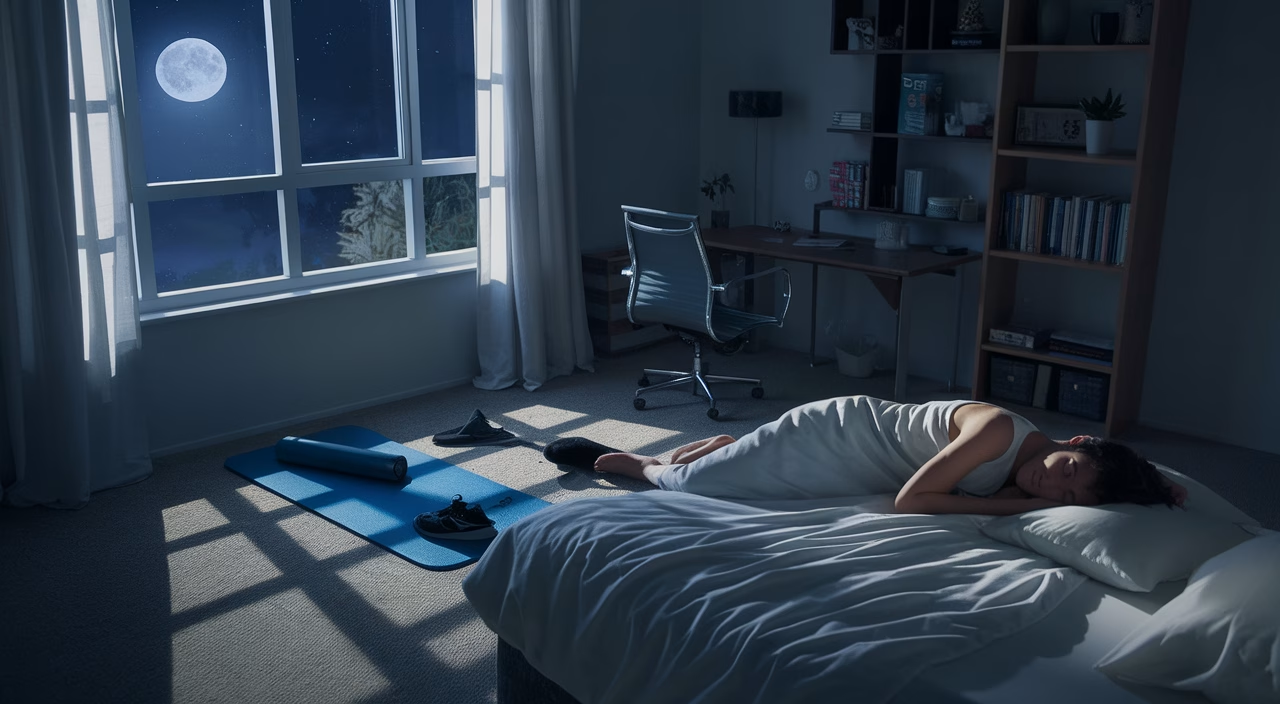
The connection between dysfunctional sleep patterns and a sedentary lifestyle is stronger than most people think. Exercise plays a crucial role in regulating your sleep-wake cycle (also known as your circadian rhythm). When you move often, your body gets clear signals: it’s time to be awake now; it’s time to rest later.
No movement? No rhythm. Instead, your body becomes confused. You may stay awake later, fall asleep slower, and experience more restlessness. Poor sleep compounds the already low energy you feel from inactivity, intensifying sedentary lifestyle effects on energy levels and fueling that endless chronic fatigue spiral.
Practical Tips for Increasing Energy Levels Through Physical Activity
If you’re currently stuck in a cycle of low energy and low activity, the solution isn’t “run a marathon.” It’s to start strategically. Here’s a simple guideline I give my clients who want to learn how to combat fatigue from lack of exercise: Move a little, often—and let your body relearn how to feel alive.
Best Exercises for Improving Energy Levels
- Brisk Walking: Boosts heart rate gently and improves circulation.
- Bodyweight Squats: Re-engages major muscle groups affected by muscular deconditioning.
- Chair Yoga: Combines movement with deep breathing to improve oxygen flow.
- Wall Pushups: Great for restarting upper body engagement, even at low intensity.
How to Combat Fatigue from Lack of Exercise—Action Plan
- Set small, reliable triggers: Walk five minutes after your morning coffee or do a stretch routine during TV commercials.
- Track consistency, not intensity: Your goal isn’t to sweat—it’s to move and reverse sedentary lifestyle effects on energy levels.
- Reinforce movement through rewards: Pair walking with something enjoyable, like a podcast.
Cost Guide: Energy-Building Activity Programs
| Program Type | Price Range |
|---|---|
| Home Exercise Apps | $0 – $15/month |
| Local Gym or Class Pass | $30 – $75/month |
| 1-on-1 Movement Coaching | $60 – $120/session |
Final Thoughts: Reclaiming Your Energy Is Possible—One Step at a Time
So, if a sedentary lifestyle has drained your energy, the antidote isn’t unreachable. You don’t need to overhaul your life overnight. Just give your body what it craves—purposeful movement. With consistency, you’ll combat chronic fatigue, build resilience, and rediscover what energized living feels like.
Remember: Understanding how to combat fatigue from lack of exercise isn’t about doing more; it’s about doing smarter. Your energy is already waiting—let’s go get it back.
Frequently Asked Questions
- How long does it take to feel more energetic after becoming more active?
- Many people notice a difference within two to four weeks of consistent moderate movement.
- Can sleep improve just from walking more?
- Yes. Even light activity like a daily 20-minute walk can help regulate your sleep cycle and lead to deeper rest.
- Do I need to go to the gym to fight chronic fatigue?
- No. Sustainable improvements come from increasing everyday movement like standing breaks, home workouts, and walking.
- What is the biggest mistake people make when trying to regain energy?
- Doing too much too quickly. Overexertion leads to burnout. Start small and stay consistent instead.
- Is fatigue due to a sedentary lifestyle reversible?
- Absolutely. With consistent movement and rest, your muscle and cardiovascular systems can recover function over time.
- What’s the best time of day to exercise for energy?
- Morning or early afternoon workouts are ideal—they reset your circadian rhythm and reduce afternoon slumps.
- How can I stay motivated when I feel too tired to move?
- Start with the smallest possible action—five deep breaths followed by a single stretch. Momentum often follows action.