Why do we get goosebumps?
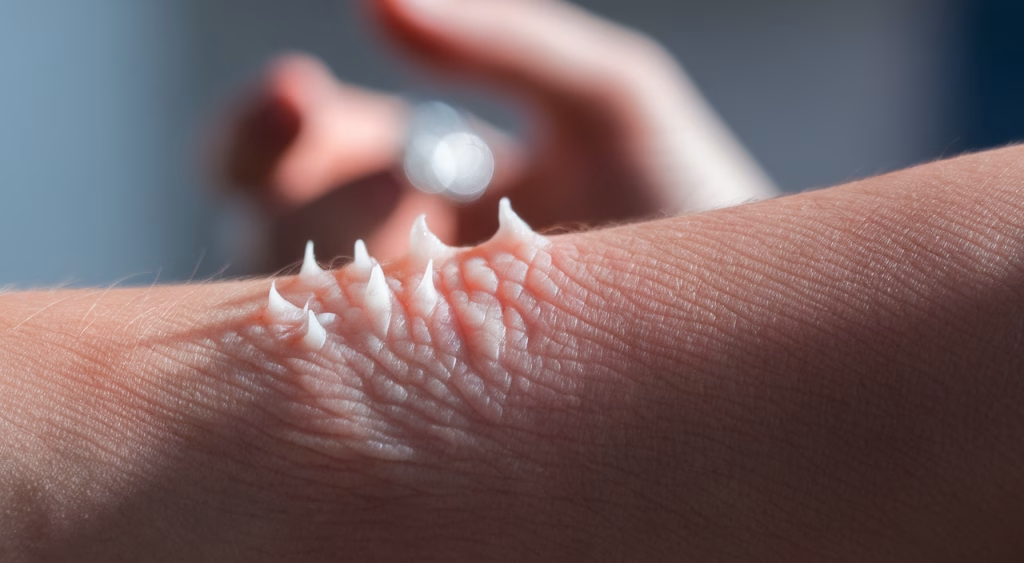
You get goosebumps because your body is responding to emotional stimuli like fear or awe—or physical triggers such as cold temperatures. This reaction, called a piloerection, happens when your sympathetic nervous system causes the tiny muscles at the base of your hair follicles to contract. But why do you still experience this ancient response in our modern world?
TL;DR: Quick Summary of Goosebumps Explained
- What they are: Goosebumps are tiny bumps on your skin caused by contracted hair follicle muscles.
- Why they happen: Triggered by the sympathetic nervous system in response to cold or intense emotion.
- Evolutionary roots: Goosebumps originally helped our ancestors appear larger or conserve heat.
- Modern role: While less useful today, these reactions are tied to emotional resonance and temperature shifts.
- Control tactics: Mindfulness, controlled breathing, and maintaining warmth can help manage them.
The Science Behind Piloerections
Understanding the Sympathetic Nervous System
This fascinating phenomenon begins with a key player in your autonomic nervous system: the sympathetic nervous system. When you’re startled, cold, or emotionally overwhelmed, this system springs into action. It’s the same system responsible for your fight-or-flight response—an ancient mechanism designed to keep you alive in dangerous situations.
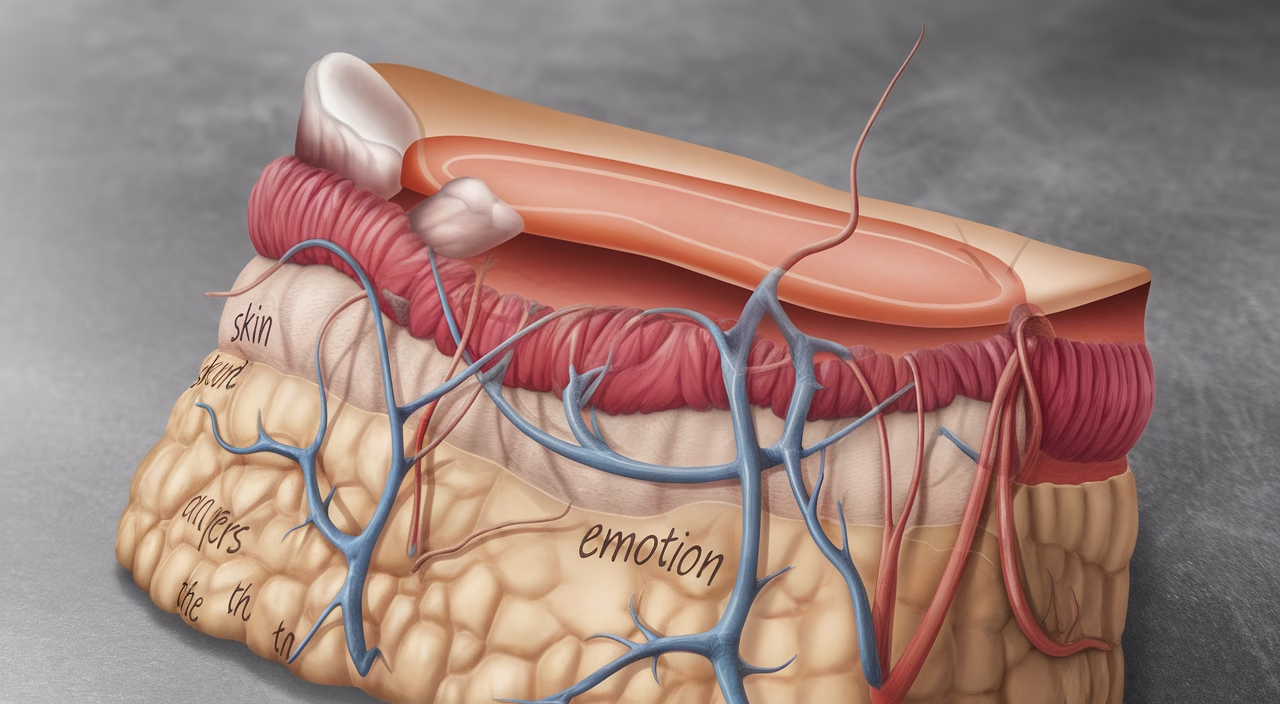
Part of that response involves activating the tiny muscles connected to your hair follicles, known as arrector pili muscles. These microscopic structures react automatically—creating a collection of erect hairs and that familiar bumpy texture across your skin. This physical response is what we call a piloerection.
Hair Follicle Muscles At Work
Each hair follicle on your body is surrounded by a tiny bundle of smooth muscle fibers. When triggered—whether by cold, fear, or emotional intensity—these hair follicle muscles contract involuntarily. This causes the hair to stand upright and the skin beneath to rise slightly, creating your goosebumps.
Here’s what’s remarkable: while you may not even notice it happening, your body orchestrates a coordinated reaction across dozens or even hundreds of follicles simultaneously. It’s like having thousands of tiny soldiers responding to the same command from your nervous system.
Evolutionary Significance of Goosebumps
Why do humans still get goosebumps?
Even though we no longer need to puff up our fur like our ancient ancestors, humans retain this powerful reflex. The evolutionary significance of goosebumps lies in several survival benefits deeply rooted in our species’ evolutionary history.
In animals, hair standing on end creates an impressive illusion of size and intimidation. Think of a frightened cat with its fur standing on edge, or a porcupine raising its quills. In that context, goosebumps helped our ancestors appear larger and more threatening to predators or rivals. Beyond intimidation, there’s the thermal benefit: raised hairs could trap a layer of warm air near the skin, creating a natural insulation system.
Adapting to Different Environments
Our relatively hairless skin means the heat-retention benefit is minimal these days. Still, this involuntary reaction remains—a fascinating vestige of evolutionary adaptation that reflects our close biological connection with other mammals. While goosebumps don’t significantly help regulate your body temperature today, some scientists believe emotional goosebumps still play a social signaling role. We share this automatic response as a universal bodily language of awe, fear, or profound beauty.
Goosebumps and Cold Weather Response
Your body interprets cold as a direct threat to homeostasis, triggering a cascade of protective responses through your sympathetic nervous system. It’s not just about heat conservation—it’s part of a comprehensive defense mechanism. Blood vessels constrict to preserve core warmth, shivering begins to generate heat through muscle activity, and those tiny hairs attempt to trap whatever warmth they can. However, in our modern world of advanced clothing and climate-controlled environments, the practical benefit is minimal. Goosebumps now serve more as a fascinating indicator of your body’s ancient wiring than an efficient thermal response.
Controlling Goosebumps

Tips for Managing This Physiological Response
Although goosebumps are largely an involuntary reaction, there are practical ways to gain some control over them, particularly in emotionally charged or temperature-sensitive situations.
- Stay Warm: When cold triggers your goosebumps, prevention works best. Layer your clothing strategically, focusing on insulating fabrics that help your body maintain its natural temperature.
- Relaxation Techniques: Emotional goosebumps, often triggered by music, fear, or profound moments, can be managed through mindfulness practices, meditation, or controlled deep breathing. The goal is calming your overactive nervous system.
- Gradual Desensitization: Regular exposure to emotionally triggering content (like that song that always gives you chills) may gradually reduce your goosebump sensitivity over time.
- Optimal Hydration & Comfort: Dry or stressed skin tends to react more dramatically. Keep both your environment and skin properly moisturized to minimize exaggerated physiological responses.
Final Thoughts
Goosebumps aren’t just a quirky biological curiosity—they’re a living connection to our evolutionary past that surfaces in our daily lives. From the chill of a cold breeze to the shivers from an emotionally moving song, these tiny bumps link you to both your ancestral survival mechanisms and your deepest emotional responses. While you may never fully control them, understanding what triggers goosebumps and how to manage them helps you appreciate one of your body’s most fascinating and mysterious reflexes.
Frequently Asked Questions
What causes goosebumps besides cold?
Goosebumps can be triggered by emotional responses like fear, awe, excitement, or even music. These triggers set off your sympathetic nervous system.
Are goosebumps good or bad for your health?
Goosebumps are a harmless reaction. While they don’t serve many survival functions in modern life, they are a sign of a functioning nervous system reacting normally.
Why do certain songs give me goosebumps?
Certain melodies trigger strong emotional responses in the limbic system. These can activate the sympathetic nervous system in a way similar to fear or awe, causing goosebumps.
Do animals get goosebumps too?
Yes, many mammals experience piloerections as a thermal or defensive mechanism. It often helps to trap heat or make them appear larger to predators.
Can I stop my body from getting goosebumps?
Complete control isn’t possible since it’s an involuntary reaction. However, staying warm and managing emotional triggers can reduce your likelihood of getting them.
Why do I get goosebumps when I’m not cold?
This is often due to strong emotional reactions. Your brain interprets emotional stimuli and sends signals via the nervous system, resulting in goosebumps—regardless of temperature.
Is it normal to get goosebumps frequently?
Yes, if you’re emotionally sensitive or exposed to lots of cold or stimulating stimuli, frequent goosebumps are typically nothing to worry about.