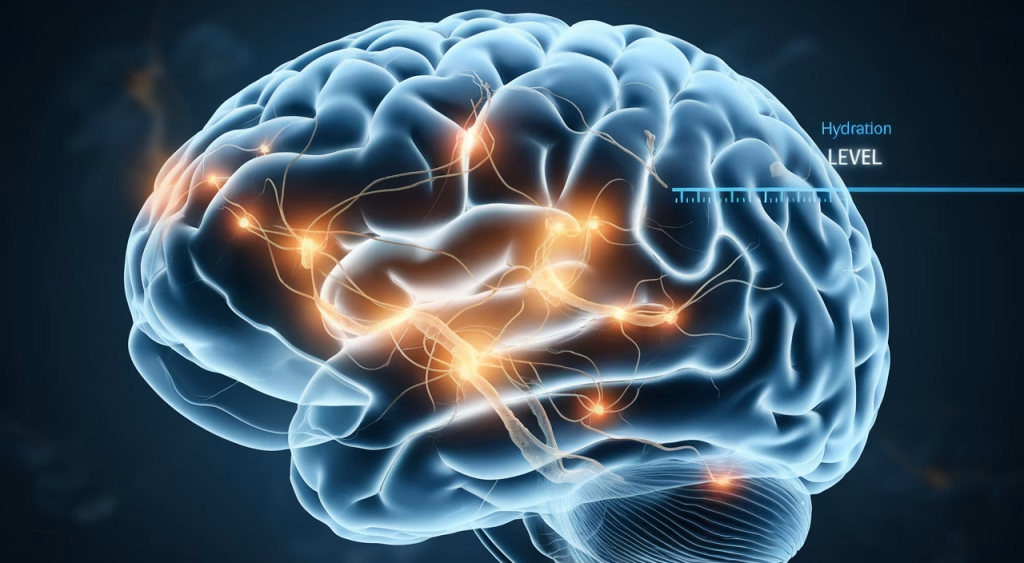
How Does Breathing Influence the Central Nervous System?
Your breathing directly modulates brain activity, shaping cognitive and motor functions through its powerful effects on neural networks. The act of respiration can not only calm your mind but also enhance focus, energy, and physical coordination—linking your lungs and brain in a beautifully synchronized dance that you can control.
- ✅ Breathing influences the central nervous system through direct impacts on brain structures like the limbic system and cortex.
- ✅ Conscious respiration improves cognitive functions like attention, memory, and decision-making.
- ✅ Specific breathing techniques for central nervous system health like diaphragmatic and box breathing support motor function and brain regulation.
- ✅ Breathwork is emerging as a complementary tool in neurological and psychiatric treatment plans.
- ✅ Clinical cases and neuroscience research support these physiological effects.
The Influence of Breathing on the Central Nervous System
1. Understanding the Connection Between Breath and Brain
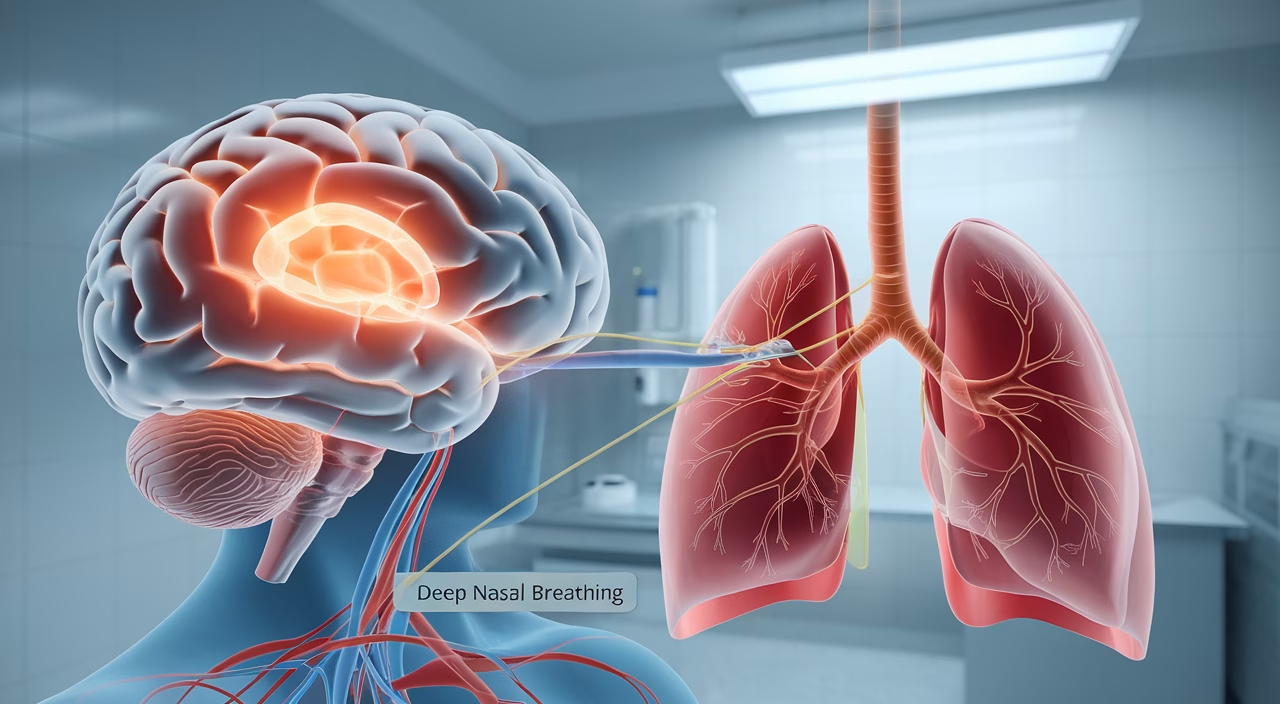
Few things are as automatic—and as powerful—as your breathing. Each inhale and exhale sends ripples through your central nervous system (CNS), influencing brain regulation, emotional processing, and movement coordination in ways that can transform your daily experience.
Your respiratory rhythm acts like the metronome of your nervous system. Research has shown that nasal inhalation modulates oscillatory brain activity in regions responsible for higher-order functions. These include the limbic system—a center for emotion and memory—and the cortex, which hosts complex executive functions like reasoning and planning.
In essence, breathing influences the central nervous system beyond just oxygen exchange—it’s about neural tuning. Let’s examine how this rhythm interfaces with key areas of your brain performance.
1.1 The Role of Respiration in Cognitive Function
What happens when you consciously slow your breathing? What you feel as relaxation is tied directly to changes in cognitive functions and related neural oscillations. Studies show that the impact of respiration on cognitive functions through slow, deliberate breathing can:
- Enhance gamma wave synchronization, improving your focus and attention
- Activate your prefrontal cortex, supporting decision-making and memory recall
- Reduce reactivity in your amygdala, a key structure in emotional regulation
These effects explain why controlled breathing often accompanies disciplines requiring intense focus, like surgery or high-performance athletics. A quiet breath promotes a quiet mind ready for action.
1.2 Impact on Motor Functions and Movement
Beyond cognition, there’s a cortical motor functions and breathing connection that’s often overlooked. When your breathing becomes erratic—during anxiety, for example—your movements lose precision. Conversely, when breathing is deliberately regulated, your motor output stabilizes.
Neuroimaging has revealed that breath-focused practices modulate activity in your motor cortex and cerebellum. Skilled tasks—like playing a musical instrument or performing fine needlework—benefit from synchronized breath rhythms that optimize timing and coordination.
2. Breathing Techniques to Enhance CNS Health
2.1 Diaphragmatic Breathing
Diaphragmatic or “belly” breathing encourages engagement of your vagus nerve, which plays a crucial role in parasympathetic regulation. When your diaphragm contracts fully, your brain interprets this as a “safe” signal, promoting calm and improving neuroplastic conditions for learning and memory.
Technique:
- Sit or lie comfortably
- Place one hand on your chest and one on your abdomen
- Inhale through your nose slowly so the lower hand moves, not the upper
- Exhale gently through pursed lips
- Repeat for 5–10 minutes
Regular practice has been linked with better mood, sharper cognition, and reduction in sympathetic overactivation—making this one of the most effective breathing techniques for central nervous system health.
2.2 Box Breathing Method
Box Breathing is a powerful method used by elite professionals—including soldiers and surgeons—to prime the brain for performance under pressure. It reduces amygdala hyperactivation and resets your autonomic nervous system.
Technique:
- Inhale for 4 seconds
- Hold for 4 seconds
- Exhale for 4 seconds
- Hold again for 4 seconds
- Repeat 4–6 cycles
This pacing trains your brain to handle stress while staying cognitively sharp. It’s also used in therapy for anxiety, PTSD, and emotional dysregulation, demonstrating how breathing influences the central nervous system in therapeutic settings.
3. Practical Applications in Neurology and Psychiatry
3.1 Case Studies and Research Findings
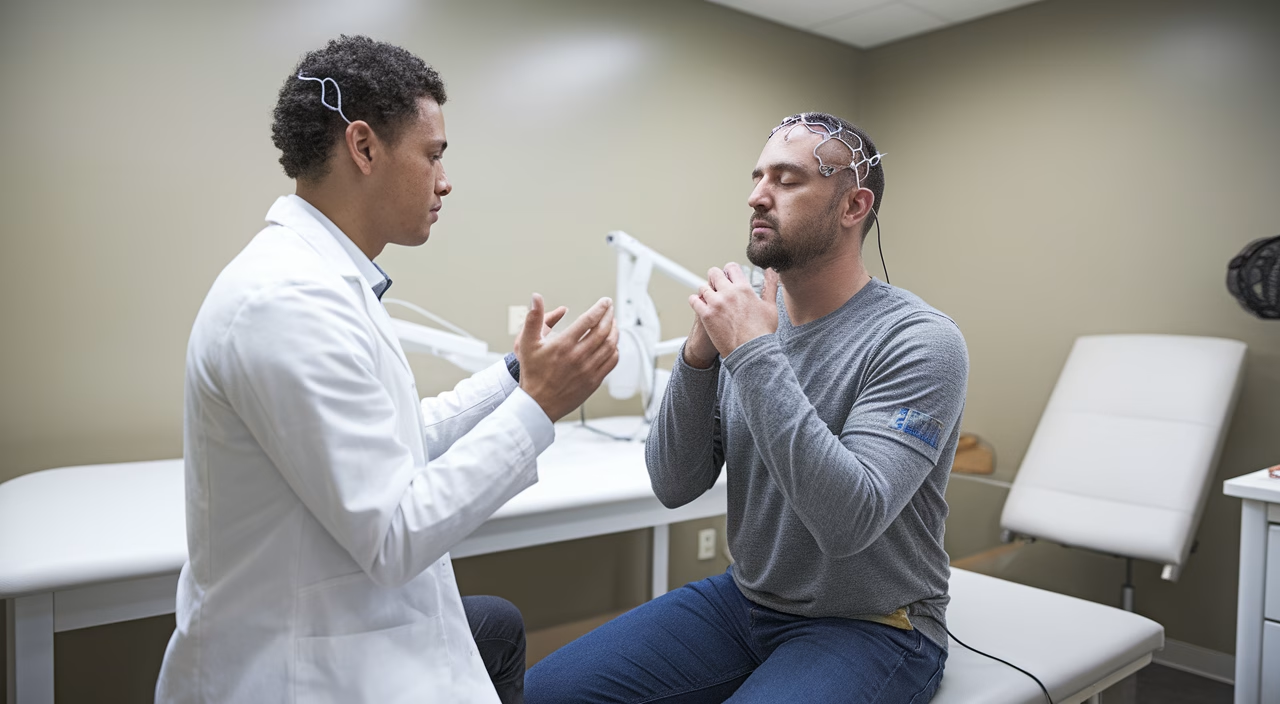
Across neurology and psychiatry, breathing-based interventions are gaining legitimacy for their measurable neurochemical and electrical outcomes that showcase how breathing influences the central nervous system.
In one clinical trial, patients with mild cognitive impairment practiced diaphragmatic breathing for 8 weeks. Results showed statistically significant growth in memory recall scores and decreased cortisol levels—indicating reduced stress and better hippocampal health through targeted impact of respiration on cognitive functions.
A neuropsychiatric study among adolescents with anxiety disorders found that implementing box breathing in therapy reduced generalized anxiety symptoms by 34%. EEG studies revealed better theta coherence in frontal lobes—suggesting improved emotional integration through the limbic system.
3.2 Integrating Breathwork into Treatment Plans
In practice, breathwork can be a simple but impactful addition to existing CNS treatment protocols. In sessions, we often recommend daily practice in tandem with cognitive-behavioral work or motor rehabilitation to maximize the cortical motor functions and breathing connection.
Key considerations:
- Add breathing logs to monitor compliance and track how breathing influences the central nervous system over time
- Use biofeedback tools like HRV monitoring for motivation
- Tailor techniques—diaphragmatic breathing works well for cognition; box breathing helps with motor control and stress
Think of this as giving you a tool that travels with you 24/7—immediately available to self-regulate, reinforce neuroplasticity, and regain control during dysregulation episodes.
Cost Guide: Training for Breathing Techniques
| Service Type | Price Range (USD) |
|---|---|
| Private Breathwork Sessions | $80 – $200 per session |
| Breathing Certification Courses | $300 – $1500 full course |
| Neurotherapy Integration (with breath training) | $100 – $300/visit |
Final Thoughts: Respiration as a Neurological Ally
Breathing influences the central nervous system in ways that extend far beyond survival—it’s neurological leverage at your fingertips. By tuning into this foundational rhythm, you access high-level functions of your central nervous system. It’s where ancient practices meet modern neurobiology.
Whether you’re supporting a patient through recovery or seeking peak mental performance, never underestimate the brain-changing potential of understanding how breathing influences the central nervous system through a single conscious breath.
Frequently Asked Questions
What breathing techniques improve CNS health?
Diaphragmatic and box breathing are two scientific techniques proven to support CNS function by engaging vagal pathways and promoting cortical stability.
Can breathwork improve memory or attention?
Yes, research demonstrates that controlled respiration enhances prefrontal cortex activity, improving executive functions like attention, recall, and mental clarity.
How does respiration affect motor functions?
Respiration impacts motor cortex excitability and coordination by promoting rhythmic synchronization, especially during tasks requiring precision and balance.
Is breathwork useful in neurological disorders?
In clinical practice, breathwork complements neurorehabilitation, offering symptom reduction in anxiety, cognitive decline, and movement disorders.
Should breathwork be used alone or with therapy?
It’s most effective when integrated with other therapies. Breathwork enhances the effects of CBT, PT, and neuromodulation interventions.
How often should patients practice breathing techniques?
For measurable benefits, we recommend 5–10 minutes of conscious breathing twice daily, adjusted per clinical condition.
Is nasal breathing better than mouth breathing?
Yes, nasal breathing stimulates olfactory-neural pathways and better engages limbic-cortical systems associated with cognition and emotion.