Why Are My Feet Always Cold—and What Can I Do About It?
If you’re constantly slipping on socks or burrowing your feet under blankets, you may be wondering what’s behind your chilly toes—and how to find effective cold feet treatment. Cold feet aren’t just a minor nuisance; they can signal something more serious happening inside your body, such as poor circulation or underlying medical conditions. The good news is that understanding the root cold feet causes leads to actionable treatments—from simple home remedies to targeted medical care that actually works.
TL;DR: What You Need to Know About Cold Feet
- Common cold feet causes: Poor circulation, nerve disorders, and thyroid dysfunction are frequent culprits behind persistently cold feet.
- Symptoms to watch: Redness, bluish tint, or persistent coldness in your toes may indicate underlying circulation issues.
- Lifestyle fixes: Staying active, warming routines, and proper footwear often help improve circulation naturally and provide lasting relief.
- Medical options: Professional cold feet treatment may be necessary if the issue involves your nervous or vascular system.
- Natural solutions: Include foot soaks, massage, and circulation-boosting foods in your improve circulation home remedies routine.
Understanding the Root Causes of Cold Feet
Poor Blood Flow: The Primary Culprit Behind Cold Feet
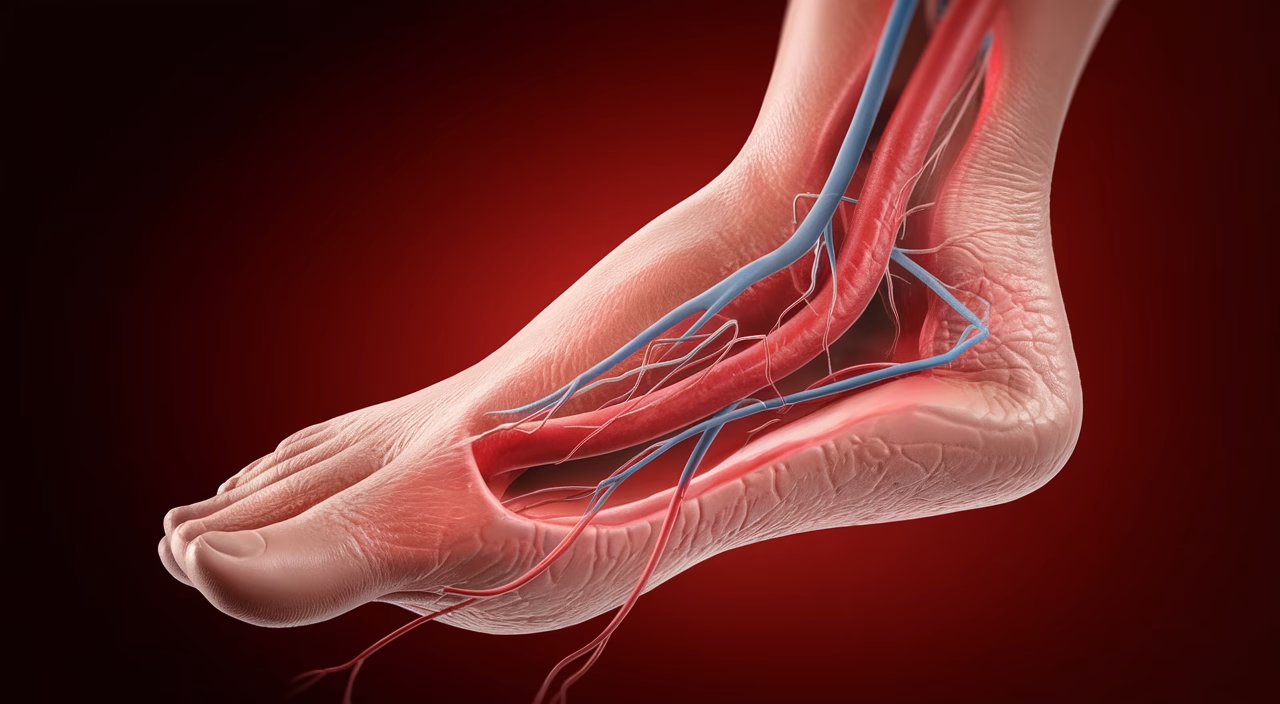
Think of your circulatory system like a highway network. When it’s running smoothly, warm, oxygen-rich blood flows efficiently to your extremities. But when there’s a circulation bottleneck—often due to poor blood flow in legs—your feet become the first casualties, feeling like they’re stuck in an icy traffic jam. Poor circulation frequently stems from cardiovascular issues, sedentary lifestyle habits, smoking, or prolonged sitting that restricts blood flow.
Since your feet are the farthest point from your heart, they’re most vulnerable to circulation problems and temperature drops. Conditions like peripheral artery disease (PAD) directly impact your veins and arteries, making it significantly harder for warm blood to reach your toes. This reduced circulation doesn’t just cause cold feet symptoms—it may also make your feet appear pale, bluish, or feel numb to the touch.
Medical Conditions That Cause Persistent Cold Feet
Sometimes, cold feet serve as your body’s early warning system, signaling deeper health issues that need attention.
- Hypothyroidism: When your thyroid gland underperforms, your entire metabolism slows down. This reduced energy production means less internal heat generation, particularly affecting your extremities like feet and hands.
- Peripheral neuropathy: Nerve damage from diabetes, vitamin deficiencies, or autoimmune conditions disrupts how your body processes temperature signals, causing chronic cold, burning, or tingling sensations in your feet.
- Raynaud’s disease: This condition triggers blood vessel spasms in your fingers and toes, dramatically reducing blood flow and causing sudden episodes of coldness, numbness, or dramatic color changes.
If you suspect an underlying condition, don’t delay seeking medical evaluation. Identifying which medical conditions cold feet are connected to can be the key to finding effective, targeted treatment that addresses the root cause rather than just the symptoms.
Recognizing Cold Feet Symptoms That Need Attention
When Cold Feet Signal Poor Circulation
Occasional chilly toes during winter? Completely normal. But if you constantly feel like you’ve walked barefoot through snow—even indoors—it’s time to investigate further for underlying circulation issues.
Persistent cold sensation in your feet, especially in warm environments, often indicates poor circulation in legs that needs addressing. You might also experience numbness, tingling, or that uncomfortable ‘pins and needles’ sensation that lingers. These symptoms frequently accompany circulatory disorders or nerve-related conditions and shouldn’t be dismissed as just a minor inconvenience.
Color Changes That Indicate Circulation Problems
Healthy feet maintain a consistent pink tone thanks to steady blood flow delivering oxygen-rich blood. When circulation becomes compromised, you’ll notice your feet shifting to concerning colors—white, blue, or purplish hues that reflect how well your blood vessels are responding to temperature changes and oxygen demands.
These color variations, especially when accompanied by pain, numbness, or temperature sensitivity, often result from conditions like Raynaud’s disease or peripheral artery disease. While home remedies might provide temporary relief, proper medical diagnosis ensures you get the right cold feet treatment for your specific situation.
Effective Treatment Options for Cold Feet Relief
Lifestyle Changes That Improve Circulation Naturally
This is where prevention meets practical action. When poor circulation causes your cold feet, daily lifestyle choices become powerful tools for improvement. Here’s how you can improve circulation naturally and maintain consistently warmer, more comfortable feet:
- Stay consistently active: Regular walking, stretching, or foot-specific exercises significantly boost blood flow to your lower extremities and improve overall circulation.
- Choose proper footwear: Wear warm, breathable socks without tight elastic bands that can restrict blood flow to your feet throughout the day.
- Maintain proper hydration: Well-hydrated blood flows more efficiently through your circulatory system—think of it like keeping your body’s highway system well-maintained.
- Mind your posture: Avoid prolonged sitting or leg-crossing that can compress blood vessels and limit circulation to your feet.
Medical Interventions and Professional Treatment
When lifestyle modifications don’t provide adequate relief for your cold feet, professional medical evaluation becomes essential. Depending on your specific symptoms and medical history, your healthcare provider might recommend comprehensive testing to identify the underlying cause.
- Comprehensive blood work: Can reveal thyroid imbalances, diabetes markers, or vitamin deficiencies contributing to your cold feet.
- Vascular function tests: Doppler ultrasounds and other assessments reveal exactly how well blood flows through your leg arteries and veins.
- Neurological evaluations: Essential when tingling, burning, or numbness accompanies your cold feet symptoms.
Professional cold feet treatment might include prescription medications to improve blood vessel function, specialized topical treatments to enhance local circulation, or comprehensive management of underlying chronic conditions affecting your circulation.
Proven Home Remedies for Cold Feet Relief

Natural approaches can provide significant relief when you’re looking for gentle, effective solutions. Try these time-tested improve circulation home remedies to help warm your feet naturally and improve long-term comfort:
- Therapeutic foot soaks: Soak your feet in comfortably warm—never hot—water for 10–15 minutes daily to stimulate blood flow and provide immediate warming relief.
- Circulation-boosting massage: Use warming oils like olive or coconut oil with gentle circular motions to improve surface circulation and promote blood flow.
- Cayenne pepper applications: The natural capsaicin in cayenne pepper can activate circulation and generate warming sensations (always test on unbroken skin first).
- Circulation-supporting nutrition: Include omega-3 rich foods, garlic, ginger, and other anti-inflammatory ingredients that naturally support healthy blood vessel function.
Cost Guide: What Cold Feet Treatments Might Cost
| Treatment Type | Price Range |
|---|---|
| Warm Foot Soaks (DIY) | $5–$20 (home supplies) |
| Compression Socks | $10–$40 |
| Podiatrist Visit | $100–$250 per consult |
| Doppler Ultrasound | $150–$400 |
| Nerve Conduction Test | $250–$600 |
Frequently Asked Questions
Why are my feet cold even in warm weather?
Persistent cold feet in warm temperatures typically signal poor circulation or nerve dysfunction. Conditions like hypothyroidism, peripheral artery disease, or Raynaud’s disease may be underlying causes that need medical evaluation.
Can anxiety cause cold feet?
Yes, anxiety and stress trigger your body’s fight-or-flight response, redirecting blood flow from your extremities to vital organs. This circulation shift can definitely make your feet feel cold during stressful periods.
What vitamins help with cold feet?
Vitamins B12, E, and iron are crucial for nerve health and proper blood circulation. Deficiencies in these nutrients can contribute to cold feet symptoms and poor circulation issues.
Are cold feet a sign of diabetes?
Cold feet can be an early warning sign of diabetic complications. High blood sugar levels can cause nerve damage (peripheral neuropathy) that often presents as cold, tingling, or numb sensations in your feet.
How can I warm up my feet quickly?
For immediate relief, try warm foot baths, gentle foot massage, wearing wool socks, or elevating your legs to encourage better blood flow. Movement and light exercise can also help quickly improve circulation.
Is it safe to use heating pads on cold feet?
Heating pads can be safe when used on low heat for short periods. However, avoid them if you have nerve damage or diabetes, as reduced sensation means you might not feel dangerous overheating.
When should I see a doctor for cold feet?
Seek medical attention if you experience persistent cold feet with pain, dramatic color changes, numbness, or if cold feet interfere with your daily activities. These symptoms may indicate serious circulation or nerve issues.