What are the most effective natural remedies for orthostatic hypotension?
Managing orthostatic hypotension naturally involves proven strategies that strengthen your body’s blood pressure regulation. The most effective natural remedies for orthostatic hypotension include proper hydration techniques, gradual position changes, targeted exercises, compression garments, and carefully monitored salt intake. These approaches can significantly reduce dizziness when standing up and help you regain confidence in your daily movements.
- 📌 Natural Focus: This article focuses on natural methods — no prescriptions, just practical strategies.
- 🚶♂️ Real Relief: We cover easy lifestyle changes, diet strategies, and physical tips to reduce dizziness.
- 📚 Backed by Experts: Written from a neurologist’s/cardiologist’s view, this guide covers what works in real life.
- 💧 Personal Practicality: If you’ve ever stood up and felt lightheaded or felt your vision go gray for a moment — this article is for you.
Understanding Orthostatic Hypotension
Orthostatic hypotension is a form of low blood pressure that happens when you stand up from a seated or lying position. “Orthostatic” relates to posture — so it’s often called postural hypotension, and it affects millions of people worldwide, especially older adults.
When you stand, gravity causes blood to pool in your legs. Normally, your autonomic nervous system quickly compensates by constricting blood vessels and increasing heart rate to maintain steady blood flow to your brain. However, when this regulatory system fails to respond adequately, you experience the telltale symptoms of postural hypotension causes.
This drop in blood pressure can result in symptoms ranging from mild dizziness when standing to complete fainting episodes. Managing orthostatic hypotension at home becomes crucial for maintaining independence and preventing dangerous falls.
Common Symptoms and Causes
Dizziness and Lightheadedness
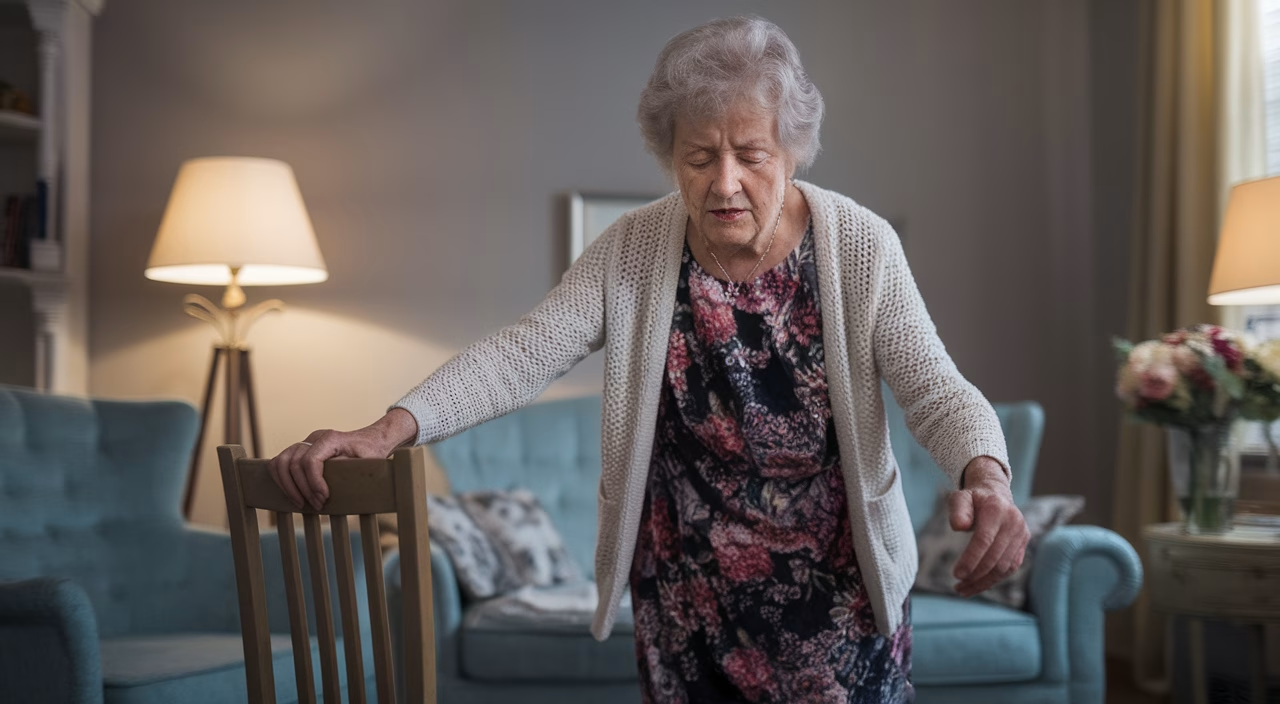
The hallmark sign of orthostatic hypotension is feeling dizzy, lightheaded, or unsteady when transitioning from lying or sitting to standing. You might experience tunnel vision, feel like the room is spinning, or notice your legs becoming weak and shaky.
Key symptoms include:
- Dizziness when standing up from chairs or beds
- Blurry or tunnel vision upon position changes
- Weakness, fatigue, or sudden nausea
- Fainting or near-fainting episodes
Risk Factors and Triggers
Understanding postural hypotension causes helps you identify your personal triggers and develop targeted strategies. Multiple factors often work together to create the perfect storm for symptoms:
| Cause | Description |
|---|---|
| Dehydration | Reduced blood volume leads to insufficient pressure when standing |
| Medication Side Effects | Blood pressure medications, diuretics, and antidepressants commonly trigger episodes |
| Neurological Disorders | Parkinson’s disease and diabetes affect autonomic nervous system function |
| Age-Related Changes | Natural aging reduces the efficiency of blood pressure regulation mechanisms |
Often, it’s not one single factor but a combination: medications, dehydration, and age-related changes all working together to compromise your blood pressure stability.
Diagnosis and Treatment Options
Medical Tests and Examinations
Healthcare providers diagnose orthostatic hypotension by measuring your blood pressure while lying down, then again after standing for one and three minutes. A drop of 20 mmHg or more in systolic pressure (or 10 mmHg in diastolic pressure) confirms the diagnosis.
Your doctor may recommend additional tests like tilt-table testing, blood work to check for underlying conditions, or heart monitoring to rule out cardiac causes of your symptoms.
Medications and Therapies
While this article focuses on natural remedies for orthostatic hypotension, it’s important to understand conventional treatments:
- Fludrocortisone to help your body retain salt and fluid
- Midodrine to constrict blood vessels and raise blood pressure
- Compression stockings to prevent blood pooling in legs
However, many people prefer managing orthostatic hypotension at home through natural approaches, especially when symptoms are mild to moderate. These lifestyle-based strategies often provide excellent results without medication side effects.
Lifestyle Changes for Managing Orthostatic Hypotension
Diet and Hydration Tips
Proper hydration forms the foundation of managing orthostatic hypotension naturally. When you’re well-hydrated, your blood volume increases, making it easier for your cardiovascular system to maintain adequate pressure when you stand.
- Drink consistently throughout the day: Aim for 8-10 glasses of water, spacing them evenly rather than drinking large amounts at once.
- Strategic salt intake: With your doctor’s approval, slightly increasing sodium can help your body retain fluid and maintain blood pressure.
- Eat smaller, more frequent meals: Large meals divert blood flow to your digestive system, potentially worsening symptoms.
- Consider electrolyte-rich beverages: Natural options like coconut water can support hydration better than plain water alone.
Exercise and Physical Activity Recommendations
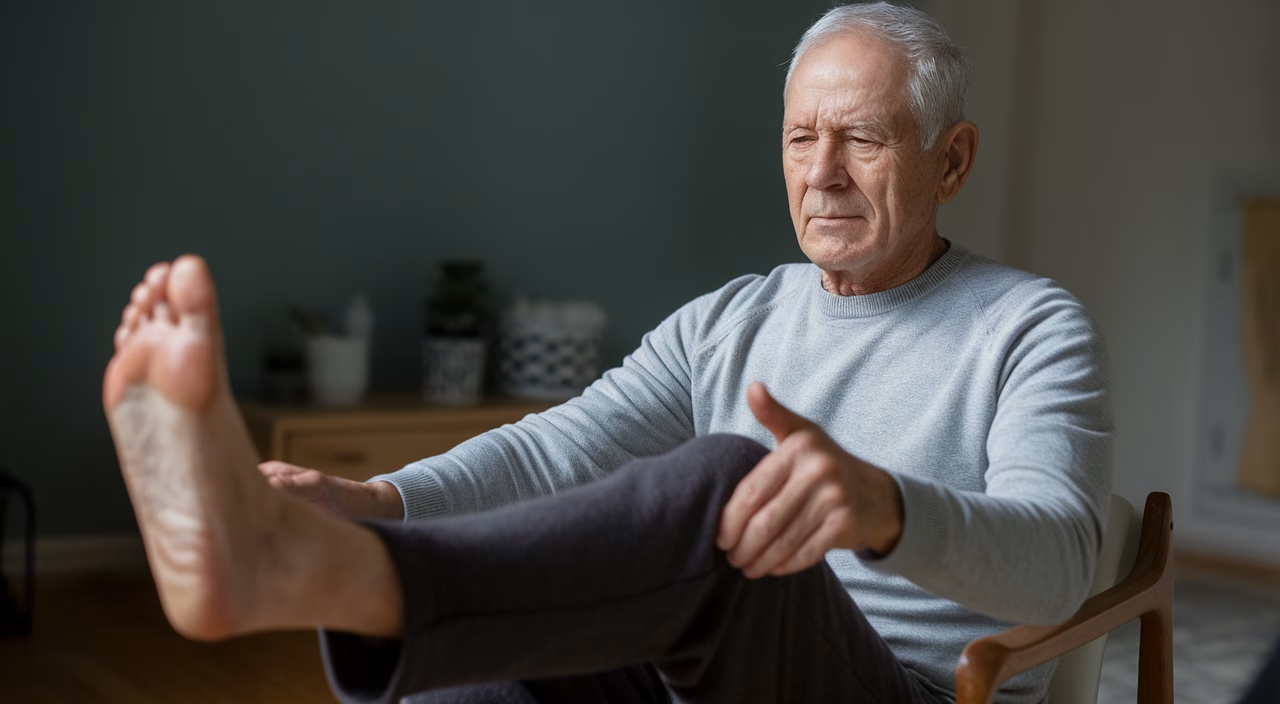
Targeted exercises for orthostatic hypotension symptoms can retrain your circulatory system and strengthen the muscle pumps that help return blood to your heart. These movements are particularly effective when done consistently.
Effective exercises include:
- Calf muscle activation: Point and flex your feet while seated, or do calf raises before standing
- Leg crossing technique: Cross your legs and tense your muscles for 30 seconds before standing up
- Gradual position changes: Sit up slowly, pause for 30 seconds, then stand while holding onto something stable
- Water exercises: Swimming or water walking provides gentle resistance while supporting circulation
Pro tip: The key to success with exercises for orthostatic hypotension symptoms is consistency. Even 5-10 minutes of daily movement can significantly improve your symptoms over time.
Support and Resources for Individuals with Orthostatic Hypotension
Managing orthostatic hypotension at home becomes easier when you have the right support system and resources. Building a network of understanding and practical help makes a significant difference in your daily confidence and safety.
- Connect with others: Join online support groups or local community centers where you can share experiences and tips
- Track your patterns: Keep a symptom diary noting triggers, weather, medications, and successful strategies
- Educate your family: Help loved ones understand your condition so they can provide appropriate support
- Work with specialists: Cardiologists or neurologists with autonomic disorder expertise can fine-tune your management plan
Remember, you’re not alone in dealing with tips for dealing with dizziness when standing up. Many people successfully manage their symptoms and maintain active, fulfilling lives with the right combination of natural strategies and support.
Final Thought
Managing orthostatic hypotension naturally is absolutely achievable with the right combination of hydration, movement, and lifestyle adjustments. These natural remedies for orthostatic hypotension work best when you apply them consistently and patiently. Your body needs time to adapt and strengthen its regulatory systems, but with persistence, you can significantly reduce dizziness when standing up and regain confidence in your daily activities.
Frequently Asked Questions
- What triggers orthostatic hypotension most often?
- Common triggers include dehydration, certain medications (especially those for blood pressure), heat exposure, and long periods of inactivity.
- Is orthostatic hypotension dangerous?
- While mild cases may only cause occasional dizziness, severe or unmanaged cases can lead to fainting and falls — particularly dangerous for older adults.
- Can I treat orthostatic hypotension without medication?
- Yes, many cases improve with lifestyle changes, hydration, added salt (under supervision), and physical activity without the need for pharmaceuticals.
- Should I increase my salt intake?
- Possibly. Under a physician’s guidance, increasing sodium can help some people by expanding blood volume. Never adjust your salt without medical clearance.
- Are there specific shoes or garments that help?
- Yes. Compression stockings or abdominal binders can help compress veins and support circulation, reducing blood pooling in the legs.
- How is this different from typical low blood pressure?
- Orthostatic hypotension is specifically a positional drop in blood pressure — triggered by standing — while chronic hypotension may occur regardless of position.