
Can Tight Hips Really Cause Low Back Pain?
Yes—tight hips and low back pain often go hand in hand. When your hip joints lose flexibility and mobility, the surrounding structures, including your pelvis and spine, start compensating. This leads to excessive strain in the lower back, commonly seen in people with anterior pelvic tilt or a deep lower back arch. Left uncorrected, it can evolve into chronic discomfort that interferes with both workouts and everyday movement.
TL;DR: Here’s What You Should Know
- Tight hips and low back pain are directly connected—restricted hip mobility forces your spine to compensate.
- Anterior pelvic tilt and rotated pelvis often result from prolonged sitting and underactive glutes and core muscles.
- The best exercises for tight hips and lower back pain combine hip mobility and core strength to significantly reduce or eliminate discomfort.
- Targeted hip flexibility exercises and effective hip stretches for back pain relief can correct alignment issues at home.
- Real-world success: clients often report noticeable back pain relief within weeks of starting a regular stretching + strengthening routine.
Understanding the Connection Between Tight Hips and Low Back Pain
What Causes Tight Hips?
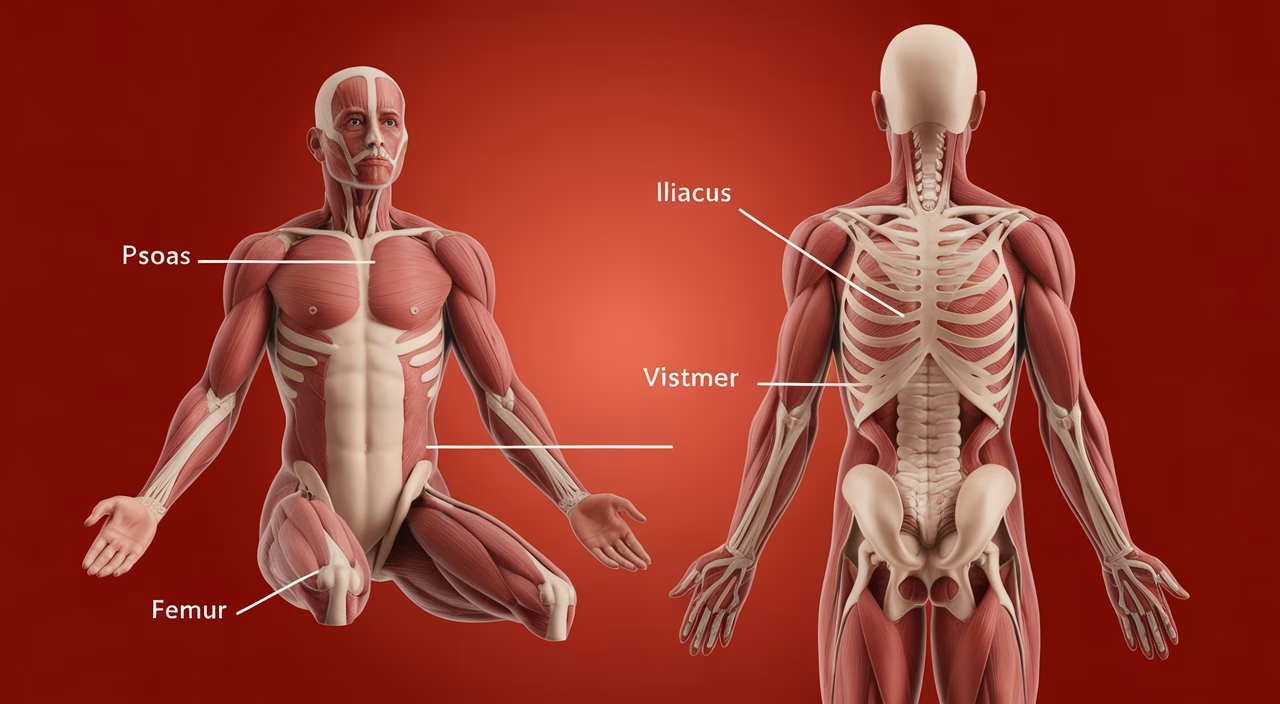
When we talk about tight hips and low back pain, we’re dealing with more than just stiffness—you’re looking at a cascade of compensation patterns. Sitting for long hours shortens the hip flexors, particularly the psoas muscle, which connects your lumbar spine to your femur. This tightness limits hip extension, forcing the lower back to compensate during walking, standing, or exercising.
Here are the most common culprits behind your discomfort:
- Prolonged sitting (desks, driving, commuting)
- Excessive quad or hip flexor activity without balancing posterior chain strength
- Lack of proper hip flexibility exercises post-workout
- Imbalances in glute, hamstring, or core strength
If these sound familiar, you’re not just dealing with stiffness—you might be setting the stage for chronic lower back pain.
Effects of Tight Hips on the Lower Back
Think of your pelvis as the body’s central axis. When your hips are restricted in motion, the pelvis tilts forward, tugging the lumbar spine into an exaggerated arch. This lower back arch increases pressure on the vertebrae, potentially aggravating discs, nerves, or surrounding soft tissue. The result? Chronic, aching pain in the lower spine or even radiating discomfort into the glutes and thighs.
In my physical therapy practice, I consistently see how tight hips and low back pain feed off each other—but here’s the good news: clients’ pain drastically improves after just a few weeks of structured hip mobility work combined with the best exercises for tight hips and lower back pain.
How Anterior Pelvic Tilt Impacts the Body
In an anterior pelvic tilt (APT), the front of the pelvis drops and back of the pelvis rises. This alignment increases lumbar lordosis (curved lower back), resulting in inefficient movement patterns and muscle imbalances that perpetuate tight hips and low back pain.
| Impact of APT | Possible Symptoms |
|---|---|
| Forward-tilting pelvis | Pelvic instability, low back pain |
| Shortened hip flexors | Inhibited glute function |
| Overactive lower back muscles | Chronic tension and fatigue |
Fortunately, with the right mix of hip flexibility exercises and core strength training, APT is absolutely fixable—and you can start today.
Effective Hip Stretches for Back Pain Relief
Top Stretches to Improve Hip Mobility
Below are the most effective hip stretches for back pain relief that I consistently prescribe to my clients. These hip flexibility exercises are ideal if you’re feeling stiff, sore, or stuck in chronic pain patterns.
- Pigeon Stretch: Opens outer hip and glute area, directly addressing tight hips and low back pain
- 90/90 Hip Stretch: Targets both internal and external hip rotators for comprehensive mobility
- Kneeling Hip Flexor Stretch: Perfect for releasing the psoas and counteracting sitting postures
- Figure Four Stretch (on back): Easy and adaptable for most flexibility levels
Hold each stretch for 30–60 seconds, repeating 2–3 times per leg. Breathe deeply—your nervous system needs to feel safe to allow muscular release and break the tight hips and low back pain cycle.
Strengthening Exercises for the Hips and Core
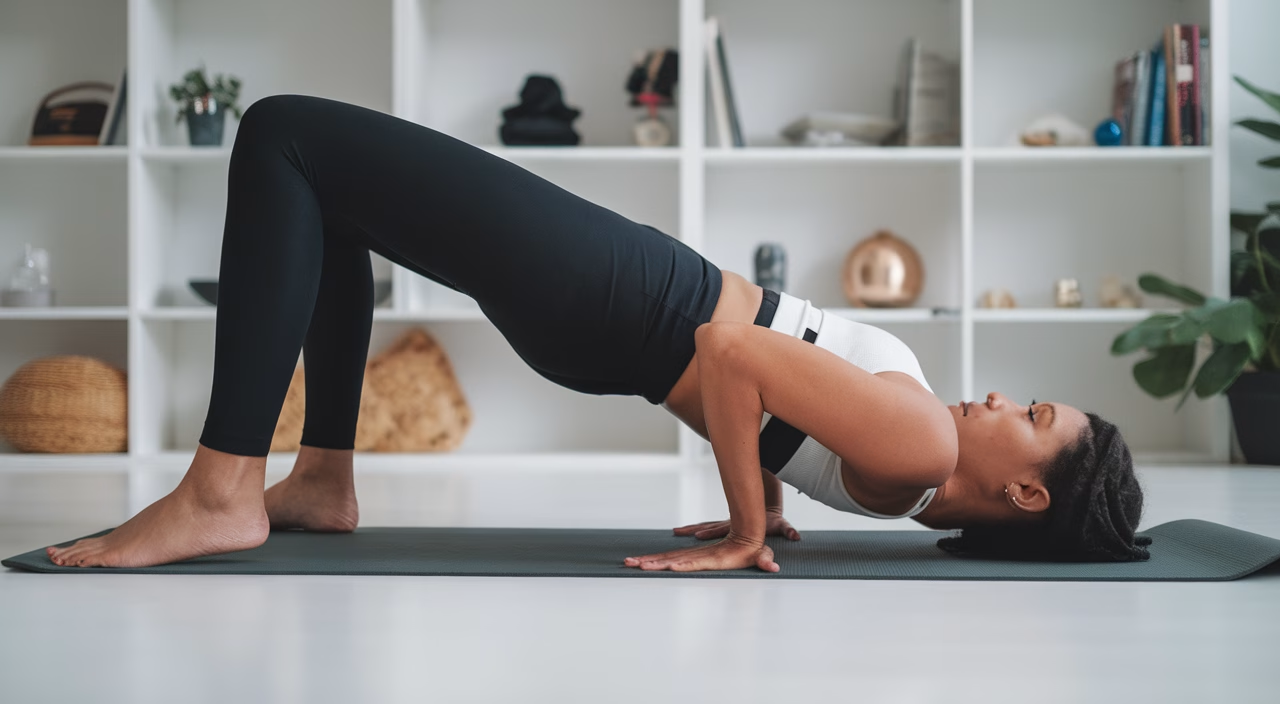
Here’s what most people miss: stretching without strengthening is like opening a locked door but never fixing the hinge. These strengthening moves represent the best exercises for tight hips and lower back pain because they address the root cause—weakness and imbalance.
- Glute Bridges: Re-activate sleepy glutes to counter anterior pelvic tilt and support back pain relief
- Bird Dogs: Train stable, coordinated trunk and spine control
- Side-Lying Leg Raises: Target weak lateral glutes for pelvis stabilization
- Deadbugs: Build core engagement without overusing the hip flexors
Cost Guide: Physical Therapy or At-Home Programming?
| Solution | Low-End Cost | Mid-Range | High-End |
|---|---|---|---|
| At-home Videos/Apps | $0 | $20–$50 | $100/yr |
| Online Coaching | $30/mo | $60–$120 | $200+ |
| In-Clinic Physical Therapy | $75/session | $100 | $200+ |
If you’re just starting out, simple at-home hip flexibility exercises and hip strengthening workouts can make a big difference before jumping into formal therapy.
How to Prevent Anterior Pelvic Tilt with Hip Exercises
You don’t need perfect posture—but you do need awareness and action. To prevent anterior pelvic tilt with hip exercises, I recommend incorporating these 3 essential elements into your weekly routine:
- Mobility: Daily effective hip stretches for back pain relief, focusing on both hip flexors and rotators
- Activation: Warm up before activity with light glute and core-focused drills
- Strength: Include squats, lunges, and plank variations that encourage neutral pelvis positioning
Here’s what consistently happens with my clients: after just 2–3 weeks of practicing the best exercises for tight hips and lower back pain, people feel taller, more stable, and are genuinely surprised at how quickly their back pain begins to fade.
Remember, preventing anterior pelvic tilt with hip exercises isn’t about being rigid—it’s about restoring natural balance and flow in your body.
Conclusion
The connection between tight hips and low back pain doesn’t have to control your life. By understanding how your muscles, joints, and posture work together—and committing to a few key hip flexibility exercises—you can reclaim your comfort and mobility.
The most effective approach combines mobility work with strength and alignment awareness. Whether you’re dealing with an anterior pelvic tilt, a pronounced lower back arch, or you just feel achy after long days, addressing your hips with the best exercises for tight hips and lower back pain may be exactly what you’ve been missing.
Start today. One effective hip stretch for back pain relief at a time. One strengthening move at a time. Your back will thank you.
Frequently Asked Questions
What are the best exercises for tight hips and lower back pain?
The most effective exercises include glute bridges, hip flexor stretches, the 90/90 stretch, and bird dogs. These movements reduce tightness while building strength in surrounding areas, addressing both tight hips and low back pain simultaneously.
How long before I feel relief from hip and back exercises?
Most people begin noticing improvement within 1–2 weeks with daily practice of effective hip stretches for back pain relief. Full resolution may take 4–6 weeks of consistent work combining mobility and strength.
Can tight hips cause lower back pain when sitting?
Absolutely. Tight hip flexors from prolonged sitting create anterior pelvic tilt, misaligning your pelvis and increasing low back strain, especially in seated postures. This is one of the most common causes of tight hips and low back pain.
What is pelvis rotation and how does it affect posture?
Pelvis rotation refers to the uneven tilt or twist of the pelvis due to muscle imbalances. It often leads to functional leg length discrepancy, asymmetric joint wear, and contributes to tight hips and low back pain patterns.
How can I prevent anterior pelvic tilt long-term?
To prevent anterior pelvic tilt with hip exercises, combine regular stretching (hip flexors, quads) with strengthening (glutes, core). Avoid prolonged sitting without breaks and practice proper posture awareness throughout your day.
Are there any red flags I should look for?
If you experience numbness, tingling, or sharp pain that doesn’t improve with movement or gets worse, consult a healthcare professional immediately. These symptoms may indicate nerve involvement beyond typical tight hips and low back pain.
What if stretching makes my pain worse?
Back off and start with smaller ranges of motion. Pain during hip flexibility exercises may indicate inflammation or nerve involvement. A physical therapist can help tailor the best exercises for tight hips and lower back pain safely for your specific situation.