What are the best foods to heal your heart naturally?
Your heart beats over 100,000 times a day — and every beat relies on the fuel you provide through the food you eat. The best heart-healthy foods for natural healing include fatty fish, berries, leafy greens, nuts, whole grains, legumes, and heart-smart oils. These foods for heart health work synergistically to reduce cholesterol, lower blood pressure, and reduce inflammation, all while nourishing your cardiovascular system from the inside out.
- Fatty fish: High in omega-3s that reduce blood fat and inflammation.
- Berries: Rich in antioxidants that protect blood vessels and lower blood pressure.
- Leafy greens: Packed with nitrates, folate, and potassium for optimal blood flow.
- Nuts and seeds: Deliver healthy fats, fiber, and heart-regulating nutrients.
- Whole grains: Provide soluble fiber to reduce cholesterol and manage blood sugar.
- Olive oil: A key anti-inflammatory fat that supports circulation and lowers LDL.
The Science-Backed Power of Fatty Fish
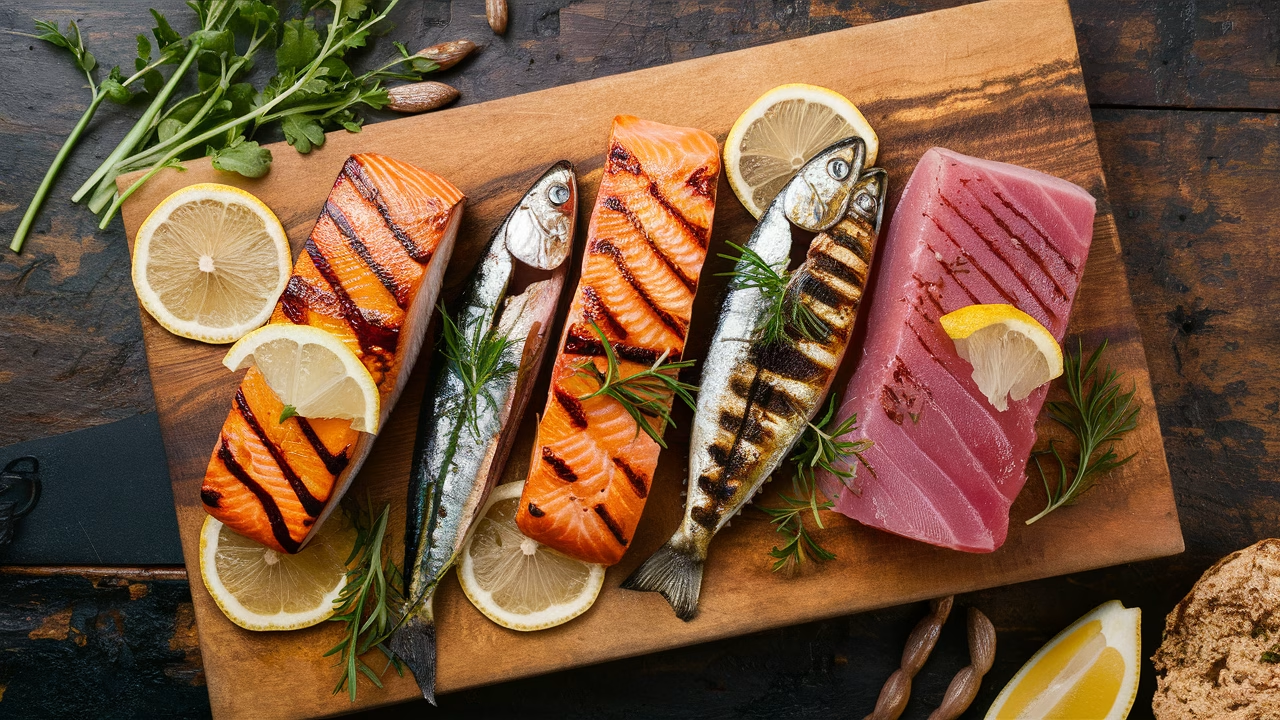
Let’s talk about fatty fish — nature’s prescription for a stronger cardiovascular system. Salmon, mackerel, tuna, and sardines are all loaded with omega-3 fatty acids (EPA and DHA), which decrease inflammation, lower triglycerides, and reduce the risk of blood clots. These fatty acids also stabilize heart rhythm and protect blood vessel flexibility.
In practice, you’ll feel this difference over time. Consuming fish twice per week provides enough omega-3s to support your body’s efforts to keep arteries clear and blood pressure stable. Grilled salmon, fish tacos, or a tuna salad can all be part of your weekly routine without much effort.
How to Beat Afternoon Fatigue: 7 Natural Energy Boosters That Actually Work
Berry Your Way to Better Heart Health
Berries might look like nature’s candy, but they’re actually tiny medicine balls for your heart. Blueberries, raspberries, blackberries, and strawberries are all antioxidant powerhouses. Their vibrant colors reflect anthocyanins — compounds that protect cells, reduce oxidative stress, and improve blood vessel function.
Studies link regular berry consumption to lower blood pressure and reduced risk of heart attack. Throw them in your oatmeal or blend into smoothies. The soluble fiber they deliver also helps reduce LDL (bad cholesterol), meaning every crunchy bite supports your arteries.
Leafy Greens: Nature’s Blood Pressure Regulators
Spinach, kale, swiss chard, and arugula are chlorophyll-rich greens packed with nutrients your heart craves. Thanks to their naturally occurring nitrates, these heart-healthy foods help produce nitric oxide — a molecule that makes blood vessels dilate, improving circulation and lowering blood pressure. They’re also rich in folate, which moderates homocysteine, a compound linked to plaque buildup, and potassium, which balances sodium levels in the body.
Here’s what often happens: when people add green salads or sautéed greens even 2–3 times per week, they start seeing improvements in energy levels, digestion, and blood pressure within weeks. The results may not be overnight, but they are steady and lasting.
Avocados: Heart-Loving Fat in Creamy Form
When it comes to fats that heal, avocados reign supreme. Rich in monounsaturated fats, these creamy fruits slash LDL cholesterol while boosting HDL — the good cholesterol that sweeps excess fats out of your bloodstream. They’re also a great source of fiber, which binds to cholesterol before it gets absorbed.
You don’t need to go full avocado toast every day — just a half sprinkled with lime juice or diced into a salad offers major benefits for your heart. Because they also have potassium, avocados play a double defense by keeping sodium in check, ultimately supporting healthy blood pressure.
Crunchy, Powerful: The Heart Benefits of Nuts
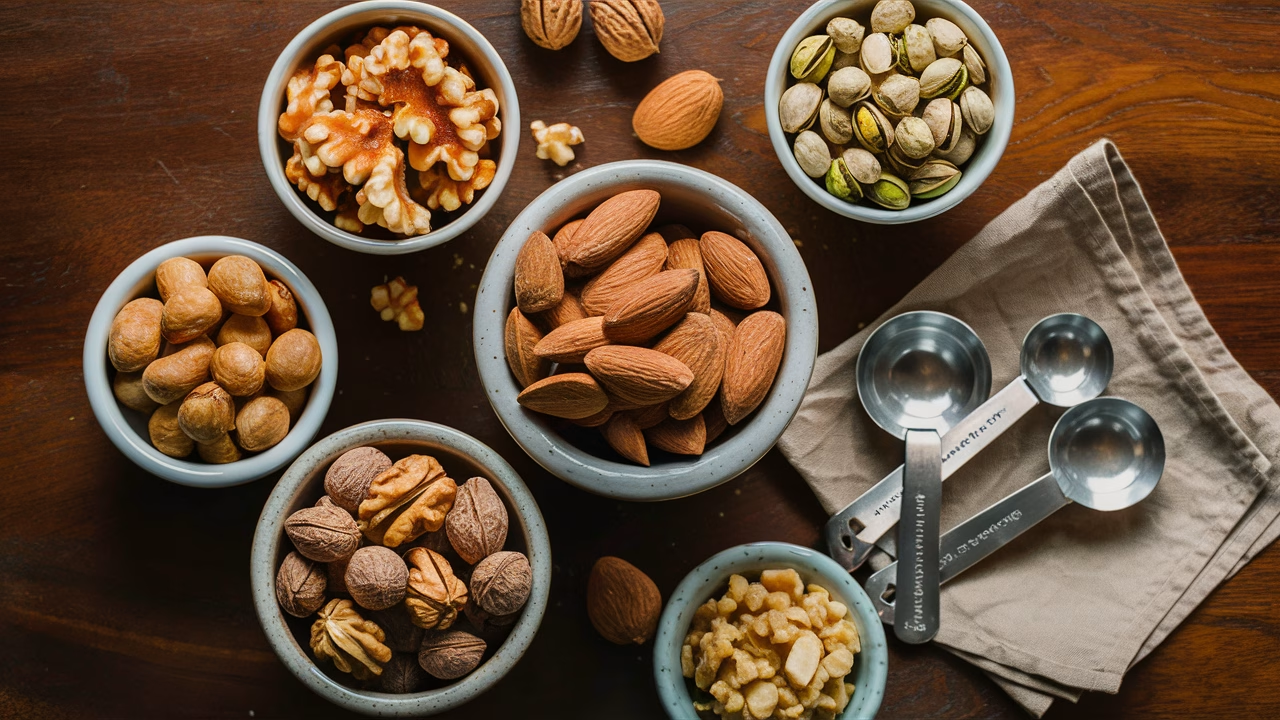
Nuts are crunchy capsules of heart-friendly nutrients. Walnuts offer ALA (a plant-based omega-3), and almonds are loaded with vitamin E, magnesium, and healthy fats. What’s important is portion control: just a small handful (about 28 grams) delivers big benefits without calorie overload.
Studies have shown that daily intake of nuts reduces LDL cholesterol and inflammation while improving vascular function. They’re great on the go or sprinkled on oatmeal or yogurt — making these foods for heart health easy to incorporate into your daily routine.
Steel Your Heart with Whole Grains
Whole grains like oats, barley, quinoa, and brown rice provide soluble fiber that binds to cholesterol and helps the body flush it out. Oats in particular contain beta-glucan, a fiber known to lower total cholesterol and reduce spikes in blood sugar.
Here’s how to make it easy: start your morning with oatmeal topped with berries and nuts. It’s wholesome, tasty, and supports your heart, digestion, and energy levels long after breakfast ends.
Dark Chocolate: Dessert That Loves Your Heart Back
Yes, you read that right — dark chocolate (70% cocoa or higher) is a delicious way to increase flavonoid intake. These plant-based antioxidants improve endothelial function (how well your arteries open and close), lower blood pressure, and reduce inflammation.
Keep in mind moderation is key. A small square a few times a week delivers benefits without excess sugar or calories. It’s a simple pleasure with profound effects on heart resilience.
Tomatoes, Beans, and Olive Oil: The Heart-Healing Trinity
Let’s wrap with three heart-healthy foods that show up in almost every heart-smart diet: tomatoes, legumes, and olive oil.
Tomatoes: Rich in lycopene, which protects LDL cholesterol from oxidation — an early step in plaque formation. Cooked tomato products offer even more absorbable lycopene.
Beans and legumes like lentils, chickpeas, and black beans: Provide fiber, plant-based protein, and folate, helping lower cholesterol, improve blood pressure, and replace less-healthy proteins.
Olive oil: Extra virgin olive oil is central to the Mediterranean diet. Monounsaturated fats improve cholesterol ratios, and polyphenols reduce inflammation. Use it as your main cooking oil and salad base to dramatically reduce heart disease risk.
Your Heart Responds to Every Bite
The most encouraging part? You don’t have to overhaul your diet overnight. Start small: switch white bread for oats, replace vegetable oil with olive oil, sprinkle berries over your cereal, or add a salmon dish to your weekly meal rotation. Over time, these changes compound to create a stronger, more resilient cardiovascular system.
Your heart is incredibly responsive to food. With consistency and care, you’re not just eating well — you’re investing in decades of health, energy, and vitality to come through heart-healthy foods that truly heal from within.
Frequently Asked Questions
- What is the fastest way to improve heart health through diet?
Start by cutting back processed foods, and add more omega-3s (like from fish), soluble fiber (from oats and beans), and antioxidants (from berries and greens). These shifts can improve cholesterol and blood pressure in a few weeks. - Can I improve heart health without medication?
In many cases, yes. While medication may be necessary for some, improving your diet with these heart-healing foods can reduce your need for medication or enhance its effectiveness. - How often should I eat these foods?
Aim to include heart-healthy foods daily. Even two servings of fatty fish per week and a handful of nuts daily can make a big impact. - Are all fats bad for the heart?
No — fats like those in avocados, nuts, and olive oil are healthy for your heart. It’s trans fats and excessive saturated fats you want to avoid. - Will eating dark chocolate really help my heart?
Yes, if it’s high in cocoa (over 70%) and eaten in moderation. A small amount a few times a week can support blood vessel function. - What are the worst foods for heart health?
Ultra-processed foods, sugary drinks, and items high in trans fats or sodium can harm your heart. Try to limit these as much as possible. - Do I have to go vegan to improve heart health?
No — though a plant-forward diet is beneficial, including fish, nuts, legumes, and olive oil in a balanced way can still give your heart the nourishment it needs.