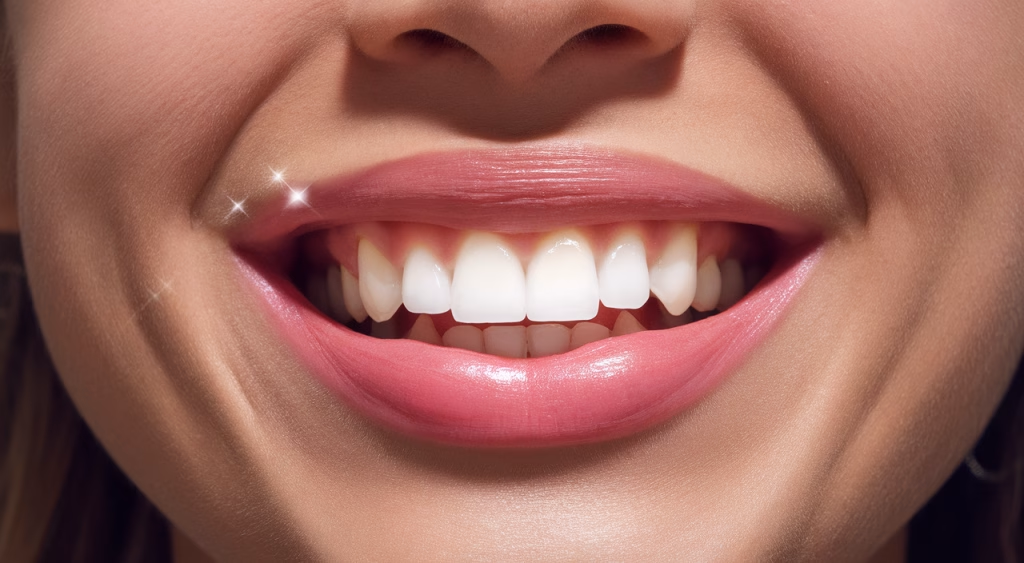
How does saliva affect oral health – and why should you care?
Saliva affects oral health in ways that might surprise you – it’s far more than just moisture in your mouth. This natural powerhouse works around the clock to protect your teeth against cavities, neutralize harmful acids, and maintain optimal oral hygiene. When saliva production is balanced, you enjoy stronger teeth and healthier gums. But when your saliva is out of balance – either too little or too much – it can signal deeper issues that significantly impact your dental health.
TL;DR – Why Saliva Deserves a Spot in Your Oral Care Conversation
- Saliva affects oral health by protecting your teeth and gums through washing away food particles and bacteria.
- Low saliva production increases risk of cavities, gum disease, and oral discomfort.
- Excess saliva can signal health imbalances or medication side effects that need attention.
- Boost saliva naturally with proper hydration, sugar-free gum, and addressing medication side effects.
- Balanced saliva production supports enamel strength, healthy digestion, and fresher breath.
Understanding How Saliva Production Impacts Your Dental Health
Understanding how saliva affects oral health starts with knowing its production process. Your saliva isn’t random moisture – it’s carefully produced by six major salivary glands and numerous minor ones strategically positioned throughout your mouth. Every day, you produce between 0.5 and 1.5 liters of saliva. That’s more than enough to fill a large water bottle! But why does your body invest such effort in saliva production?
Because saliva contains essential enzymes, minerals, and antimicrobial agents that act like microscopic guardians working 24/7 to protect your teeth from acid attacks, rinse away harmful bacteria, and support healthy digestion.
When saliva production flows properly, you experience benefits like:
- Neutralization of pH levels, preventing tooth erosion and decay
- Natural lubrication that helps with comfortable eating and speaking
- Delivery of calcium and phosphate minerals to strengthen tooth enamel
- Protection against bacterial overgrowth that causes plaque and gum disease
Your saliva truly is one of nature’s most effective dental protection tools, working silently in your mouth every moment.
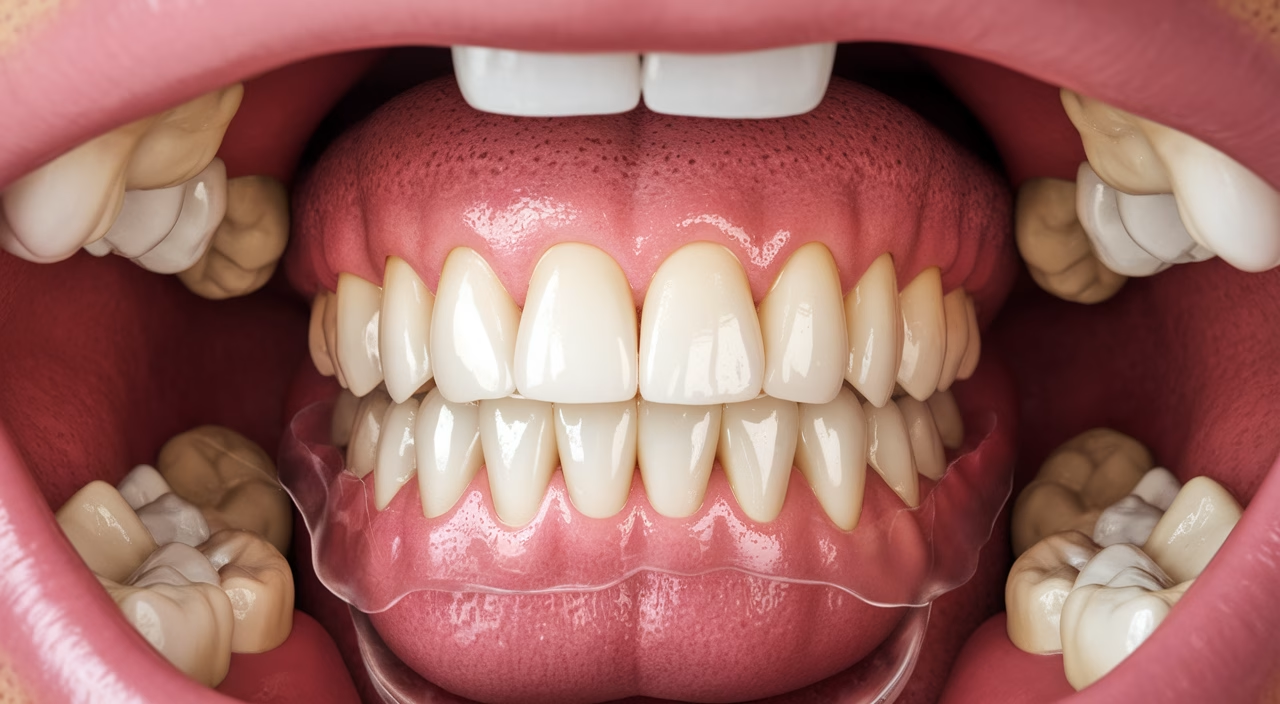
How Imbalanced Saliva Production Affects Your Teeth and Gums
So what happens when saliva affects oral health negatively? Whether due to medical conditions, medications, or dehydration, insufficient or excessive saliva can disrupt your mouth’s delicate ecosystem. The impact on your oral health becomes noticeable quickly.
How Low Saliva Production Affects Oral Health (Dry Mouth)
Also called xerostomia, reduced saliva production is surprisingly common yet often underdiagnosed. It can result from medications (like antihistamines, antidepressants, or diuretics), autoimmune disorders, or chronic stress. When saliva production decreases, plaque accumulates faster, enamel weakens, and you become more susceptible to:
- Accelerated tooth decay and cavity formation
- Gum inflammation and periodontal infection
- Burning sensations and difficulty swallowing
- Persistent bad breath and oral discomfort
When Excess Saliva Affects Oral Health
Conversely, excessive saliva production (hypersalivation) can also indicate underlying health issues. Though less common, it may occur due to pregnancy, new dental appliances, acid reflux, or neurological conditions affecting swallowing. Excess saliva can make speaking uncomfortable and impact confidence if it becomes chronic.
Practical Tips to Optimize Saliva Production for Better Oral Health
If you want to harness how saliva affects oral health positively, you need to support your mouth’s natural cleaning system. Fortunately, balancing saliva production often requires simple, effective adjustments to your daily routine.
1. Maintain Proper Hydration for Healthy Saliva Production
It sounds basic, but dehydration is a primary factor behind reduced saliva flow. Keep water nearby and sip consistently throughout the day. Clear, pale urine indicates adequate hydration levels.
2. Naturally Boost Saliva Production
- Chew sugar-free gum or suck on xylitol-containing mints
- Consume crunchy fruits and vegetables like apples and carrots
- Practice gentle oral massage to stimulate salivary glands
3. Avoid Factors That Reduce Saliva Production
Alcohol-based mouthwashes, excessive caffeine, and heavily processed foods can significantly dry out your mouth. Choose fluoride rinses designed for dry mouth relief and limit coffee and carbonated beverages.
4. Consult Healthcare Professionals About Medications
Many prescription medications list dry mouth as a side effect. If you’re experiencing reduced saliva production, ask your doctor about alternative medications or explore saliva substitutes and therapeutic mouthwashes.
5. Maintain Excellent Oral Hygiene Habits
Brushing twice daily, daily flossing, and regular dental checkups become even more crucial when saliva production is compromised. Without adequate saliva’s protective benefits, harmful bacteria gain advantages – making consistent home care absolutely essential.
| Problem | Likely Cause | Solution |
|---|---|---|
| Dry mouth throughout the day | Medication or dehydration | Hydrate, chew sugar-free gum, review medications |
| Difficulty eating or speaking | Low saliva or excess mucus | Use saliva substitutes, consult dental professional |
| Frequent plaque buildup | Low saliva unable to clean mouth | Brush more often, use enzyme mouth rinse |
Conclusion: Maximizing How Saliva Affects Oral Health for Your Best Smile
Understanding how saliva affects oral health transforms how you approach dental care. Once you recognize saliva’s vital protective role, it becomes clear: maintaining balanced saliva production is one of the smartest investments you can make for long-term oral health. Think of your saliva as nature’s comprehensive mouthwash, remineralizing treatment, and antimicrobial defense system – all working together seamlessly.
Whether you’re managing dry mouth, excess saliva, or simply want to strengthen your teeth naturally, supporting healthy saliva production is your foundation for success. Stay consistently hydrated, nourish your salivary glands with nutritious foods, and maintain open communication with your dental professionals.
Frequently Asked Questions
What happens when your mouth produces too much saliva?
Excess saliva, or hypersalivation, can lead to drooling, difficulty speaking, and an uncomfortable feeling in your mouth. It may be caused by medications, acid reflux, or neurological changes. Mild cases often resolve with hydration and mouth awareness. If it persists, talk to a healthcare provider to rule out underlying issues.
Can dry mouth really cause cavities?
Yes. Saliva neutralizes acids and washes away bacteria. Without enough, plaque builds faster, and cavities form more easily — especially between teeth and along the gum line.
How do I know if I have low saliva production?
Signs include a sticky feeling, dry tongue, cracked lips, trouble chewing/swallowing, and persistent bad breath. If those sound familiar, boost hydration and consider sugar-free gum or mouth rinses made for dry mouth.
Is it better to use a specific toothpaste or rinse to help?
Yes. Look for fluoride toothpaste designed for dry mouth, and consider mouthwashes that are alcohol-free and formulated with enzymes. These help maintain moisture and support remineralization.
What foods stimulate saliva naturally?
Crispy foods like celery or apples activate chewing muscles and stimulate glands. Sour flavors (think citrus) also trigger saliva. Just be mindful of acids and rinse with water afterward to protect enamel.
Can stress affect my saliva levels?
Absolutely. Stress and anxiety can cause dry mouth by activating your body’s fight-or-flight response. Managing stress through relaxation techniques can ease those symptoms.
What’s the ideal amount of saliva to have?
There’s no ‘perfect’ amount, but a healthy range is roughly 0.5–1.5 liters per day. Enough saliva means you can speak, eat, and taste comfortably without dry or sticky sensations in your mouth.