What causes charley horses and how can you prevent them?
Charley horses—sudden, intense muscle cramps—are usually caused by dehydration, overuse of muscles, or mineral imbalances. Understanding charley horses causes helps you target prevention through proper hydration, stretching techniques, and maintaining balanced nutrition.
TL;DR: How to Stop and Prevent Charley Horses
- Charley horses are sudden muscle cramps, often due to dehydration, mineral imbalance, or overuse.
- Common symptoms include sharp pain and muscle tightness, typically in the calf or thigh.
- Effective charley horses treatment includes gentle stretching, heat application, and hydration.
- For recurring cramps, medical evaluation is recommended.
- Prevention involves hydration, regular muscle stretching, and balanced intake of magnesium, calcium, and potassium.
Understanding Charley Horses
What Are Charley Horses?
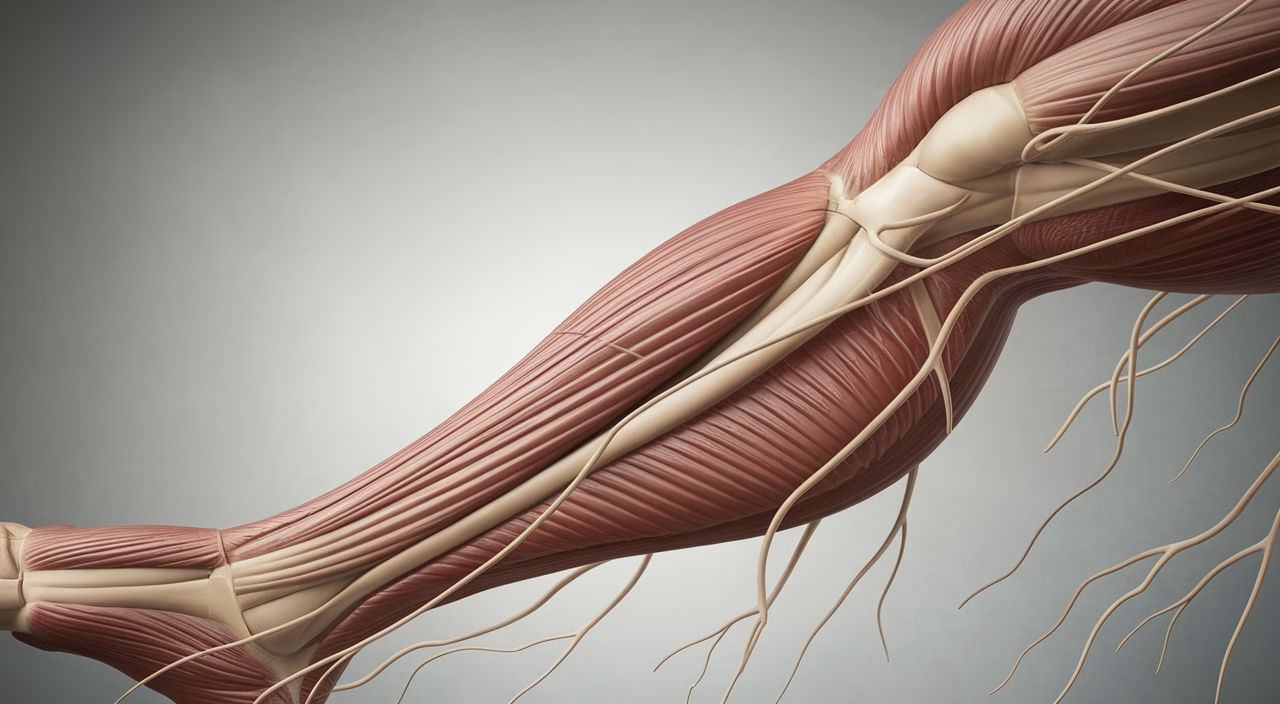
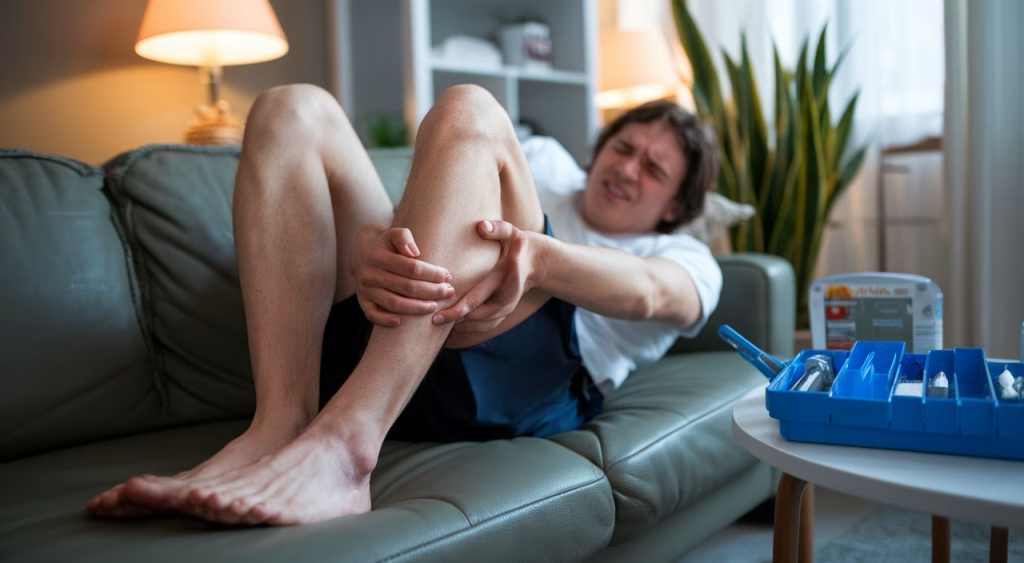
Charley horses are involuntary, painful muscle spasms most commonly experienced in the legs—especially the calf or thigh. These painful episodes can strike suddenly, often in the middle of the night or after a long workout. While athletes frequently encounter them, charley horses can happen to anyone, anywhere.
Think of your muscle as a light switch: when it seizes during a cramp, it’s like the switch is stuck in the “on” position. The muscle contracts and won’t relax right away, leaving you clutching your leg and gasping as you try to massage the pain away.
Common Causes of Charley Horses
Understanding charley horses causes is crucial for effective prevention. Several culprits are usually involved:
- Dehydration: When your body lacks enough fluids, muscles can misfire and trigger painful spasms.
- Electrolyte Imbalance: Low levels of potassium, magnesium, or calcium disrupt nerve signals, triggering muscle cramps.
- Overexertion: Pushing your muscles too hard—especially during intense or unfamiliar exercise—leads to fatigue and cramping.
- Poor Circulation: Restricted blood flow can starve muscles of oxygen and essential electrolytes.
- Prolonged Inactivity: Sitting too long or sleeping in awkward positions can create tight muscles that cramp when stretched suddenly.
- Medication Side Effects: Diuretics and statins may deplete key nutrients needed for proper muscle function.
Diagnosing Charley Horses
Symptoms to Look Out For
Charley horses diagnosis is usually straightforward—these muscle cramps are not subtle. They typically come on fast and fierce. You may feel a sudden tightening or knotting in your muscle, often accompanied by:
- Sharp, intense pain or burning that lasts from seconds to several minutes
- Visible hardening or twitching of the affected muscle
- Soreness that lingers even after the cramp resolves
- Temporary difficulty moving the affected limb
In some cases, if the cramp is especially severe or caused by underlying vascular or nerve issues, it can affect your mobility for hours afterward.
When to Seek Medical Help
Most charley horses are harmless, but persistent or severe cramping could signal a deeper issue requiring professional charley horses diagnosis, such as:
- Nerve compression or spinal issues
- Vascular insufficiency or restricted blood flow
- Chronic electrolyte imbalances or kidney disease
You should see a doctor if you notice:
- Muscle cramps happening frequently or daily
- Swelling, redness, or warmth in the affected leg
- Loss of sensation or persistent muscle weakness
Treating Charley Horses
Home Remedies and Treatments
When a cramp hits, quick charley horses treatment matters. Here’s what works most effectively at home:
- Immediate Stretching: Gently stretch the cramping muscle. If it’s your calf, flex your ankle up toward your shin while standing or seated.
- Heat Application: Apply a warm compress to relax and lengthen the cramped muscle tissue.
- Gentle Massage: Use firm pressure with your fingers or a foam roller to knead the tight area.
- Rapid Rehydration: Drink water or an electrolyte-rich beverage to quickly replenish fluids.
Keep a warm compress or heating pad nearby if you’re prone to nighttime cramps—many people find that a late-night heat session effectively wards off recurring muscle spasms.
Professional Medical Treatments
If home remedies aren’t providing adequate charley horses treatment, a physical therapy evaluation or medical consultation can help. Professional treatments may include:
- Manual therapy: Soft tissue mobilization and trigger point release help relax chronically cramping muscles.
- Dry needling: Targets hyperactive muscle fibers and nerve responses that cause recurring spasms.
- Prescription muscle relaxants: Useful for short-term management of severe, recurring cramps.
- Comprehensive blood tests: Reveal nutritional deficiencies or metabolic issues causing your muscle cramps.
- Exercise form correction: Poor technique or overtraining can trigger cramps—therapy helps balance your training load.
Preventing Charley Horses
Lifestyle Changes and Practices

Effective charley horses prevention ultimately lies in daily preparation. You can fend off these painful muscle cramps before they strike by making key changes to your routine:
- Stay Consistently Hydrated: Your muscles are about 75% water, and dehydration is one of the biggest triggers for painful spasms.
- Maintain Regular Stretching: Create a morning and bedtime stretch ritual, focusing on calves, hamstrings, and quadriceps.
- Exercise Intelligently: Don’t jump into intense workouts without proper warm-up. Avoid overtraining and progress gradually.
- Optimize Sleep Position: Poor sleeping positions can restrict blood flow. Stretch before bed and consider elevating your legs slightly.
- Practice Daily Mobility: Take short movement breaks from sitting every 60 minutes to keep blood flowing freely.
Nutrition Tips for Muscle Health
Your muscles need proper fuel to function without cramping. Charley horses prevention requires focusing on key nutrients that support healthy muscle contraction and nerve signaling:
| Nutrient | Role in Muscle Health | Sources |
|---|---|---|
| Potassium | Supports nerve communication & cellular hydration | Bananas, sweet potatoes, spinach |
| Magnesium | Prevents muscle spasms, regulates relaxation | Almonds, black beans, avocado |
| Calcium | Regulates contraction signals in muscle fibers | Dairy, leafy greens, tofu |
| Sodium | Maintains proper electrolyte balance | Natural sea salt, broth (in moderation) |
Avoid extreme restrictive diets that eliminate fruit or dairy—doing so can rapidly drain your body of muscle-supporting minerals and increase your risk of painful cramps.
Final Thoughts
Muscle cramps like charley horses can feel sudden and mystifying—but there’s always a reason behind the pain. In most cases, it’s your body sending a clear signal: stretch more, drink up, or adjust your workouts. By adopting a proactive approach to charley horses prevention, you’re far less likely to wake up in a cramp-induced panic.
Remember, the goal isn’t just managing pain when it strikes—it’s designing a lifestyle that works with your body’s needs, not against them. Keep moving, maintain consistent stretching habits, and stay properly hydrated. With these strategies, you can send those painful charley horses riding off into the sunset for good.
Frequently Asked Questions
- What is the main cause of charley horses in your legs?
Most often, they’re caused by dehydration, overuse, or imbalances of electrolytes like potassium or magnesium. - Why do charley horses happen at night?
We move less while we sleep, and muscles may tighten if circulation drops. Dehydration and electrolyte deficiencies also contribute. - Can certain medications cause charley horses?
Yes. Diuretics, statins, and some blood pressure medications can deplete minerals that affect muscle function. - Do older adults get charley horses more?
Yes. Muscle loss, poor circulation, and dietary deficiencies make cramps more common as we age. - Is it safe to exercise after a charley horse?
Yes, but ease in gently and try low-impact activity. Stretch the affected muscle before resuming strenuous workouts. - Is there a permanent cure for charley horses?
No “cure,” but effective prevention through hydration, diet, and stretching keeps acute cramps at bay.