What Causes Leg Cramps—and How Can You Stop Them?
Leg cramps, particularly nighttime leg cramps, can strike without warning—tightening your calf or thigh like a vice, jolting you awake from a dead sleep. But what truly causes these painful muscle spasms, and more importantly, how can you achieve lasting leg cramp relief?
TL;DR – Quick Relief & Prevention Tips for Leg Cramps
- Common causes: Dehydration, electrolyte imbalances, prolonged sitting or standing, and poor circulation can trigger muscle spasms.
- Immediate leg cramp relief: Gently stretch and massage the cramped muscle, and apply heat or cold if needed.
- Natural remedies: Magnesium-rich foods, proper hydration, and herbal teas can help prevent nighttime leg cramps.
- Long-term leg cramp prevention: Stay active, stretch regularly, hydrate well, and evaluate your sleeping posture.
- Watch for red flags: Persistent or severe leg cramps may signal circulation issues or nerve problems—see a healthcare provider.
Understanding Leg Cramps and Muscle Spasms
Leg cramps—those sudden, involuntary muscle spasms in your calves, thighs, or feet—can be occasional nuisances or chronic disruptions. While nighttime leg cramps are especially common as we age, even young athletes aren’t immune. In physical therapy, we often see cramps as the body’s neon warning sign: “Something’s off—fix it.”
Think of your muscle like a rubber band. When healthy and hydrated, it’s stretchy, responsive, and reliable. But if it dries out (dehydration), lacks certain minerals (electrolyte imbalance), or gets overused or neglected (poor circulation or fatigue), it pops into a painful muscle spasm with zero warning.
Common Causes of Leg Cramps
Understanding what causes leg cramps is the first step toward effective leg cramp prevention. Most muscle spasms happen due to a few primary culprits:
Electrolyte Imbalance and Leg Cramps
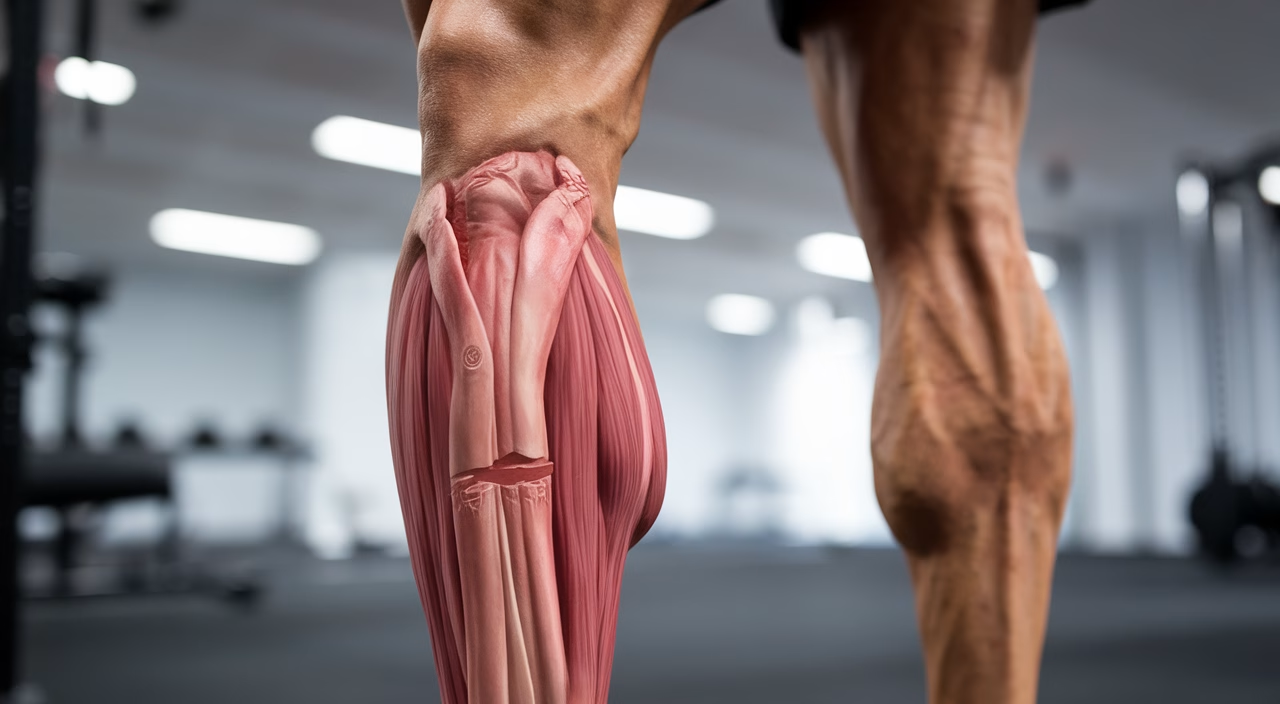
Your muscles rely on electrolytes—especially sodium, potassium, calcium, and magnesium—to contract and relax smoothly. When these levels dip (think excessive sweating or poor diet), the message from your nervous system to your muscles gets scrambled. The result? A painful muscle spasm that can lead to nighttime leg cramps.
Dehydration and Muscle Spasms
Water is essential for maintaining muscle elasticity and nerve function. Dehydration thickens your blood, impairing circulation and increasing the risk of leg cramps. If you’re not drinking enough fluids—especially after workouts or in hot weather—your muscles may rebel with painful nighttime leg cramps.
Sedentary Lifestyle or Poor Circulation
Sitting at a desk all day or standing for long periods can limit blood flow to your legs. Over time, this restriction increases your risk of leg cramps, especially at night. Poor circulation can also occur with age or health issues like diabetes, varicose veins, or vascular disease.
Overuse or Muscle Fatigue
Overextending your muscles—or not using them enough—can both trigger leg cramps. Think of that one time you tried a new workout and woke up with charley horses. Your muscles crave balance: too much or too little activity can put them under duress and cause muscle spasms.
Effective Pain Relief for Leg Cramps
When a leg cramp hits, your focus narrows to one thing—achieving immediate leg cramp relief. Relief starts with reversing the muscle spasm. Here’s how to stop leg cramps fast.
Stretching Exercises for Instant Leg Cramp Relief
The fastest and most effective remedy for leg cramps is gentle stretching. If your calf locks up in a muscle spasm, try this:
- Straighten your leg and gently flex your foot upward (toward your head).
- Hold the stretch for 15–30 seconds to relieve the muscle spasm.
- Massage the cramped area as you stretch it for additional leg cramp relief.
Hamstring or thigh cramps? Lie down and pull your knee toward your chest, holding your foot up to deepen the hamstring stretch and combat the muscle spasm.
Natural Remedies for Nighttime Leg Cramps
Many find effective leg cramp prevention with natural remedies right from nature’s cabinet:
| Natural Remedy | Benefit for Leg Cramps | How to Use |
|---|---|---|
| Magnesium-rich foods (spinach, almonds) | Prevents electrolyte imbalance | Add to dinner/snack pre-bedtime |
| Chamomile or valerian tea | Natural muscle relaxant for leg cramps | Sip before sleep |
| Hydration with electrolytes | Prevents muscle spasms | Drink after workouts |
Heat, Ice, and Massage for Leg Cramp Relief
Apply a warm compress or heating pad to the cramped area to relax the muscle and provide leg cramp relief. Alternatively, if it’s inflamed after repeated muscle spasms, try a cold pack. Gentle, circular massage boosts circulation and eases lingering soreness from leg cramps.
Prevention Strategies for Nighttime Leg Cramps
If nighttime leg cramps keep you up at night, some easy habit shifts can drastically improve your leg cramp prevention efforts and reduce muscle spasms.
Hydration and Balanced Electrolytes for Leg Cramp Prevention
Make it a habit to drink water throughout the day to prevent leg cramps. Focus on foods rich in potassium (bananas, sweet potatoes), magnesium (nuts, leafy greens), and calcium (yogurt, fortified milk alternatives). These trace minerals are the gatekeepers for proper nerve-muscle communication and help prevent muscle spasms.
Pre-Bedtime Stretching to Prevent Nighttime Leg Cramps
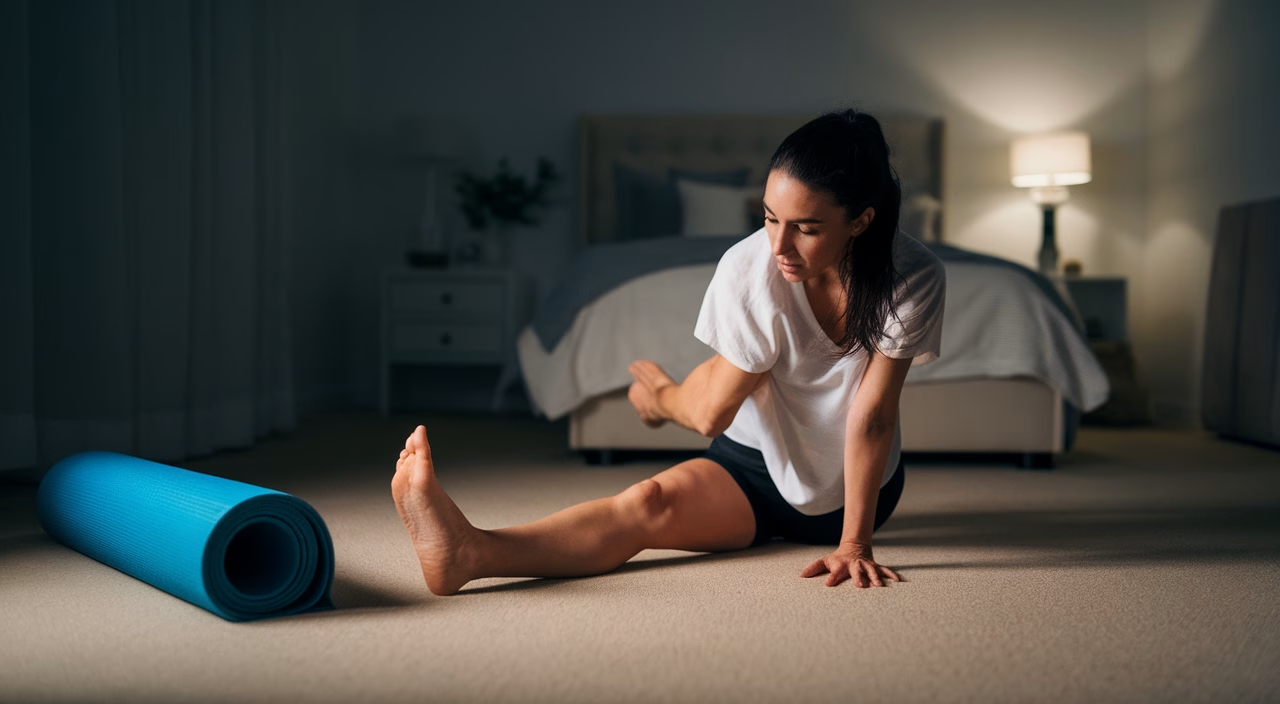
A short stretching routine before bed can work wonders for leg cramp prevention. Try these stretches to avoid muscle spasms:
- Standing calf stretch: Hands on the wall, one foot back, heel down—excellent for preventing nighttime leg cramps.
- Hamstring stretch: Sit with legs extended, reach toward your toes to prevent muscle spasms.
- Quadriceps stretch: Stand, bend one knee, hold your ankle behind you for comprehensive leg cramp prevention.
Hold each stretch for 20–30 seconds and avoid bouncing to maximize leg cramp prevention benefits.
Footwear and Posture Impact on Leg Cramps
Wearing supportive shoes—especially if you’re on your feet all day or prone to poor arches—reduces stress on your lower limbs and helps prevent leg cramps. Sleeping position can affect blood flow too: try elevating your legs on a pillow or adjusting your mattress to avoid awkward angles that limit circulation and trigger nighttime leg cramps.
Evaluate Medications or Underlying Conditions Causing Leg Cramps
Some medications (such as diuretics or statins) can increase the likelihood of muscle spasms as a side effect. So can underlying conditions like thyroid disorders or peripheral artery disease. If leg cramps are frequent and severe, talk to your healthcare provider for a deeper evaluation of your muscle spasms.
Conclusion: Achieving Long-Term Leg Cramp Relief
Leg cramps don’t have to be an inevitable part of aging or activity. With strategic shifts in hydration, nutrition, physical activity, and posture, you can drastically reduce nighttime leg cramps and prevent painful muscle spasms. Your muscles are whispering (or screaming!) when they cramp. Listen closely, respond wisely with proper leg cramp prevention, and you’ll sleep easier and move happier.
Frequently Asked Questions (FAQs)
What deficiency causes leg cramps at night?
Nighttime leg cramps are commonly linked to deficiencies in magnesium, potassium, or calcium—key electrolytes needed for muscle function. Dehydration and low vitamin D may also contribute to muscle spasms.
How do I stop leg cramps immediately?
To achieve immediate leg cramp relief, gently stretch and massage the muscle. For calf cramps, flex your toes back toward your knee while applying light pressure to the muscle spasm.
What is the best natural remedy for nighttime leg cramps?
Magnesium-rich foods, herbal teas, and electrolyte hydration are among the best natural remedies for leg cramp prevention. Evening stretching routines and warm baths can also prevent nighttime muscle spasms.
Can dehydration cause frequent leg cramps?
Yes. Dehydration can lower your body’s electrolyte levels, impairing muscle function and triggering frequent leg cramps and muscle spasms, especially after sweating or fluid loss.
Do compression socks help with leg cramps?
Compression socks may improve circulation, especially if you stand or sit for long periods. They might reduce the frequency of leg cramps due to better blood flow and can be part of effective leg cramp prevention.
Are leg cramps a sign of poor circulation?
In some cases, frequent leg cramps and muscle spasms could signal poor circulation or vascular conditions. If leg cramps persist or worsen, consult your healthcare provider.
Is it normal to have leg cramps every night?
Occasional nighttime leg cramps are common, but daily muscle spasms may point to underlying health issues or lifestyle habits that need tweaking for better leg cramp prevention.