
How does high blood pressure affect hearing?
High blood pressure, or hypertension, can damage delicate structures in your ear by reducing blood flow, impairing your inner ear function, and increasing the risk of sensorineural hearing loss and tinnitus.
TL;DR: What You Need to Know
- Quiet Damage: High blood pressure affects your hearing by damaging the tiny blood vessels that feed the inner ear.
- Hearing Loss Risk: Studies show individuals with hypertension are more likely to develop age-related hearing loss sooner.
- Tinnitus Trigger: Elevated blood pressure can intensify or trigger ringing in the ears due to blood vessel pressure changes.
- Manageable Connection: Controlling your blood pressure may slow or even prevent hearing decline.
- Protect and Prevent: Lifestyle changes that target both cardiovascular and auditory health can help protect your ears and heart.
Understanding the High Blood Pressure and Hearing Connection
When we think about high blood pressure and hearing, the connection might not seem obvious at first. But your ears are surprisingly sensitive to changes in your circulatory system. Think of the inner ear as a finely tuned musical instrument—delicate, precise, and easily thrown off-key. That’s why maintaining healthy blood flow is vital to hearing.
Understanding the high blood pressure and hearing relationship starts with your auditory anatomy. Your ears—specifically, the cochlea in your inner ear—rely on a constant supply of oxygen-rich blood. This supply is delivered by tiny, hair-thin arteries. Even mild hypertension can disrupt this flow, leaving your inner ear starved for oxygen and prone to permanent cell damage.
In practice, this connection between high blood pressure and hearing loss is more common than you’d think. Many people with long-term hypertension show signs of hearing degradation that seem unrelated to age or noise damage. But often, the root culprit is poor circulation caused by narrowed or stiffened blood vessels affecting your inner ear health.
The Inner Workings of High Blood Pressure
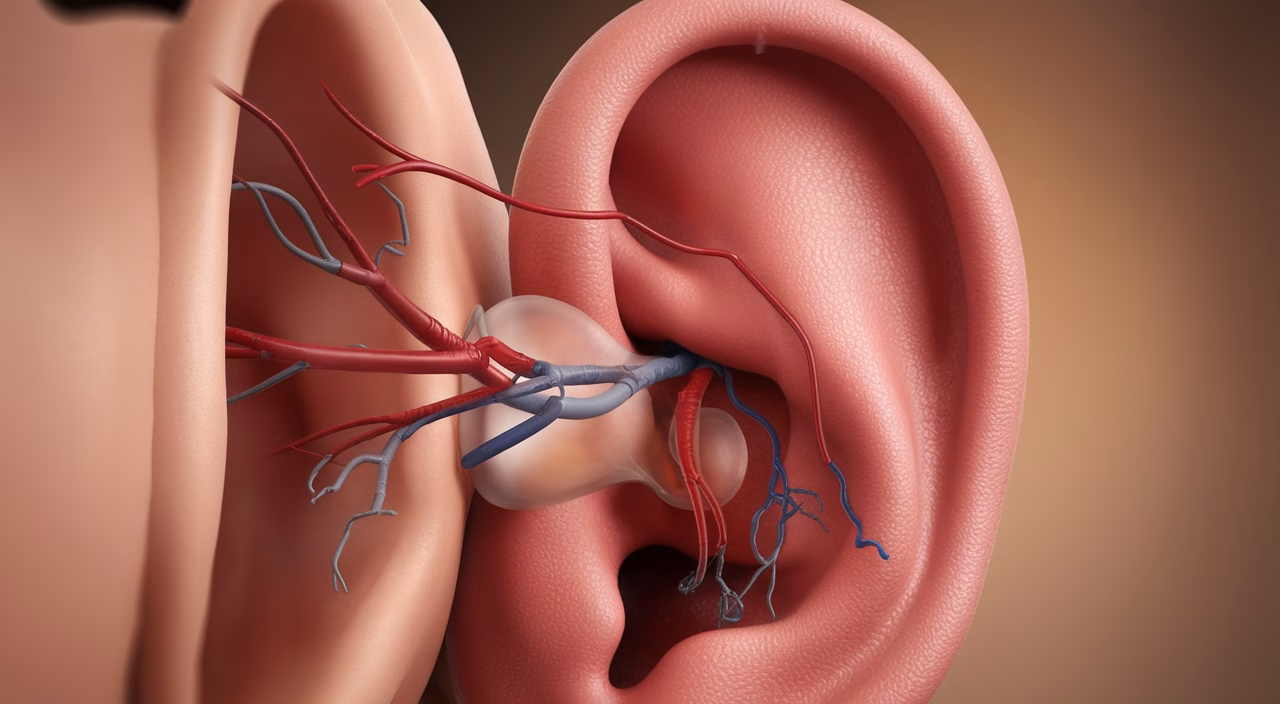
Your cardiovascular system and auditory system are more intertwined than most realize. In a healthy person, the body regulates blood pressure to ensure every organ gets what it needs. But in hypertensive individuals, blood vessels can stiffen or thicken, narrowing passageways essential for oxygen delivery to your inner ear.
Now imagine that happening in your inner ear—a space with minuscule arteries serving the cochlea and surrounding structures. Pressure overload can cause micro-hemorrhages or ischemic damage—that’s fancy speak for internal injury and starving cells. Once cochlear hair cells (the ones responsible for translating sound vibrations into neural signals) are damaged, hearing loss and tinnitus soon follow.
| Effect of High Blood Pressure | Impact on Hearing |
|---|---|
| Narrowed inner ear arteries | Reduced oxygen supply, risking cell death |
| Increased inner ear pressure | Vertigo, muffled hearing, or pulsatile tinnitus |
| Malformed blood vessels | Interrupted auditory signal transmission |
The Impact on Hearing Health
So what does all this mean in real life? The effects of high blood pressure and hearing health show up in several ways, depending on your age, underlying health, and how long your blood pressure has been uncontrolled.
Firstly, there’s hearing loss. Over time, deprived inner ear cells lose their ability to function properly. You may notice muffled conversations, difficulty hearing high-pitched voices, or needing to turn up the TV. Secondly, many hypertension patients report developing tinnitus—the constant ringing, buzzing, or swooshing in your ear. This occurs as damaged hair cells misfire or generate phantom sound signals.
Let’s not forget sudden sensorineural hearing loss (SSNHL). Though still rare, people with high blood pressure and hearing issues are more likely to experience abrupt and significant hearing loss, often in one ear. This is considered a medical emergency and should be treated immediately.
Recognizing Early Signs of Hearing Loss
Hearing loss due to high blood pressure can sneak up on you. It’s often gradual, subtle, and easy to brush off. But the earlier you spot signs, the better your chances of intervening effectively and preventing tinnitus.
- Frequently asking people to repeat themselves
- Difficulty following group conversations, especially in noisy rooms
- A perception that others are mumbling
- Tinnitus or ear fullness, especially during blood pressure spikes
- Increased sensitivity to loud sounds (known as recruitment)
If these sound familiar and you also have hypertension, the connection between high blood pressure and hearing loss may be more related than you think. A comprehensive hearing exam and medical review can confirm the cause.
Managing Hypertension and Protecting Your Hearing
If you’re nodding along thinking, “This might be me,” don’t panic. The good news is that both high blood pressure and hearing loss are manageable—if you’re proactive.
Managing hypertension and hearing loss begins with blood pressure control. Keep your numbers in check through daily habits and doctor-guided treatments. Studies show that people who maintain well-controlled blood pressure are less likely to develop hearing-related complications and can better protect their inner ear health.

Tips for Preventing Tinnitus with Hypertension
Here’s how you can begin protecting both your ears and your heart health while managing the relationship between high blood pressure and hearing:
- Monitor your BP: Use a home blood pressure cuff and track trends.
- Limit sodium intake: Excess salt can spike your BP and inner ear fluid levels.
- Stay physically active: Exercise boosts circulation and cardiovascular stability.
- Reduce environmental noise: Avoid headphones at loud volumes or loud workspaces.
- Hydrate consistently: Dehydration can affect fluid dynamics in your ears.
- Get regular hearing exams: Annual check-ins help spot changes early.
Cost Guide: Managing Your Hearing and Heart Health
| Service or Product | Price Range |
|---|---|
| Hearing Evaluation | $75 – $250 |
| Blood Pressure Monitor (home device) | $30 – $100 |
| Hearing Aid (per ear) | $1,000 – $4,000 |
| ENT/Audiologist Consultation | $100 – $300 |
| Medication for Hypertension (monthly) | $10 – $100 |
Final Thought: Don’t Let the Silence Go Unnoticed
The connection between high blood pressure and hearing may be silent—but its consequences are loud. Left unaddressed, high blood pressure can slowly and permanently damage the parts of your ears responsible for translating the world’s sounds. But with the right awareness, tools, and lifestyle adjustments, this doesn’t have to be your future.
As an audiology expert, I’ve seen first-hand how monitoring and managing the relationship between high blood pressure and hearing loss can preserve your inner ear health and improve quality of life. Don’t wait for the signs to become irreversible. Talk to your provider, get a hearing checkup, and start listening to what your body—and your heart—might be trying to tell you.
Frequently Asked Questions
- Can high blood pressure cause hearing loss?
Yes, high blood pressure can damage the tiny blood vessels in the inner ear, leading to hearing loss over time. - Is tinnitus linked to high blood pressure?
Absolutely. Tinnitus can be triggered or worsened by high blood pressure due to changes in blood flow near the ear. - How can I protect my hearing if I have hypertension?
Control your blood pressure, avoid loud noise, limit salt, stay active, and get regular hearing screenings. - Are hearing aids helpful for hypertension-related hearing loss?
Yes, hearing aids can improve quality of life by compensating for hearing loss caused by vascular issues. - Can controlling blood pressure reverse hearing damage?
While it may not reverse existing damage, managing hypertension can prevent further deterioration. - Does medication for high blood pressure affect hearing?
Some medications might have hearing-related side effects. Always consult your doctor if you notice changes.