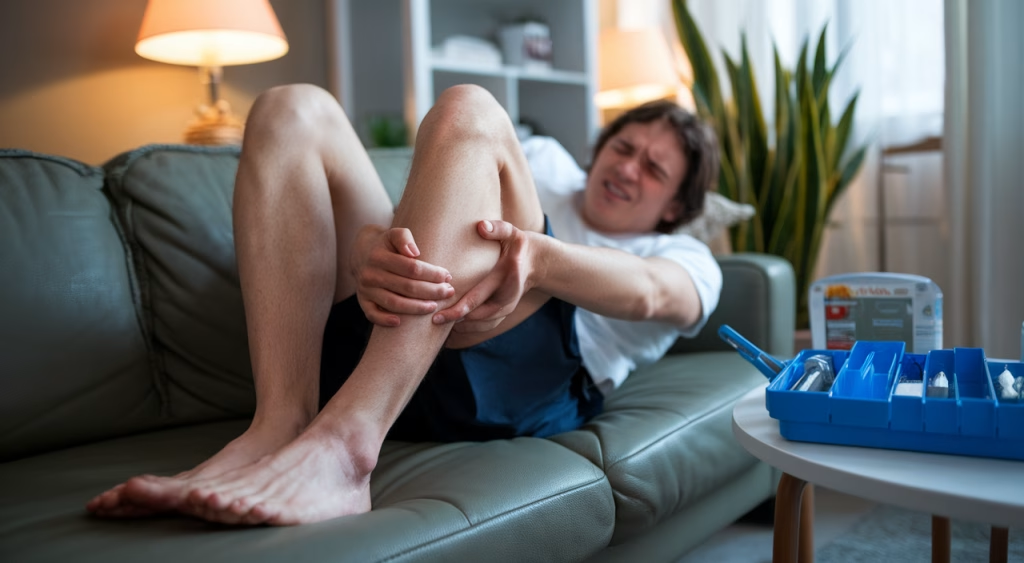
What Are Exertion Headaches and How Can They Be Managed?
If you’ve ever experienced a throbbing headache during or after an intense workout, you’re not alone. Exertion headaches affect countless fitness enthusiasts and athletes, but the good news is that they’re highly preventable and manageable when you understand the right approach.
TL;DR
- Exertion headaches occur during or after intense physical activity.
- Common triggers include dehydration, lack of warm-up, and stress.
- Preventative measures include staying hydrated and regular warm-up routines.
- Seek medical advice if symptoms persist or worsen.
Understanding Exertion Headaches
Causes and Triggers
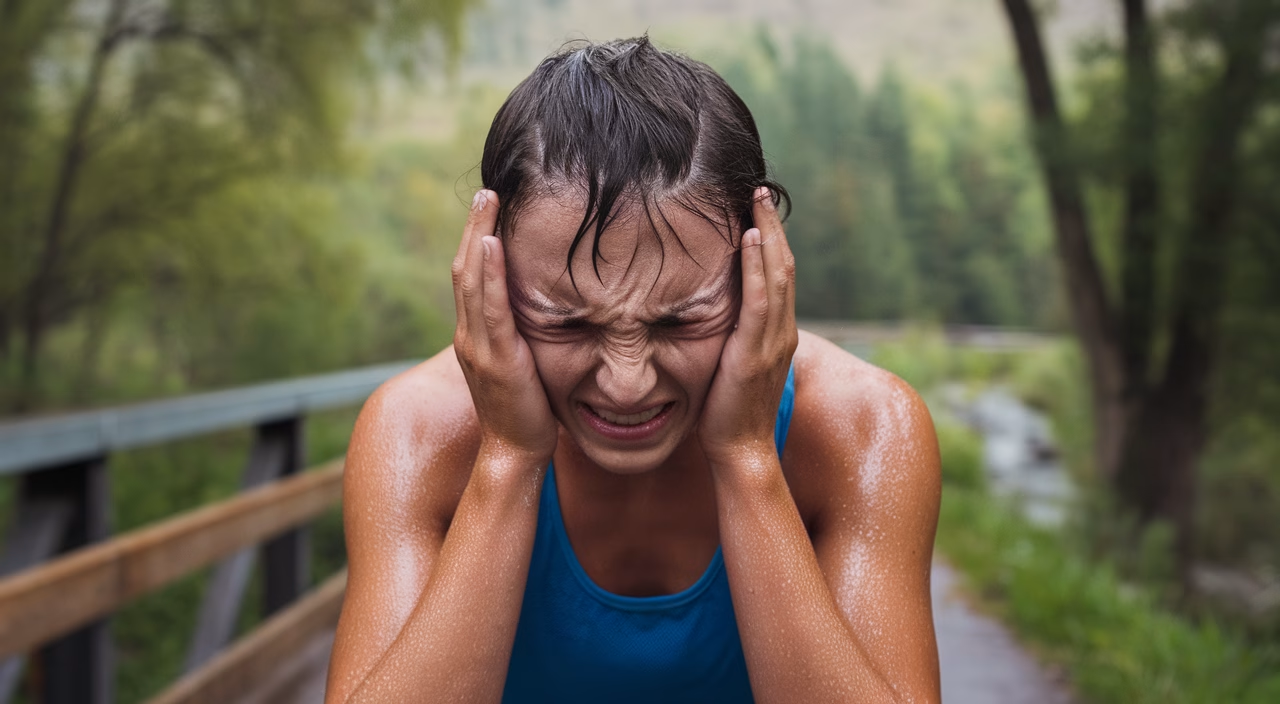
Physical exertion headaches typically stem from several key factors that you can learn to control. Dehydration remains the most common culprit—when your body loses fluids during intense exercise, blood vessels in your head can dilate, triggering pain. Skipping your warm-up routine puts additional strain on your cardiovascular system, while high stress levels can make you more susceptible to exercise-induced headaches. Understanding these triggers empowers you to take proactive steps toward prevention.
Symptoms and Diagnosis
Recognizing exertion headaches early helps you manage them more effectively. These headaches typically present as a pulsating pain on both sides of your head, lasting anywhere from five minutes to 48 hours. You might notice the pain intensifies during physical activity and improves with rest. Unlike other headache types, exertion headaches have a direct correlation with your exercise routine, making them easier to identify and address.
Treatment Options
When exertion headaches strike, you have several effective treatment paths available. Over-the-counter pain relievers like ibuprofen or acetaminophen can provide immediate relief when taken as directed. For chronic sufferers, your doctor might recommend preventive medications such as propranolol or indomethacin. Additionally, applying cold compresses to your head and neck area while resting in a quiet, dark room can significantly reduce pain intensity and duration.
Tips for Prevention
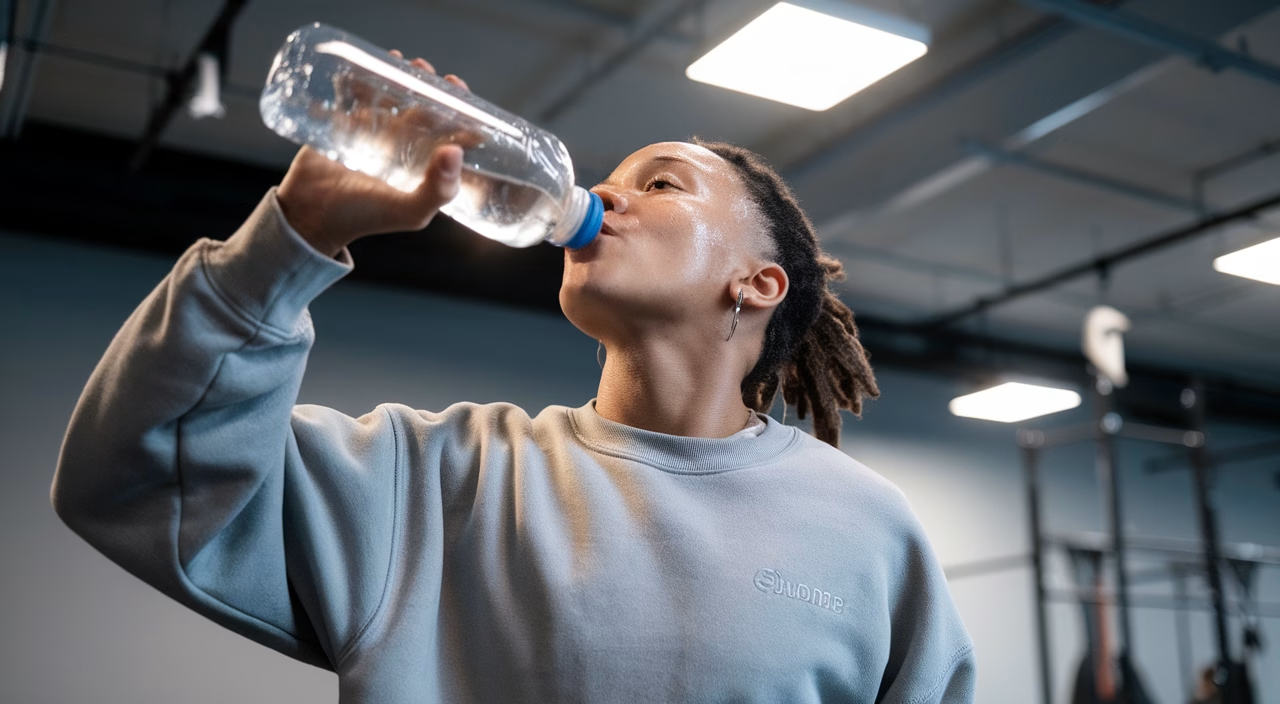
Prevention remains your best defense against exertion headaches. Start by maintaining proper hydration—drink water before, during, and after exercise, aiming for clear or light yellow urine as a hydration indicator. Always begin workouts with a 10-15 minute warm-up routine to gradually prepare your cardiovascular system. Additionally, avoid exercising in extremely hot or humid conditions, and consider reducing exercise intensity if you’re feeling stressed or haven’t slept well.
When to Seek Medical Help
While most exertion headaches are benign, certain warning signs warrant immediate medical attention. Consult a neurologist if your headaches become more frequent or severe, if they’re accompanied by vision changes, neck stiffness, or fever, or if over-the-counter treatments stop providing relief. A healthcare professional can rule out underlying conditions and develop a personalized treatment plan that keeps you active and pain-free.
Frequently Asked Questions
- Is propranolol good for exertion headaches?
Propranolol can be effective in some cases, but consultation with a healthcare provider is essential.
- How can I tell if my headache is from exertion?
Exertion headaches typically occur in tandem with or after intense physical activity.
- Are there natural remedies to prevent exertion headaches?
Staying hydrated and managing stress are key natural strategies.