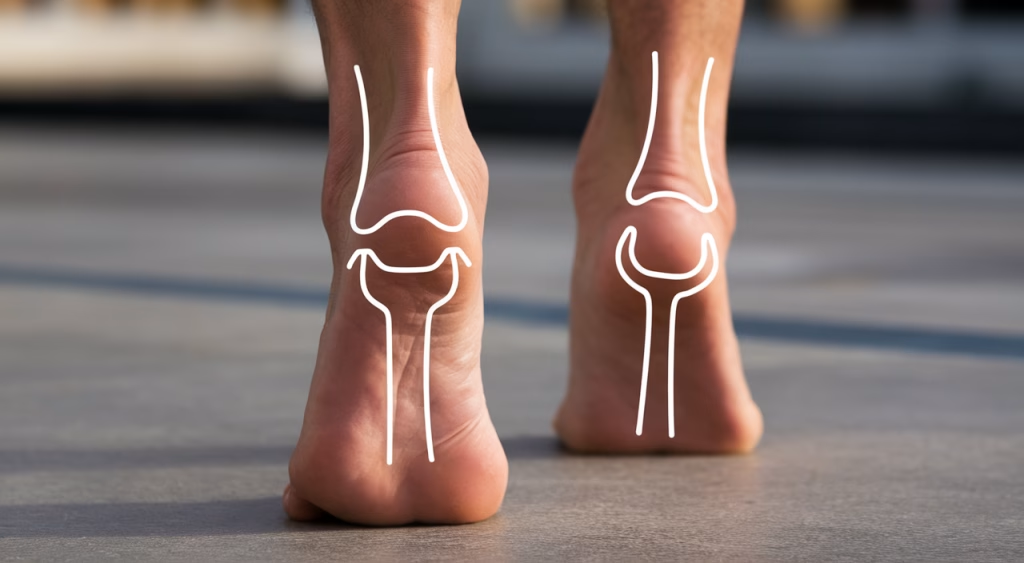
How do foot mechanics impact hip health?
Your feet serve as your body’s foundation, and when foot mechanics impact hip health, the effects ripple throughout your entire kinetic chain. Every step you take creates a force transmission pathway from your feet through your ankles, knees, and directly into your hips. When foot problems affecting hips develop—such as excessive pronation, flat arches, or structural deformities like bunions—they fundamentally alter this force pathway, pulling your hips into compromised positions and creating inefficient movement patterns.
- TL;DR Summary:
- 🔎 Foot mechanics directly influence posture and hip joint function through biomechanical chains.
- 🦶 Flat feet and hip pain connections are well-documented, with bunions also disrupting alignment.
- 💡 Addressing foot abnormalities affecting hips can dramatically improve comfort and mobility.
- 🏋️♂️ Targeted exercises and proper footwear choices realign your foot-to-hip connection.
- 👨⚕️ Professional evaluation becomes crucial when the hip and foot pain correlation persists.
Understanding Foot Mechanics
Understanding how foot mechanics impact hip health starts with your gait cycle—the complex sequence of movements your foot performs during walking or running. In an ideal scenario, your foot contacts the ground heel-first, then smoothly transitions forward to push off with your toes. However, three critical factors can disrupt this process and create foot problems affecting hips:
- Arch Height Variations: Flat feet create excessive pronation, while high arches cause underpronation—both patterns disrupt the natural alignment chain leading to your hips.
- Foot Strike Mechanics: Whether you strike with your heel, midfoot, or forefoot significantly affects the load distribution your hips must manage with each step.
- Joint Mobility Restrictions: Limited ankle flexibility or rigid big toe joints force compensatory movements that your hips must accommodate.
This creates a biomechanical domino effect. When your foot mechanics are compromised, your pelvis compensates by tilting or rotating, which places uneven stress on your hip joints, surrounding muscles, and supporting structures—illustrating exactly how foot mechanics impact hip health.
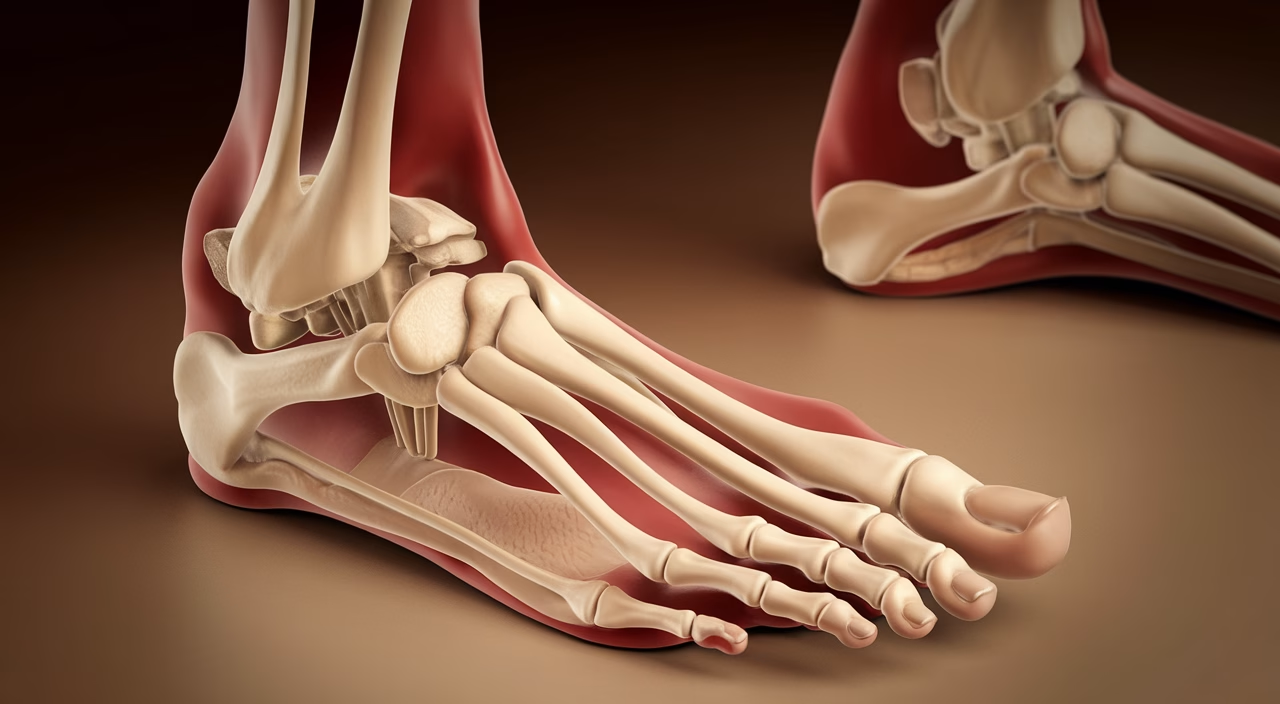
Common Foot Problems and Their Impact on Hips
The connection between foot abnormalities affecting hips is more significant than most people realize. Seemingly isolated foot conditions like bunions, plantar fasciitis, or flat feet create cascading effects that directly influence hip function, posture, and pain patterns.
1. Flat Feet and Hip Pain
The flat feet and hip pain connection is one of the most common examples of how foot mechanics impact hip health. When you have fallen arches, your feet roll excessively inward (overpronation), creating a chain reaction that internally rotates your knees and compensatorily externally rotates your hip joints. This places chronic stress on your hip flexors, glutes, and IT band. You might experience outer hip soreness, noticeable differences between your left and right sides, or persistent tightness when climbing stairs or rising from seated positions.
2. Bunions Impact on Knee and Hip Health
Bunions represent a clear example of foot problems causing hip problems through altered biomechanics. When your big toe deviates toward your other toes, it fundamentally changes how you push off during walking. Many people with bunions unconsciously shift weight to the lateral edge of their feet or modify their stride to avoid toe discomfort. These compensation patterns compromise hip stability and can accelerate hip joint wear over time, demonstrating the bunions impact on knee and hip health.
3. Plantar Fasciitis and Compensation Patterns
Chronic heel pain from plantar fasciitis creates one of the most obvious examples of how foot problems affecting hips develop. When every step creates heel discomfort, you naturally alter your gait—shortening your stride, changing your weight distribution, and often favoring one side. This compensation pattern creates uneven hip loading and can trigger issues in the opposite hip due to asymmetrical movement patterns.
Foot Problems Affecting Hips: Summary
| Foot Problem | Effect on Walking | Impact on Hips |
|---|---|---|
| Flat feet | Overpronation, internal knee rotation | Outer hip strain |
| Bunions | Altered push-off and toe-off phase | Instability in hip rotation |
| Plantar fasciitis | Shortened stride, favoring foot | Uneven loading of hip joints |
Tips for Maintaining Healthy Feet and Hips
Preventing foot problems affecting hips doesn’t require dramatic lifestyle changes—just consistent, intelligent choices that address the root causes. Here’s what we recommend to optimize how foot mechanics impact hip health:
- Prioritize Supportive Footwear: Choose shoes with proper arch support and heel stability—this is especially crucial if you’re dealing with flat feet and hip pain or bunions impact on knee and hip health.
- Assess Your Hip Alignment Regularly: Stand in front of a mirror and check if your hips appear level. Notice if one foot turns outward more than the other—these subtle signs reveal important information about your foot-to-hip connection.
- Implement Daily Stretching: Tight calves, hamstrings, and hip flexors can perpetuate the cycle where foot mechanics impact hip health. Gentle, consistent stretching supports better overall alignment.
- Practice Mindful Walking: Pay attention to your foot strike pattern, weight distribution, and how your body moves as a unit during walking.
- Consider Orthotic Support: Both custom and over-the-counter orthotics can help redistribute pressure and improve the biomechanical relationship between your feet and hips.
Exercises to Improve Foot and Hip Health
Strategic movement and strengthening exercises offer some of the most effective solutions for addressing how foot mechanics impact hip health. These clinician-approved exercises target the interconnected chain from your feet to your hips.
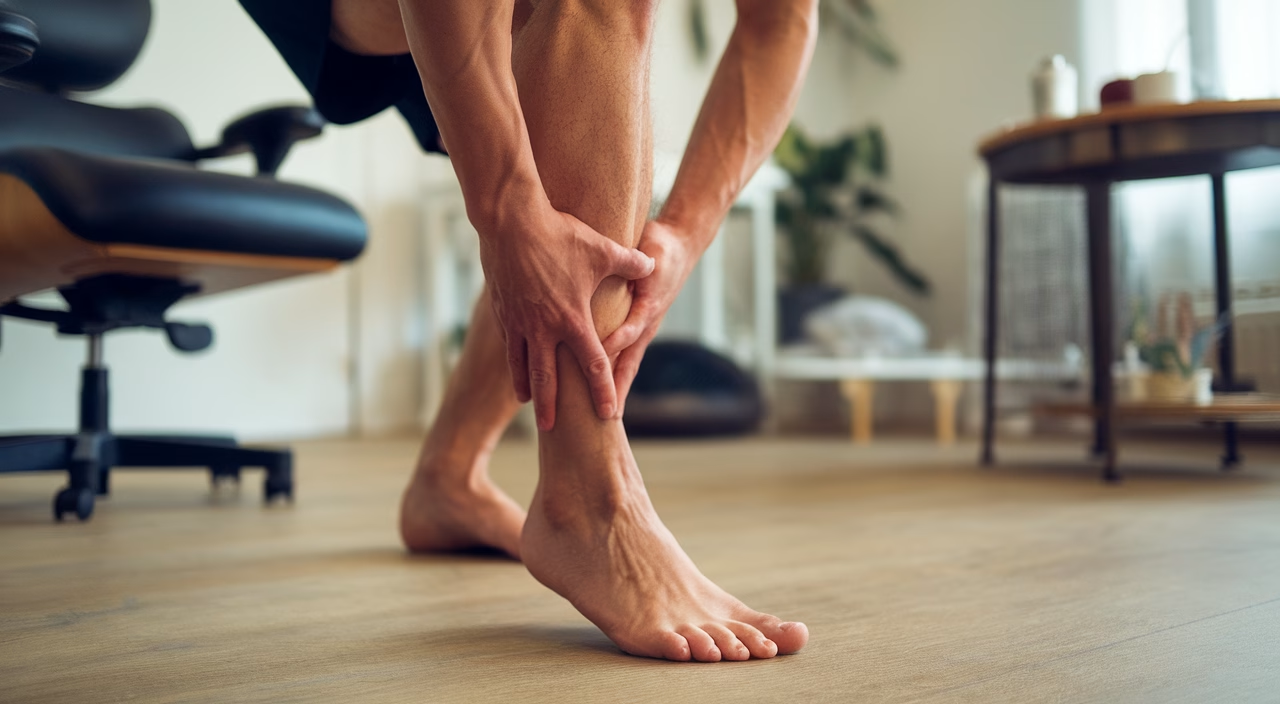
1. Toe Curls and Marble Pickups
These exercises strengthen the intrinsic foot muscles that support your arches and improve how foot mechanics impact hip health. Practice picking up cotton balls or marbles with your toes to enhance foot stability.
2. Arch Lifts
Standing barefoot, focus on lifting your arches without curling your toes. Hold for 5 seconds and repeat to build the foundational strength that prevents foot problems affecting hips.
3. Glute Bridges
This exercise strengthens your posterior chain, particularly the glutes that play a crucial role in hip stability and can help counteract the effects of foot abnormalities affecting hips.
4. Hip Flexor Stretch
Kneel on one knee and gently push your hips forward. This targets chronically tight hip flexors that often compensate for poor foot mechanics, addressing a key component of the hip and foot pain correlation.
5. Ankle Circles
Improve ankle mobility with simple circles in both directions. Better ankle mobility reduces compensatory patterns that contribute to foot problems causing hip problems.
Seeking Professional Help: When to See a Specialist
If you’ve implemented better footwear, consistent stretching, and possibly orthotics but still experience hip discomfort, instability, or pain, it’s time to consult a specialist who understands how foot mechanics impact hip health. Seek professional evaluation when:
- You’ve experienced persistent hip and foot pain correlation for more than three weeks despite conservative care.
- Your pain interferes with sleep, daily activities, or exercise participation.
- You’ve noticed visible changes in your walking pattern, such as limping or uneven stride length.
- You have obvious structural deformities like bunions or collapsed arches that might be contributing to foot problems affecting hips.
A qualified podiatrist, physical therapist, or orthopedic specialist can perform comprehensive assessments of your gait mechanics, foot structure, and hip function—creating an integrated treatment approach that addresses the root causes of how foot mechanics impact hip health.
Cost Guide: Evaluation and Treatment Options
| Treatment Type | Low-End | Mid-Range | High-End |
|---|---|---|---|
| Foot Evaluation | $75 | $150 | $250 |
| Custom Orthotics | $200 | $400 | $700 |
| Physical Therapy (per session) | $60 | $100 | $180 |
| Imaging (X-Ray/MRI) | $150 | $300 | $600 |
Final Thoughts: Pay Attention to the Foundation
Understanding how foot mechanics impact hip health empowers you to take control of your comfort and mobility. Your feet may be out of sight most of the day, but they’re never out of the biomechanical equation. The intimate connection between foot function and hip health means that addressing foot problems affecting hips often provides surprising relief from hip discomfort, improved stability, and better overall movement quality. Don’t ignore the early warning signs—with consistent attention to your foot-to-hip connection and professional guidance when needed, chronic hip and foot pain don’t have to define your future.
Frequently Asked Questions
Can foot problems cause hip pain?
Yes. Issues like flat feet or bunions change how you walk and distribute weight, which can place uneven stress on the hips.
What foot conditions most often lead to hip issues?
Flat feet, bunions, plantar fasciitis, and limited ankle mobility are top culprits that cause altered gait patterns affecting the hips.
What are signs I should see a doctor?
If your pain lasts over three weeks, impacts your walk, or keeps you up at night, it’s time to seek professional evaluation.
Can strengthening my feet help my hips?
Absolutely. Foot strengthening improves stride and alignment, which can reduce unnecessary stress on hip joints.
Are orthotics effective for hip pain?
When hip pain stems from foot imbalances, orthotic support often improves comfort and walking efficiency.
How long does it take to feel relief?
Some find noticeable improvement within a few weeks of consistent stretching, footwear changes, or therapy interventions.