Does Room Temperature Affect Sleep Quality?
Yes, room temperature has a profound impact on sleep quality. If it’s too hot, you might find yourself tossing, turning, and waking up drenched in sweat. Too cold? You may become restless or find it difficult to fall into the deeper stages of sleep. Your body requires a specific temperature range to reset and recharge effectively overnight. Understanding how room temperature affects sleep quality is crucial for achieving restorative rest.
- ✅ TL;DR: Room temperature significantly influences how deeply and restfully you sleep.
- 🌡️ Ideal range: The best sleep happens between 60–67°F (15.5–19.5°C).
- 🔥 Too hot: Can cause disrupted sleep and reduced REM cycles.
- ❄️ Too cold: Leads to trouble falling asleep and more frequent waking.
- 🛠️ Solutions: Use fans, cooling mattresses, layered bedding, or room heaters to manage bedroom temperature.
The Relationship Between Temperature and Sleep Quality
The Science Behind the Ideal Room Temperature for Sleep
Your body runs on a 24-hour internal clock known as the circadian rhythm. This cycle helps regulate everything from hormone production to digestion, and it also cools your body as you prepare for sleep. Think of it like your brain dimming the lights in your body—your core temperature lowers by about 1-2°F to initiate deep rest.
The ideal room temperature for sleep typically ranges between 60–67°F (15.5–19.5°C). This temperature range supports your body’s natural thermoregulation process, allowing for optimal sleep quality. Temperatures above or below this sweet spot can interfere with your natural cooling process, making your body work harder and reducing sleep quality. For example, temperatures over 70°F can cause increased wakefulness, especially during REM sleep, the crucial phase for memory and emotional processing.
On the flip side, cold room temperatures can cause microawakenings. Your body may struggle to reach REM if it devotes energy to warming up rather than restorative processes that enhance sleep quality.
Effects of Hot and Cold Environments on Sleep
Extreme temperatures affect sleep quality at every stage, from how quickly you fall asleep to how restful those hours are.
| Temperature Condition | Effects on Sleep |
|---|---|
| Too Hot | Difficulty falling asleep, night sweats, increased restlessness, limited REM |
| Too Cold | Increased sleep onset latency, shallow sleep, increased wakefulness |
| Optimal Range (60–67°F) | Supports deep NREM and REM sleep, promotes better recovery and moods |
Improving Your Sleep Environment
Tips for Setting the Right Temperature in Your Bedroom
Here’s where theory meets practice. Adjusting bedroom temperature doesn’t need to be technical or expensive. It’s about layering methods that fit your lifestyle and climate to optimize your sleep environment.
- Use Thermostats or Smart Thermometers: These allow precision in setting the ideal room temperature for sleep. Program it to drop a few degrees before bedtime.
- Open Windows or Use Cross-Ventilation: Especially during cooler months, natural air circulation helps regulate heat buildup in your bedroom temperature.
- Adjust Bedding Seasonally: Use breathable fabrics in summer like cotton or bamboo and layer with wool or flannel during colder seasons to maintain optimal sleep environment.
- Sleep in Lightweight Clothing: Ditch heavy pajamas and socks in warmer weather. In winter, opt for cozy but nonrestrictive sleepwear that supports better sleep quality.
- Check Insulation and Drafts: Seal windows or doors that let out heat or let in cold air—passive control can be the most cost-effective solution for bedroom temperature management.
Using Cooling and Heating Devices for Better Sleep
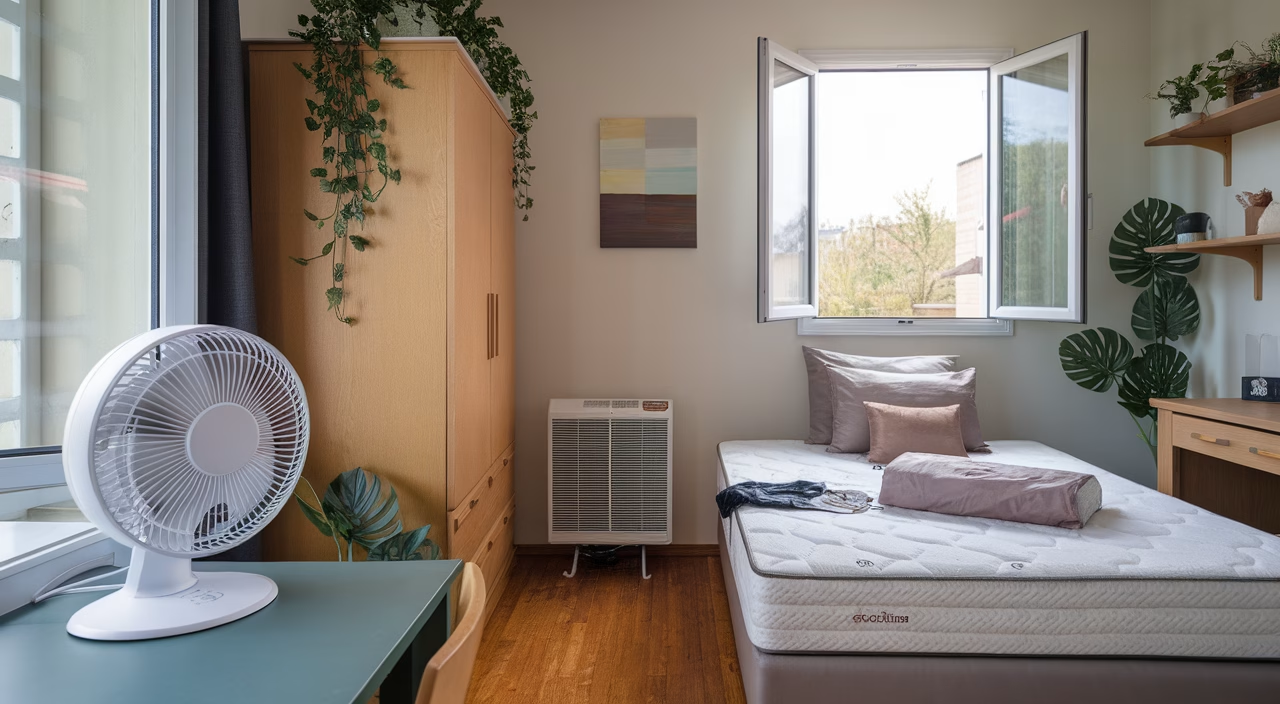
If your external environment fluctuates too much—or your bedroom just doesn’t maintain the ideal room temperature for sleep—investing in support gear can dramatically improve your sleep quality. Here’s a breakdown of effective cooling and heating devices:
| Device Type | Best For | Pros | Cons |
|---|---|---|---|
| Cooling Mattress Pads | Hot sleepers/night sweats | Reduces body heat, easy setup | Some versions can be pricey |
| Room Fans or Air Circulators | Maintaining consistent airflow | Affordable, moveable | No temperature drop without cool source |
| Portable Heaters | Chilly homes or cold climates | Compact heat, energy efficient | Safety concerns; monitor use |
| Smart Thermostats | Automated temperature control | Precision, eco-friendly | Setup costs |
Cost Guide: Balancing Comfort and Budget
Investing in sleep tools doesn’t have to drain your wallet. Below is a quick cost guide to help you plan for your comfort:
| Category | Low-End | Mid-Range | High-End |
|---|---|---|---|
| Cooling Devices | $25–$60 (Fans) | $100–$250 (Passive mattress toppers) | $500+ (Active cooling systems) |
| Heating Devices | $20–$50 (Electric blankets) | $75–$150 (Portable heaters) | $400+ (Smart zoned heating) |
| Smart Controls | NA | $120–$200 | $300+ |
Final Thought: Why Temperature Should Be Your Sleep Priority
Here’s what we often see: people overhaul their sleep routines, buy luxurious mattresses, or take supplements—only to overlook how room temperature affects sleep quality. Your body is engineered to sleep best in a cool, stable environment. Without achieving the ideal room temperature for sleep, even other great sleep habits may disappoint.
So before chasing complicated solutions, take a moment to optimize the bedroom temperature around you. Sometimes, the simplest fix—like dropping the thermostat a few degrees—delivers the biggest wins for sleep quality. Better sleep is within reach, and it begins with the climate you create in your sleep environment.
Frequently Asked Questions
Can room temperature affect sleep quality?
Yes, room temperature significantly influences how fast you fall asleep, how long you stay asleep, and the amount of REM sleep you get. Too hot or too cold environments often result in restless nights and poor sleep quality.
What’s the best room temperature for sleep?
Most experts agree that the ideal room temperature for sleep falls between 60 and 67°F (15.5 to 19.5°C). This range supports the body’s natural thermoregulation and helps with deep, restorative sleep quality.
How can I cool down my bedroom without air conditioning?
Use fans to circulate air, blackout curtains to block sun heat, and breathable bedding materials like cotton or bamboo to naturally maintain cooler bedroom temperature for better sleep quality.
Is it bad to sleep in a cold room?
Too cold of an environment can cause frequent waking and discomfort. Always ensure your body is warm enough with blankets, even if the room temperature is cool, to maintain optimal sleep quality.
Can heating devices be left on all night?
Some heating devices are safe to use overnight—but choose models with auto shut-off features and always follow safety guidelines to reduce fire risk while maintaining comfortable bedroom temperature.
Why do I wake up sweaty even with the fan on?
This could be due to excess body insulation (such as memory foam or linens that trap heat). Consider using cooling covers or moisture-wicking sheets instead to better regulate room temperature and improve sleep quality.
Are smart thermostats worth it for sleep?
If you’re sensitive to temperature changes, smart thermostats can automate the ideal room temperature for sleep, improving consistency and comfort without manual adjustments, ultimately enhancing your overall sleep quality.