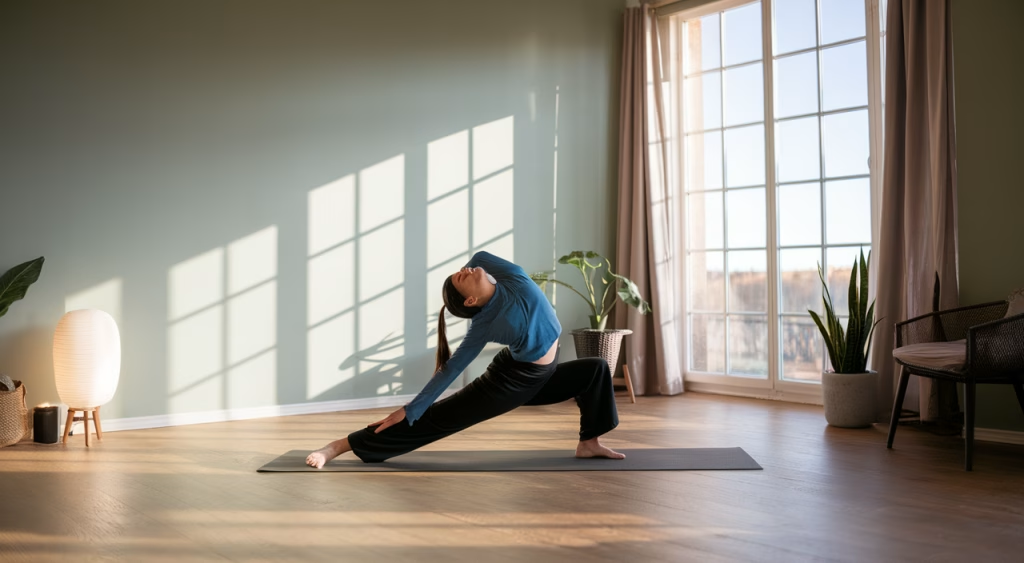
Can Releasing the PSOAS Muscle Help Ease Anxiety?
Yes, releasing chronic tension in your PSOAS muscle can dramatically reduce symptoms of stress, anxiety, and trauma-related tension. This deep core muscle plays a crucial role in regulating your emotional and physical stability, connecting directly to your nervous system and survival responses. When your PSOAS is tight, it mirrors mental distress—making it an essential focus for natural anxiety relief.
TL;DR Summary:
- Anxiety and the PSOAS muscle share a powerful connection—when your PSOAS tightens, it triggers your body’s fight-or-flight response.
- This muscle directly influences your sympathetic nervous system, which controls how you respond to stress and perceived danger.
- Chronic muscle tension in your PSOAS can trap you in anxious states, especially after experiencing trauma.
- You can release tight PSOAS muscle tension through targeted exercises, breathwork, somatic therapy and gentle stretching to re-regulate your nervous system.
- Addressing PSOAS tension is essential for truly holistic approaches for anxiety and muscle tightness.
Understanding the Connection Between Anxiety and the Psoas Muscle
What is the Psoas Muscle?
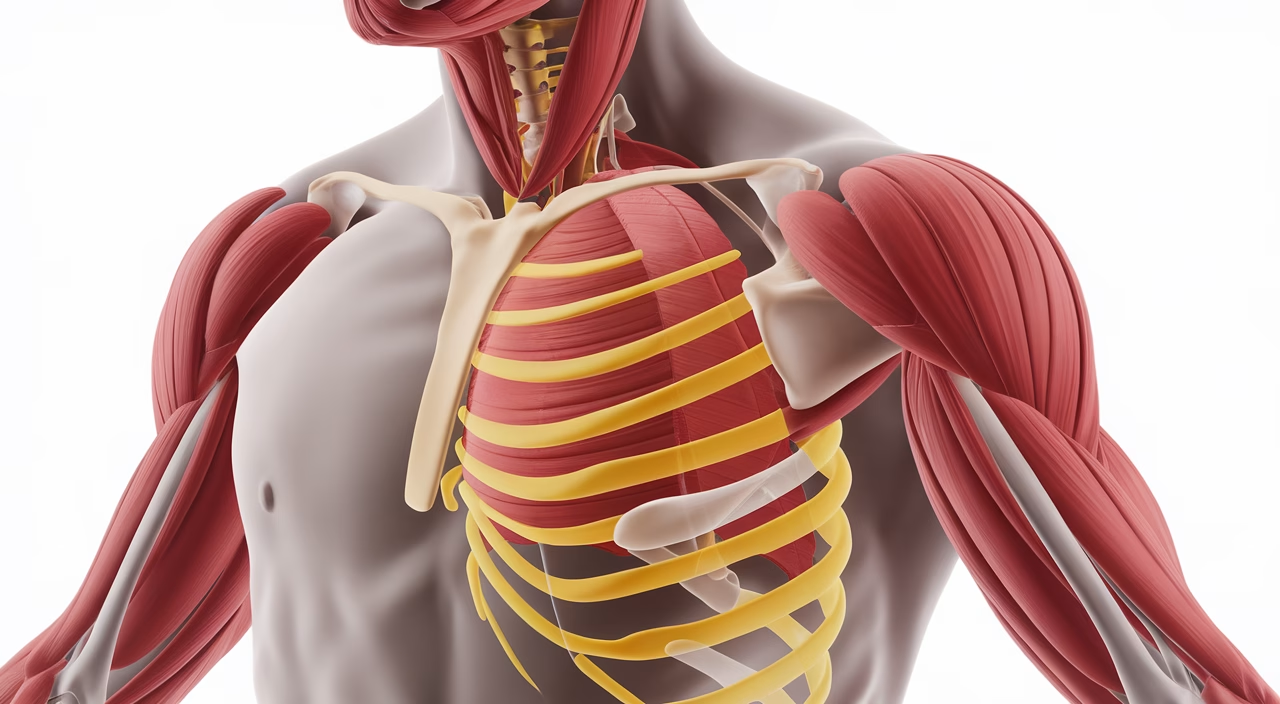
Your PSOAS (pronounced “so-as”) is a deep core muscle that connects your spine to your legs. It stretches from your lumbar vertebrae through your pelvis and attaches to your femurs. As the only muscle linking your upper and lower body, it plays a major role in your posture, movement, and balance.
However, your PSOAS is far more than just a mechanical component—it’s a key player in the unconscious relationship between your body and emotions. Often called the “muscle of the soul,” your PSOAS reacts instantly when you’re scared, overwhelmed, or anxious, influencing everything from digestive issues to heart palpitations. Understanding its function is critical for effective mind-body healing approaches.
How Stress and Anxiety Impact Your Psoas Muscle
When you experience acute stress and anxiety, your body immediately prepares to protect itself. Your sympathetic nervous system activates the fight-or-flight response, signaling your body to stay on high alert. Your muscles tense, breathing becomes shallow, and your PSOAS tightens instinctively, preparing you to run or defend yourself.
Here’s the problem: if your body remains in this hyper-alert state due to chronic emotional stress or unresolved trauma, your PSOAS never fully releases. You may not even realize it’s constantly contracted. Over time, this hidden muscle tension accumulates, pulling your posture forward, compressing your organs, and contributing to insomnia, digestive problems, and persistent anxiety.
This creates a vicious cycle—an anxious mind tightens your PSOAS, and a tight PSOAS reinforces your anxiety. That’s why learning how to release tight PSOAS muscle tension is so transformative—it’s like unlocking an internal door that’s been sealed shut for years.
7 Proven Techniques to Release Psoas Muscle Tension
Mind-Body Practices for Relaxing the Psoas

Since your PSOAS lies deep within your body, traditional stretching often can’t reach it effectively. Instead, slow, intentional practices that restore safety and calm to your nervous system prove much more powerful.
- Diaphragmatic breathwork: Deep belly breathing activates your parasympathetic nervous system, helping your PSOAS release tension subconsciously.
- Somatic experiencing: A trauma-informed approach that retrains your body to discharge stored stress and tension naturally.
- Restorative yoga: Poses like constructive rest, legs-up-the-wall, and gentle supported backbends specifically target PSOAS relaxation.
- Meditation with body scans: Build awareness of physical sensations in your PSOAS region—often the first step in emotional release.
Physical Exercises to Relieve Stress-Related Muscle Tightness
If you’re wondering how to release tight PSOAS muscle tension through movement, try these gentle approaches. Remember, aggressive stretching may backfire by triggering more anxiety in your nervous system.
- Supported pigeon pose: Opens your hips and signals to your PSOAS that it’s safe to lengthen and release.
- Low lunge with bolster: Provides support while gently encouraging PSOAS lengthening in complete comfort.
- Modified couch stretch: Helps release hip flexor tension; always use a wall or chair for support and stability.
- Somatic shaking: Allowing your body to naturally tremble can discharge stored nervous energy, effectively resetting your system.
Create a soothing environment while exercising: use dim lighting, play quiet music, and maintain a reassuring mindset to signal to your PSOAS that it’s finally safe to soften and release.
The Role of Trauma in Psoas Muscle Dysfunction
Healing Practices for Trauma-Induced Muscle Tension
Understanding the link between trauma and muscle tension helps you work more compassionately with your body. When you experience a traumatic event—emotional or physical—your PSOAS often locks up as protection. It becomes a visceral shield, bracing for impact. Unfortunately, this muscle doesn’t automatically relax just because the danger has passed.
Many people tell me, “I’m safe now, but my body doesn’t feel it.” That protective bracing pattern becomes stored in your muscle memory. Healing this tension isn’t just about stretching—it’s about restoring your sense of safety through practices like:
- Polyvagal-informed therapy to rebuild your nervous system resilience and regulation
- Trauma-aware Pilates or gentle bodywork specifically focused on PSOAS release and integration
- TRE (Tension & Trauma Releasing Exercises) to unlock and discharge deep holding patterns
These aren’t quick fixes—they’re ongoing practices in trust, awareness, and freedom that support your healing journey.
Integrative Approaches for Managing Anxiety and Psoas Health
True healing happens when you combine physical, emotional, and energetic tools. Here’s how to make your anxiety recovery plan PSOAS-conscious and comprehensive:
| Approach | Impact on PSOAS |
|---|---|
| Mindful breathwork | Downregulates nervous system, encourages PSOAS relaxation |
| Therapeutic bodywork | Releases fascial and emotional holding patterns |
| Movement therapy (yoga, Pilates) | Improves mobility without force, strengthens postural balance |
| Somatic psychotherapy | Helps reconnect body and mind, resolve trauma responses |
Cost Guide: Approaches to PSOAS and Anxiety Relief
| Service | Low-End | Mid-Range | High-End |
|---|---|---|---|
| Virtual Yoga or Meditation Class | $10/session | $30/session | $100/month subscription |
| Somatic Therapy | $70/session | $120/session | $200+/session |
| Bodywork (Myofascial or Craniosacral) | $60/session | $90/session | $150/session |
Final Thoughts: Soften Your Core, Calm Your Mind
If you’ve been managing unexplained anxiety, persistent hip tightness, or a constant feeling that you’re “always on edge,” you may be dealing with a PSOAS that’s stuck in survival mode. Learning how to release tight PSOAS muscle tension can relieve both the mental and physical pressure you’ve been carrying for years.
This process takes practice, patience, and a gentle approach—but imagine the lightness you’ll feel when you no longer have to armor your core just to get through each day. Your body already knows how to heal itself. Sometimes, it just needs your permission to let go.
Frequently Asked Questions
- How are the psoas muscles linked to trauma?
Your PSOAS acts as a storage site for emotional memories, especially trauma. It responds automatically during threatening events and can remain contracted long after the trauma has ended, creating persistent tension and anxiety symptoms. - What symptoms signal a tight PSOAS muscle?
Common signs include lower back pain, hip tightness, shallow breathing, digestive discomfort, and a persistent feeling of anxiety or restlessness throughout your body. - Can breathwork really help the PSOAS muscle?
Absolutely. Slow diaphragmatic breathing helps shift your nervous system into a parasympathetic state, encouraging your PSOAS to naturally release the tension it holds during fight-or-flight responses. - How long does it take to release PSOAS tension?
Results vary for each person. Consistent gentle practices over a few weeks may yield noticeable improvements. For trauma-related tension, longer supportive care with qualified practitioners is often beneficial. - Should I stretch my PSOAS daily?
Not necessarily. Passive stretching alone is less effective than nervous system-based approaches like somatic work, restorative poses, and mind-body integration techniques for lasting relief. - Can a tight PSOAS affect my digestion?
Yes. Since your PSOAS wraps near your abdominal organs and affects your posture, chronic tension can indirectly disrupt your digestive processes through compression and nervous system activation.