How does sleep deprivation affect balance control?
Sleep deprivation affects balance control by disrupting your brain’s ability to coordinate movement and maintain postural stability. When you’re sleep-deprived, fatigue impairs the sensory integration and motor response systems in your brain, making it significantly harder to stay upright — especially when visual cues are limited or you’re navigating challenging terrain.
TL;DR: What You Should Know
- Balance relies on your brain’s coordination: Quality sleep helps synchronize the signals between your muscles, inner ear, and eyes for optimal postural control.
- Fatigue delays motor responses: Even mild sleep deprivation can impair your reaction speed and dramatically increase your fall risk.
- Chronic lack of sleep leads to long-term balance issues: Persistent drowsiness affects gait stability and coordination, especially in low-light situations.
- You can improve balance despite poor sleep: With targeted exercises and daily adjustments, you can significantly reduce coordination errors.
- Specific exercises and strategies make a measurable difference: These include proprioceptive training, mindfulness techniques, and strategic environmental modifications.
I. Understanding the Link Between Sleep Deprivation and Balance
We often think of sleep deprivation as purely a mental concern — foggy thinking, irritability, and forgetfulness. But its impact on postural control is equally profound. When you’re severely lacking rest, your body literally becomes less stable due to disrupted neurological processes.
Your central nervous system relies on three main input systems for optimal balance control:
- Visual system: Helps orient you based on your surroundings and spatial relationships.
- Vestibular system: Located in the inner ear; detects changes in head position and motion.
- Somatosensory system: Gathers feedback from muscles and joints about body position and movement.
During sleep deprivation, communication among these systems becomes compromised. Your reaction times slow dramatically, muscles respond unpredictably, and missteps become more likely. The result? That familiar feeling of “wobbling” or stumbling, especially in low lighting or when transitioning from lying to standing positions.
II. The Science Behind Impaired Coordination
Let me paint a common scenario. Picture yourself getting home at midnight after a long day. You’ve had maybe four hours of sleep the night before. As you step out of your car, you sway slightly or trip on the curb. This isn’t clumsiness — it’s a measurable neurological delay caused by sleep deprivation affecting your postural control systems.
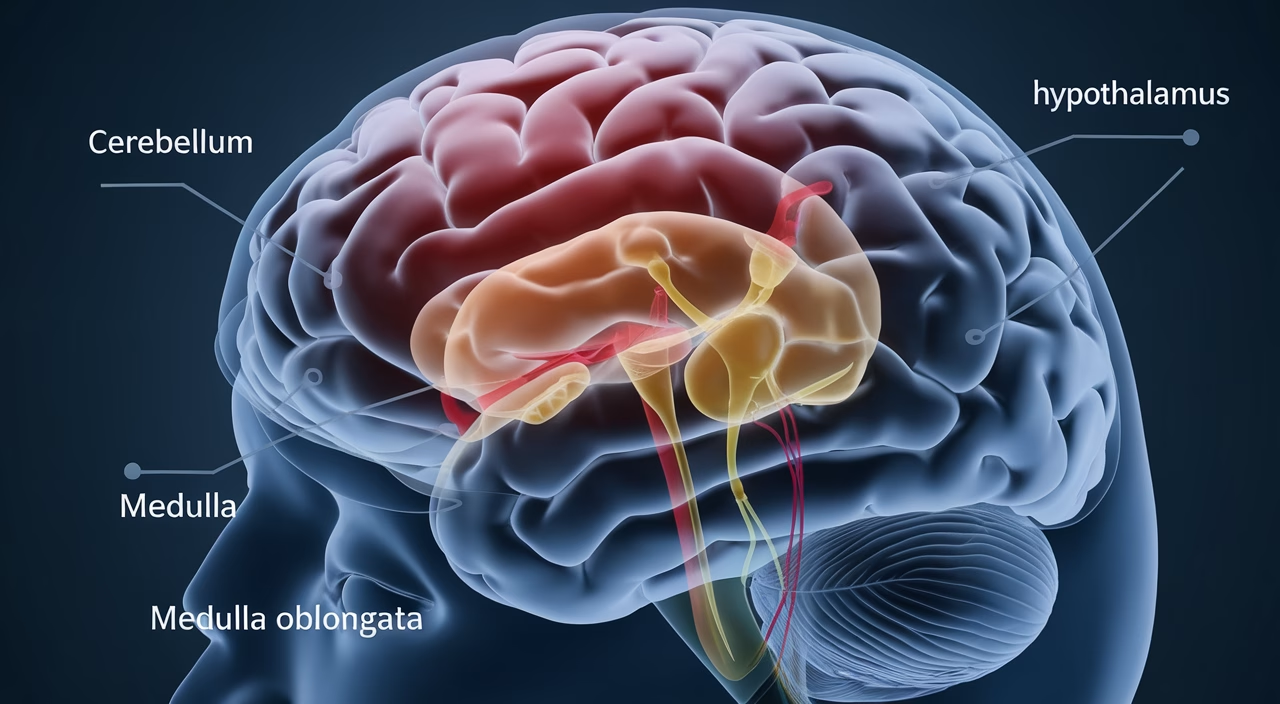
Here’s how sleep deprivation impacts different brain regions responsible for coordination:
| System Affected | Function | Sleep Deprivation Impact |
|---|---|---|
| Cerebellum | Motor coordination and precision | Slower, jerky motion and reduced balance control |
| Prefrontal Cortex | Attention and decision-making | Delayed reaction time and poor spatial awareness |
| Vestibular System | Spatial orientation and balance | Weaker equilibrium detection and postural instability |
This impaired function explains the measurable decline in postural control during periods of poor sleep quality. One landmark study found that participants who missed just one night of sleep showed up to 60% more postural sway during balance tests on unstable surfaces — a clear indicator of compromised coordination.
III. Practical Tips for Enhancing Balance During Sleep Deprivation
Now let’s focus on what you can actually do when you’re running on fumes. Whether it’s one bad night or chronic sleep issues, here are evidence-based strategies to maintain better postural control:
- Optimize your lighting environment: Poor lighting combined with sleep deprivation dramatically increases accident risk. Install soft motion-sensor lights in hallways or near stairs to support your visual system.
- Minimize multitasking while moving: Avoid walking while reading your phone or carrying multiple items when you’re experiencing the effects of lack of sleep on coordination.
- Choose supportive, stable footwear: Avoid high heels, flip-flops, or slick soles after poor sleep quality. Opt for shoes with wide bases and excellent grip to compensate for reduced balance control.
- Use environmental tactile cues: Hold railings, place textured rugs strategically, or use walking aids during low-energy periods to support your somatosensory system.
Most importantly, don’t ignore patterns in your postural stability. If you consistently feel off-balance after certain sleep habits, your body is providing crucial feedback about the sleep quality impact on postural control.
IV. Essential Exercises for Better Postural Control
You don’t have to wait for perfect sleep to improve your balance control. You can train your body to compensate effectively, even when experiencing chronic sleep deprivation. Here are highly effective exercises to build “balance resilience” and improve coordination:
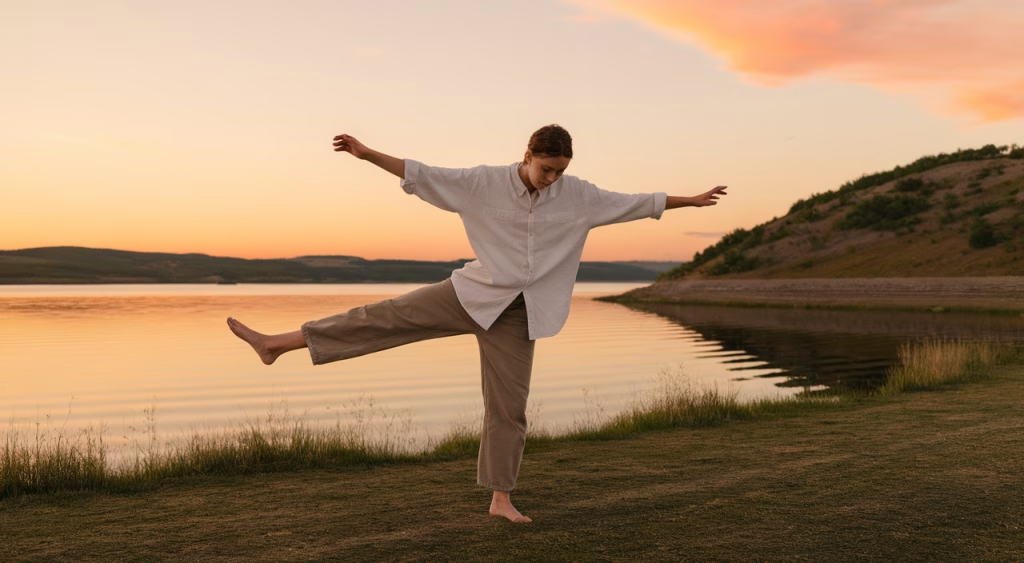
1. Single-Leg Stance
How-to: Stand near a sturdy object for safety. Lift one leg and hold for 30 seconds, focusing on maintaining postural stability. Switch sides. Repeat 3–5 times daily to strengthen your proprioceptive system.
2. Toe-to-Heel Walking
How-to: Walk in a straight line, placing the heel of one foot directly in front of the toes of the other. This exercise is excellent for improving coordination and proprioceptive training.
3. Stability Ball Shifts
How-to: Sit on a stability ball and gently rock forward/back then side-to-side. This dynamic movement retrains your trunk control and enhances core proprioceptive awareness.
4. Eyes-Closed Balance Training
How-to: Perform any standing balance exercise with your eyes closed — this specifically targets the vestibular and somatosensory systems, reducing dependence on visual input for postural control.
| Exercise | Equipment Needed | Ideal Use Case |
|---|---|---|
| Single-Leg Stance | None | Quick reset when fatigue affects coordination mid-day |
| Stability Ball Shifts | Balance/stability ball | Morning routine after poor sleep quality |
V. Long-Term Strategies for Managing Coordination Issues
While targeted exercises provide immediate relief from balance control issues, what about lasting improvement? Consider integrating these balance-building habits into your routine, even on days when your sleep quality is good:
- Mind-body training like Tai Chi or yoga: These disciplines simultaneously enhance core strength, proprioceptive training, and mental focus — all crucial for maintaining postural control during sleep deprivation.
- Establish consistent sleep hygiene routines: Avoid screens 1 hour before bed, use blackout curtains, and maintain regular sleep/wake cycles to improve overall sleep quality and reduce the chronic impact of sleep deprivation on balance.
- Practice barefoot walking indoors: This stimulates nerve endings on your feet and significantly heightens proprioceptive awareness and postural stability.
- Maintain proper hydration: Dehydration compounds dizziness and worsens fatigue-related coordination issues, creating a double impact on balance control.
Small, consistent changes like these compound over time — acting like stability insurance when sleep deprivation inevitably affects your life again.
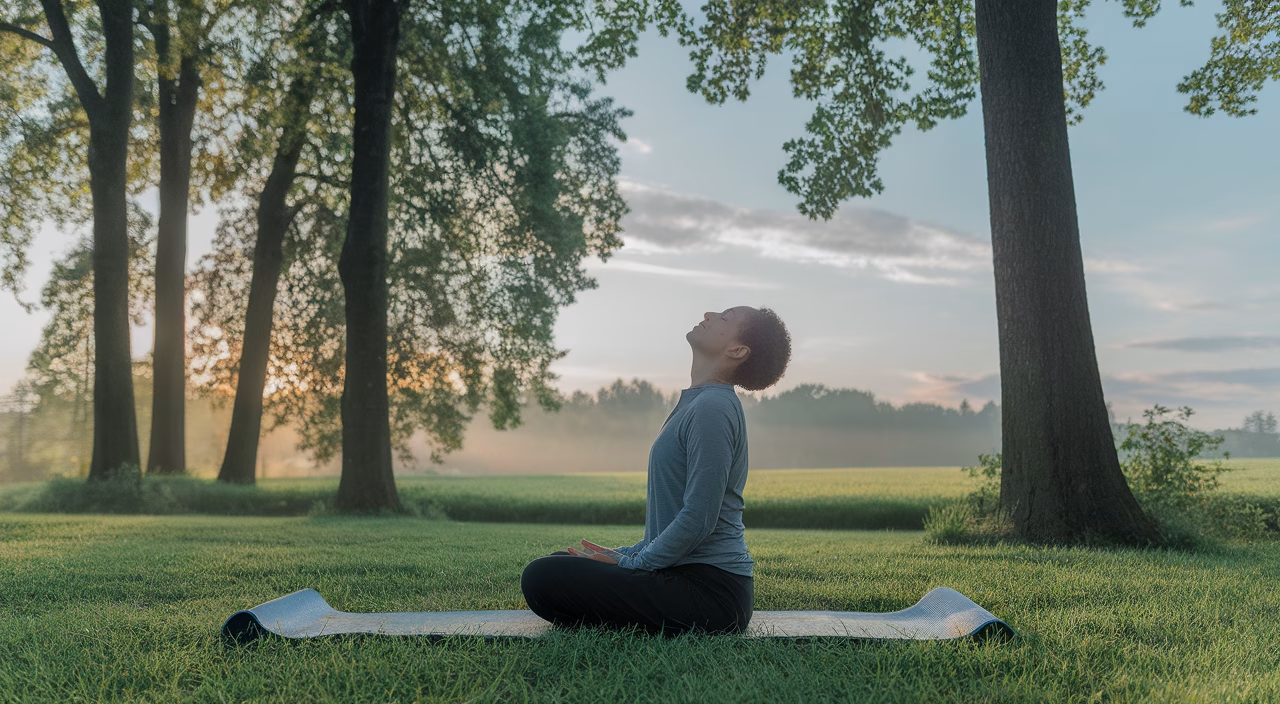
VI. Real-Life Success Stories and Testimonials
Here’s what we’ve observed in clinical practice regarding sleep deprivation and balance control. One client, a busy nurse working 12-hour night shifts, began experiencing frequent falls and hip pain due to chronic impaired postural stability. By integrating just 10 minutes of focused proprioceptive training and pre-shift meditation, her coordination improved dramatically within two weeks.
Another case involved a teenage athlete experiencing coordination issues due to academic stress affecting his sleep quality. Adding barefoot balance walks and breathing techniques to his morning routine significantly reduced incidents of ankle injuries during practice — a clear demonstration of improved postural control.
The common thread in successful balance improvement: awareness + targeted action = enhanced coordination resilience. Balance control isn’t a passive skill — it’s a system worth training consistently, especially when managing the effects of chronic sleep deprivation.
Final Thoughts
Sleep deprivation and balance control are undeniably connected through complex neurological pathways. But even when perfect sleep quality isn’t achievable, you can still dramatically support your body’s ability to maintain postural stability. Integrating simple balance exercises, environmental modifications, and mindfulness routines empowers you to move more safely and steadily. As always, if you notice worsening coordination or persistent balance issues beyond typical fatigue effects, it’s worth exploring with a healthcare provider. You don’t have to choose between being alert or coordinated — with the right strategies, you can support both aspects of your health, regardless of your current sleep habits.
Frequently Asked Questions
Can tiredness affect coordination?
Yes, absolutely. Fatigue from sleep deprivation slows down your brain’s processing speed and delays motor responses, directly impacting coordination and significantly increasing the risk of imbalance or falls.
What exercises help with balance during sleep deprivation?
Exercises like single-leg stands, heel-to-toe walking, stability ball shifts, and yoga-based movements are highly effective for building balance resilience and improving postural control when sleep-deprived.
How much does lack of sleep decrease physical performance?
Even partial sleep deprivation can decrease physical accuracy and coordination by 10–30%, with particularly pronounced effects on postural control, balance, and motor responsiveness.
When should I worry about balance problems?
If you notice persistent dizziness, frequent falls, or balance issues that don’t improve with better sleep quality or targeted exercises, consult a medical professional for evaluation.
Can chronic lack of sleep lead to permanent balance issues?
Yes, prolonged sleep deprivation can lead to long-term disruption in motor skill patterns and postural control, but these effects can often be significantly improved with proper interventions and consistent training.
Does caffeine help restore coordination?
Caffeine may temporarily enhance alertness, but it does not fully restore the fine motor control and postural stability needed for safe and accurate balance during sleep deprivation.
Do wearable trackers detect unstable balance?
Some advanced fitness devices can monitor gait patterns and postural sway, potentially alerting users to coordination changes, but they are not substitutes for clinical diagnostic tools or professional balance assessments.