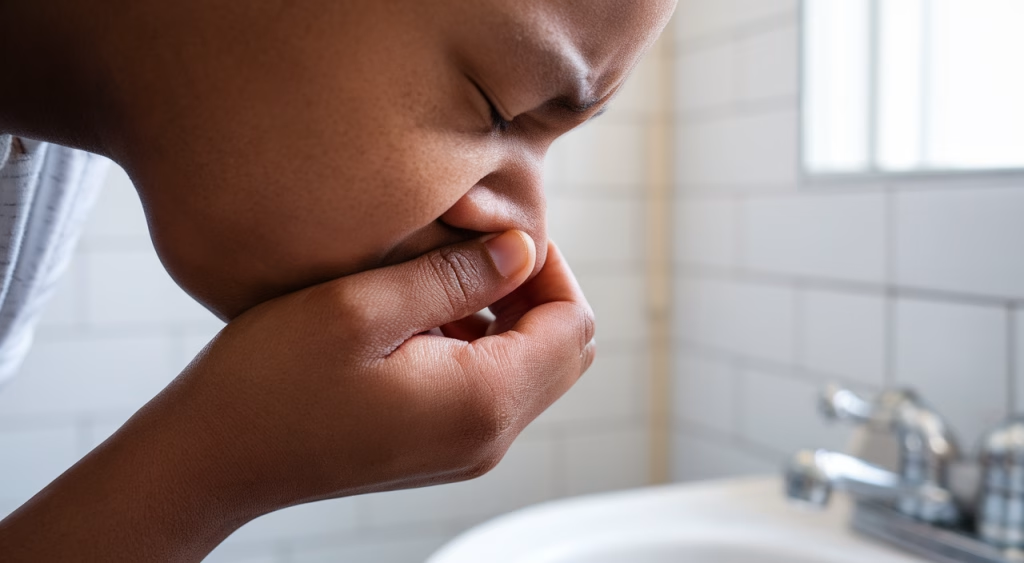
What causes nosebleeds and how can you stop them quickly?
Nosebleeds—also called epistaxis—are incredibly common and can strike at the most inconvenient times. They often result from nasal membrane irritation, injury, or an underlying condition. Fortunately, most nosebleeds are harmless and can be stopped with simple steps at home using proven techniques.
TL;DR: Nosebleeds Treatment and Prevention Overview
- Most nosebleeds happen due to dry nasal passages, trauma, or inflammation.
- Anterior nosebleeds (from the front of the nose) are common and less serious than posterior ones.
- To stop a nosebleed quickly at home: sit upright, tilt your head forward, and pinch your nostrils just below the bridge.
- Apply cold compresses and avoid blowing your nose after bleeding stops.
- Chronic or recurring nosebleeds may signal an underlying issue and require medical evaluation.
- Preventive strategies include humidifiers, nasal saline sprays, avoiding nose-picking, and treating allergies.
- Seek medical help if a nosebleed lasts more than 20 minutes or follows trauma.
Understanding Nosebleeds
Causes of Nosebleeds
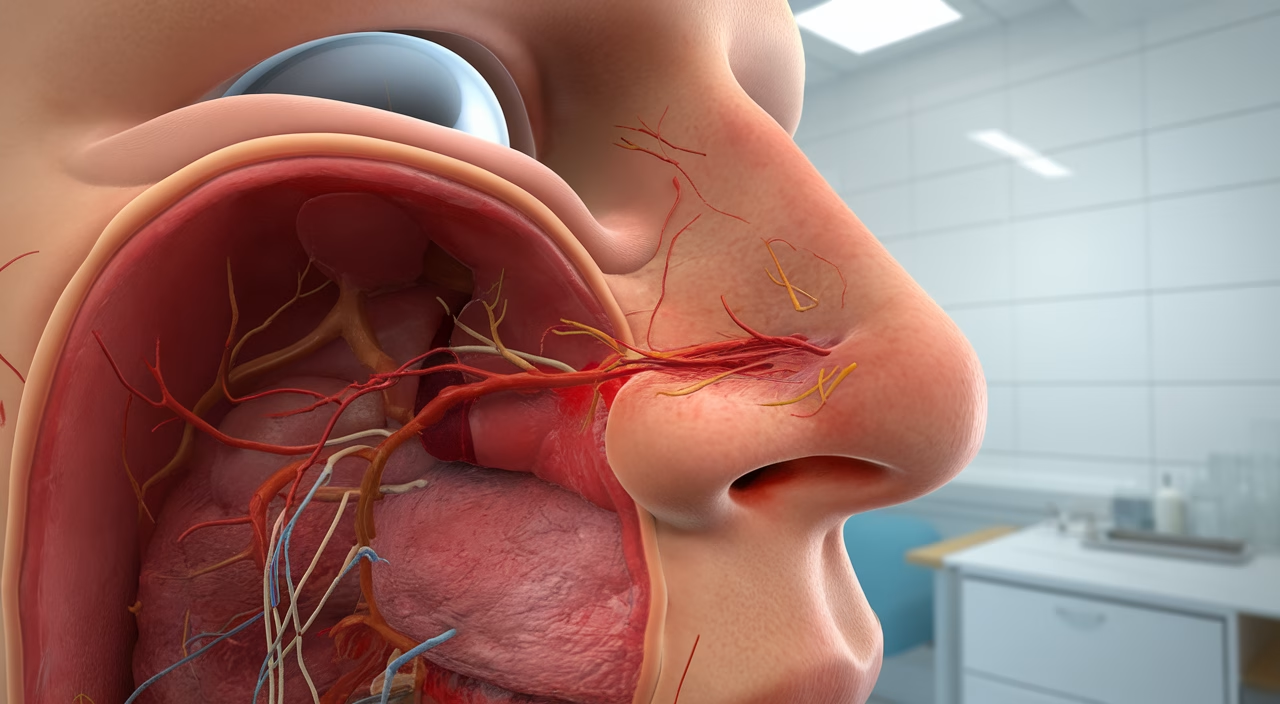
While nosebleeds may seem alarming, nine times out of ten, the cause is fairly common. Your nasal passages contain delicate blood vessels that sit close to the surface—making them vulnerable to rupture. Understanding the causes of nosebleeds helps you prevent future episodes:
- Dry air: During winter or in arid climates, dry indoor air dehydrates nasal membranes, making them prone to cracking and bleeding.
- Nose picking or frequent blowing: Direct trauma from picking or aggressive nose blowing is a leading trigger, especially in children.
- Infections or allergies: Congestion, sneezing, and inflammation can irritate nasal capillaries and cause bleeding.
- Medication side effects: Blood thinners, aspirin, or overused nasal sprays can contribute to nosebleeds.
- Structural abnormalities: Septal deviation or nasal polyps may create chronic irritation leading to frequent bleeding.
- High blood pressure and clotting disorders: These conditions may contribute to persistent or unexplained nosebleeds.
For chronic nosebleeds causes and treatment, tracking frequency and triggers is essential. Keep a symptom journal and consult an ENT specialist to identify underlying patterns and develop targeted prevention strategies.
Types of Nosebleeds
Not all nosebleeds are created equal. Understanding the two primary types helps you choose the right treatment approach:
- Anterior nosebleeds originate from the front part of your nose (Kiesselbach’s plexus) and account for 90% of cases. These typically respond well to home care.
- Posterior nosebleeds occur deeper in the nasal cavity and are less common but more serious. These often require professional medical intervention.
Recognizing which type you’re experiencing helps determine the most effective treatment and when to seek professional help.
Treatment Options for Nosebleeds
Home Remedies
Here’s exactly how to stop a nosebleed quickly at home using proven techniques that work:
- Stay calm—anxiety increases blood pressure and can worsen bleeding.
- Sit upright and lean slightly forward—this prevents blood from draining down your throat.
- Firmly pinch the soft, fleshy part of your nose (not the bridge) with your thumb and finger for 10–15 minutes without releasing pressure.
- Apply a cold compress to your nose and cheeks to help constrict blood vessels.
- Once bleeding stops, avoid blowing your nose for several hours to prevent re-bleeding.
Most nosebleeds resolve within 10-20 minutes using these steps. After the bleeding stops, gently apply saline nasal spray or a thin layer of petroleum jelly inside your nostrils to keep tissues moist and prevent recurrence.
Medical Interventions
When home remedies aren’t sufficient, medical professionals offer several epistaxis treatment options:
| Treatment | Description | Used When |
|---|---|---|
| Nasal packing | Gauze or balloon devices inserted to apply pressure | Severe or posterior nosebleeds |
| Cauterization | Sealing the bleeding vessel with chemicals or heat | Frequent anterior bleeds |
| Embolization | A radiology-guided procedure to block bleeding arteries | When other methods fail |
These medical interventions are highly effective for stubborn cases. Consider professional treatment if you experience nosebleeds more than 2–3 times per week or if home remedies consistently fail to stop the bleeding.
Prevention Strategies

Prevention is often more effective than treatment. Here are evidence-based nosebleed prevention tips that can dramatically reduce your risk:
- Use a humidifier—especially during winter months—to maintain 40-50% indoor humidity and keep nasal passages moist.
- Limit nasal spray use to prevent tissue drying and irritation from overuse.
- Stay well-hydrated by drinking 8-10 glasses of water daily to maintain healthy mucosal lining.
- Apply saline nasal spray twice daily or use petroleum jelly sparingly inside nostrils during dry weather.
- Manage allergies promptly with antihistamines or prescribed medications to reduce sneezing and inflammation.
- Avoid aggressive nose-picking or forceful blowing—teach children gentler nose care habits.
For those dealing with chronic nosebleeds causes and treatment, addressing root causes like hypertension, iron deficiency, or structural abnormalities is crucial. Work with your ENT specialist to develop a comprehensive prevention plan that addresses your specific triggers and medical history.
When to Seek Medical Help
While most nosebleeds are harmless, certain warning signs require immediate medical attention. Contact a healthcare provider if:
- Bleeding continues for more than 20 minutes despite proper pinching technique.
- The nosebleed follows a head injury or facial trauma.
- You experience frequent nosebleeds (more than once weekly) without obvious cause.
- You feel dizzy, weak, or have trouble breathing during a nosebleed.
Persistent or unexplained nosebleeds could indicate serious conditions like bleeding disorders, tumors, or cardiovascular issues. Your doctor may perform nasal endoscopy, blood tests, or imaging studies to determine the underlying cause and recommend appropriate treatment.
Conclusion
Understanding how to stop a nosebleed quickly at home and implementing effective prevention strategies can save you from future episodes and worry. While most nosebleeds are minor inconveniences, knowing when to seek professional help ensures you stay safe and healthy.
Remember, the key to managing nosebleeds lies in proper technique, patience, and recognizing your personal triggers. If you’re concerned about frequent episodes, don’t hesitate to consult with an ENT specialist for personalized evaluation and treatment recommendations.
FAQ
- Why am I getting nose bleeds so often?
Frequent nosebleeds could signal dry air exposure, excessive nose picking, medication side effects, or underlying medical issues. See a doctor for evaluation if bleeding occurs regularly. - How can I prevent nosebleeds during the winter?
Use a humidifier, saline nasal sprays, and apply petroleum jelly inside your nostrils to prevent dryness during cold months. - Is it normal for a child to get nosebleeds?
Yes, children often get anterior nosebleeds due to picking or minor trauma. However, frequent cases should still be evaluated. - Can high blood pressure cause nosebleeds?
Yes, elevated blood pressure can weaken nasal blood vessels, making them prone to rupture. - Is tilting the head back during a nosebleed recommended?
No. You should tilt your head forward to avoid swallowing blood, which can cause nausea or vomiting. - Do nosebleeds mean something serious?
Most are harmless, but recurrent or posterior nosebleeds may suggest a more serious issue and should be addressed medically. - What to avoid after a nosebleed?
Avoid nose-picking, vigorous nose blowing, hot showers, or strenuous activity for several hours afterward.