What Are the Best Foods for Glowing Skin and Anti-Aging?
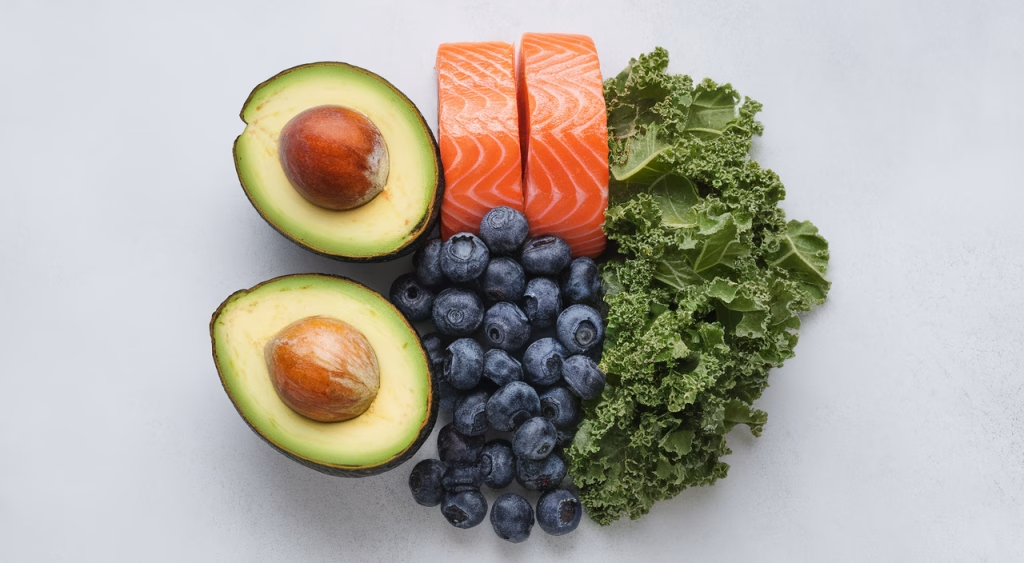
You may be surprised to learn that your daily diet can impact your skin more than most luxury skincare products. The secret to naturally radiant, youthful skin starts from within — through the foods for glowing skin that you eat. Dermatologists and nutritionists agree: prioritizing skin-nourishing superfoods in your meals can reduce wrinkles, increase hydration, and boost collagen like no cream ever could.
TL;DR – Top Superfoods for Skin at a Glance
- Avocados: Packed with healthy fats and vitamin E to hydrate and soften skin naturally.
- Blueberries: High in antioxidants to fight collagen breakdown and boost elasticity.
- Fatty Fish: Omega-3s reduce inflammation and keep skin firm and moisturized.
- Sweet Potatoes: Rich in beta carotene for cell turnover and antioxidant protection.
- Green Tea: Contains EGCG to repair sun damage and reduce puffiness.
- Nuts & Seeds: Offer vitamin E, selenium, and zinc for cellular repair and barrier health.
- Tomatoes: Lycopene protects from UV and boosts skin texture.
- Olive Oil: Keeps skin elastic and deeply nourished due to squalene and healthy fats.
- Kiwis: Vitamin C for collagen production and skin brightening power.
- Dark Leafy Greens: Glow-boosting with lutein, folate, and vitamins A, C, and E.
Eat Your Way to Radiance: How Superfoods for Skin Boost Health
Ever wondered why some people seem to have an effortless glow while others spend a fortune on skincare with little payoff? The answer often lies in your plate, not your vanity.
Your skin is your body’s largest organ—it thrives on nutrients like any other. Well-fed skin tends to clear faster, glow brighter, and age more gracefully. Let’s explore how the best foods for glowing skin can dramatically alter your skin’s tone, texture, and firmness over time.
The Essential Superfoods That Make Skin Glow
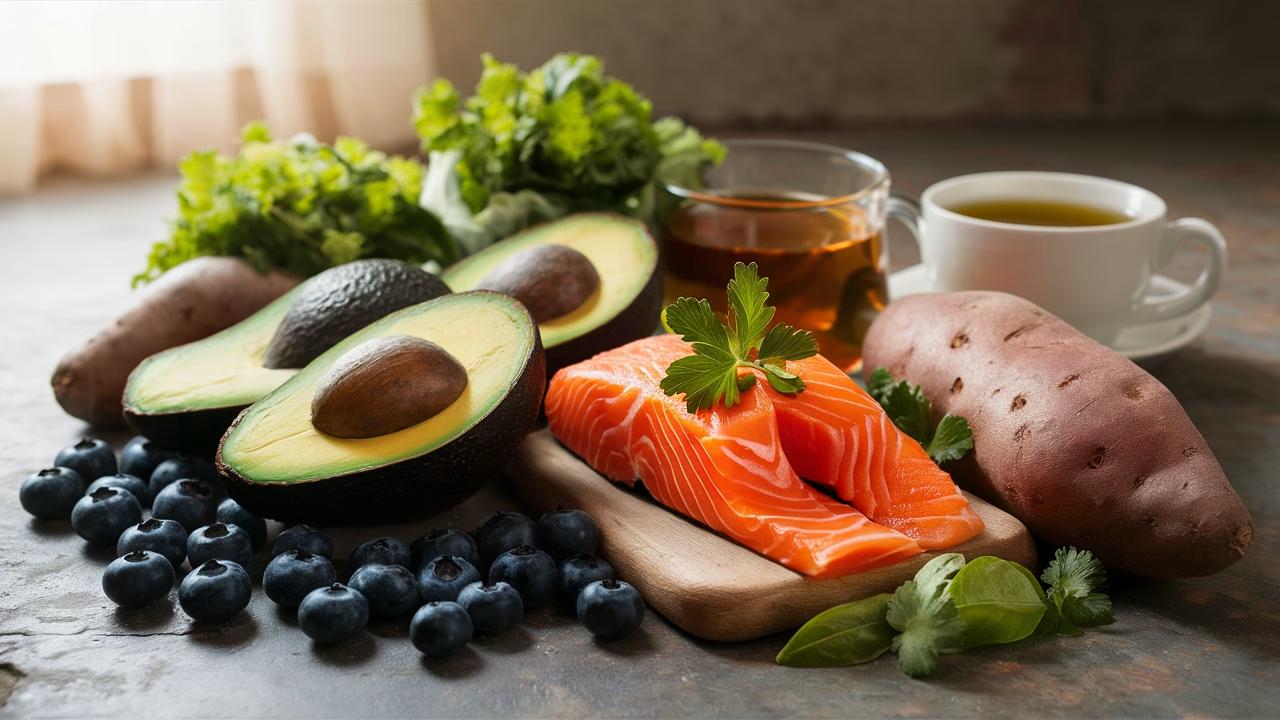
Let’s explore the beauty-boosting foods for glowing skin that dermatologists and registered dietitians recommend most:
| Food | Key Nutrients | Skin Benefits |
|---|---|---|
| Avocados | Vitamin E, Monounsaturated Fats | Boosts skin elasticity and hydration |
| Blueberries | Anthocyanins, Vitamin C | Fights oxidative stress and supports collagen |
| Fatty Fish | Omega-3s, Vitamin D | Reduces inflammation, supports skin barrier |
| Sweet Potatoes | Beta Carotene, Vitamin A | Stimulates cell turnover, brightens skin |
| Green Tea | EGCG, Polyphenols | Repairs sun damage, improves elasticity |
How Skin-Healthy Foods Work from the Inside Out
Our skin reflects everything we consume — literally. The nutrients in foods for glowing skin are absorbed into the bloodstream and delivered to the skin’s deepest layers, where they generate collagen, combat inflammation, and promote cell regeneration.
Think of your diet as skincare with a delayed, but sustained, effect. While a fancy moisturizer might hydrate for a few hours, consistent consumption of omega-3-rich fish and antioxidant-loaded greens will condition your skin from within for weeks and months ahead.
How Long Does It Take to See Results from Superfoods for Skin?
It depends on your skin’s current condition and dietary discipline. In practice, most people report visible improvements in hydration and glow within 2 weeks of eating the best foods for glowing skin consistently. However, structural changes like reduced fine lines, improved elasticity, and fewer breakouts often take 6 to 8 weeks of consistent, nutrient-dense meals.
Here’s what you can expect when incorporating foods for glowing skin into your routine:
| Timeframe | Likely Skin Improvements |
|---|---|
| 1–2 Weeks | Brighter tone, increased moisture, less puffiness |
| 3–4 Weeks | Fewer breakouts, smoother texture, even tone |
| 6–8 Weeks | Fewer fine lines, firmer texture, visible glow |
Tips for Building a Skin-Friendly Plate with the Best Foods for Glowing Skin
Eating for glowing skin doesn’t mean bland salads or unrealistic meal plans. Here are simple tips to implement these superfoods for skin daily:
- Start your day: Add kiwi or blueberries to your morning oats or yogurt for vitamin C and antioxidants.
- Upgrade lunch: Toss dark leafy greens, roasted sweet potato, and avocado with olive oil for maximum nutrition.
- Power snacks: Grab mixed nuts for a skin-healing bite packed with vitamin E.
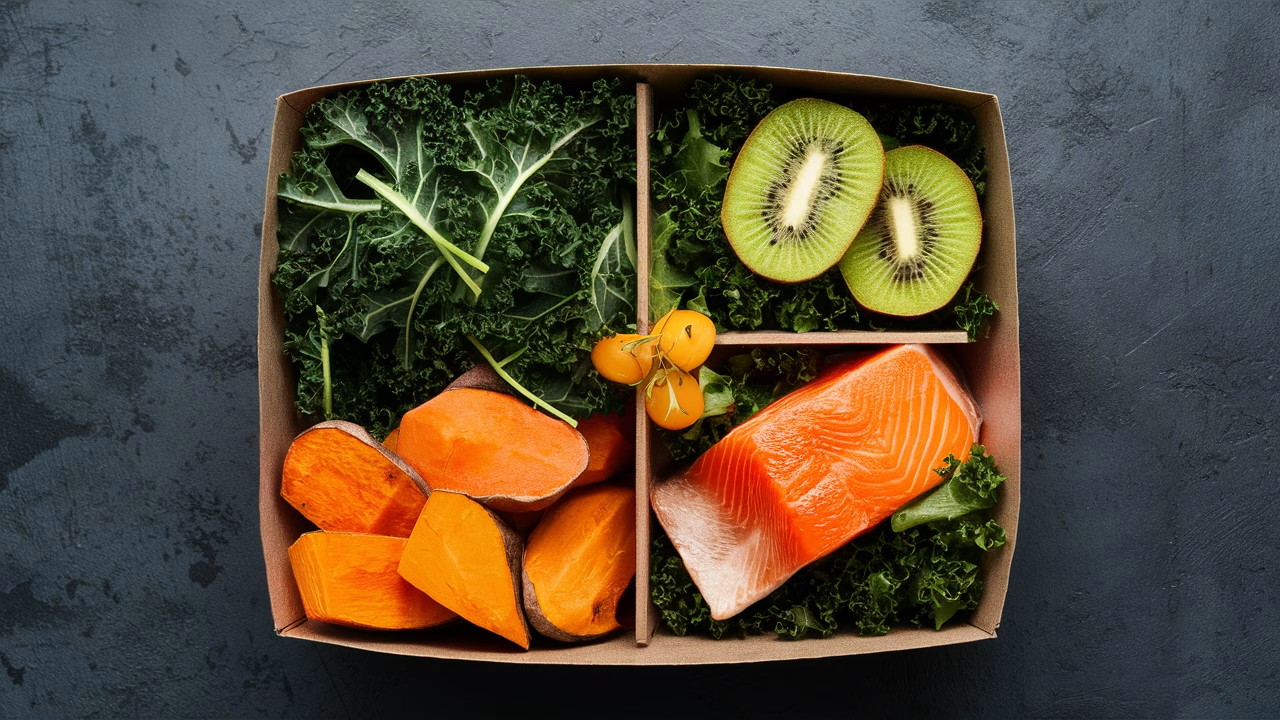
- Dinner ideas: Baked salmon with sautéed kale, quinoa, and tomato-based sauce delivers omega-3s and lycopene.
- Hydrate smartly: Swap soda for iced green tea with lemon for EGCG and vitamin C benefits.
What to Know Before Making Changes
As you introduce more foods for glowing skin, remember:
- Consistency matters. One avocado smoothie won’t change your skin overnight—but daily improvements with the best foods for glowing skin will.
- Balance is key. Pair nutrient-dense superfoods for skin with proper sleep, exercise, and stress management for best results.
- Supplements are not shortcuts. Whole foods offer fiber, phytonutrients, and absorption benefits pills can’t match.
Nail Ridges: Causes, Treatment & Prevention for Smooth Healthy Nails
Frequently Asked Questions
Can what I eat really replace my skincare products?
While foods for glowing skin won’t replace topical SPF or targeted treatments, they can dramatically enhance hydration, repair, and resilience from within. Think of it as front-line defense.
Are results from superfoods for skin permanent?
As long as you maintain a skin-supportive diet with the best foods for glowing skin, you’ll keep the results. Reverting to a nutrient-poor diet may dull your glow and worsen inflammation again.
Can food help with acne or just anti-aging?
Yes! Foods for glowing skin that are rich in zinc, healthy fats, and antioxidants can regulate oil, fight bacteria, and reduce inflammation behind breakouts.
What’s better—raw or cooked foods for skin health?
Some nutrients like lycopene in tomatoes become more bioavailable when cooked. Others, like vitamin C, degrade with heat. Balance both in your foods for glowing skin routine for the best impact.
Is it ever too late to start eating for my skin?
Never. Skin cells constantly regenerate. Even small dietary shifts toward the best foods for glowing skin can foster repair and renewed glow at any age.
What ingredients should I avoid for better skin?
Limit added sugars, refined carbs, alcohol, and trans fats. These can spike inflammation and accelerate aging, counteracting the benefits of superfoods for skin.
How much water do I truly need for glowing skin?
At least 8 glasses daily, more with exercise or heat. Hydration supports cell function and enhances all your skin-focused eating efforts with foods for glowing skin.