Why Do Hot Showers Make Me Dizzy?
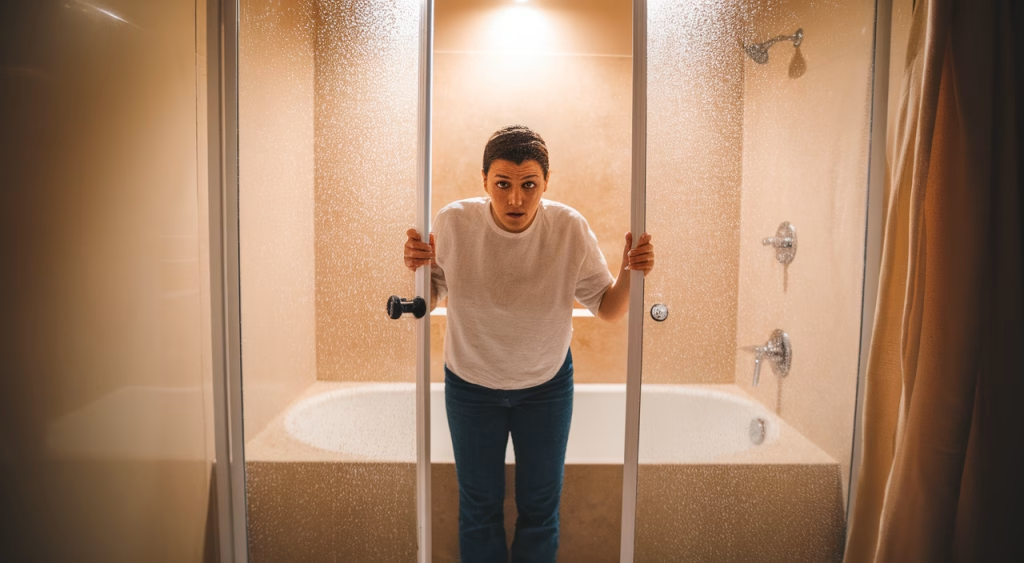
If you’ve ever wondered “why do hot showers make me dizzy,” you’re experiencing a common physiological response. Hot showers make you dizzy due to a combination of heat-induced blood vessel dilation, decreased blood pressure, and impaired circulation regulation. When you’re exposed to hot water and steam, your body attempts to cool itself by widening blood vessels—especially those near your skin’s surface. This vascular dilation process can suddenly lower your blood pressure and redirect blood away from your brain, leaving you feeling lightheaded or even causing you to faint.
TL;DR: Summary
- Hot showers make me dizzy: This is often due to a drop in blood pressure caused by the heat.
- Vascular dilation: Hot water causes your blood vessels to expand, leaving you feeling lightheaded.
- Hot water dizziness: Symptoms may include unsteadiness, nausea, blurred vision, or fainting.
- Shower steam effects on blood vessels: Steam multiplies the heat exposure and intensifies the drop in blood pressure.
- Preventing fainting in the shower: Simple fixes include lowering the water temperature, ventilating your bathroom, and staying hydrated.
Causes of Dizziness in Hot Showers
The most common culprit behind hot water dizziness is heat-related vascular changes. When your body encounters high temperatures, it activates a protective mechanism called vasodilation—the expansion of your blood vessels to release excess heat. This leads to a momentary drop in blood pressure, especially if you’re already dehydrated or haven’t eaten recently.
Here’s what typically happens: you step into that inviting hot shower after a long day, and your blood vessels quickly dilate in response to the heat. As your blood pressure dips, less oxygen reaches your brain momentarily. This creates shower fainting causes like spinning sensations, light-headedness, or general instability that makes hot showers make you dizzy.
| Trigger | Effect |
|---|---|
| High water temperature | Rapid vasodilation and blood pressure drop |
| Steam accumulation | Intensifies heat exposure and dizziness risk |
| Lack of ventilation | Hot air stagnation reduces available oxygen |
| Standing position | Blood pools in legs, reducing brain perfusion |
Additionally, if you shower after exercising or in the morning without eating, your body may already be stressed or dehydrated, amplifying these heat-related dizziness symptoms.

Effects of Heat on Blood Pressure
Understanding the relationship between blood pressure and hot showers is crucial for managing your symptoms. Heat prompts your blood vessels to dilate to help your body cool off. While this vascular dilation mechanism protects you internally, it redistributes your blood volume to your skin and extremities, causing a drop in central blood pressure.
For some people, especially those with naturally low blood pressure or those taking medications like vasodilators or beta-blockers, this physiological response becomes problematic. The reduced flow of oxygen-rich blood to your brain triggers hot water dizziness, nausea, or even syncope.
Can Hot Showers Lower Blood Pressure? Absolutely, though temporarily. While some find this relaxing, others experience dizziness, nausea, or fainting. This sudden dip is usually short-lived but can be dangerous when you’re alone in a locked bathroom or standing on slippery surfaces.
You’ll notice these shower steam effects on blood vessels more if you:
- Have naturally low blood pressure
- Stand motionless for too long in the shower
- Are overheated, dehydrated, or hungry
Preventive Measures for Dizziness in the Shower
So, how can you safely enjoy your hot showers without risking your balance—or consciousness?
Here are evidence-based techniques to manage dizziness in hot showers effectively and stop hot showers from making you dizzy:
- Lower the water temperature: Warm water around 100°F (38°C) provides comfort while reducing vascular dilation risks.
- Improve bathroom ventilation: Open a window, turn on the fan, or crack the door slightly so steam doesn’t accumulate and intensify heat effects.
- Stay hydrated: Drink water before and after showering. Dehydration reduces blood volume and worsens heat-related dizziness.
- Use a shower chair: If hot water dizziness is frequent, consider seated bathing to eliminate fall risks.
- Time your showers wisely: Avoid hot showers after emotional stress, exercise, or when you haven’t eaten.
Preventing fainting in the shower also means listening to your body. If you feel dizzy symptoms starting, slowly sit down and exit the shower safely. Don’t try to power through—syncope (fainting) in slippery environments can cause severe injuries.
Best Practices for Showering to Avoid Fainting
While not all hot water dizziness is preventable, you can significantly reduce your personal risk by following these shower safety guidelines:
Recommended Shower Tips
| Shower Adjustment | Why It Helps |
|---|---|
| Use lukewarm water | Minimizes blood pressure drop from vascular dilation |
| Install grip bars | Provides balance support and prevents falls during dizzy spells |
| Limit shower time to 5–10 minutes | Reduces risk of overheating and shower steam effects |
| Breathe deeply and slowly | Prevents hyperventilation and improves circulation |
| Shower when fed and hydrated | Stabilizes baseline circulation and prevents blood pressure drops |

Conclusion: Maintaining Safety While Enjoying Hot Showers
There’s no denying the appeal of a steamy hot shower—but understanding why hot showers make you dizzy is essential for your safety. Recognizing your body’s warning signals and adjusting your habits can protect you from light-headedness, disorientation, and dangerous falls.
If hot showers make you dizzy, don’t ignore these symptoms. Whether it’s your blood pressure reacting to heat-induced vascular dilation or an underlying condition, there are simple and effective ways to manage dizziness in hot showers without giving up this daily comfort.
Your safety should never feel like a compromise. With smart practices and mindful awareness of how hot water affects your body, showers can remain the calming, refreshing experience they’re meant to be.
Frequently Asked Questions
- Why do hot showers make me dizzy? They cause vasodilation, lowering blood pressure, leading to reduced blood flow to the brain.
- Can hot water cause fainting? Yes. Especially in those with low blood pressure or underlying cardiovascular issues.
- Should I avoid hot showers completely? No, but moderation, shorter durations, and lower temperatures help significantly.
- How do I prevent dizziness in the bathtub? Use lukewarm water, hydrate beforehand, and avoid long soaking sessions.
- Is dizziness in the shower a sign of illness? Occasionally, yes—it could be linked to low blood sugar, medication effects, or cardiovascular conditions.
- Does gender or age affect risk? Older adults and females may be more sensitive due to hormone levels or circulatory differences.
- Can poor ventilation in the bathroom make dizziness worse? Yes. Trapped heat and humidity raise body temperature and reduce oxygen supply.