What’s the Connection Between Jaw Pain and Stress?
Jaw pain isn’t just caused by dental issues — stress is often the hidden culprit behind your discomfort. When you’re anxious or overwhelmed, your muscles tense up, including those around your jaw. This stress-related jaw pain can lead to clenching, grinding (bruxism), or TMJ disorder, all of which cause persistent pain that affects your daily life.
TL;DR: Key Takeaways for Managing Jaw Pain and Stress
- Stress triggers muscle tension, leading to jaw pain through conditions like TMJ disorder and bruxism.
- Identifying stress-related jaw pain symptoms early can help prevent long-term damage to your jaw and teeth.
- Natural remedies such as warm compresses, gentle massage, and magnesium can provide effective jaw pain treatment.
- Effective stress management techniques — including breathing exercises, mindfulness, and better sleep habits — address the root cause of jaw pain and stress.
- If your stress-related jaw pain persists, consult a professional who may recommend splints, physical therapy, or further evaluation.
Holistic Approaches to Understanding Jaw Pain and Stress
The Connection Between Stress and Jaw Pain
Have you ever caught yourself clenching your teeth when you’re upset? Or woken up with sore facial muscles after a tough week? You’re experiencing the direct link between jaw pain and stress — and you’re not alone. This connection is more common than you might realize, with stress acting as a silent trigger that causes your jaw to tighten without conscious awareness.
When chronic stress builds, your body enters a heightened state of tension. Your jaw — one of the most active joints in your body — responds immediately to this pressure. You may develop bruxism (grinding your teeth while sleeping), or your temporomandibular joint (TMJ) might become inflamed from constant stress-induced clenching.
Left unchecked, this stress-related jaw pain can escalate into serious complications: difficulty chewing, chronic headaches, earaches, and even posture problems. Understanding this jaw pain and stress connection is your first step toward breaking the painful cycle.
Identifying Symptoms of TMJ Disorder
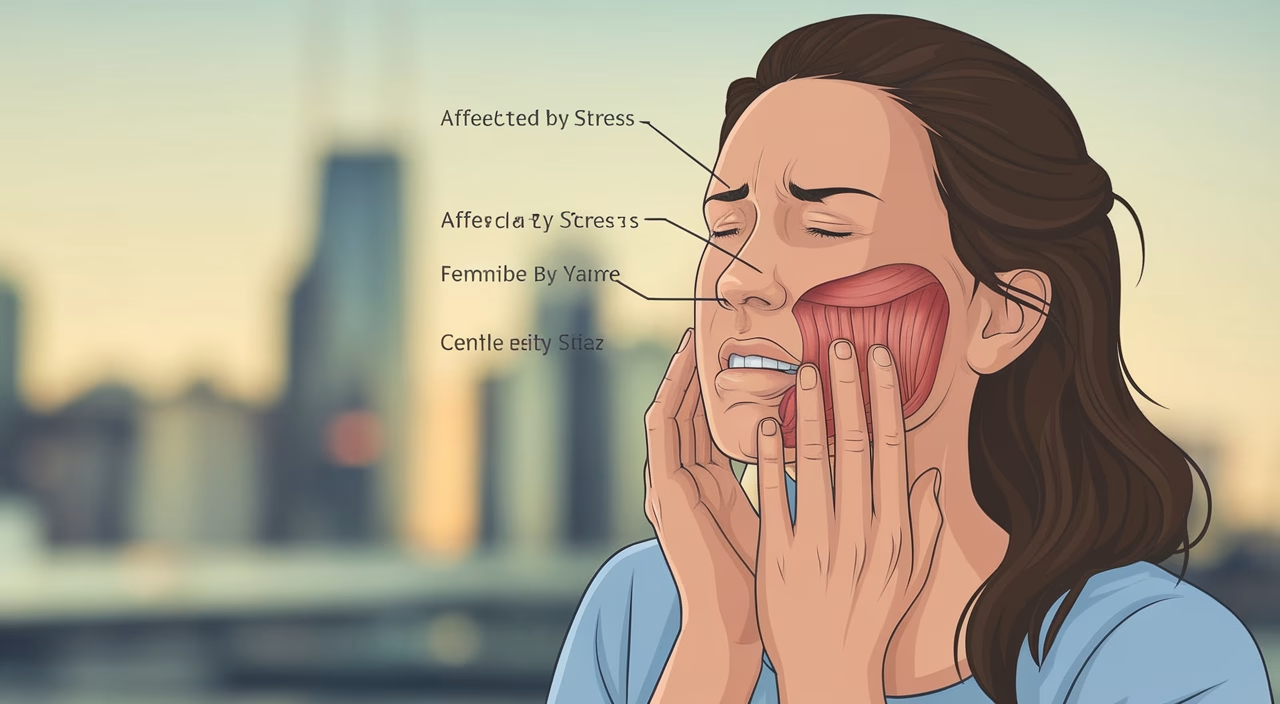
TMJ disorder affects the temporomandibular joints that connect your jaw to your skull. These complex joints are surprisingly sensitive to both emotional and physical stress, making TMJ disorder a common result of chronic tension.
Watch for these key TMJ disorder symptoms:
- Jaw clicking, popping, or locking
- Difficulty opening or closing your mouth fully
- Facial tenderness and muscle soreness
- Frequent headaches or migraines
- Neck, shoulder, or upper back stiffness
If you notice your symptoms intensify during stressful periods, this confirms that jaw pain and stress are directly connected in your case, requiring targeted stress management alongside physical treatment.
Natural Remedies for Alleviating Bruxism
Bruxism can silently destroy your teeth and exhaust your jaw muscles, but natural remedies offer gentle yet effective jaw pain treatment that fits easily into your routine:
- Warm Compress Therapy: Apply a warm towel to your cheeks and temples for 15-20 minutes to soothe overworked muscles and improve blood flow.
- Targeted Jaw Massage: Use circular motions to massage your masseter and temporalis muscles, releasing built-up tension from stress-related jaw pain.
- Magnesium-Rich Nutrition: Include spinach, almonds, and legumes in your diet — magnesium naturally relaxes stressed muscles and reduces bruxism intensity.
- Calming Herbal Teas: Chamomile and valerian root promote deep relaxation and better sleep quality, significantly reducing nighttime grinding.
Even mindful chewing of sugar-free gum for short periods can retrain your jaw muscles to relax throughout the day, breaking unconscious tension patterns.
Lifestyle Changes for Managing Stress-Induced Jaw Pain
The most effective jaw pain treatment addresses the root cause: stress itself. Since mental and emotional tension directly triggers jaw pain and stress cycles, managing your stress levels restores natural harmony to your facial muscles.
Effective Stress Management Techniques

- Daily Mindfulness Meditation: Just 10-15 minutes of quiet meditation can dramatically reduce cortisol levels and break the jaw pain and stress cycle.
- Deep Breathing Exercises: Techniques like box breathing activate your parasympathetic nervous system, reducing unconscious jaw clenching throughout the day.
- Regular Stretching and Yoga: Consistent movement reduces systemic tension, particularly in your neck, shoulders, and jaw area where stress accumulates.
- Optimized Sleep Hygiene: Quality, uninterrupted sleep allows your TMJ disorder symptoms to heal and reduces bruxism episodes significantly.
- Limit Stimulants: Reducing caffeine and alcohol intake helps minimize tension, insomnia, and stress-related jaw pain episodes.
Professional Treatment Options for Long-term Relief
When stress-related jaw pain persists despite your best home care efforts, professional intervention becomes essential. Treatment approaches vary based on severity, but here are proven options for lasting jaw pain treatment:
| Treatment Option | Description | Expected Benefit |
|---|---|---|
| Custom Mouthguards | Worn at night to reduce grinding and clenching | Protects teeth and alleviates jaw stress |
| Physical Therapy | Focuses on jaw mobility, posture correction, muscle relaxation | Long-term strain relief and improved function |
| Cognitive Behavioral Therapy | Addresses anxiety or patterns leading to muscle tension | Reduces stress triggers causing jaw pain |
| Botulinum Injections | Relaxes overused jaw muscles | Short-term reduction in pain and clenching |
Cost Guide for Jaw Pain Treatments
| Service Type | Low Range | Mid Range | High Range |
|---|---|---|---|
| Mouthguards | $30 (OTC) | $200 | $500+ |
| Physical Therapy Session | $50 | $100 | $150+ |
| CBT (per session) | $70 | $120 | $200 |
| Botulinum Injections | $300 | $600 | $1,000+ |
Final Thoughts: Your Path to a Relaxed, Pain-Free Smile
The connection between jaw pain and stress is stronger than most people realize, but this knowledge gives you power. When you understand how your emotional health directly impacts your physical comfort, you can take targeted action that addresses both your mind and body simultaneously.
Whether you choose natural remedies or seek professional jaw pain treatment, remember that effective stress management techniques are always part of the solution. Your jaw serves as an early warning system — it tightens when you’re overwhelmed and relaxes when you practice self-care. Listen to these signals, respond with compassion, and you’ll find yourself smiling with genuine comfort and lasting peace.
Frequently Asked Questions
- What causes jaw pain during stress?
Stress causes muscle tension, which may lead to jaw clenching and TMJ issues. Over time, this results in chronic pain and discomfort. - Can stress make TMJ worse?
Yes. Emotional stress can worsen TMJ symptoms by increasing muscle tightness, grinding, and inflammation in the jaw area. - How can I relax my jaw quickly?
Apply warm compresses, perform gentle jaw stretches, and take deep breaths. These actions release immediate tension from your jaw muscles. - Is bruxism caused only by stress?
No. While stress is a major contributor, misaligned teeth, genetics, or sleep disorders can also lead to bruxism. - Do mouthguards help with stress-related jaw pain?
Absolutely. They reduce grinding during sleep and prevent damage from clenching, offering significant relief when used consistently. - When should I see a professional for jaw pain?
If your jaw pain lasts more than a few weeks, gets worse, or affects daily function, seek a specialist for proper diagnosis and treatment options.