
How does weather affect mood and energy?
Weather and mood are intricately connected through a combination of biological and environmental mechanisms. Factors like sunlight exposure, temperature, and barometric pressure and mood regulation work together to influence brain chemistry, hormone levels, and neurotransmitter activity—especially serotonin and melatonin, which regulate our sleep, energy, and emotional well-being.
TL;DR Summary
- Sunlight influences mood: Less sunlight reduces serotonin, often lowering mood and energy levels.
- Barometric pressure and mood: Drops in atmospheric pressure can affect brain activity and contribute to fatigue, headaches, or sadness.
- Temperature fluctuations impact mental health: Rapid changes in heat or cold stress the nervous system, possibly leading to emotional reactivity.
- Humidity, wind, and other elements play a role: These weather changes impact on mental health by changing your physical comfort level, indirectly influencing emotional regulation.
- Severe weather patterns: Extreme storms or gloomy skies can trigger anxiety or depressive episodes in sensitive individuals.

Why mood shifts with changing weather: The brain-body link
Ever wondered why a gray, overcast day might leave you feeling lethargic or down? The relationship between weather and mood starts with how your body interprets environmental cues. The brain’s limbic system—responsible for emotion regulation—responds to sensory changes like light and temperature. Light, particularly sunlight, affects the hypothalamus, which governs your biological rhythms.
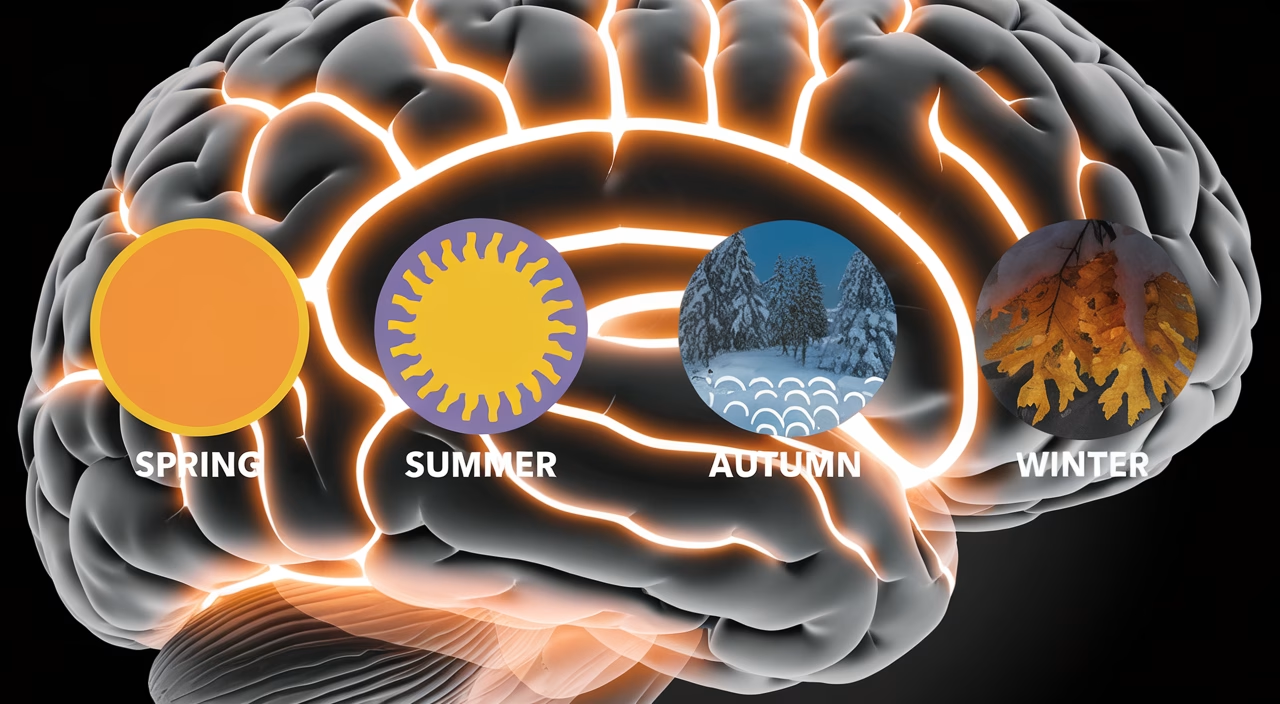
Serotonin—the feel-good neurotransmitter—usually increases with sunshine exposure. Low sunlight during fall or winter months contributes to a drop in serotonin, explaining the common dip in mood during these seasons. This is a core factor in Seasonal Affective Disorder (SAD), a type of depression influenced by seasonal light changes.
On the flip side, sunny weather stimulates the production of endorphins and dopamine, enhancing your energy and motivation levels. Your body becomes more efficient at regulating sleep and alertness, directly influencing productivity and happiness through weather and brain activity.
The role of barometric pressure and mood regulation
Barometric (or atmospheric) pressure refers to the weight of the atmosphere pressing down at any given point. When barometric pressure and mood interact, particularly when pressure drops—often before storms—it can lead to literal and psychological discomfort for many individuals. Migraines, tight muscles, joint aches, and energy dips are all frequently reported symptoms.
What’s happening neurologically? As atmospheric pressure effect on mood becomes apparent, oxygen levels can temporarily shift, affecting blood circulation and potentially triggering brain fog or mood disturbances. Additionally, the inner ear’s pressure-sensitive areas may become imbalanced, contributing to irritability or dizziness.
Many people feel extra tired or even a bit blue before a thunderstorm, and this is not just anecdotal—research shows a clear link between falling barometric pressure and nervous system sensitivity, demonstrating how weather changes impact on mental health.
From heatwaves to cold snaps: Temperature’s impact on mental health
Temperature extremes are another silent influencer in the weather and mood equation. In sweltering heat, cortisol—the stress hormone—rises noticeably, which can leave you feeling irritable, anxious, or even aggressive. Cooling down physically can help you emotionally regulate easier during hot days.
Conversely, cold weather slows your body down, both physically and mentally. Blood circulation shifts to protect internal organs, often leaving your extremities cold and signaling your body to reduce outward energy expenditure. These physiological constraints can be experienced as sluggishness, sadness, or fatigue.
Interestingly, rapid fluctuations—like a warm day followed by a sudden cold front—can be particularly stressful. Your nervous system struggles to recalibrate, and the resulting imbalance may leave you mentally disoriented, showing how weather patterns and mental health are deeply connected.
Weather patterns and mental health disorders
For individuals with underlying psychological conditions, weather changes can act as triggers. Consider how people with bipolar disorder often report manic episodes during extended daylight exposure, or how those with depression may deepen in mood during prolonged rainy or stormy conditions—clear examples of weather patterns and mental health interactions.
Here’s how weather patterns may correlate with common mental health conditions:
| Weather Pattern | Possible Emotional Response | Linked Psychological Conditions |
|---|---|---|
| Low sunlight (cloudy, winter days) | Low mood, fatigue | Depression, Seasonal Affective Disorder |
| Heat waves and high humidity | Irritability, insomnia | Anxiety, Stress Disorders |
| Storm fronts with pressure drops | Headaches, emotional lability | Migraines, PTSD |
| Spring transitions (warming days) | Increased activity | Bipolar Disorder (hypomanic episodes) |
Understanding how weather acts as a catalyst rather than a cause is key. While it may not create disorders, it certainly amplifies or tempers symptoms, making awareness vital to emotional self-monitoring and understanding the relationship between weather and mood regulation.
Cost Guide: Tools for mood tracking, light therapy, and forecasts
| Tool | Price Range | Use |
|---|---|---|
| Daily mood tracker app | Free – $10/month | Track connections between weather and your mood |
| Light therapy lamp | $40 – $150 | Boosts serotonin during dark months |
| Home weather monitoring station | $50 – $300 | Monitor temperature, humidity, pressure changes |
| Biofeedback devices | $100 – $600+ | Learn to regulate nervous system against weather stressors |
Practical strategies to stay balanced through weather changes
Here’s what often happens: you wake up tired, it’s gray outside, and things feel slightly off emotionally. While you can’t control the sky, you can adjust your responses to it and better manage how weather and mood interact in your daily life.
- Get light exposure early in the day: Open blinds or take a short morning walk to boost natural serotonin production and counteract weather and brain activity disruptions.
- Increase hydration and release heat: On hot days, drink water frequently and use cooling techniques like cold compresses to minimize weather changes impact on mental health.
- Use wearable tech or apps: Monitor how your mood trends against humidity, barometric pressure and mood patterns to anticipate downswings.
- Adjust your schedule: Save demanding tasks for brighter, milder days when your cognitive sharpness is better aligned with favorable weather patterns and mental health.
- Consider therapy or counseling: If you notice significant weather-triggered symptoms, professionals can help create personalized coping plans for managing the relationship between weather and mood regulation.
Final thoughts: Embracing weather’s influence without fear
The relationship between weather and mood is neither absolute nor imaginary. It’s a dynamic interplay between your body, brain, and the environment around you. Understanding how external patterns influence your internal rhythms gives you powerful tools to anticipate emotional shifts and improve your well-being.
Whether you’re exploring how does weather affect mood and energy or noticing the atmospheric pressure effect on mood, remember that weather patterns and mental health connections are scientifically validated. You’re not alone, you’re not imagining it, and—most importantly—you can learn to ride the wave rather than resist it.
Frequently Asked Questions
- Why am I affected by barometric pressure?
Barometric pressure changes can influence oxygen availability, blood flow, and nervous system sensitivity, making some people more prone to headaches, mood changes, or fatigue. - Can weather actually cause depression?
While weather doesn’t directly cause depression, it can be a major contributing factor, particularly in Seasonal Affective Disorder, where low sunlight leads to reduced serotonin. - How can I prevent mood swings related to weather?
Use strategies like light therapy, regular physical activity, structured sleep, hydration, and proactive emotional support to maintain equilibrium. - Is everyone equally sensitive to weather changes?
No. Individuals with certain mental health conditions or neurological sensitivities (like migraines or PTSD) may be more reactive. - Does humidity affect mood?
Yes. High humidity can make the body feel sluggish, interfere with thermoregulation, and increase perceived discomfort—contributing to irritability. - What’s the best weather for mental health?
Mild temperatures, moderate sunshine, and stable barometric pressure tend to support optimal mood and energy. - Can technology help with weather-related mood issues?
Absolutely. Tools like mood tracking apps, smart weather monitors, and wearable alert systems can help you identify patterns and manage symptoms.