What Are the Best Pelvic Floor Exercises for Women Over 50?
For women over 50, the most effective pelvic floor exercises include targeted Kegels, breath-coordinated pelvic contractions, modified bridges, and gentle core strengthening movements. These proven exercises enhance pelvic health, boost stamina, and build core strength while being safe for mature bodies. As a pelvic health physiotherapist, I recommend starting with these fundamental movements to strengthen your pelvic floor muscles and improve overall well-being.
TL;DR: How to Build Your Pelvic Floor Strength After 50
- Master proper form: Begin with focused pelvic floor exercises like Kegels to activate and strengthen your pelvic floor muscles effectively.
- Choose safe core exercises: Gentle movements like heel slides and modified planks support pelvic health without strain.
- Stay consistent: Daily practice for just 5–10 minutes delivers noticeable improvements in pelvic floor strength and stamina.
- Coordinate your breathing: Proper breath work enhances muscle engagement and reduces pressure on your pelvic floor.
- Listen to your body: Stop if you experience discomfort or downward pressure—these signals indicate incorrect technique.
Why Pelvic Floor Health Matters for Women Over 50
Many women discover their pelvic floor when they notice changes—perhaps a small leak when coughing, or discomfort during physical activity. Your pelvic floor muscles form the foundation of your core strength system, supporting bladder control, posture, and even your stamina during daily activities.
These essential muscles create a supportive hammock stretching from your pubic bone to your tailbone. Over time, hormonal changes, childbirth history, and natural aging can weaken your pelvic floor muscles. When this happens, you might experience frustrating symptoms that impact your confidence and quality of life.
Here’s the empowering truth: your pelvic floor muscles can be strengthened at any age. With consistent pelvic floor exercises, you can restore tone, improve pelvic health, and regain the confidence to move freely without worry.
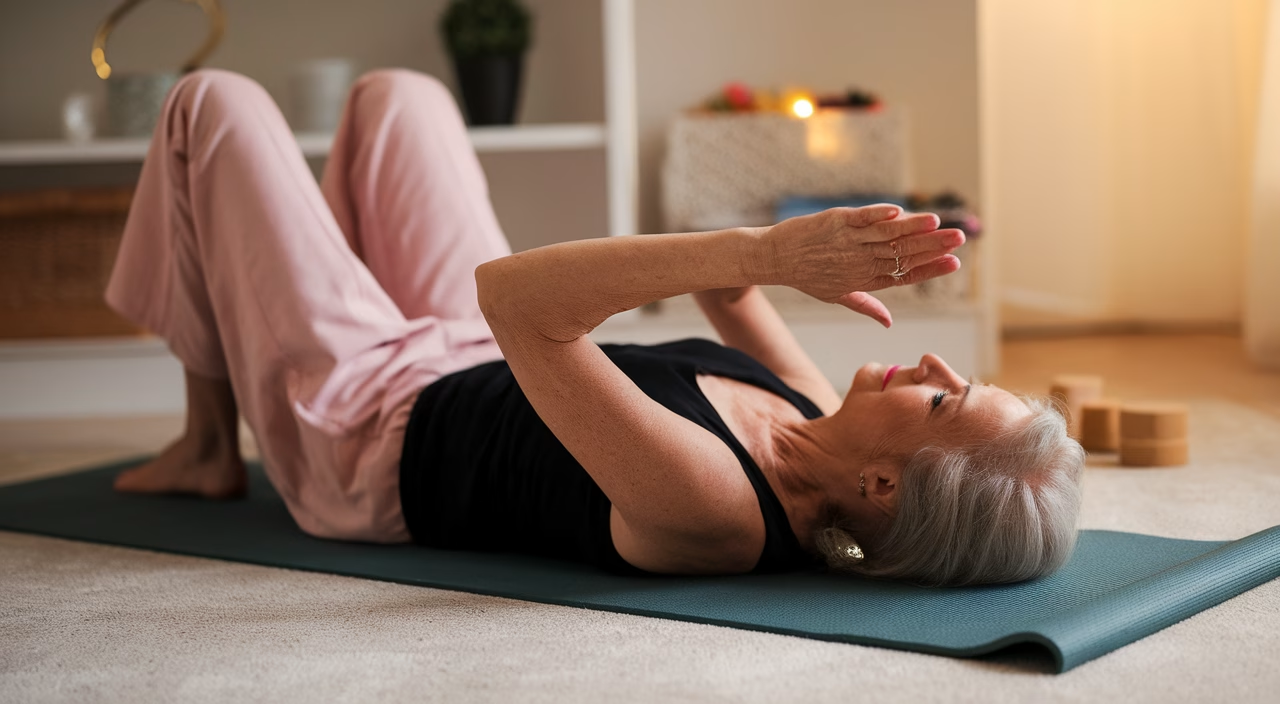
How Core Strength and Pelvic Health Connect After 50
After 50, you might notice subtle changes in your body’s response to physical activity. Your balance feels different, your posture needs more attention, or your stamina during workouts isn’t what it used to be. These changes often trace back to weakened core strength—and your pelvic floor is a crucial component.
Your core system includes deep abdominal muscles, back muscles, your diaphragm, and your pelvic floor muscles working together. When your pelvic floor is weak, your entire core strength suffers. That’s why targeted pelvic floor exercises aren’t just about bladder control—they’re about reclaiming full-body strength and vitality.
This integrated approach helps women over 50 restore mobility, enhance endurance, and boost confidence in both fitness and intimacy. Think of your pelvic floor as your body’s foundation: when it’s strong, everything above can function optimally.
Best Pelvic Floor Exercises for Enhanced Stamina and Strength
Let’s explore proven pelvic floor exercises that require minimal equipment and are specifically safe for women over 50. These movements build endurance, improve bladder control, and enhance posture and coordination.
Classic Kegels (Targeted Pelvic Floor Strengthening)
Kegels are the foundation of pelvic floor exercises. Imagine gently stopping the flow of urine midstream—that lifting sensation engages your pelvic floor muscles.
- Find a comfortable seated or lying position.
- Take a gentle breath in.
- As you exhale, gently contract your pelvic floor muscles (squeeze and lift upward), hold for 3–5 seconds.
- Release completely and relax for 5 seconds.
- Repeat for 10 contractions, 3 times daily.
Bridge Pose with Pelvic Floor Activation
This exercise strengthens your glutes and back while gently engaging pelvic floor muscles and improving core strength.
- Lie on your back with knees bent, feet hip-width apart.
- Inhale to prepare; as you exhale, engage your pelvic floor and lift your hips.
- Hold for 5 seconds, maintaining pelvic floor activation.
- Lower slowly while inhaling and relaxing your pelvic floor.
- Complete 10 repetitions.
Heel Slides (Safe Core Exercise for Pelvic Health)
Perfect for reactivating deep core muscles while coordinating with your pelvic floor muscles.
- Lie on your back with knees bent.
- Breathe in, then exhale while drawing in your pelvic floor and lower abdominals.
- Slowly slide one heel along the floor, maintaining pelvic floor engagement.
- Return to start position and switch legs.
- Complete 10 repetitions per side.
Seated Ball Squeeze for Pelvic Floor Coordination
This simple exercise enhances the connection between your inner thighs and pelvic floor muscles.
- Sit tall on a firm chair with good posture.
- Place a small soft ball or pillow between your knees.
- As you exhale, gently squeeze the ball while lifting your pelvic floor muscles.
- Hold for 3–5 seconds, then release and relax completely.
Wall-Assisted Squats for Functional Strength
Builds strength in your hips and thighs while supporting pelvic floor activation without excessive pressure.
- Stand with your back against a wall, feet hip-width apart.
- Slide down into a comfortable squat while gently lifting your pelvic floor.
- Hold for 5 seconds, maintaining core strength activation.
- Rise slowly and relax your pelvic floor.
- Repeat 8–10 times.
Creating Your Daily Pelvic Floor Strengthening Routine
Building pelvic floor strength is about consistency and mindful connection rather than perfect workouts. Here’s how to weave pelvic health into your everyday life:
- Link to existing habits: Practice Kegels while brushing teeth or waiting for your morning coffee.
- Focus on breathing: Coordinate pelvic floor activation with exhaling during light activities like walking or household tasks.
- Maintain good posture: Sitting and standing tall naturally engages your core strength and supports pelvic health.
- Move mindfully: Gently engage your pelvic floor muscles during daily activities—getting up from chairs, climbing stairs, or lifting objects.
| Daily Habit | Exercise to Pair |
|---|---|
| Brushing teeth | 10 slow Kegels |
| Doing dishes | Heel slides |
| Watching TV | Seated ball squeeze |
| Standing in line | Subtle pelvic lifts |
Professional Tips for Optimal Pelvic Health Results

In my practice, I often see women start pelvic floor exercises enthusiastically but gradually lose momentum when results aren’t immediate. Building pelvic floor strength takes time and proper technique, just like strengthening any other muscle group. Here are my key recommendations for success:
- Quality over quantity: More contractions aren’t always better. Overworking your pelvic floor muscles can create tension and worsen symptoms.
- Track functional improvements: Notice changes in bladder control, posture stability, and back comfort rather than just counting repetitions.
- Be patient with progress: Most women see initial improvements in pelvic health within 4–6 weeks, but significant strength gains develop over several months.
- Seek professional guidance: If you’re uncertain about proper technique, consult a pelvic health physiotherapist for personalized instruction.
Frequently Asked Questions
Do pelvic floor exercises strengthen your core?
Absolutely. Your pelvic floor muscles are integral to your core strength system. Strengthening them improves overall core stability, supports spinal alignment, and enhances balance and posture.
Can pelvic floor exercises really help with stamina?
Yes, definitely. Strong pelvic floor muscles improve muscle efficiency in your core and hips, reducing fatigue during physical activities and boosting overall stamina.
How long before I see results from pelvic floor exercises?
You may notice subtle improvements in bladder control or posture within 4–6 weeks of consistent practice, with more significant gains in pelvic floor strength developing over 3–4 months.
Are these exercises safe to do every day?
Yes, when performed with proper technique and gentle intensity, pelvic floor exercises are safe for daily practice. Always listen to your body and rest if you experience discomfort.
What’s the difference between core strengthening and pelvic floor training?
Core strengthening targets your broader core muscle system including abdominals and back muscles, while pelvic floor exercises specifically target the muscles supporting your pelvic organs. Both work together synergistically.
Should I use exercise equipment or props?
No special equipment is required for effective pelvic floor exercises, though small props like pillows or exercise balls can help increase awareness and provide gentle resistance.
Is it ever too late to start these exercises?
Never. Women in their 60s, 70s, and beyond can benefit significantly from pelvic floor strengthening. Your pelvic health can improve at any age with the right approach and consistency.