How Iron Deficiency Affects Your Body’s Temperature Control
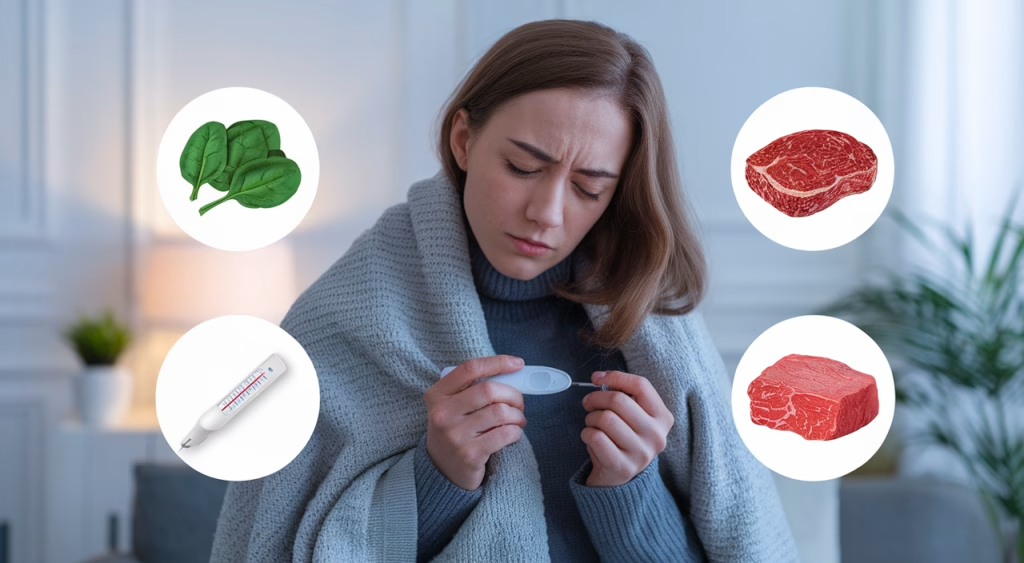
Iron plays a critical role in helping your body regulate internal temperature through iron and thermoregulation mechanisms. When you’re deficient in iron—especially in cases of anemia—you may struggle with cold sensitivity and poor body temperature regulation. This happens because your body can’t efficiently produce the energy needed to maintain core body heat, leaving you constantly reaching for sweaters even when others feel comfortable.
TL;DR: Iron and Thermoregulation at a Glance
- Iron supports heat production by fueling red blood cell function and oxygen transport throughout your system.
- Iron deficiency impairs thermoregulation, making it significantly harder to stay warm in colder environments.
- Common symptoms include persistently cold hands and feet, fatigue, and sluggish circulation that affects your daily comfort.
- Iron-rich foods like spinach, beef liver, chickpeas, and fortified cereals help restore balance and improve your body’s heating capacity.
- Smart iron supplementation under medical guidance can help improve temperature regulation and boost your overall energy levels.
The Critical Role of Iron in Body Temperature Regulation
To understand how iron and thermoregulation work together, we need to explore what iron actually does in your body. Iron is a key component of hemoglobin—a protein in red blood cells that carries oxygen from your lungs to every tissue in your body. Without enough iron, your cells receive less oxygen, which dramatically reduces energy metabolism and heat production.
Why does this matter for body temperature regulation? Your body’s ability to generate heat depends heavily on cellular energy metabolism. When your cells can’t get enough oxygen due to iron deficiency, your internal “furnace” essentially cools down. Even in mild weather, people with low iron levels may experience severe cold intolerance because their bodies simply can’t keep up with thermal demands.
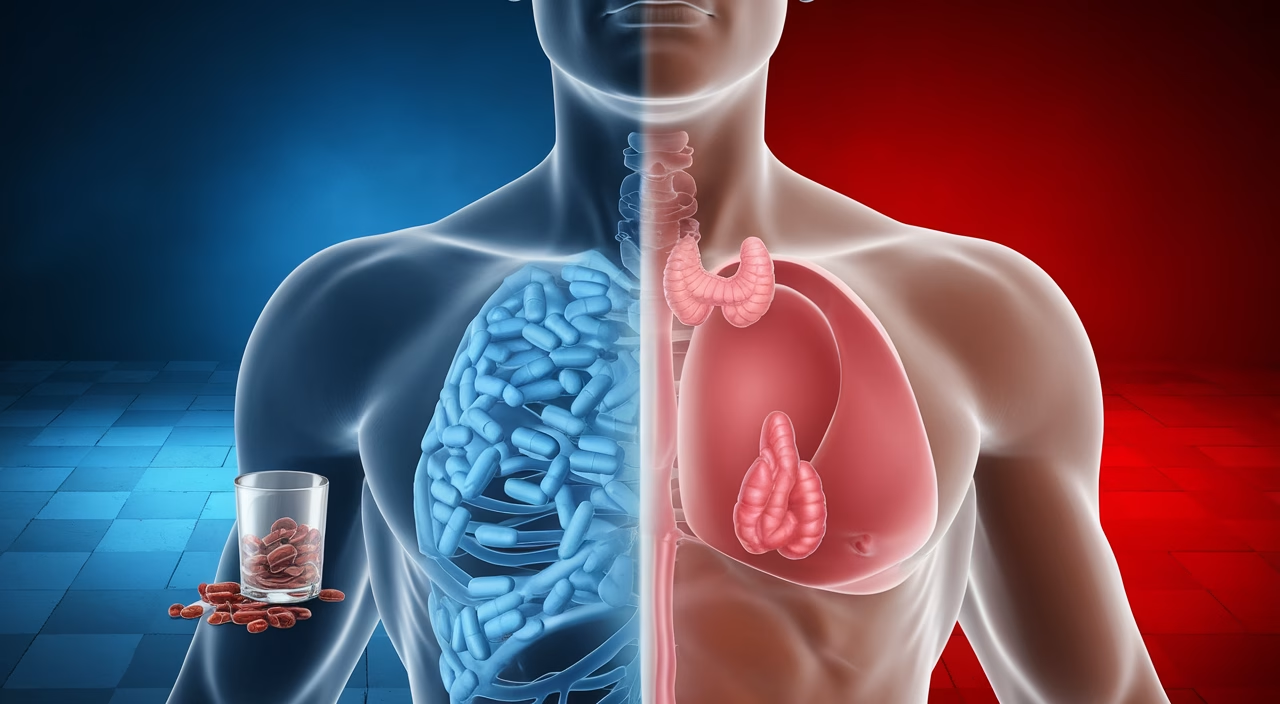
Additionally, iron is crucial for optimal thyroid gland function, which directly controls your metabolic rate. When thyroid performance suffers due to iron deficiency, it creates a double impact on temperature regulation—making you feel even colder and more sluggish than iron deficiency alone would cause.
Recognizing Iron Deficiency Symptoms That Affect Your Warmth
Let’s talk about the real-life impact of poor iron and thermoregulation. If your iron levels are low, you’ll likely notice symptoms that extend far beyond general fatigue. Cold sensitivity is one of the most overlooked yet common signs of iron deficiency anemia. Here’s what many people experience daily:
- Persistently cold hands and feet even in warm, comfortable environments
- Sudden chills when temperatures drop even slightly
- Delayed warming after any exposure to cold conditions
- Low energy levels and sluggish recovery from physical exertion
Think of your body like a home’s heating system. If the fuel supply (iron) runs low, heat production decreases dramatically. No matter how well-insulated the house is, the furnace can’t maintain comfortable temperatures without adequate energy input. That’s exactly what iron does for your body—it fuels your natural ability to generate and maintain internal heat.
Here’s how iron deficiency disrupts thermoregulation across different body systems:
| System | Impact of Iron Deficiency |
|---|---|
| Circulatory | Slower oxygen delivery; persistent chilliness |
| Muscular | Reduced energy for shivering or warming activities |
| Thyroid | Sluggish metabolism significantly lowers core body heat |
Boosting Iron and Thermoregulation Through Strategic Food Choices
Now let’s focus on practical solutions for improving your iron status and body temperature regulation. Your diet plays the most fundamental role in restoring iron balance and, by extension, your natural thermoregulation ability. The simplest, most sustainable way to increase iron absorption? Strategically eat more iron-rich foods—especially the ones your body can readily absorb and utilize.
There are two primary types of dietary iron that affect thermoregulation differently:
- Heme iron: Found in animal-based sources and offers superior bioavailability for rapid improvement.
- Non-heme iron: Found in plant foods and fortified products but requires strategic pairing for optimal absorption.
Here are the most effective iron-rich foods for supporting healthy thermoregulation:
| Food Item | Type of Iron | Iron (mg/serving) |
|---|---|---|
| Beef liver | Heme | 6.2 |
| Spinach (cooked) | Non-heme | 3.6 |
| Fortified cereals | Non-heme | Up to 8.0 |
| Chickpeas | Non-heme | 2.4 |
| Cooked oysters | Heme | 5.7 |
To maximize iron absorption and support better body temperature regulation, combine these iron-rich foods with high-vitamin C sources like bell peppers, tomatoes, or citrus fruits. Meanwhile, avoid absorption inhibitors like caffeine or high-calcium foods during your iron-focused meals.
Cost Guide: Iron Supplementation Options
| Type of Supplement | Price Range | Best For |
|---|---|---|
| Over-the-counter tablets | $5–$20/month | Mild cases or maintenance |
| Prescription iron (e.g., ferrous sulfate) | $10–$30/month | Moderate to severe iron deficiency |
| IV iron infusions (clinic-based) | $200–$500/treatment | Severe anemia unresponsive to oral supplements |
Smart Iron Supplementation Strategies for Better Warmth
If your healthcare provider recommends iron supplementation to improve your thermoregulation, timing and pairing strategies can make a significant difference in your results. Here’s what consistently helps people achieve better iron absorption and faster symptom relief:
- Take supplements on an empty stomach: Ideally one hour before meals for maximum absorption, unless you experience nausea.
- Strategically avoid calcium-rich foods for 2 hours around supplement time—calcium significantly interferes with iron uptake.
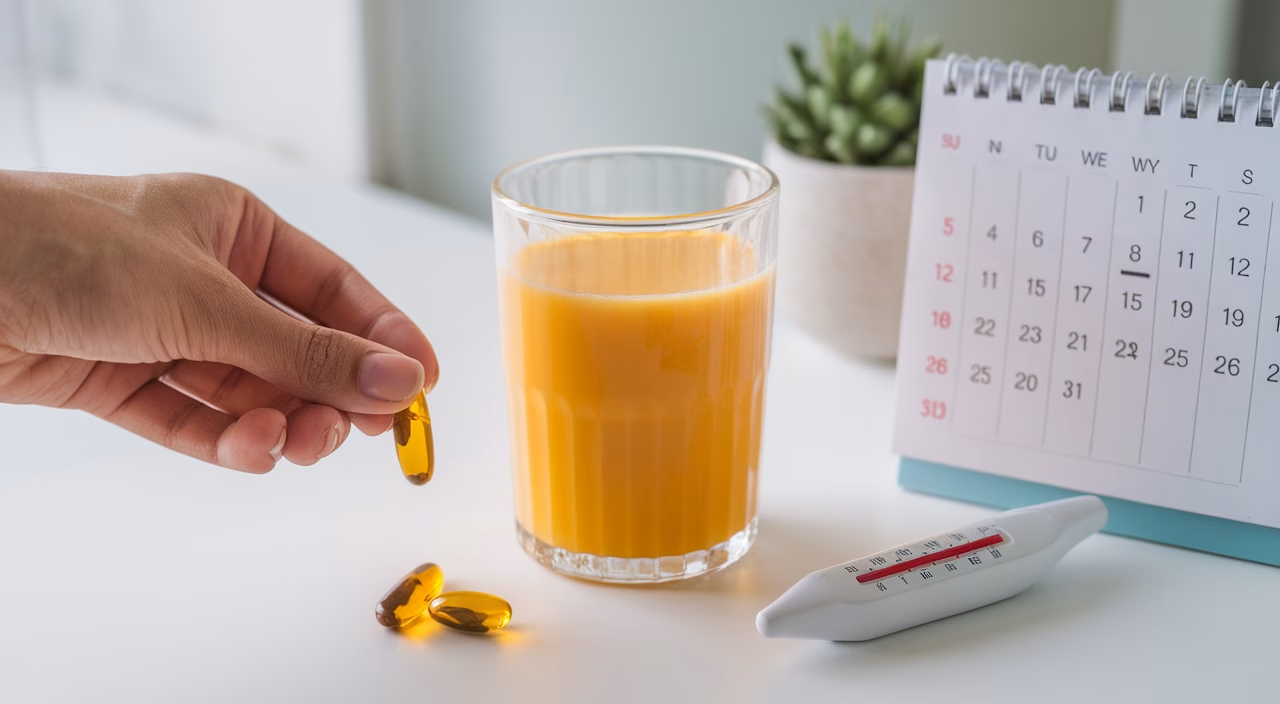
- Pair with vitamin C sources like a small glass of orange juice to dramatically boost iron absorption rates.
- Practice patience with the process: It typically takes 1–3 months to fully restore iron levels, and thermoregulation improvements occur gradually.
- Monitor symptoms and lab results: Especially important if you’re managing chronic anemia or persistent cold sensitivity. Stay closely connected with your healthcare provider throughout the process.
Reclaiming Your Body’s Natural Warmth
If you’re constantly battling unexplained cold sensitivity or persistent low energy, iron deficiency might be the hidden factor sabotaging your body’s natural heating system. Healthy iron and thermoregulation are too crucial for your daily comfort and long-term health to ignore. With the right combination of strategic dietary adjustments and targeted iron supplementation, you can restore natural warmth—not just in your hands and feet, but in your overall energy and vitality.
Remember, you’re not meant to spend your life bundled in layers, constantly fighting the chill while others feel perfectly comfortable. Give your body the iron support it needs to reignite its internal heating system. The warmth and energy you’ve been missing will gradually return, transforming how you feel every single day.
Frequently Asked Questions
- Can iron deficiency cause sensitivity to cold?
Yes. Low iron impairs oxygen delivery and energy production, making it harder for your body to create heat, which causes cold sensitivity. - How long does it take to feel warmer after fixing iron levels?
Most people feel a gradual improvement within 4–6 weeks of consistent treatment through diet or supplements. - What foods help with iron and thermoregulation?
Iron-rich foods like beef liver, spinach, tofu, chickpeas, and fortified cereals can significantly help. - Can iron levels affect how tired I feel?
Absolutely. Iron is essential for oxygen transport and metabolic energy—deficiency leads to fatigue and sluggishness. - Is anemia always the cause of cold hands and feet?
No, but it’s a very common cause. Other factors include circulation problems or thyroid issues. - Should I supplement iron if I always feel cold?
Only after blood tests confirm deficiency. Always consult a healthcare provider before starting supplements. - Can iron deficiency happen even if I eat meat?
Yes. Malabsorption, menstruation, or chronic inflammation can still lead to low iron despite a meat-eating diet.