What Are the Real Daylight Saving Time Effects on Your Body?
Daylight saving time (DST) may just seem like moving the clock forward or backward by an hour, but for your body, it’s much more than that. The daylight saving time effects go beyond grogginess—they can disturb your sleep cycle, mood, metabolism, and even heart health. Let’s pull back the curtain on how this seemingly simple tradition creates body clock disruption and explore how you can adjust to daylight saving time naturally and efficiently.
TL;DR Summary
- ⏰ Daylight saving time adjustment can significantly impact your sleep, mood, and focus.
- 💤 Disruption to circadian rhythm throws off your internal body clock, often mimicking jet lag.
- 🍒 Nutrition and hydration play a critical role in easing this seasonal time shift.
- 🌿 Natural remedies like melatonin, magnesium, and herbal teas help recalibrate sleep patterns effectively.
- 🛏️ Sleep tips include adjusting your bedtime gradually before the time change and optimizing your sleep environment.
Introduction: Understanding the Impact of Daylight Saving Time
The twice-yearly ritual of changing the clock might seem minor, but it’s been linked to serious physiological and psychological consequences. The daylight saving time effects capture only a part of the story. The reality? Your body isn’t designed to toggle between two temporal worlds. Each time we spring forward or fall back, we create significant body clock disruption that affects your circadian rhythm. The result ripples into everything from sleep to digestion to memory recall.
While some people bounce back in a day or two, many others—especially those already dealing with sleep challenges or health disorders—feel the destabilizing impact much more intensely and for much longer. Learning how to adjust to daylight saving time effectively can make all the difference.
Body Clock Disruption and Its Effects on Health
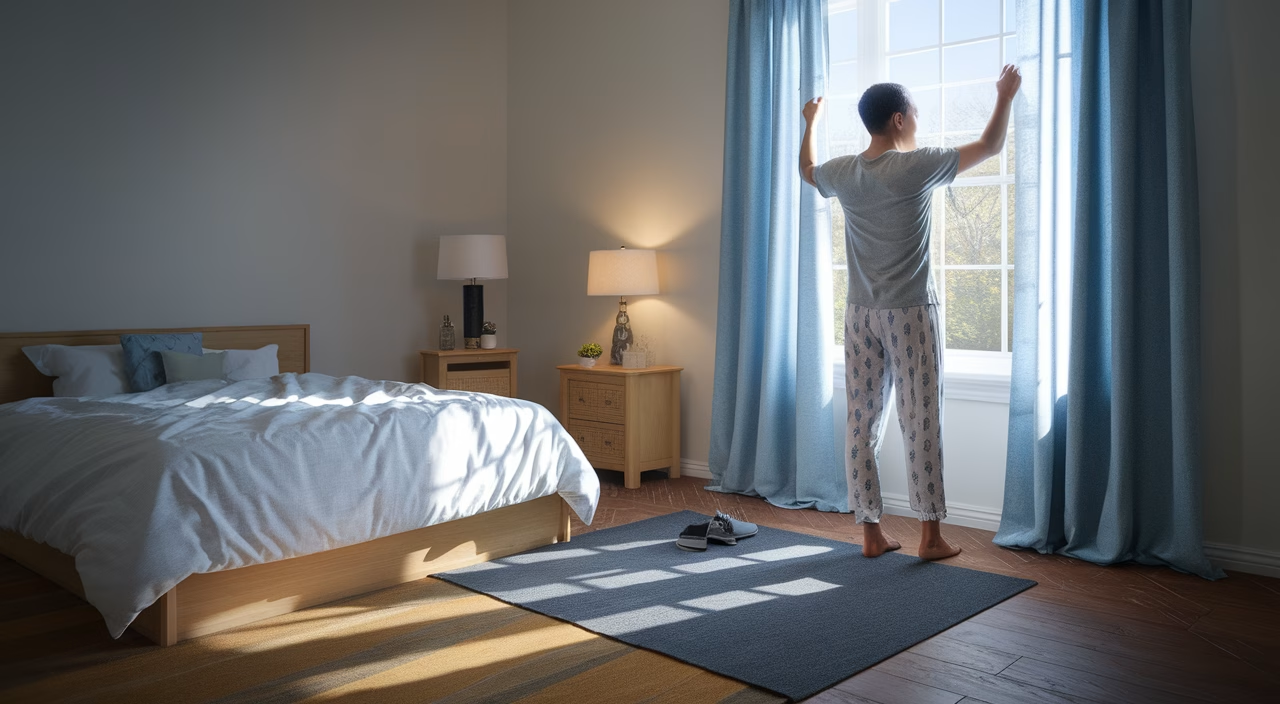
Your human body is synchronized to a 24-hour sleep-wake cycle regulated by light, known as the circadian rhythm. When the time suddenly shifts forward or backward, this internal clock experiences what amounts to biological jet lag. Let’s break down the key daylight saving time effects on your body:
- Sleep Disturbance: The most common issue. Losing even one hour of sleep affects your alertness, attention, and reaction times.
- Mental Health Fluctuations: Increased rates of depression, anxiety, and mood irritability have been linked with DST transitions.
- Hormonal Imbalance: Melatonin, cortisol, and serotonin—key mood and sleep regulators—get thrown off course.
- Cardiovascular Stress: Heart attack incidences spike in the days following DST, showcasing the stress caused by sleep deprivation.
- Metabolic Disruption: Fatigue-driven cravings, weight fluctuations, and digestive issues are commonly reported.
Expert Tips for Daylight Saving Time Adjustment
If you’ve ever felt like you’re walking in fog the Monday after the time change, you’re not alone. But you don’t have to stay there. These actionable strategies will help you adjust to daylight saving time effectively and allow your body to regain its natural rhythm, minimizing body clock disruption.
Sleep Hygiene Practices
The cornerstone of circadian health is consistent, high-quality sleep. To minimize sleep schedule disruption and reduce daylight saving time effects, try these expert-backed strategies:
- Pre-adjust Bedtime: Gradually go to bed 15 minutes earlier each night for 3–4 days leading up to the change.
- Limit Screen Time: Shut off devices 1 hour before bed to reduce blue light exposure that interferes with melatonin production.
- Cut Late Caffeine: Avoid coffee, soda, or dark chocolate after 2 p.m. to prevent falling asleep later than intended.
- Dark, Cool Environment: Ideal sleep zones promote natural melatonin production. Use blackout curtains and set the thermostat between 60–67°F.
- Stick to Routines: Even on weekends, go to bed and wake up at the same time to anchor your circadian rhythm.
Nutrition Strategies for Better Sleep
What you eat can either sabotage or support your internal clock during daylight saving time adjustment. Here’s how to use nutrition to minimize body clock disruption:
| Tip | What It Does | Why It Works |
|---|---|---|
| Eat Light Dinners | Promotes better digestion during sleep | Heavy meals increase reflux and sleep latency |
| Balance Blood Sugar | Stabilizes energy levels | Reduces mid-night awakenings linked to drops in blood sugar |
| Include Magnesium-Rich Foods | Calms the nervous system | Supports melatonin synthesis and relaxes muscles |
| Avoid Alcohol Before Bed | Reduces sleep fragmentation | Alcohol disrupts REM sleep cycles even in small doses |
Natural Remedies for Daylight Saving Time Adjustment
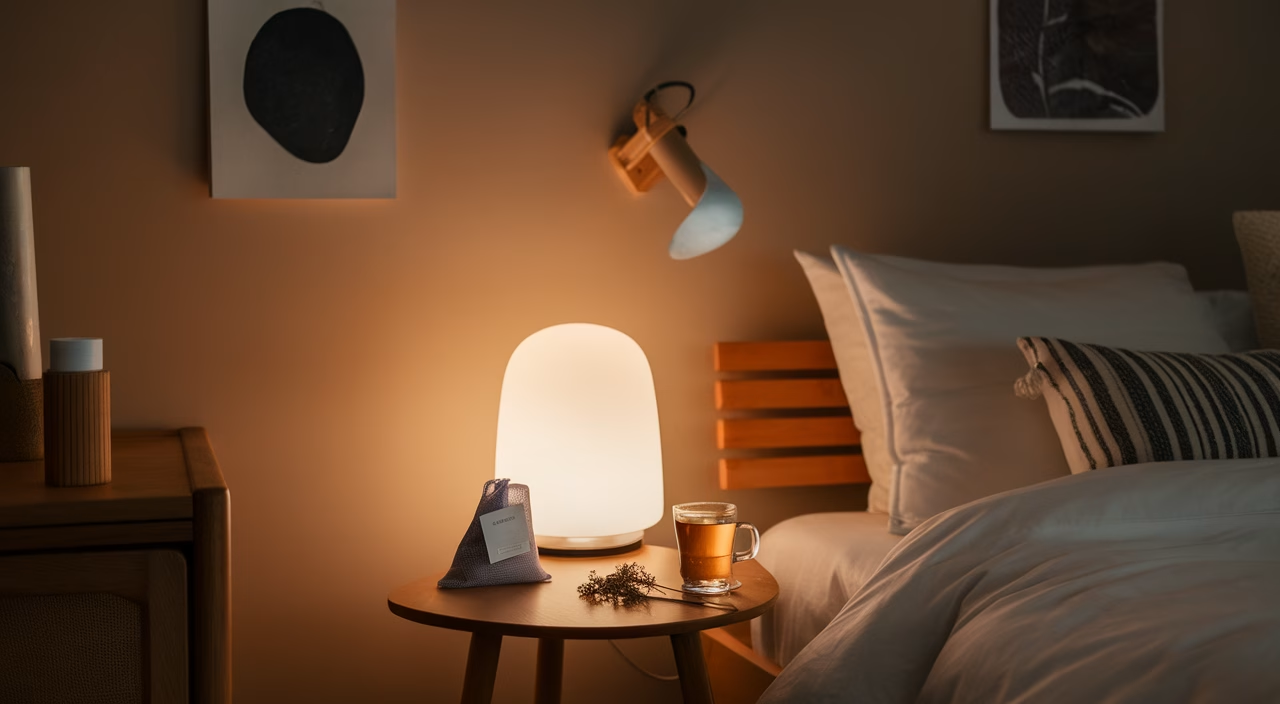
Nature provides gentle tools to help you deal with modern shifts like Daylight Saving Time. The right remedies can smooth over gaps left by disrupted sleep or sluggish mornings. Below are specific natural remedies for daylight saving time adjustment that work with your body to minimize daylight saving time effects.
- Melatonin Supplements: Use sparingly and short-term (0.3–1 mg dose 1–2 hours before bed) to signal your body it’s time to sleep.
- Magnesium: A mineral abundant in dark leafy greens, seeds, and nuts. Calms nerves and deepens sleep quality.
- Chamomile Tea: Acts as a mild sedative that can ease anxiety and induce better sleep during your adjustment period.
- Lavender Aromatherapy: The scent has shown measurable calming effects on heart rate and cortisol levels.
- Valerian Root: Known for sleep-promoting properties, but start with small doses and observe effects as you adjust to daylight saving time.
The takeaway? Daylight saving time effects are real, but they don’t have to derail your life. With a blend of knowledge, strategy, and self-care, you can gently recalibrate your body’s natural rhythms and minimize body clock disruption. Whether it’s preparing your sleep routine, adjusting your meals, or using natural remedies, your body will thank you for every small step you take to adjust to daylight saving time smoothly.
Frequently Asked Questions
- How long does it take your body to adjust to daylight saving?
Typically, it takes the average person 3–7 days to adjust, though some people may feel lingering effects for up to two weeks depending on age, health, and sleep consistency.
- Can daylight saving time cause fatigue?
Absolutely. The disruption to your sleep-wake cycle can diminish sleep quality, leading to fatigue, poor concentration, and mood swings.
- Is melatonin safe for adjusting sleep?
For short-term use and low dosage, melatonin is generally considered safe for healthy adults when used responsibly under guidance.
- Should I avoid naps after the time change?
Brief naps (20–30 minutes) in the early afternoon can help restore focus without harming night sleep. Avoid napping close to bedtime.
- What foods support circadian rhythm?
Foods rich in tryptophan (turkey, oats), magnesium (almonds, spinach), and B-vitamins (eggs, fish) support sleep hormone regulation.
- Does exercise help with DST adjustment?
Yes. Morning or early afternoon physical activity helps reset your internal clock. Avoid intense workouts close to bedtime as they can be stimulating.