
What Can I Do to Stop Pins and Needles Immediately?
When you need immediate pins and needles relief, start by gently moving the affected limb and improving circulation. Most tingling sensations fade within minutes, but persistent numbness may require deeper attention, including nerve compression remedies or medical evaluation.
TL;DR Summary – Alleviating Numbness in Everyday Life:
- ⚡ Quick Fixes: Shift position, gently stretch, or massage to restore blood flow and stop pins and needles fast.
- 💡 Common Causes: Nerve compression, vitamin deficiencies, or prolonged pressure on nerves.
- 🛠️ Treatment Options: Address underlying conditions, use nerve compression remedies, or try targeted physical therapy.
- 🛡 Prevention: Stay active, avoid poor posture, eat a nutrient-rich diet to prevent tingling hands and feet.
- 🚨 Know When to See a Doctor: If numbness is frequent, unexplained, or impacts your daily mobility.
Understanding Pins and Needles
We’ve all experienced it—an arm falls asleep, or a leg tingles after sitting cross-legged. That pins and needles sensation (technically called paresthesia) may last a few seconds or minutes and usually resolves once circulation normalizes. But when tingling becomes recurrent or chronic, it’s often your body’s way of signaling something needs attention. Understanding what’s behind the sensation is your first step toward alleviating numbness for good and finding lasting relief from pins and needles.
What Causes Pins and Needles?
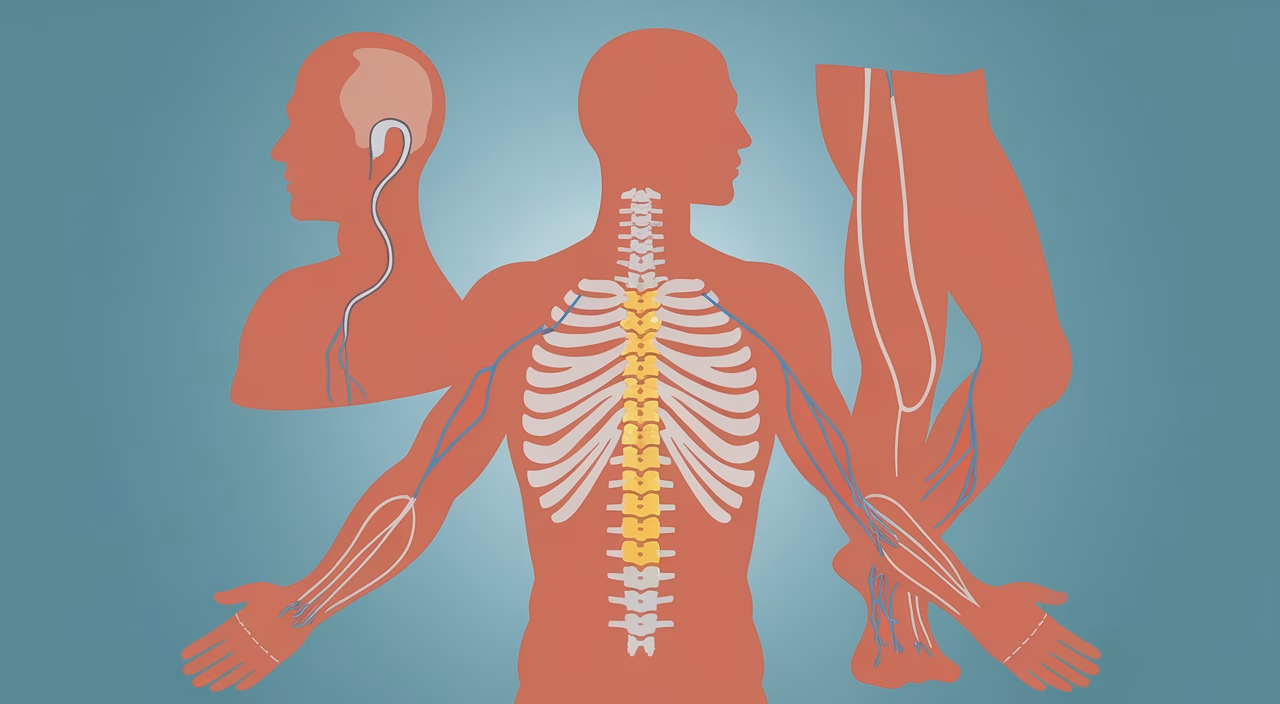
What Causes Pins and Needles?
Pins and needles can arise from several factors. Sometimes, it’s as simple as restricting blood flow by sitting on your foot too long. But chronic or widespread episodes may point to nerve compression, systemic conditions, or nutritional deficiencies that require specific nerve compression remedies.
- Temporary compression: Such as sitting, leaning, or sleeping on a limb that creates pressure on nerves.
- Nerve impingement: Conditions like carpal tunnel syndrome or herniated discs can compress nerves, causing persistent tingling hands and feet.
- Systemic illnesses: Diabetes, multiple sclerosis, or thyroid dysfunction can involve widespread nerve damage (neuropathy).
- Vitamin deficiency: Low levels of B12 or folate can impair nerve health and trigger numbness.
- Chemical exposure or medications: Certain drugs or toxins may cause tingling sensations as a side effect.
In practice, here’s what often happens: you wake up with a completely numb hand that takes minutes to ‘come alive.’ It’s scary, sure—but likely caused by simple nerve pressure overnight. However, if you experience this regularly without any clear pressure point, it’s time to explore alleviating numbness through proper evaluation and treatment.
Common Symptoms and Sensations
People report a wide range of tingling feelings, from transient hand numbness to persistent burning in the feet. Below is a table to help you identify typical symptoms and their potential causes when seeking pins and needles relief.
| Symptom | Possible Explanation |
|---|---|
| Tingling after sitting or laying | Temporary nerve compression |
| Burning, persistent feet tingling | Peripheral neuropathy |
| Hand numbness at night | Carpal tunnel or poor sleeping position |
| Unilateral numbness (one side) | Potential nerve impingement or stroke |
Treatment Options for Numbness
Alleviating numbness starts with identifying the root cause. For mild or occasional tingling, home care and lifestyle changes may provide adequate pins and needles relief. But ongoing symptoms often need medical consultation and targeted nerve compression remedies.
Effective Treatments Include:
- Adjusting posture: Especially during work or sleep. Use ergonomic tools to prevent tingling hands and feet.
- Stretching and mobility: Regular stretching can decompress nerves and provide immediate relief from pins and needles, particularly if you work at a desk.
- Physical therapy: Targeted exercises and nerve compression remedies for conditions like carpal tunnel or sciatic nerve pain.
- Vitamin supplementation: B-complex vitamins, especially B12, are critical for nerve repair and alleviating numbness.
- Managing underlying conditions: Blood sugar control in diabetics can reduce neuropathy and prevent tingling hands and feet.
- Medications for nerve pain: Where appropriate, prescribed medication may calm overactive nerve signals causing pins and needles.
Cost Guide for Numbness Treatment
| Service | Low-End | Mid-Range | High-End |
|---|---|---|---|
| Vitamin Supplementation | $10/month | $25/month | $60/month |
| Physical Therapy | $50/session | $100/session | $200/session |
| Diagnostic Testing (MRI/EMG) | $200 | $600 | $2000+ |
| Nerve Block Injections | $100 | $300 | $800+ |
Preventing Pins and Needles

Preventing Pins and Needles
Prevention begins with keeping your nerves and circulatory system in optimal shape. Think of it as maintaining a highway network—when the pathways (your nerves) stay healthy and uncompressed, signals travel smoothly without causing pins and needles.
Here’s how to prevent tingling hands and feet in everyday life and maintain long-term relief from pins and needles:
- Incorporate daily movement—especially ankle and wrist circles if you’re sedentary to avoid nerve compression.
- Choose nutrient-rich foods high in B vitamins, magnesium, and omega-3s for nerve health and alleviating numbness.
- Maintain proper posture and avoid sitting in positions that compress nerves and cause tingling hands and feet.
- Stay hydrated—adequate fluids support healthy nerve function and circulation.
- Take regular breaks from repetitive motions or stretch frequently if your job requires fine motor work that could trigger pins and needles.
When to Seek Medical Help
Occasional tingling is usually harmless and responds well to simple pins and needles relief methods. But if the sensation becomes frequent, affects coordination, or is accompanied by muscle weakness or pain, it’s time to consult a medical provider about nerve compression remedies.
Contact a doctor if you experience:
- Progressive numbness or tingling that spreads over time despite trying alleviating numbness techniques
- Burning sensations, especially persistent tingling hands and feet
- Numbness associated with weakness or imbalance that affects daily activities
- Symptoms lasting longer than 30 minutes without relief from pins and needles remedies
- Sudden, one-sided numbness (can signal stroke or severe nerve compression)
Final Thoughts
Pins and needles are your body’s way of communicating that something may need attention. By acting early with proper nerve compression remedies, supporting nerve health, and understanding how tingling sensations arise, you can take control of your comfort. Whether you need a simple stretch for immediate pins and needles relief or professional intervention for alleviating numbness, recognizing the signs early is your most empowering first step toward preventing tingling hands and feet and maintaining optimal nerve health.
Frequently Asked Questions
- Is it normal to get pins and needles for no reason?
Occasional, spontaneous tingling is common and usually not a cause for alarm. However, if it happens frequently or is persistent, it may indicate an underlying issue that should be assessed by a healthcare provider. - How can I tell if numbness is serious?
Persistent numbness, especially with weakness, pain, or imbalance, deserves medical attention. Sudden onset or symptoms on one side could signal serious conditions like stroke or nerve compression. - Can vitamin deficiency cause tingling?
Yes. Deficiencies in B12, B6, and folate are closely linked to nerve function and can cause tingling or numbness if left uncorrected. - Are there home remedies for tingling hands and feet?
Stretching, changing posture, improving ergonomics, and taking supplements if deficient can help. Warm compresses and hydration are also beneficial. - Does anxiety cause pins and needles?
It can. Anxiety triggers rapid breathing and tension, which can contribute to a tingling sensation, especially in the hands or face. - Why do my hands tingle at night?
This commonly stems from sleeping positions that compress nerves, such as bending the wrists or elbows for extended periods. - How long should numbness last before I worry?
If numbness persists more than a few minutes after adjusting your position—or occurs repeatedly—it deserves evaluation by a healthcare provider.