What are the best foods to lower high blood pressure naturally?
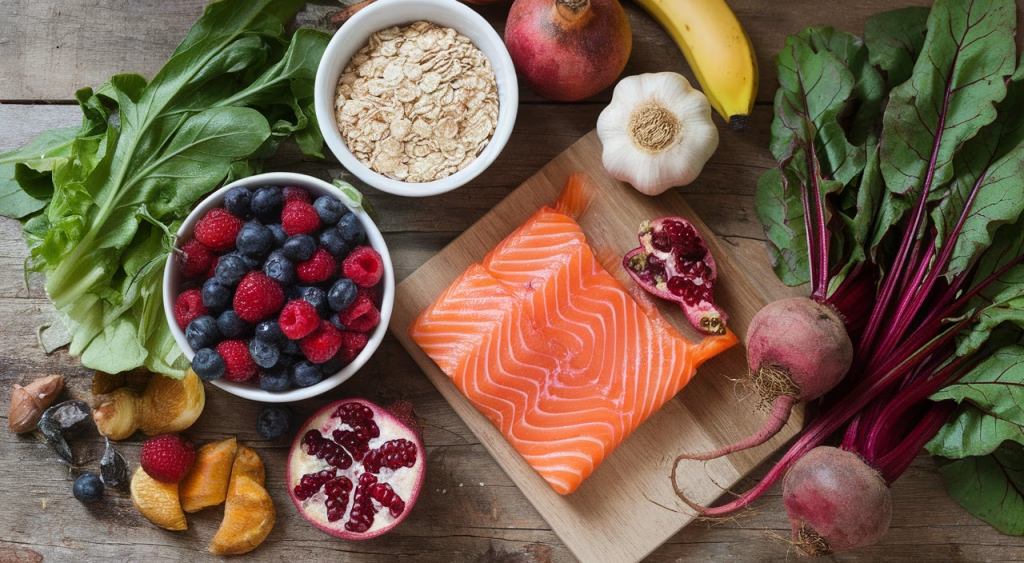
If you’re looking to reduce high blood pressure (hypertension) naturally, certain foods can help significantly. Leafy greens, berries, bananas, beets, oats, fatty fish, garlic, and dark chocolate are scientifically linked to lower blood pressure and better heart health.
- Leafy greens: High in nitrates and potassium to reduce sodium levels and relax vessels.
- Berries: Rich in antioxidants that improve arterial flexibility and reduce inflammation.
- Bananas: Loaded with potassium, which balances sodium’s effects in the body.
- Beets: Contain nitrates that convert to nitric oxide, reducing pressure on arteries.
- Oats: A source of beta-glucan fiber that helps lower both cholesterol and blood pressure.
- Fatty fish: Omega-3s reduce systemic inflammation and help arteries dilate.
- Garlic: Contains allicin, a compound that widens blood vessels naturally.
- Pomegranates: Antioxidants improve nitric oxide bioavailability and reduce stiffness.
- Dark chocolate: Flavanols improve vessel elasticity and boost circulation.
- Pistachios: Packed with magnesium and potassium to regulate vascular resistance.
Let’s explore each of these blood pressure-lowering foods in detail—and learn how to incorporate them easily into your heart-healthy diet.
How Hormones Affect Your Skin: Complete Guide to Natural Balance & Clear Complexion
YouTube Video:
Leafy Greens: Nutrient-Rich Powerhouses for Your Arteries
Why it Works
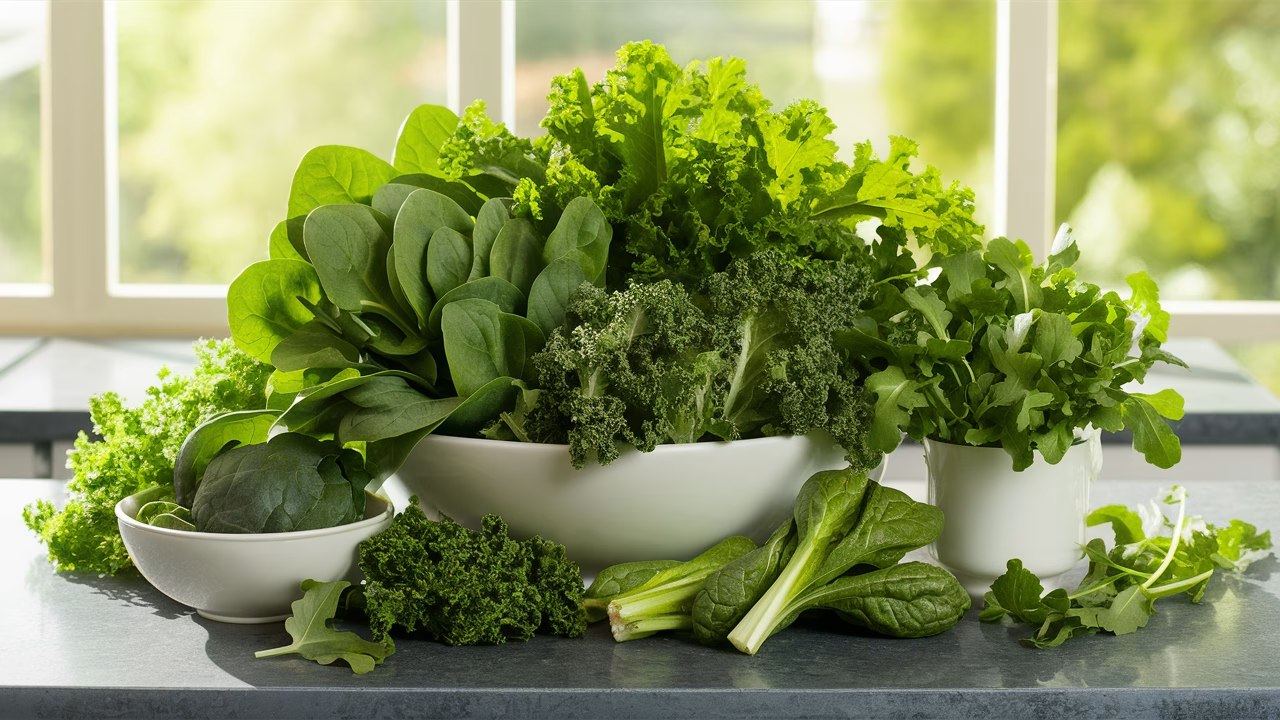
Leafy greens like spinach, kale, arugula, and Swiss chard are packed with nitrates, which your body converts to nitric oxide. This powerful molecule relaxes blood vessels, reducing tension on arterial walls—essentially making it easier for your heart to pump blood efficiently. They’re also abundant in potassium, which helps counterbalance the sodium that raises blood pressure.
How to Add More to Your Diet
- Add baby spinach to morning smoothies or omelets for an easy nutrient boost.
- Swap romaine for kale in your salads for higher nitrate levels.
- Sauté Swiss chard with garlic for a flavorful side dish that doubles your heart benefits.
Berries: Sweet, Tart, and Heart-Smart
Why it Works
Berries—especially blueberries, strawberries, and raspberries—are loaded with flavonoids like anthocyanins that reduce artery stiffness and inflammation. These powerful antioxidants help repair cell walls and increase nitric oxide levels, which helps blood vessels stay pliable and pressure-resistant.
Simple Serving Ideas
- Add a cup of mixed berries to Greek yogurt for a protein-rich breakfast.
- Keep frozen berries on hand for quick additions to oatmeal or heart-healthy smoothies.
- Snack on fresh strawberries with a few almonds for a potassium-rich combo.
Bananas: Portable Potassium Power
Why it Works
Each medium banana delivers about 400mg of potassium—roughly 10% of your daily needs. Potassium is a natural counterbalance to sodium’s pressure-raising effects and is crucial for nerve and muscle function, including maintaining your heart’s healthy rhythm.
In Your Routine
- Slice bananas into high-fiber cereal or porridge for sustained energy.
- Blend into your post-workout smoothie with other blood pressure-friendly foods.
- Grab one as an easy, grab-and-go snack that supports heart health.
Beets: A Natural Vasodilator
Why it Works
Beets are nitrate-rich root vegetables that stimulate nitric oxide production in your blood. This naturally widens blood vessels, increasing flow and lowering systemic resistance. Studies show beet juice can drop blood pressure measurements in just a few hours.
Creative Ways to Include
- Roast beets and toss into salads with other heart-healthy ingredients.
- Blend with oranges into a vibrant, nutrient-dense juice.
- Start slow—beets are powerful and may lower blood pressure quickly in sensitive individuals.
Oats: Rolled Comfort with Soluble Fiber
Why it Works
Oats contain beta-glucan, a form of soluble fiber that not only reduces LDL (bad cholesterol) but also improves arterial flexibility. More flexible arteries mean lower blood pressure readings. Additionally, oats help stabilize blood sugar, indirectly supporting overall heart health.
Making it Delicious
- Prepare overnight oats with almond milk, berries, and flaxseed for maximum heart benefits.
- Top cooked oats with nuts for healthy fats and extra fiber.
- Choose steel-cut or rolled varieties over instant for better blood pressure benefits.
Fatty Fish: Omega-3 Rich and Artery-Friendly
Why it Works
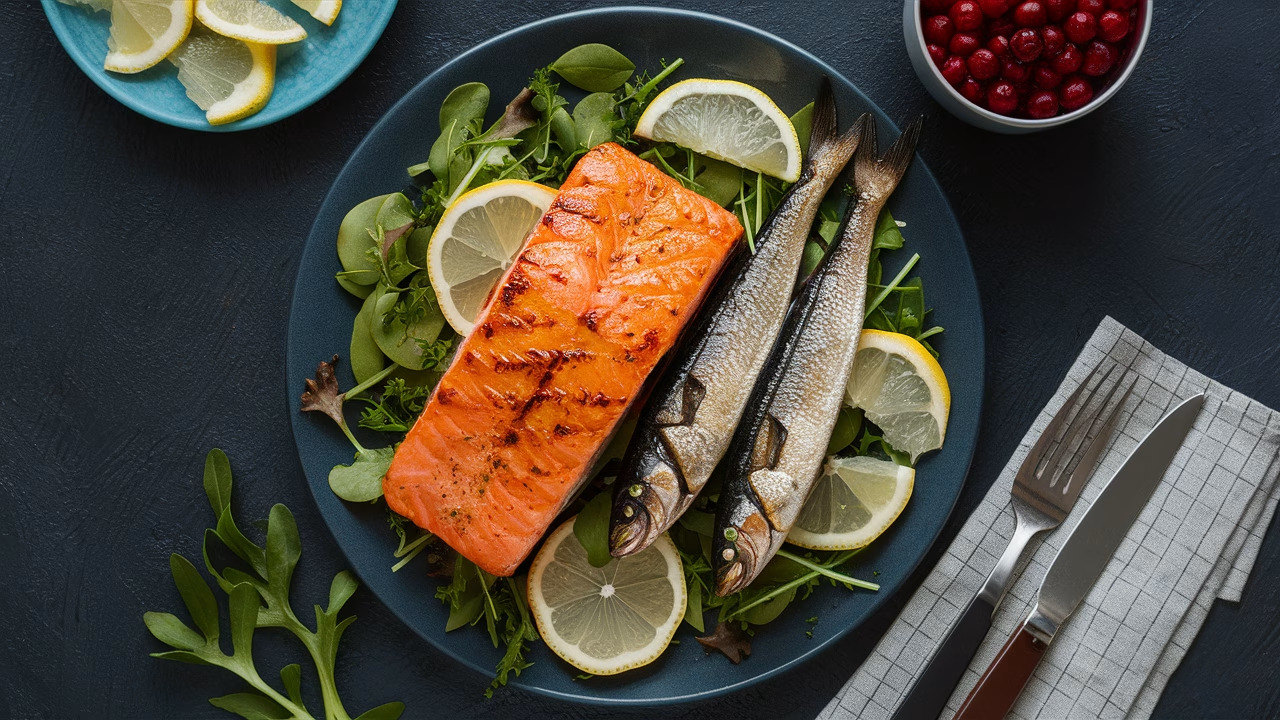
Fatty fish like salmon, sardines, and mackerel are rich in omega-3 fatty acids, which reduce inflammation and support healthy heart rhythm. These beneficial fats help decrease triglyceride levels, reduce arterial stiffness, and increase nitric oxide activity—all contributing to lower blood pressure.
Meal Ideas
- Grill salmon and serve with leafy greens and quinoa for a complete heart-healthy meal.
- Pair tuna with a chickpea salad during lunch for sustained energy.
- Try sardine pâté on whole grain crackers as a nutrient-dense snack.
Garlic: Heart-Helping Herb
Why it Works
Garlic contains allicin, a sulfur compound that helps blood vessels dilate naturally. Consistent intake can reduce both systolic and diastolic blood pressure. Research shows garlic supplements can cut blood pressure by up to 10 mmHg in adults with hypertension.
Use it Right
- Chop or crush raw garlic and let it sit for 5–10 minutes before cooking—this maximizes allicin content.
- Add to soups, hummus, or veggie stir-fries for flavor and heart benefits.
Pomegranates and Dark Chocolate: Antioxidant Powerhouses
Pomegranates
Pomegranate juice contains punicalagins and other compounds that protect arterial linings, reduce inflammation, and enhance nitric oxide efficacy—naturally lowering blood pressure in people with hypertension.
Dark Chocolate
Flavanol-rich dark chocolate (at least 70% cocoa) supports blood vessel dilation and healthy circulation. Just a square daily can offer cardiovascular benefits through consistent, modest consumption.
Pistachios: A Crunch of Magnesium and Balance
Why it Works
Pistachios are loaded with magnesium, potassium, and heart-friendly fats that work together to lower blood pressure. They help reduce arterial stiffness and have even shown benefits in managing stress-related blood pressure spikes.
Add Them To:
- Salads or grain bowls for added crunch and heart-healthy nutrients.
- Trail mixes with dried fruit and dark chocolate chips.
- Morning yogurt or oatmeal for sustained energy and blood pressure benefits.
Frequently Asked Questions
- What is the fastest food to lower blood pressure? – Beets and beet juice can help reduce blood pressure within a few hours of consumption due to their high nitrate content.
- How often should I eat these foods? – Consistency matters more than quantity. Try to include 1–2 of these blood pressure-lowering foods daily for best results.
- Are supplements as effective? – In some cases, yes—but whole foods offer a wider nutrient spectrum. Always consult a healthcare professional before choosing supplements.
- Can these foods replace medication? – Never stop prescribed medication without medical advice. These heart-healthy foods can support but not replace prescribed treatments.
- Do I need to avoid salt completely? – Focus on avoiding processed foods high in sodium. Natural salts in moderation are acceptable, depending on your condition.
- What’s the best time to consume these foods? – Spread them throughout the day to maintain consistent nutrient levels and blood pressure benefits.
- Are these foods safe for everyone? – Most are safe, but some (like beets and garlic) may interact with medications—check with your healthcare provider.