What’s the best way to improve your digestive system naturally?
The best way to support your digestive system is to nourish it through gut health and nutrition. This means eating a diverse, fiber-rich diet, incorporating probiotics and prebiotics, and adopting lifestyle habits that protect your gut microbiome—the community of trillions of bacteria that live in your digestive tract.
- Focus on gut health and nutrition: This includes a balanced intake of fiber, fermented foods, and plant diversity.
- Support your gut microbiome: A varied diet with prebiotics can promote healthy gut bacteria and reduce inflammation.
- Use smart lifestyle habits: Manage stress, move more, and avoid overuse of antibiotics to maintain healthy digestion.
- Start a beginner-friendly plan: With our gut health diet plan for beginners, you’ll form long-term habits that heal from within.
Even if you’ve dealt with bloating, digestive discomfort, or irregularity, you’re not alone—and better gut health is more achievable than you think.
Importance of Gut Health
Understanding the Gut Microbiome
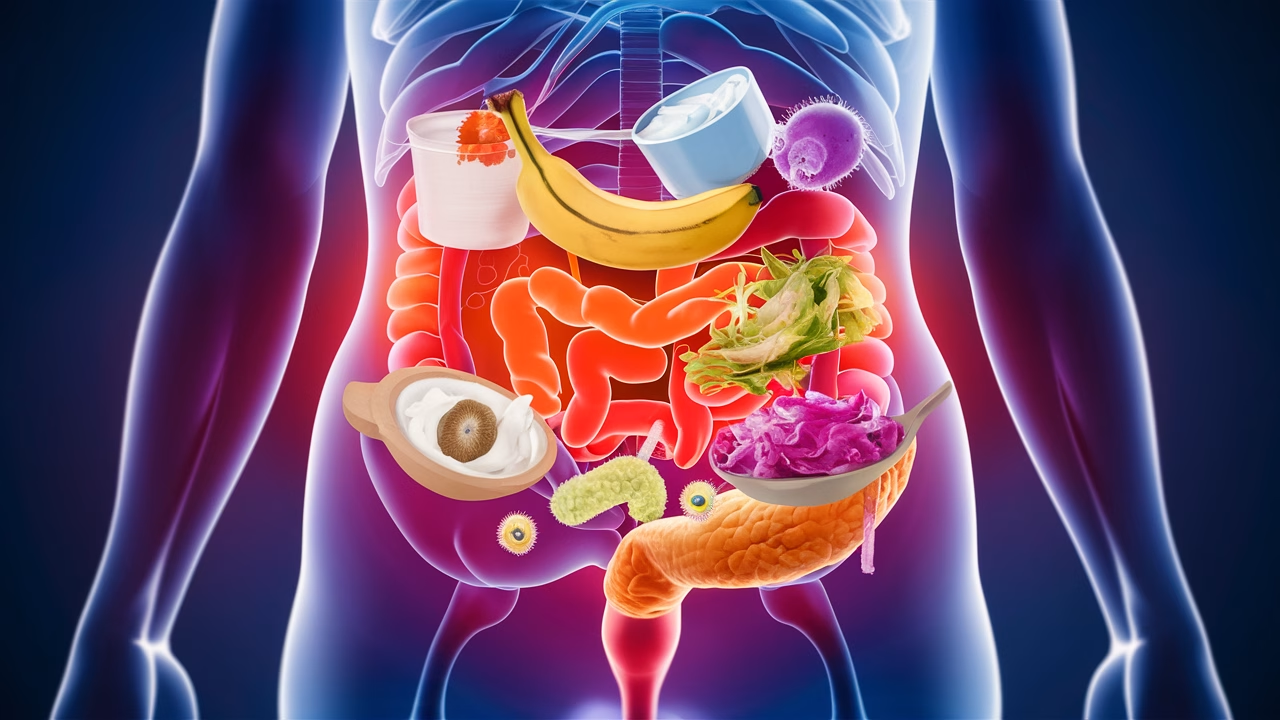
Imagine your digestive system as a bustling city, home to trillions of microorganisms collectively known as the gut microbiome. This bustling metropolis is key to digestion, immunity, and even your mood. When your gut microbiome is diverse and balanced, you feel better overall—your stools are regular, your bloating is reduced, and your immune responses are sharper.
But when this community falls out of balance (a condition called dysbiosis), you might face digestive discomfort, mental fog, or even long-term issues like inflammatory bowel conditions. This is why gut health and nutrition work hand in hand to maintain your digestive wellness.
Factors Affecting Gut Health
Several factors influence the balance of healthy gut bacteria:
- Diet: High sugar, ultra-processed foods, and low fiber intake can harm your gut microbiome.
- Stress: Chronic stress alters the gut-brain connection, disrupting your digestive system.
- Medication: Overuse of antibiotics can wipe out beneficial bacteria in your gut.
- Sleep: Irregular or poor sleep disrupts microbial balance and affects your digestive system.
Gut health and nutrition are deeply interconnected—the food you eat shapes your microbiome every day.
Diet for Gut Health
Probiotics and Prebiotics
The dynamic duo of digestive wellness, probiotics and prebiotics, are your gut’s best friends. Probiotics are live beneficial bacteria found in fermented foods, while prebiotics are the fiber-rich foods that nourish those bacteria in your digestive system.
| Probiotics | Prebiotics |
|---|---|
| Yogurt, kefir, kimchi, miso | Bananas, garlic, onions, oats |
| Contain live cultures like L. acidophilus | Rich in inulin or fructooligosaccharides |
| Support colonization of healthy gut bacteria | Feed existing gut microbes |
Ever wondered, probiotics vs. prebiotics for gut health—which is better? Truthfully, they work synergistically. Including both in your diet can significantly improve your digestive system and support a diverse microbiome.
Fiber-Rich Foods
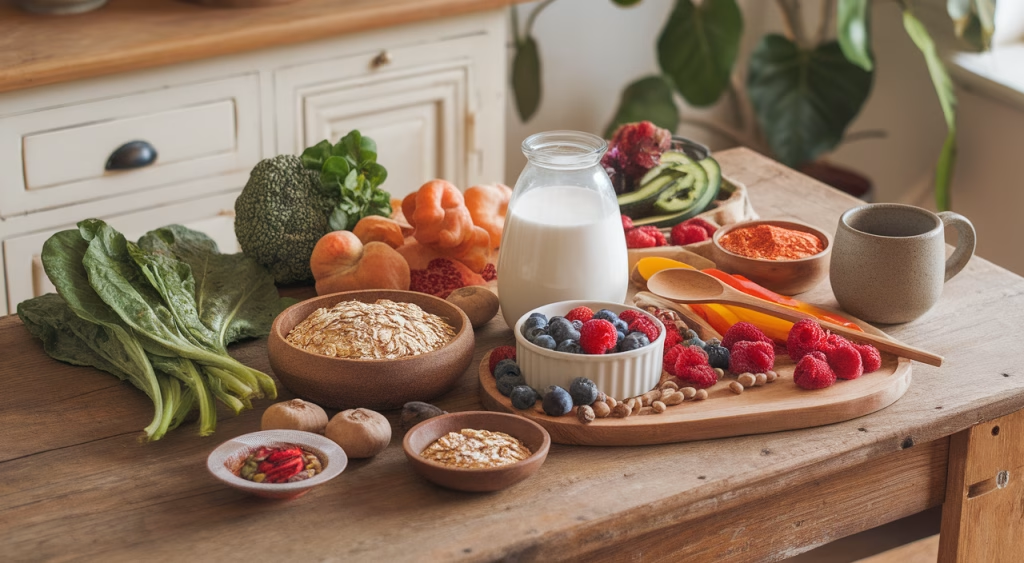
If prebiotics are the fuel, fiber-rich foods are the logistics network delivering that fuel where it’s needed most. Foods like lentils, oats, beans, and leafy greens not only aid your digestive system but also foster regularity and reduce gut inflammation.
Aiming for 25–30 grams of fiber daily (or more, if tolerated) can transform your digestive function. Choose a blend of soluble fiber (found in oats and apples) and insoluble fiber (in whole grains and vegetables) for smoother digestion and better gut health and nutrition.
Lifestyle Tips for Digestive Wellness
Stress Management
Your digestive system isn’t just processing food—it’s listening to your emotions. The gut-brain axis connects your digestive tract with your central nervous system, meaning emotional stress often triggers physical symptoms like cramps or bloating in your digestive system.
Mindfulness practices like deep breathing, yoga, journaling, or even nature walks can help tone the vagus nerve—the superhighway that carries signals between your brain and your digestive system.
How to Stop Sleeplessness in Legs: 7 Proven Ways to Beat Restless Leg Syndrome Tonight
Exercise for Gut Health
Movement is more than just calorie-burning—it’s a biological nudge for better digestion. Regular exercise stimulates intestinal contractions in your digestive system, reducing constipation and bloating. It also enhances microbial diversity—people who exercise consistently tend to have richer gut microbiomes and healthier gut bacteria than those who don’t.
Supplements for Gut Health
Best Probiotic Supplements
While fiber-rich foods are ideal, supplements can support your healthy gut bacteria, especially after antibiotic use. Choose a product with multiple strains (like Lactobacillus and Bifidobacterium) and check the colony-forming units (CFUs)—ideally 10 billion or more daily for optimal gut health and nutrition.
Here’s what often happens: someone tries probiotics, expects instant relief, feels disappointed. But real results for your digestive system take time. Consistency over weeks is key to building healthy gut bacteria.
Prebiotic Supplements
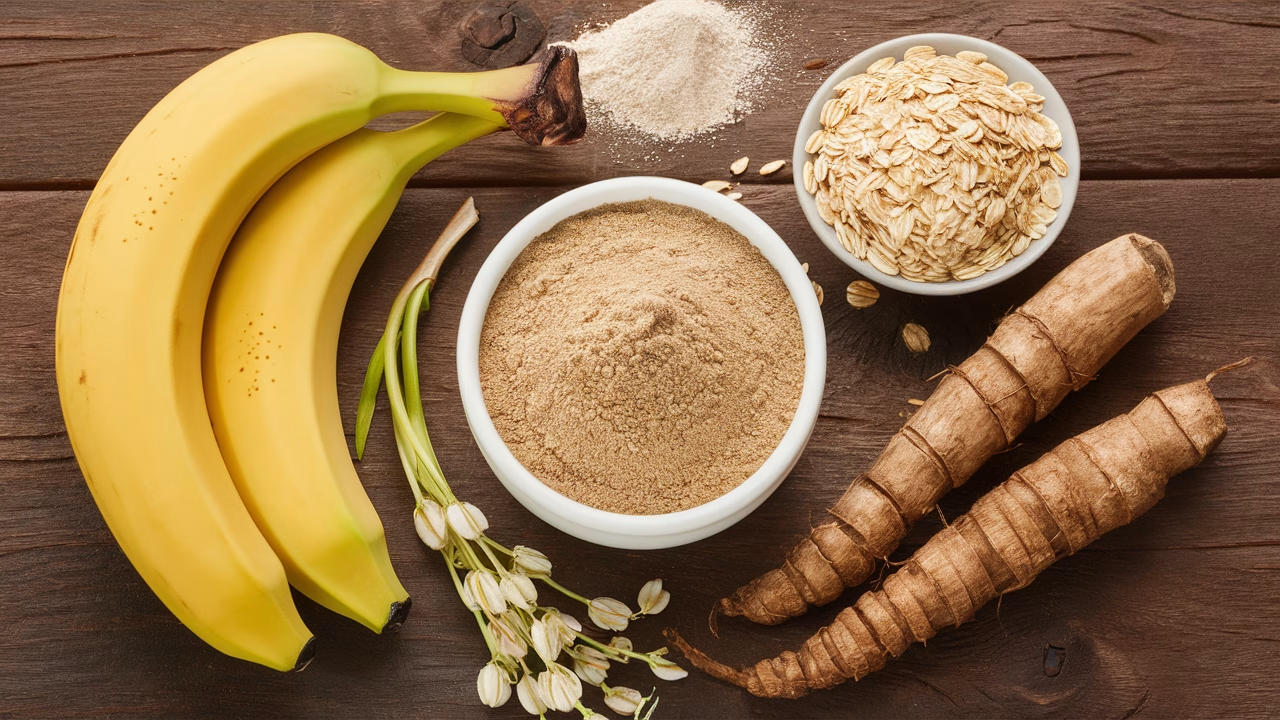
Prebiotic powders or capsules can offer a concentrated dose of gut-friendly fibers like inulin or resistant starch. These supplements are helpful if your diet lacks variety or if you’re transitioning slowly into a higher-fiber intake to support your digestive system.
Start small to avoid gas or bloating in your digestive system. A quarter teaspoon daily, gradually increasing as tolerated, is a smart approach to feed your gut microbiome without shocking your system.
Gut Health Routine for Beginners
7-Day Gut Health Meal Plan
This beginner plan combines the best prebiotic foods for gut health with nourishing meals to support healthy gut bacteria. Built around fiber-rich foods and fermented sources, it’s designed to optimize your digestive system while being as delicious as it is beneficial for gut health and nutrition.
| Day | Meals Focus |
|---|---|
| Monday | Oats with blueberries, lentil salad, yogurt with flax |
| Tuesday | Banana smoothie, veggie stir-fry, kimchi brown rice bowl |
| Wednesday | Avocado toast, bean soup, sauerkraut with tempeh |
| Thursday | Chia pudding, quinoa salad, grilled salmon + kale |
| Friday | Kefir smoothie, roasted chickpeas and greens, miso soup |
| Saturday | Oat pancakes, hummus & veggie wrap, yogurt parfait |
| Sunday | Scrambled eggs with sautéed spinach, beet salad, kombucha |
Implementing Digestive Health Habits
You don’t need an overhaul—just a steady shift toward better gut health and nutrition. Here’s how to balance your gut microbiome naturally:
- Shop for color: Aim for 30+ plant types weekly to diversify your gut microbiome with fiber-rich foods.
- Chew thoroughly: Mechanical digestion starts in your mouth—don’t rush meals and support your digestive system.
- Stay hydrated: Fluids move fiber through your digestive system, preventing constipation.
- Eat fermented foods daily: A spoonful of sauerkraut or shot of kefir makes a difference for healthy gut bacteria.
Every bite you take communicates something to your body. With gut health and nutrition at the center, you’re not just improving your digestive system—you’re changing your whole body from the inside out through better gut microbiome balance.
Frequently Asked Questions
- What are the signs of poor gut health? Symptoms may include bloating, gas, constipation, diarrhea, fatigue, skin issues, and food intolerances affecting your digestive system.
- How long does it take to improve gut health? Many people begin seeing improvements in their digestive system in 2–4 weeks with consistent changes to gut health and nutrition.
- Can I heal my gut without supplements? Yes, a diverse diet with fiber-rich foods and fermented foods can support your digestive system naturally.
- What is the difference between soluble and insoluble fiber? Soluble fiber dissolves in water and slows digestion; insoluble fiber helps move stool through your digestive system.
- Should I eat probiotics every day? Daily probiotics from food or supplements can help maintain healthy gut bacteria balance in your digestive system.
- Are fermented drinks like kombucha good for gut health? Yes, kombucha contains live cultures that can contribute to gut microbiome diversity and support your digestive system.
- What foods hurt gut health? Excess sugar, processed foods, alcohol, and artificial sweeteners can impair healthy gut bacteria and your digestive system.