How Does Scoliosis Affect the Body?
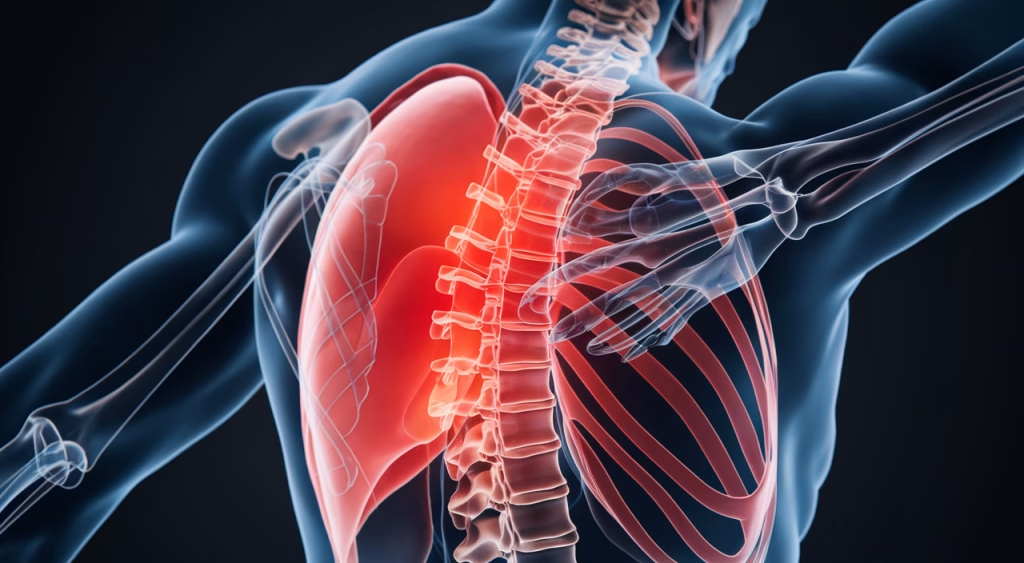
Scoliosis affects the body by creating an abnormal spinal curvature that disrupts your body’s natural alignment. This spinal distortion impacts the nervous system through nerve compression, interferes with digestive function by crowding internal organs, and can compromise cardiac performance when the ribcage becomes deformed.
TL;DR: What You Need to Know About How Scoliosis Affects the Body
- ✅ Scoliosis and the Nervous System: Spinal misalignment compresses nerves, causing pain, numbness, or muscle weakness throughout your body.
- ✅ Digestive Difficulties: The spinal curve compresses internal organs, leading to acid reflux, constipation, and slowed digestion.
- ✅ Impact on Heart and Lungs: Severe curves, especially thoracic scoliosis, reduce lung capacity and strain cardiovascular function.
- ✅ Organ Function Changes: Poor spinal alignment creates pressure within your torso, affecting kidney, liver, and intestinal function over time.
- ✅ It’s More Than Back Pain: While you might notice scoliosis through posture changes or discomfort, its effects reach throughout your entire body system.
Understanding the Impact of Scoliosis on Your Health
When you hear “scoliosis,” you probably think of a curved spine and maybe some back pain. But scoliosis affects the body in ways that go far beyond what you can see. Your spinal column serves as the central highway for your body’s most critical systems. When scoliosis creates an abnormal curve, it’s like putting a kink in your body’s electrical and plumbing systems—disrupting nerve communication, blood circulation, and organ efficiency.
We’ll explore how scoliosis affects your body’s interconnected systems, starting with your body’s communication network: the nervous system.
How Scoliosis Affects the Nervous System
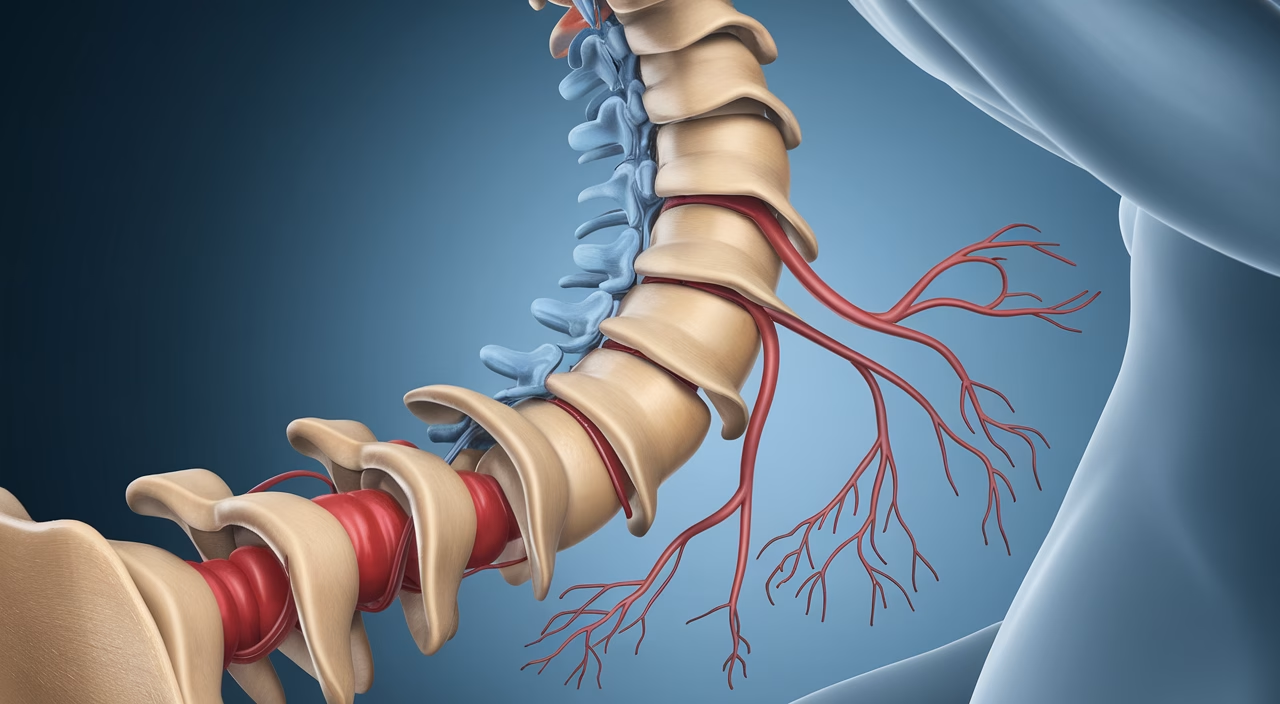
Your spine isn’t just structural support—it’s the protective tunnel for your spinal cord, which carries vital nerve signals between your brain and body. When scoliosis affects the nervous system, it disrupts this communication like a damaged cable causes poor internet connection.
As scoliosis progresses, your vertebrae twist and rotate, narrowing the openings (foramina) where nerves exit your spine. This compression creates:
- Radiating pain: Sharp or aching pain that travels down your arms or legs, depending on which spinal level is affected.
- Numbness and tingling: You might feel “pins and needles” in your hands or feet due to compressed nerves.
- Muscle weakness: Particularly in your legs or hands, affecting your coordination and strength for daily activities.
The most concerning issue involves your autonomic nervous system—which controls involuntary functions like your heart rate and digestion. When scoliosis interferes with these nerves, symptoms can be subtle but serious.
Real-world example: If you have thoracic scoliosis, you might experience shortness of breath not only because your lungs are compressed, but also due to poor nerve signaling to your respiratory muscles.
The Link Between Scoliosis and Digestive Disorders
Your digestive tract was designed to function smoothly within your torso’s natural space—but scoliosis changes that space dramatically. When your spine curves abnormally, it doesn’t just affect your back; it twists and compresses the area where your digestive organs operate.
Common digestive disorders caused by scoliosis include:
- Chronic constipation: Reduced space limits intestinal movement, and poor abdominal pressure makes bowel movements more difficult.
- Acid reflux (GERD): A twisted midsection can push stomach contents upward, especially after you eat meals.
- Persistent bloating: Food takes longer to digest and gas becomes trapped more easily in your compressed digestive tract.
In teenagers with scoliosis, growth-related spinal changes can directly interfere with how abdominal organs position themselves. It’s like trying to run delicate machinery inside a warped container—everything struggles to function properly.
Warning signs to watch for: If you experience chronic reflux, bloating after small meals, or uncomfortable abdominal pressure when sitting, your scoliosis might be affecting your digestive system.
Cardiac Issues Associated with Scoliosis
Severe scoliosis—particularly thoracic curves that bend toward your lungs and heart—can create serious cardiopulmonary complications. When scoliosis affects your ribcage shape, it reduces the space your heart and lungs need to function optimally.
How scoliosis impacts your heart:
- Left ventricle compression: This critical heart chamber pumps oxygen-rich blood throughout your body. When compressed, your circulation becomes less efficient.
- Reduced physical endurance: You may become fatigued or breathless during mild activities due to poor heart-lung coordination.
- Complications with existing conditions: If you have genetic scoliosis, any existing heart defects may worsen due to pressure from spinal misalignment.
Case example: A teenager with moderate thoracic scoliosis might complain of breathlessness during physical education. When tested, doctors often find their lung capacity is 20–25% below normal due to spinal misalignment preventing proper rib expansion.
The encouraging news? With early detection and proper treatment, you can avoid these complications through physical therapy, bracing, or surgical intervention when necessary.
Cost Guide: Managing Scoliosis-Related Complications
| Treatment Type | Low-End Estimate | Mid-Range | High-End or Surgical |
|---|---|---|---|
| Chiropractic or PT (monthly) | $75 | $150 | $400+ |
| Imaging & diagnosis exams | $100 | $300 | $600+ |
| Bracing (custom) | $500 | $1,200 | $3,000+ |
| Spinal surgery (total) | $10,000 | $30,000 | $100,000+ |
Exploring the Effects of Scoliosis on Organ Function
When you experience symptoms like persistent fatigue, slow digestion, or reduced appetite, scoliosis might not be the first cause you consider. But you should, because scoliosis organ function problems are more common than many people realize.
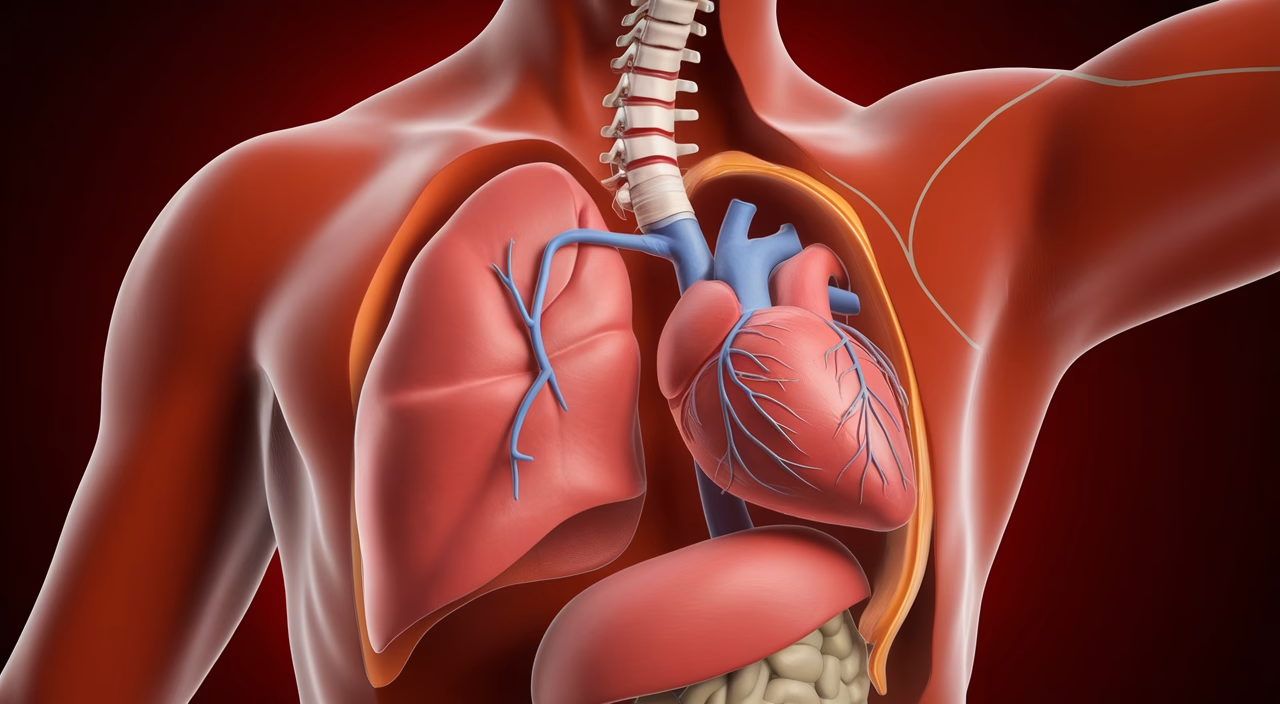
The shifting internal geometry caused by scoliosis can stretch, compress, or misalign your vital organs over time. Here’s how different organs are affected:
- Lungs: Reduced capacity makes deep breathing difficult and limits your oxygen intake during physical activity.
- Kidneys: A twisted torso may impact drainage through the ureters, potentially affecting waste elimination.
- Stomach and Liver: These organs may become displaced, causing discomfort or altered digestive function.
It’s like trying to conduct an orchestra when the instruments are jumbled and squeezed together—the music still plays, but it’s far from harmonious.
If your scoliosis is secondary to a neuromuscular disorder, these organ function effects can become more severe. This is why we recommend proactive therapy to support your breathing, circulation, and digestion as early as possible in your treatment journey.
Final Thoughts: Take Your Scoliosis Seriously—Because Your Body Does
Scoliosis doesn’t just change your posture—it can quietly reshape how your entire body functions from the inside out. While not everyone with scoliosis will experience serious complications, understanding how scoliosis affects the body’s interconnected systems helps you prevent larger health issues down the road.
If you or someone you care about has been diagnosed with scoliosis, don’t just monitor the spinal curve. Watch for signs that your nervous system, digestive system, or heart is under pressure too. We recommend partnering with healthcare professionals to build a comprehensive care plan that addresses your whole-body health, not just your spine.
Frequently Asked Questions
Can scoliosis affect organ function?
Yes. In moderate to severe cases, scoliosis can reduce the space available for internal organs to operate optimally. This may impair lung expansion, compress digestive organs, and affect the cardiovascular system.
What digestive issues are common with scoliosis?
Individuals with scoliosis often report acid reflux, constipation, and irregular bowel movements—typically due to torsion and compression of the abdominal region.
Can scoliosis lead to heart problems?
Yes, especially in severe thoracic scoliosis where the ribcage collapses slightly and compresses the heart. This may lead to reduced circulation, chest discomfort, or shortness of breath.
Is nerve damage from scoliosis permanent?
It depends. Nerve compression can be temporary and resolve with therapy or decompression, but prolonged or severe compression can cause lasting symptoms if untreated.
Will improving posture help organ function?
In many moderate scoliosis cases, exercises and bracing that improve spinal alignment can also relieve pressure on organs, easing symptoms like bloating and fatigue.
What treatments help restore organ function affected by scoliosis?
Physical therapy, posture correction, breathing exercises, and in severe cases, surgery—can help restore better organ performance by addressing spinal alignment.
Does every curved spine cause these issues?
No, minor scoliosis may never cause functional problems. But monitoring symptoms and regular evaluations ensure early detection and prevention of serious complications.