
How Does the Weather Affect Mood and Energy?
Weather affects mood and energy in profound ways, often influencing how you feel without you even realizing it. Understanding this connection can help you take control of your emotional wellbeing regardless of what’s happening outside.
• Sunny days naturally boost serotonin production, improving your mood and increasing energy levels
• Rainy weather and overcast skies can trigger feelings of sadness and decrease motivation
• Cold temperatures slow down cognitive functions, making it harder to concentrate and stay productive
• High humidity affects physical comfort and can drain your energy throughout the day
Understanding the Relationship Between Weather and Mood
The science behind how weather affects mood and energy involves complex interactions between sunlight exposure, temperature changes, and humidity levels. Each weather condition triggers different physiological responses that directly impact your emotional and physical wellbeing.
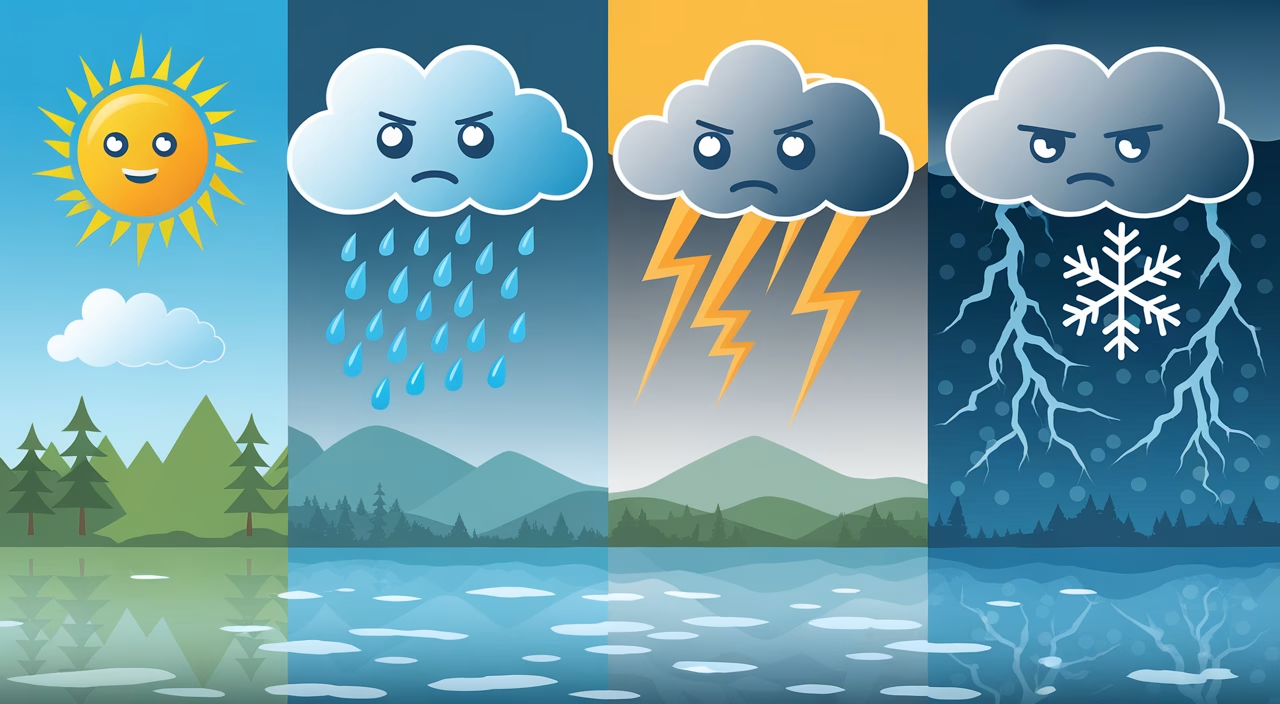
How Different Weather Conditions Influence Emotions
Sunlight acts as nature’s antidepressant, stimulating vitamin D production and boosting serotonin levels in your brain. When rainy weather persists, many people experience what feels like emotional heaviness – this isn’t just in your head. Temperature fluctuations can dramatically shift your mood states, with each degree of change potentially affecting how you feel and think throughout the day.
The Science Behind Weather’s Effect on Energy Levels
Your energy levels are directly connected to circadian rhythms, which sunlight heavily influences. Bright, sunny days naturally increase alertness and cognitive function, while cloudy or rainy periods can significantly reduce your energy reserves. Extreme temperatures force your body to work harder – either cooling itself in heat or warming up in cold – which drains the energy you need for daily activities.
Coping Strategies for Weather-Induced Mood Changes
Managing how weather affects mood and energy requires proactive strategies and self-awareness. By recognizing weather patterns that trigger mood changes, you can prepare effective countermeasures.
Tips for Managing Mood Swings in Various Weather Conditions
Develop personalized rituals that work for different weather conditions. Use cognitive-behavioral techniques to identify negative thought patterns triggered by gloomy weather. On rainy days, create a cozy environment with warm lighting, comfortable textures, and engaging activities that naturally boost your mood and energy levels.

Boosting Energy during Gloomy Weather Days
Regular exercise becomes crucial when weather affects mood and energy negatively. Indoor workouts can be just as effective as outdoor activities for combating weather-induced lethargy. Focus on foods rich in omega-3 fatty acids and B vitamins to naturally support energy production. Use aromatherapy and uplifting music to create an energizing atmosphere that counteracts gloomy weather conditions.
Creating a Positive Environment in Any Weather
Transform your living space into a mood-boosting sanctuary regardless of outside weather conditions. Maximize natural light by keeping curtains open, use bright artificial lighting during dark days, and surround yourself with colors and images that evoke positive emotions.
Enhancing Mental Health on Sunny Days
Take full advantage of sunny weather by spending time outdoors, even for just 15-20 minutes. Natural sunlight exposure helps regulate your circadian rhythm and provides essential vitamin D. Combine outdoor activities with physical exercise to maximize the mood and energy benefits that sunny weather naturally provides.
Embracing the Benefits of Rainy Weather
Instead of fighting rainy weather, learn to appreciate its unique benefits for mental health. The sound of rain can be naturally calming and meditative. Use rainy days for indoor self-care activities, reading, or creative pursuits that you might not have time for during busy, sunny days.
Practical Methods for Improving Mood and Energy
Implement daily strategies that help you maintain consistent mood and energy levels regardless of how weather affects your natural rhythms. These methods focus on building emotional resilience and energy stability.
Adjusting Daily Routines Based on Weather Forecasts
Plan your schedule around weather forecasts to minimize the negative impact of challenging weather conditions. Schedule important tasks during predicted sunny periods when your energy levels are likely to be higher, and plan indoor, low-energy activities for rainy or overcast days.
Utilizing Weather-Related Apps for Enhanced Wellness
Modern technology offers powerful tools to help you understand how weather affects mood and energy in your specific situation. Use weather apps that track barometric pressure, UV index, and temperature changes to anticipate mood fluctuations and plan accordingly.
Conclusion
The Power of Weather in Shaping Mental Wellbeing
Understanding how weather affects mood and energy empowers you to take control of your emotional wellbeing. By implementing targeted strategies for different weather conditions, you can maintain consistent energy levels and positive mood regardless of what’s happening outside. Weather doesn’t have to control how you feel – with the right tools and mindset, you can thrive in any conditions.
Frequently Asked Questions
What does it mean when the weather reflects your mood?
When weather reflects your mood, it means that atmospheric changes and weather conditions are significantly impacting your emotional state and energy levels.
How can sunlight improve mental health?
Sunlight improves mental health by boosting serotonin production, regulating circadian rhythms, and increasing vitamin D levels, which all contribute to better mood and energy.
Is it normal to feel tired on rainy days?
Yes, feeling tired on rainy days is completely normal. Reduced sunlight exposure and changes in barometric pressure can naturally lower your energy levels and make you feel fatigued.