
How can I improve air quality in my dorm room quickly and naturally?
Start with airflow, reduce moisture, and add purification. The key to better dorm room air quality is a combination of circulation, humidity control, and ongoing cleanliness.
TL;DR — Dorm Air Quality Made Simple:
- Ventilate consistently: Crack open your window daily or use a small fan to prevent stagnant air and improve dorm room air quality.
- Reduce moisture buildup in dorms: Use dehumidifiers and avoid wet towels or drying laundry indoors.
- Dust often: Dust bunnies = allergens. Regular cleaning reduces particles in your breathing space.
- Choose the right air purifier: Pick a compact purifier with a HEPA filter (not all are created equal).
- Avoid synthetic sprays: Swap air fresheners or scented candles for natural solutions like activated charcoal.
1. Understanding Common Causes of Poor Air Quality in Dorm Rooms
Your college dorm might be home away from home, but it’s not exactly known for fresh mountain air. If you’ve walked in after class and caught a whiff of stale, musty air, you’re experiencing firsthand what thousands of students deal with daily.
The most common contributors to poor air quality in dorm rooms include:
- Dust and allergens: Even without pets, dust accumulates rapidly in small spaces, triggering allergies and respiratory issues.
- Shared HVAC systems: Centralized heating and cooling systems often recirculate contaminated air between rooms.
- Excess moisture from daily activities: Showers, laundry, and cooking create humidity spikes that promote mold growth.
- Harsh cleaning chemicals: Commercial sprays can irritate your lungs and worsen indoor air quality.
- Off-gassing from furniture: VOCs from new dorm furniture and cheap bedding continuously release into your air.
Here’s what typically happens: you leave your room sealed all day, keep windows closed for temperature control, maybe dry wet towels over a chair—and suddenly your dorm becomes a stagnant microclimate of polluted air and microscopic irritants that impact your health and sleep quality.

2. The Impact of Humidity on Dorm Room Air Quality
Let’s address the invisible factor that dramatically affects your dorm room air quality: humidity levels. Humidity isn’t just about feeling sticky—when it exceeds 60%, it creates perfect conditions for mold and mildew growth. Conversely, low humidity dries out your respiratory system and can worsen asthma or allergies.
Most dorm rooms suffer from poor ventilation and inconsistent heating, leading to dangerous moisture imbalances. You might notice these warning signs of moisture buildup in dorms:
- Foggy windows every morning
- Persistent damp, musty odors
- Condensation on walls or around air vents
Understanding how humidity impacts your air quality is crucial for creating a healthier living environment:
| Humidity Level | Result | Impact on Air Quality |
|---|---|---|
| Above 60% | Mold/mildew growth | Triggers asthma, odor, pathogens |
| < 30% | Dry air, eye/throat irritation | Aggravates sinuses, static shock |
| 40–50% | Ideal range | Best for respiratory comfort |
Solution: Open windows when weather permits, use moisture absorbers, and never hang wet towels in your dorm overnight. If humidity remains problematic, invest in a compact, dorm-safe dehumidifier to maintain optimal air quality.
3. Simple Strategies for Better Air Circulation in Your Dorm
Fresh air needs to move freely to maintain healthy dorm room air quality. Proper circulation pushes out dust particles, reduces trapped moisture, and makes your space feel immediately more breathable and comfortable.
Implement these proven clean air circulation strategies daily:
- Strategic window venting: Even 15 minutes daily can flood your room with fresh outdoor air. Open both top and bottom sections when possible.
- Smart fan positioning: Place one fan near the window to push stale air out and position another facing inward for fresh air intake.
- Clear air pathways: Don’t block vents with laundry baskets, storage boxes, or furniture that restricts airflow.
- Contain odor sources: Keep dirty laundry sealed, empty garbage frequently, and use baking soda in trash cans to neutralize smells.
In practice, you’ll notice your room feels less stuffy and significantly more breathable within minutes when air flows freely. This simple change can dramatically improve how you sleep and concentrate in your dorm.
Trust your senses—if your room smells off or feels stagnant, it’s a clear sign that air isn’t circulating properly and needs immediate attention.
4. Choosing the Right Air Purifier for Your Dorm Room
Let’s demystify the process of choosing the right air purifier for your specific dorm needs. With countless options available, it’s tempting to grab the cheapest option—but not all purifiers deliver the air quality improvements you need in a compact dorm setting.
| Feature | Why it Matters | What to Look For |
|---|---|---|
| HEPA Filter | Captures small particles effectively | True HEPA means 99.97% particle removal |
| Room Size Ratings | Must match your dorm dimensions | 100–200 sq ft coverage minimum |
| Noise Level | You’ll sleep next to it nightly | Under 50 dB for comfortable living |
| Size + Portability | Dorms have extremely tight quarters | Under 10 lbs ideal for easy moving |
| Ozone-Free Operation | Some cheap models emit harmful ozone | Only certified ozone-safe models |
Pro tip: Always select a purifier with easily replaceable filters and track replacement schedules. Dirty, clogged filters actually worsen air quality instead of improving it.
Cost Guide: What You Can Expect to Spend
| Product Type | Low-End | Mid-Range | High-End |
|---|---|---|---|
| Portable Air Purifier | $25–$55 | $75–$140 | $160–$250 |
| Small Dehumidifier | $20–$40 | $50–$100 | $120–$180 |
| Fan (box/desk) | $10–$30 | $35–$60 | $65–$100 |
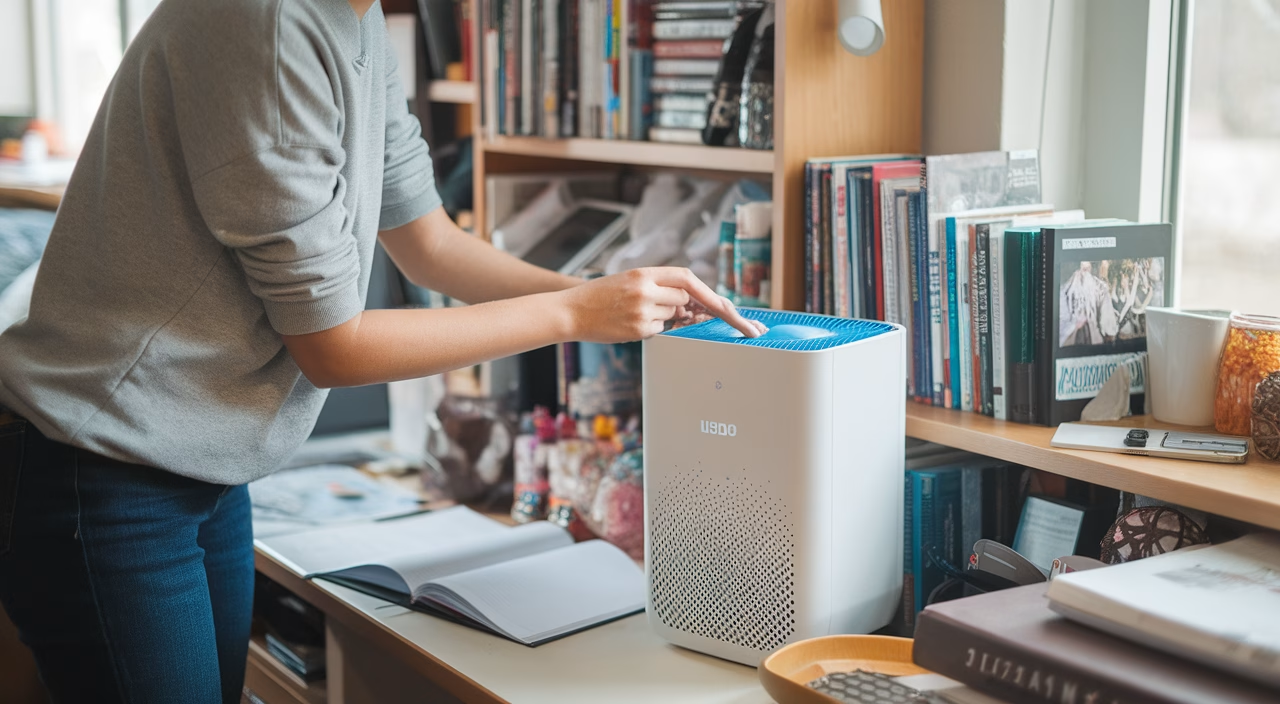
5. Maintaining Clean and Healthy Air in Your Dorm Long-Term
Once you’ve established better dorm room air quality, consistency is key to maintaining these improvements. Don’t let your hard work backslide—maintaining clean air requires developing simple daily habits, just like brushing your teeth.
These essential practices will dramatically improve your student living air quality over time:
- Weekly deep cleaning: Dust all surfaces, vacuum rugs thoroughly, and wipe down windowsills where particles accumulate.
- Mold vigilance: Check corners, behind furniture, and under your mini fridge for any signs of mold growth.
- Filter maintenance: Replace air purifier and HVAC filters according to manufacturer schedules—set phone reminders.
- Eliminate strong scents: Avoid smoking and limit artificial fragrances that linger and compromise air quality.
- Monitor humidity consistently: Use a hygrometer for real-time humidity insights and adjust as needed.
Long-term benefits: Maintaining your room’s air quality through consistent circulation and contamination reduction will help you sleep better, think more clearly, and wake up without that dreaded stuffy feeling that plagues so many students.
Final Thoughts: Clean Air, Clear Mind
Improving your dorm room air quality ranks among the smartest lifestyle upgrades you can make during your college years. Better air quality directly impacts how well you sleep, focus during study sessions, and feel both mentally and physically. The best part? It doesn’t require a huge budget or complicated systems.
Remember: small, consistent actions in air quality management lead to significant improvements in your daily life and academic performance.
So next time your dorm feels stuffy or your allergies act up, remember this simple formula: proper airflow plus consistent attention equals clearer lungs, better sleep, and sharper thinking.
Frequently Asked Questions
Does a stuffy room make you tired?
Absolutely. Poor air circulation reduces oxygen levels and increases the concentration of CO2, which can lead to fatigue, headaches, and trouble concentrating. A stuffy room can literally drain your energy without you realizing it.
What’s the ideal indoor humidity for college dorms?
Aim for 40–50%. This range is comfortable for breathing and minimizes mold and dust mite growth. Use a hygrometer to monitor humidity levels and adjust with a humidifier or dehumidifier as needed.
Are air purifiers worth it for dorm rooms?
Yes, especially in shared or dusty environments. A good air purifier with a HEPA filter can remove allergens, dust, and odor-causing particles, making your dorm feel fresher and safer.
How often should I change the air purifier filter?
Typically every 3–6 months, depending on the model and usage. Always follow the manufacturer’s guidelines for optimal performance.
Can I open my dorm window even if it’s cold?
Yes, even a 10-minute partial opening can drastically improve airflow without losing too much heat. Do it daily if indoor air starts feeling stale or stuffy.
What’s the safest way to freshen the air without sprays?
Use natural methods like activated charcoal, essential oil diffusers with non-toxic oils (if allowed), or baking soda in open dishes. These absorb odors rather than masking them.
How do I tell if I have mold in my dorm?
Common signs include musty smells, dark spots on walls or corners, and increased allergy symptoms. Report any possible mold immediately to campus housing.