
How Does Core Strength Support Lower Back Health?
Your core is more than just visible abdominal muscles — it’s your spine’s first line of defense. These deep muscles act like scaffolding, stabilizing your torso and reducing undue pressure on your lower back. When your core is weak or imbalanced, your spine takes the hit, often resulting in pain, strain, or injury. Building core strength for lower back support isn’t about chasing six-pack abs — it’s about creating a resilient, pain-resistant body that protects your spine during every movement.
- ✅ TL;DR: Strong core muscles help stabilize your spine and pelvis.
- ✅ Core strength helps correct postural and muscular imbalances.
- ✅ Targeted core exercises can prevent and reduce lower back pain.
- ✅ Reducing strain improves movement efficiency and decreases injury risk.
Why Core Strength Is Essential for Spinal Health
Think of your spine as a tall tower made of stacked stones. Without solid support from all sides, the stones shift, wobble, and eventually collapse. Your core muscles are what keep this tower upright and stable. They include the transverse abdominis, obliques, rectus abdominis, pelvic floor, diaphragm, and spinal stabilizers like the multifidus. When these muscles work together effectively, they maintain proper alignment and protect your lower back from strain during daily activities.
Whether you’re lifting a laundry basket or running a marathon, your core should be constantly engaged to support your spine. Weak or underactive core muscles create compensations in other areas, like the hip flexors or lower back extensors, leading to muscular imbalances and chronic pain that can severely impact your quality of life.
Common Core Muscles and Their Role in Lower Back Support
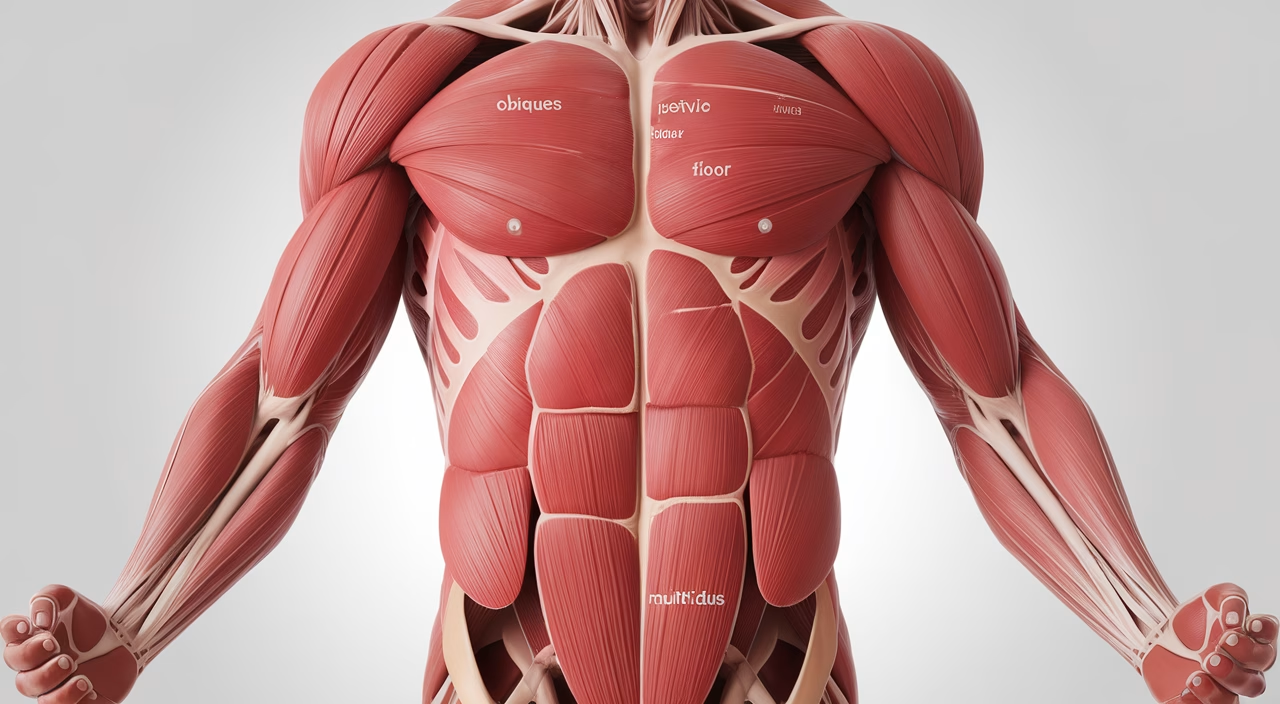
When people say “engage your core,” they’re referring to a complex system of muscles working together to protect your spinal health.
Major Core Muscles and Their Primary Functions:
| Muscle | Location | Role in Lower Back Support |
|---|---|---|
| Transverse Abdominis | Wraps around the torso like a corset | Provides deep stabilization and reduces spinal strain |
| Rectus Abdominis | Front of the abdomen | Assists in spinal flexion, core compression |
| Internal/External Obliques | Sides of the torso | Support trunk rotation and side bending |
| Multifidus | Deep spinal muscles | Stabilizes vertebrae and improves posture |
| Pelvic Floor | Base of the pelvis | Supports abdominal contents and coordinates with deep stabilizers |
When all these muscles work in harmony, spinal health improves dramatically. You’ll experience easier movement, better posture, and significant strain reduction throughout your daily activities.
Core Strengthening Exercises for a Healthy Spine
If your goal is building core strength for lower back support, you need to start with exercises that emphasize stability, control, and proper breathing patterns. Skip the advanced moves like sit-ups or Russian twists initially. Instead, focus on gentle but highly effective core strengthening exercises that target your deep stabilizers and address any existing muscular imbalances.
Best Core Exercises for Lower Back Support
- 1. Dead Bug
Lie on your back with arms and legs in tabletop position. Slowly lower opposite arm and leg while keeping your low back pressed into the floor. This exercise improves coordination while building deep core strength. - 2. Bird Dog
Start on hands and knees, then extend opposite arm and leg. Focus on keeping hips level and core engaged throughout the movement to enhance spinal stability. - 3. Bridge with March
Lift your hips into a bridge position and alternate lifting one knee at a time, engaging your glutes and core muscles for maximum strain reduction. - 4. Side Plank (Knee Down)
Excellent for oblique activation and addressing lateral muscular imbalances — build endurance gradually for best results. - 5. Forearm Plank (Modified)
Focus on maintaining perfect pelvic alignment rather than holding for maximum duration. Quality of movement trumps time every time.
Remember, consistency matters far more than intensity when building core strength for lower back support. Start with 10–15 minutes daily, 3–4 times per week, and focus on proper form.
Cost Guide: Getting Professional Guidance
| Service | Price Range |
|---|---|
| 1-on-1 Physical Therapy Session | $75 – $160 per session |
| Virtual Core Training Programs | $20 – $90 monthly |
| Core-focused Group Classes | $10 – $30 per class |
Working with a specialist can improve your exercise form, offer customized guidance for your specific needs, and significantly reduce your risk of injury — especially if you’re currently dealing with chronic lower back pain.
Tips for Improving Core Stability and Preventing Lower Back Pain

Creating optimal core strength for lower back support extends beyond just exercise. Here’s how you can upgrade your body’s natural support system throughout your daily routine:
Daily Habits That Strengthen Core Stability:
- Start with Proper Breathing: Deep, diaphragmatic breathing automatically activates your transverse abdominis and enhances spinal health naturally.
- Fix Your Posture Consistently: Imagine a string gently drawing you up from the crown of your head — this subtle elongation works your core muscles throughout the day.
- Maintain Alignment While Sitting: Avoid slouching by sitting tall with hips and knees at 90º and feet flat on the floor to prevent strain.
- Use Core Activation During Movement: Before lifting objects or standing up, gently brace your core as if preparing for a light punch to your belly.
- Stretch Complementary Muscle Groups: Tight hip flexors and hamstrings can inhibit proper core engagement and contribute to muscular imbalances.
In practice, these small changes compound quickly. Within just a few weeks, most people report decreased aching in their lower back, dramatically improved balance, and better energy stability — especially during long commutes, standing in lines, or playing with children.
Final Thoughts
Developing strong Core Strength for Lower Back Support isn’t just another fitness trend — it’s a critical health investment that pays dividends for life. A stable, well-functioning core acts as your spine’s secret armor, providing essential protection from daily wear, postural stress, and sudden movements that can cause injury. By focusing on proper alignment, systematically correcting muscular imbalances, and consistently performing the right core strengthening exercises, you give your spine the robust support system it desperately needs.
Whether you’re starting your journey from a place of discomfort or proactively working to prevent future issues, investing in core stability and spinal health is one of the smartest decisions you can make for your long-term physical well-being and quality of life.
Frequently Asked Questions
Does weak core affect the lower back?
Yes — a weak core forces your lower back to overcompensate, leading to strain and discomfort. Strengthening core muscles helps prevent this imbalance.
What are the first core exercises I should try?
Start with foundational moves like dead bugs, marching bridges, and bird dog. These target deep stabilizers without overloading your back.
How often should I train core to reduce back pain?
Consistency is key — aim for short sessions 3–4 times per week focusing on form and breathing, not just repetition.
Can core exercises replace physical therapy?
Not exactly. While exercises are crucial, working with a physical therapist ensures safe, customized progress — especially if you’re recovering from injury.
What’s the difference between abdominal workouts and core-focused training?
Ab workouts often target surface muscles like the rectus abdominis. Core training includes deeper stabilizers vital for spinal health and back support.
Should I avoid certain exercises with back pain?
Yes — exercises that involve twisting, heavy weights, or unsupported forward bending can exacerbate pain. Always consult a professional before starting.
How long until I feel improvement in my back?
Improvements can begin within a few weeks with regular practice. Many notice less tension during daily activities and improved balance within the first month.