What Does It Mean When You’re Experiencing Shortness of Breath?
Shortness of breath, also known as dyspnea, is that unsettling feeling where you can’t quite catch your breath or get enough air. It can strike suddenly during activities or develop gradually over time, signaling various health conditions—some minor, others requiring immediate attention.
TL;DR – Quick Summary of Key Insights
- Shortness of breath can stem from lung problems like asthma, COPD, or pneumonia that block your airways.
- Heart problems such as heart failure force fluid into your lungs, making breathing harder—especially when lying down.
- Deconditioning (being out of shape) and obesity physically restrict lung expansion and overwork your heart.
- Allergic reactions and systemic illness problems, like anemia or thyroid disorders, create breathing difficulties you might not expect.
- Your nervous system controls breathing patterns—stress and anxiety can trigger breathlessness even with healthy lungs.
- Improving your circulation and breathing through targeted lifestyle changes can dramatically reduce symptoms.
- We’ll share proven medical treatments and natural remedies to help you breathe easier and prevent chronic shortness of breath.
Understanding Shortness of Breath
When you experience shortness of breath, you might feel chest tightness, struggle to take deep breaths, or find yourself gasping after simple activities—or even while resting. This happens when there’s a mismatch between your body’s oxygen needs and what your respiratory system can deliver.
Your breathing depends on three interconnected systems working smoothly: your lungs extract oxygen from air, your heart pumps it throughout your body, and your blood carries it to every cell. When any part of this system falters, you feel breathless. Let’s explore what can go wrong and how to fix it.
The Link Between Lung Problems and Shortness of Breath
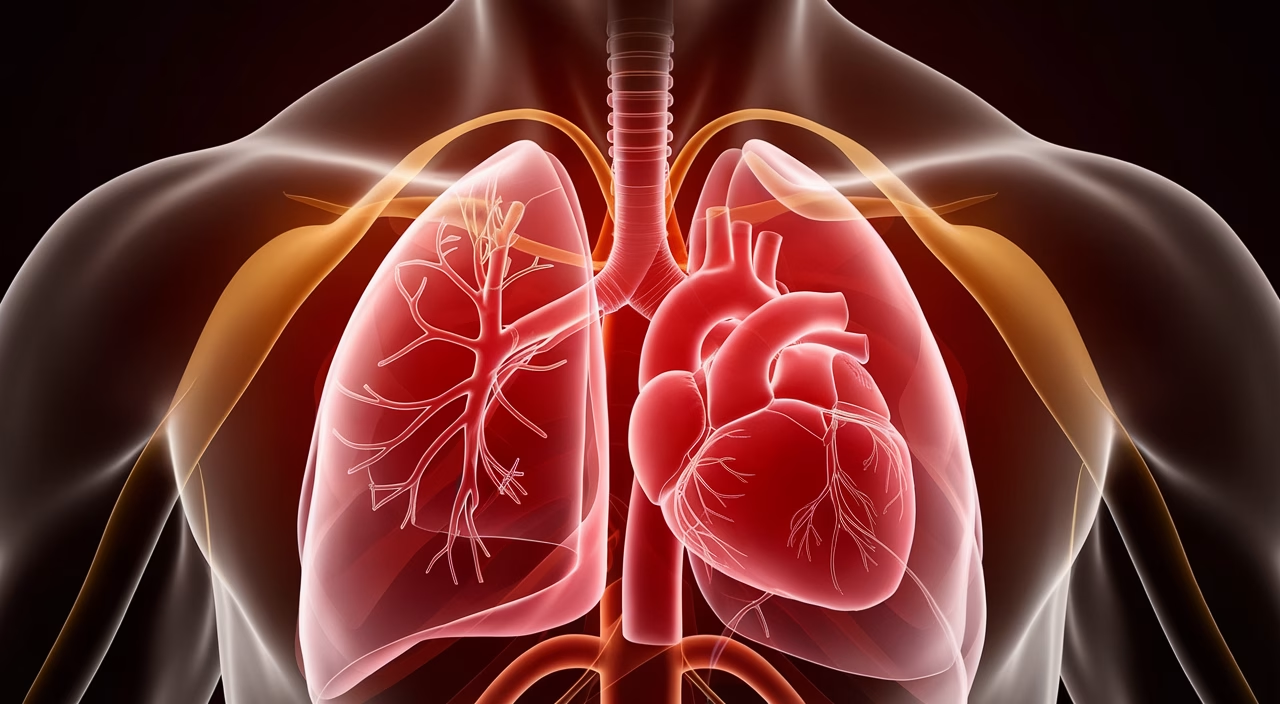
Your lungs function like sophisticated air filters, transferring oxygen into tiny sacs called alveoli. When inflammation, infection, or damage disrupts this process, you can’t get enough oxygen. The most common lung problems causing breathlessness include:
- Asthma – Your airways swell and narrow, reducing airflow. Triggers like allergens, exercise, or cold air can worsen symptoms quickly.
- Chronic Obstructive Pulmonary Disease (COPD) – This includes emphysema and chronic bronchitis, typically from smoking. Breathlessness becomes constant and progressively worse.
- Pneumonia – Infection inflames your lung tissue, often filling alveoli with fluid and making oxygen exchange difficult.
- Pulmonary embolism – A blood clot blocks lung circulation, causing sudden, severe breathlessness that requires emergency treatment.
Exploring Heart Problems Associated with Shortness of Breath
Your heart must pump efficiently to deliver oxygen-rich blood throughout your body. When it struggles, your lungs often suffer the consequences. That’s why heart problems frequently show up as breathing issues. Here’s what happens:
- Congestive heart failure – When your heart can’t pump effectively, fluid backs up into your lungs. This causes breathlessness, especially when lying down at night.
- Arrhythmias – Irregular heartbeats disrupt oxygen delivery, leaving you winded after minimal activity.
- Coronary artery disease – Blocked arteries limit blood flow, forcing your body to work harder for oxygen.
Here’s what we often see: Many people assume they have lung disease when their breathlessness actually stems from heart problems. If you’re also experiencing ankle swelling, rapid weight gain from fluid retention, or fatigue, your heart might be the real culprit behind your breathing difficulties.
Common Causes of Shortness of Breath
Impact of Obesity on Breathing
Carrying extra weight, especially around your chest and belly, physically compresses your diaphragm and restricts lung expansion. Every breath becomes more labored, and simple activities leave you winded. Obesity also increases your risk of sleep apnea and heart disease, creating a cycle of worsening breathlessness.
The good news? Losing even 5–10% of your body weight can dramatically improve your lung capacity and reduce shortness of breath. Many of our clients notice easier breathing within weeks of starting a weight loss program.
How Deconditioning Affects Your Breathing
Think of your cardiovascular system like a muscle—use it or lose it. When you’re inactive for extended periods, your heart, lungs, and muscles become deconditioned. Climbing stairs becomes exhausting not because your lungs are diseased, but because they’re out of shape.
Deconditioning also changes how you breathe. Instead of deep diaphragmatic breathing, you develop shallow chest breathing patterns that limit oxygen intake and increase fatigue. The solution is gradual reconditioning through regular movement.
Lesser-Known Factors
Uncovering Allergic Reactions and Breathing Difficulties
Allergic reactions can inflame your airway tissues, making breathing difficult. Mild reactions cause wheezing and coughing, while severe allergies can trigger life-threatening anaphylaxis that completely blocks airflow.
If your shortness of breath worsens during specific seasons, after eating certain foods, or when exposed to particular environments, allergies might be the trigger. Allergy testing can help identify and avoid these breathing disruptors.
How Systemic Illness Problems Affect Breathing
You might be surprised that conditions outside your heart and lungs can cause breathlessness. These systemic illness problems include:
- Anemia – With fewer red blood cells carrying oxygen, you feel breathless even when your lungs work perfectly.
- Thyroid disorders – An overactive thyroid accelerates your metabolism, dramatically increasing oxygen demand.
- Kidney or liver disease – These create electrolyte imbalances and fluid buildup that indirectly impair breathing.
We frequently see patients who say, “I just can’t catch my breath anymore,” only to discover through testing that an underlying systemic condition is the real cause.
How Your Nervous System Controls Breathing Patterns
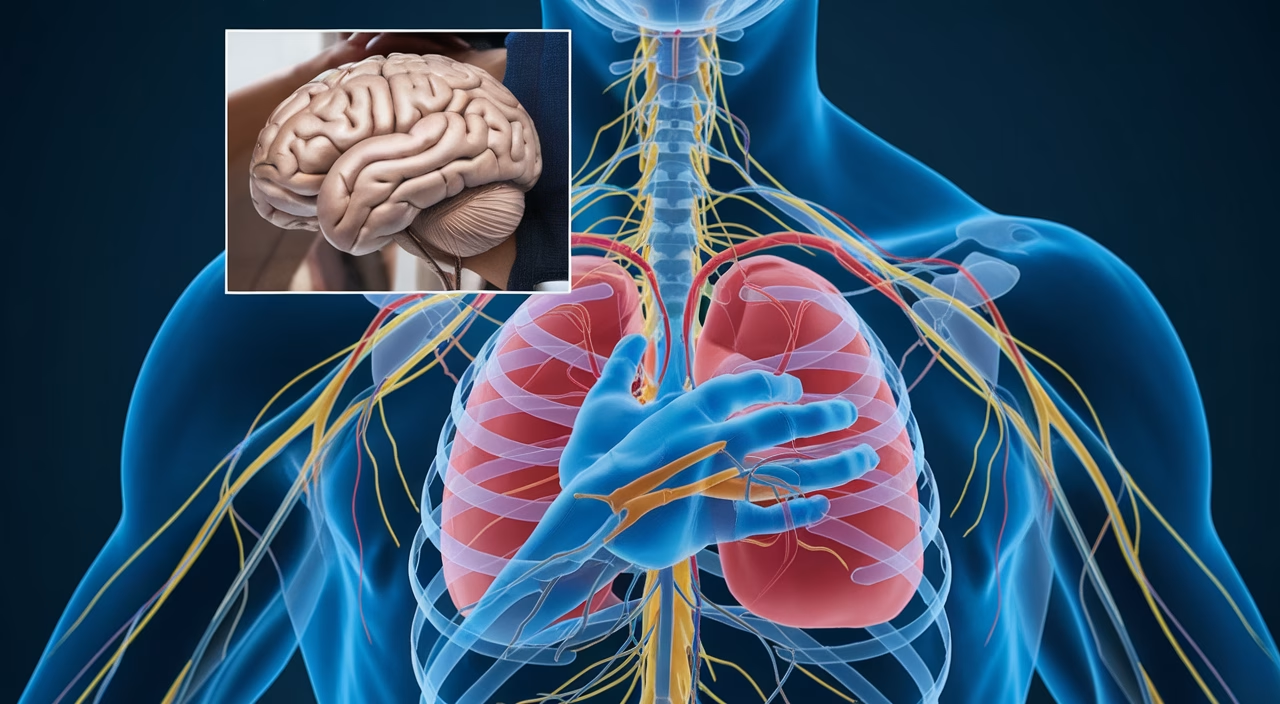
Your nervous system automatically controls breathing—until stress or anxiety makes you hyperaware of every breath. During fight-or-flight responses, your breathing becomes rapid and shallow. While this works short-term, it can cause dizziness, chest tightness, and feelings of suffocation.
If your shortness of breath worsens during stressful situations or panic attacks, your nervous system is likely involved. Mind-body techniques like breathing retraining, meditation, and progressive muscle relaxation can help restore normal breathing patterns.
Improving Circulation and Breathing Together
Effective breathing isn’t just about getting air into your lungs—it’s about delivering that oxygen where your body needs it. Poor circulation from vascular disease, prolonged sitting, or dehydration limits oxygen delivery, forcing you to breathe harder to compensate.
You can improve both circulation and breathing through:
- Staying properly hydrated to maintain optimal blood flow and oxygen transport.
- Regular cardiovascular exercise to strengthen your heart and improve circulation efficiency.
- Compression therapy for those with venous insufficiency affecting blood return to the heart.
Chronic Shortness of Breath Solutions and Prevention
Here’s your practical action plan for managing and preventing shortness of breath:
- Track your triggers – Keep a symptom journal noting when breathlessness occurs, potential triggers, and severity levels.
- Rebuild your fitness gradually – Start with gentle walking and progressively increase duration and intensity to recondition your respiratory system.
- Address excess weight – Even modest weight loss improves both lung mechanics and cardiovascular health.
- Try proven natural remedies like:
- Practicing pursed-lip breathing techniques to improve oxygen exchange
- Steam inhalation or humidifiers for congestion-related breathing difficulties
- Magnesium-rich foods (leafy greens, nuts, seeds) to reduce airway inflammation
- Breathing exercises like diaphragmatic breathing to retrain proper patterns
Frequently Asked Questions
- Can shallow breathing affect circulation?
Yes. Shallow breathing limits oxygen intake, reducing how much oxygen your blood can deliver to organs. Over time, this leads to fatigue and worsened breathlessness. - Why am I short of breath when lying down?
This often indicates fluid buildup in the lungs from heart failure, called orthopnea. Contact your healthcare provider immediately if you experience this symptom. - How do systemic illness problems cause breathing difficulties?
Conditions like anemia reduce your blood’s oxygen-carrying capacity, while thyroid disease increases oxygen demand, both resulting in shortness of breath despite healthy lungs. - What are the most effective natural remedies for shortness of breath?
Breathing exercises, magnesium supplementation, steam therapy, posture correction, and gradual fitness improvement can significantly support better lung function naturally. - How does obesity cause shortness of breath?
Excess weight compresses your diaphragm, limits lung expansion, and forces your heart to work harder—all making it more difficult to breathe during activity and rest.