
What’s the Connection Between Chronic Pain and Stress?
The chronic pain and stress connection creates an intricate cycle that can feel impossible to escape. When you experience stress, it negatively impacts your body’s nervous and immune systems, often heightening your perception of pain. At the same time, persistent physical pain acts as a powerful stressor on your mind and body. This mutual reinforcement can worsen both your mental well-being and physical discomfort.
TL;DR Summary:
- Chronic pain and stress amplify each other, creating a vicious cycle of physical and emotional suffering.
- Stress influences neurological responses that can diminish your body’s ability to manage pain naturally.
- The symptoms of combined stress and pain often manifest as fatigue, sleep disturbances, and intensified discomfort.
- Effective relief involves holistic approaches—integrating self-care, movement, mindset work, and professional support.
- Long-term relief is possible, and it often begins with awareness and small, consistent lifestyle changes.
The Science Behind the Connection
Neurobiology: How Stress Fuels the Pain Response
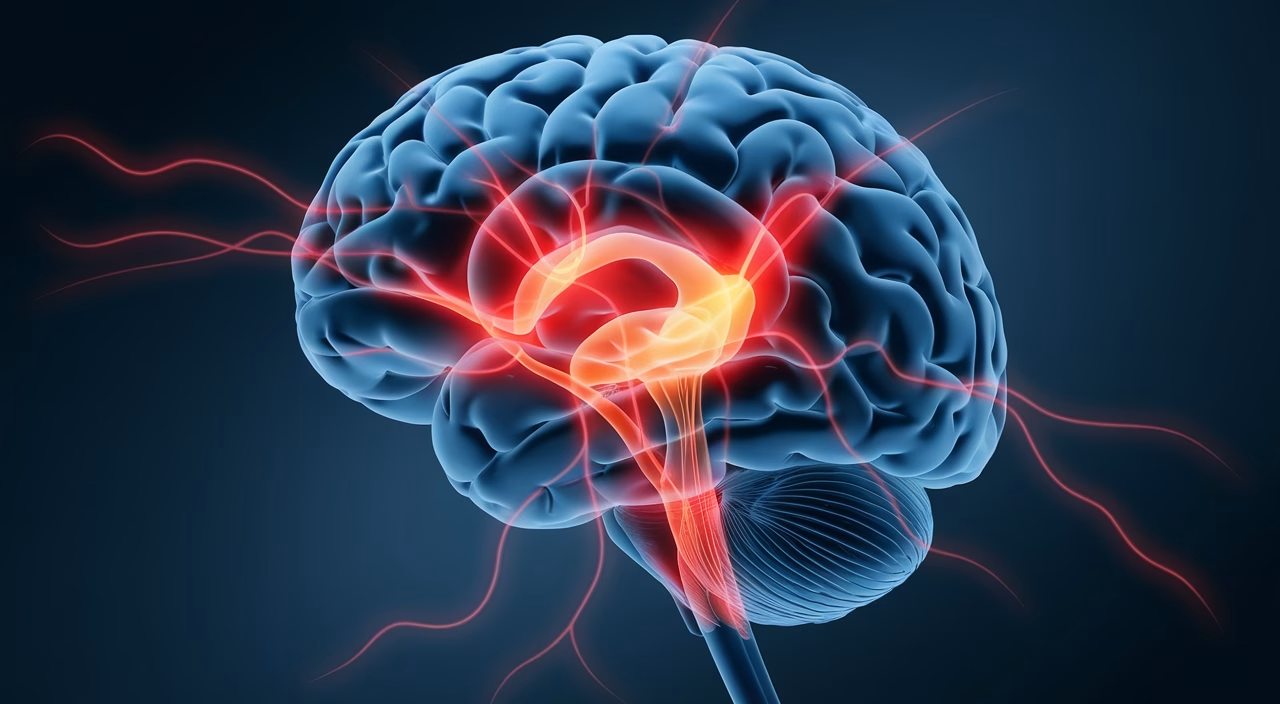
Understanding the link between stress and chronic pain starts in your brain. When you experience stress—whether emotional or physical—your sympathetic nervous system spikes into “fight-or-flight” mode. This surge of cortisol and adrenaline makes your body hypervigilant, increasing inflammation and tension in your muscles.
Over time, this constant state of alert wears down your nervous system. Brain regions like the amygdala (which processes fear and emotion) and the anterior cingulate cortex (involved in pain processing) start to overfire. As a result, what once might have been a small ache now registers as intense pain—this is called central sensitization, a key factor in managing chronic pain with stress.
The Vicious Feedback Loop
The nerve pain and stress correlation works both ways—stress makes your body more sensitive to pain, and pain induces more stress. Here’s a simple analogy: imagine turning up the volume of a speaker and then resting a microphone next to it. That feedback loop creates screeching feedback. That’s what happens in your nervous system when pain and stress magnify each other.
Ideally, your parasympathetic nervous system (your “rest and digest” state) would help calm this response. But in many people with chronic pain, this peaceful switch never fully turns on, making chronic pain management strategies essential.
Symptoms and Manifestations of Chronic Pain and Stress
Common Signs to Watch
Recognizing the chronic pain and stress connection early helps you break the cycle. Below are some classic symptoms that point to a deep-rooted relationship between chronic pain and ongoing stress:
- Fatigue that lingers no matter how much sleep you get
- Muscle tightness, especially in your neck, shoulders, and lower back
- Headaches or migraines triggered by emotional stress
- Brain fog or difficulty concentrating
- Nerve pain flares during high-stress periods
- Sleep disruptions due to physical pain or racing thoughts
- Increased sensitivity to noise, touch, or light
Effective Strategies for Managing Chronic Pain and Stress
Mind-Body Practices for Lasting Benefits
The cornerstone of managing chronic pain with stress lies in addressing both your physical and emotional responses. The mind-body connection in pain management proves that when you calm your nervous system, you can reduce both stress and pain intensity. Here’s what works in practice:
- Deep breathing or meditative exercises: These activate your vagus nerve and calm nervous system reactivity.
- Progressive muscle relaxation: Working through each muscle group can reduce pain and promote awareness of tension patterns.
- Journaling or expressive writing: Excellent for identifying emotional triggers that exacerbate your pain experience.
- Acupressure and gentle yoga: Help relax tense areas and foster release, especially helpful in addressing nerve pain and stress correlation.
Emotional Pain Relief Techniques
Sometimes emotions eclipse everything else. Anger, grief, or anxiety can translate into very real physical pain in your body. Emotional pain relief techniques allow you to process these feelings without suppressing or internalizing them:
- Somatic therapy or movement-based therapies
- Guided visualization or safe place imagery
- Reframing negative thought loops with CBT principles
Lifestyle Changes for Long-term Relief

Daily Habits That Reinforce Relief
Long-term change doesn’t happen through quick fixes, but through conscious, small shifts that build resilience and support your body’s healing systems. These holistic approaches to pain and stress relief offer powerful results when practiced consistently:
- Sleep hygiene: Establish a bedtime routine, limit screens before bed, and focus on restorative sleep patterns.
- Nutrition: A balanced whole-foods diet lowers inflammation. Avoiding caffeine and sugar also helps regulate mood swings and nerve excitability.
- Hydration: Dehydration can exacerbate symptoms of pain. Keep your water intake steady throughout the day.
- Movement: Gentle stretches, swimming, or tai chi can improve circulation and trigger endorphin release—your body’s natural painkillers.
| Lifestyle Change | Impact | Ease of Implementation |
|---|---|---|
| Regular Stretching Routine | Reduces muscle tension, improves flexibility | Moderate |
| Guided Sleep Meditation | Boosts sleep quality, lowers stress hormones | Simple |
| Anti-inflammatory Diet | Lowers systemic pain | Gradual integration possible |
| Digital Detox Before Bed | Calms the brain for better sleep | Simple to moderate |
Conclusion: Taking Control of Your Health
Living with chronic pain and stress is challenging—but not insurmountable. By understanding the mind-body connection in pain management, you can begin to shift your experience from helplessness to empowerment. Real, long-lasting relief comes from integrating both emotional pain relief techniques and physical chronic pain management strategies. Start with small changes, honor your body’s signals, and be patient with your healing journey.
With commitment and the right holistic approaches to pain and stress relief, finding ease is possible. You’re not broken—you’re just in need of better support. Healing is not a destination; it’s a rhythm, and it begins with tuning in to your body’s needs and breaking the chronic pain and stress connection.
Frequently Asked Questions
How to stop emotional pain?
Emotional pain can be soothed through techniques such as mindful breathing, somatic experiencing, and engaging in safe, supportive therapies. Journaling, expressive arts, and connecting with others can also help process hidden grief or trauma stored in the body. Start slow and give yourself daily compassion.
Can emotional stress cause nerve pain?
Yes. Emotional stress triggers chemical responses that increase nerve sensitivity and inflammation. High or chronic stress can worsen conditions like sciatica, fibromyalgia, and neuropathy.
What therapy works best for both pain and stress?
Therapies that integrate both physical sensation and cognitive awareness—like Cognitive Behavioral Therapy (CBT), somatic therapy, or biofeedback—work well for managing chronic pain and stress together.
Can stress make chronic pain permanent?
While stress doesn’t directly cause permanent pain, it can chronify pain by preventing the body from entering healing states. Lowering stress is essential to break the pain loop.
How quickly can I see results with lifestyle changes?
Most people begin to notice mild improvements within 1–2 weeks. However, substantial changes—especially for long-standing chronic pain—may take several months of consistency.
Are medications enough to treat the chronic pain and stress connection?
Medications can play a role but are often insufficient without lifestyle changes and mind-body strategies. Addressing the root of both emotional and physical pain provides the most sustainable relief.
Is chronic pain mostly mental?
No. Chronic pain is real and has both physical and emotional components. While the brain plays a central role in processing pain, it does not mean the pain is “just in your head.”