What Causes Canker Sores and How Can You Stop Them?
Canker sores are small, painful ulcers that appear inside the mouth, and if you’re reading this, chances are you’ve felt their sting. But why do these annoying mouth ulcers keep popping up, and more importantly — how can you prevent them from happening again?
TL;DR — Here’s What You Need to Know
- Canker sores are round, white or yellow ulcers with a red border that form on the soft tissues inside the mouth.
- They’re commonly triggered by vitamin deficiency, stress, dietary restrictions, or underlying health conditions.
- Boosting your oral health through good nutrition and hygiene is key to prevention.
- There are many natural home remedies that can relieve pain and speed up healing.
- Foods rich in B vitamins, iron, and zinc can help reduce recurrence of mouth ulcers.
- Avoiding acidic, spicy, or overly rough foods can protect against irritation and canker sores.
Understanding Canker Sores
Most people will experience canker sores at some point — usually tiny mouth ulcers inside the mouth that make even sipping water feel like walking on glass barefoot. Also known as aphthous ulcers, canker sores are different from cold sores, which are caused by viruses and appear outside the mouth. These mouth ulcers aren’t contagious, but they can be chronic and frustrating.
They tend to show up during times of stress, after dental work, when you’ve accidentally bitten your cheek, or when your body is experiencing vitamin deficiency. They usually heal within 1 to 2 weeks, but some people get canker sores far more frequently — that’s your body waving a red flag about your oral health.
Causes of Canker Sores
To truly treat canker sores, it’s essential to understand what triggers these mouth ulcers in the first place. Often, these ulcers are a symptom of an underlying imbalance — nutritional, physical, or even emotional affecting your oral health.
Dietary Factors and Vitamin Deficiencies
One of the most common — yet overlooked — causes of canker sores is vitamin deficiency. Specifically, a lack of:
- Vitamin B12 — Supports nerve function and red blood cell formation, critical for oral health.
- Iron — Vital for oxygen transport and immune function to prevent mouth ulcers.
- Folate (Vitamin B9) — Helps with DNA repair and cell formation in oral tissues.
- Zinc — Critical for immunity and wound healing of canker sores.
When these nutrients are low due to dietary restrictions or poor absorption, the soft tissue inside your mouth becomes easier to inflame. Add a hot pepper or scratchy tortilla chip, and it’s easy to see how damage can spiral into painful mouth ulcers.
Health Conditions Linked to Canker Sores
Canker sores can also signal deeper health conditions like:
- Celiac disease — A reaction to gluten damaging the small intestine and interfering with nutrient absorption, leading to vitamin deficiency.
- Inflammatory Bowel Disease — Like Crohn’s and ulcerative colitis, often co-exist with recurrent mouth ulcers.
- Autoimmune disorders — Conditions like Behçet’s disease can manifest with painful canker sores.
- Hormonal fluctuations — Especially in women during PMS or pregnancy, affecting oral health.
Stress, lack of sleep, and even allergic responses to ingredients in your toothpaste (like sodium lauryl sulfate) are also frequent triggers for canker sores.
Prevention Strategies
Once you’ve figured out what might be triggering your canker sores, it’s time to build a plan. Think of this as oral defense training: strengthening your system from the inside out, calming inflammation, and creating a healthier environment in your mouth to prevent mouth ulcers.
Best Foods to Prevent Canker Sores
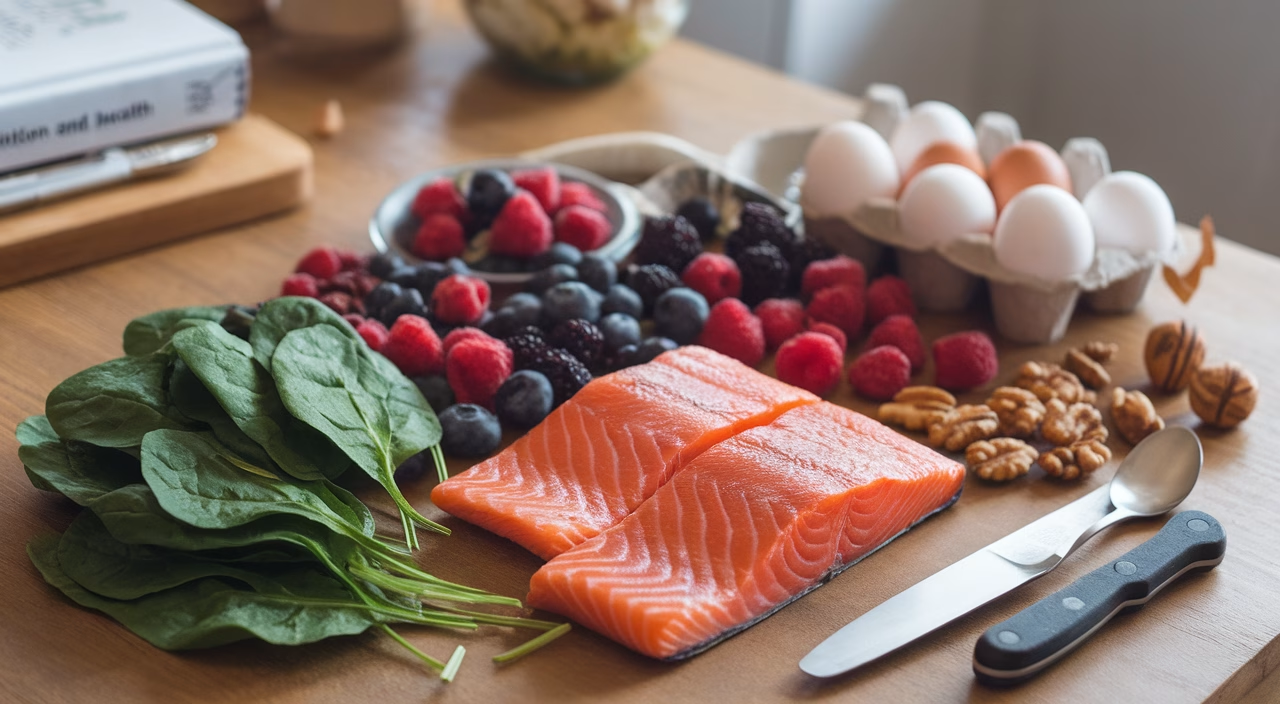
If your immune system is your mouth’s internal armor, then good nutrition is the fuel for optimal oral health. Here’s a breakdown of the best foods — and why they matter when defending against canker sores and addressing vitamin deficiency:
| Food Group | Examples | Why It Helps |
|---|---|---|
| B-Vitamin Rich | Eggs, dairy, poultry, leafy greens | Promotes cell repair, reduces inflammation, prevents vitamin deficiency |
| Iron-Rich | Lentils, tofu, spinach, red meat | Boosts immune function and healing of mouth ulcers |
| Zinc-Heavy | Pumpkin seeds, beans, whole grains | Kicks up healing power and reduces canker sore recurrence |
| Anti-inflammatory | Berries, turmeric, fatty fish (like salmon) | Calms irritations, supports immunity and oral health |
Also worth noting: drink plenty of water for optimal oral health. A dry mouth heals slower and is more susceptible to cracks and canker sores. Avoid mouth-drying habits like excessive caffeine and alcohol, and if you smoke — this is one more excellent reason to stop for better oral health.
Cost Guide: Nutritional Prevention
| Preventive Item | Low-End | Mid-Range | High-End |
|---|---|---|---|
| Multivitamin Supplements | $5/month | $15/month | $30+/month |
| Anti-inflammatory Foods | $20/week | $35/week | $60+/week |
| Non-irritating Toothpaste | $3 | $7 | $15+ |

Natural Home Remedies for Soothing Canker Sores
What can you do in the moment — when canker sores hit — to ease the pain and accelerate healing? Here are well-studied natural home remedies that really work for treating mouth ulcers:
- Salt Water Rinse: Dissolve 1 tsp sea salt in warm water and swish to reduce bacteria and inflammation in mouth ulcers.
- Baking Soda Paste: Mix baking soda with a little water and dab on canker sores to neutralize acidity.
- Honey: Apply natural honey directly to mouth ulcers — it’s antimicrobial and soothing.
- Aloe Vera: Dab pure aloe gel on canker sores to calm irritation and support cell regeneration.
- Coconut Oil: Swipe on a little cold-pressed coconut oil to fight bacteria and reduce swelling in mouth ulcers.
Use a soft-bristled toothbrush and remove any harsh mouthwashes that could irritate canker sores. If something burns or tingles, skip it — the goal is gentle healing for better oral health, not shocking your system.
Conclusion: Maintaining Oral Health
If you’ve been chasing a solution to recurring canker sores, addressing your diet, stress level, and oral care routine may be the game-changer you need. No one wants to live in fear of biting into citrus only to feel fire from mouth ulcers a day later. By nourishing your body with healing foods, identifying and trimming irritants, and keeping your immune system topped up with essential vitamins to prevent vitamin deficiency, you empower your mouth to fight back — and stay pain-free longer.
Consistency is everything for optimal oral health. The more you tune in to your body’s signals and give your cells the tools they need, the more those canker sores become a distant memory.
Frequently Asked Questions
- What vitamin deficiency causes frequent canker sores?
Vitamin B12, iron, folate, and zinc deficiencies are most commonly linked to repeat canker sores and mouth ulcers. - Can certain foods trigger canker sores?
Yes — acidic fruits, spicy foods, and even gluten (for those with celiac disease and dietary restrictions) may trigger or worsen mouth ulcers. - Is it okay to use mouthwash with canker sores?
Avoid harsh or alcohol-based rinses that may sting canker sores; instead, opt for saltwater or aloe-based natural home remedies. - How long should a canker sore take to heal?
Most mouth ulcers resolve in 7 to 14 days. If canker sores last longer, consider seeing a healthcare provider. - Can stress actually cause canker sores?
Yes — stress weakens the immune system and can increase your vulnerability to mouth ulcers and poor oral health. - Are canker sores contagious?
No. These mouth ulcers aren’t caused by a virus, so you can’t spread canker sores to others.