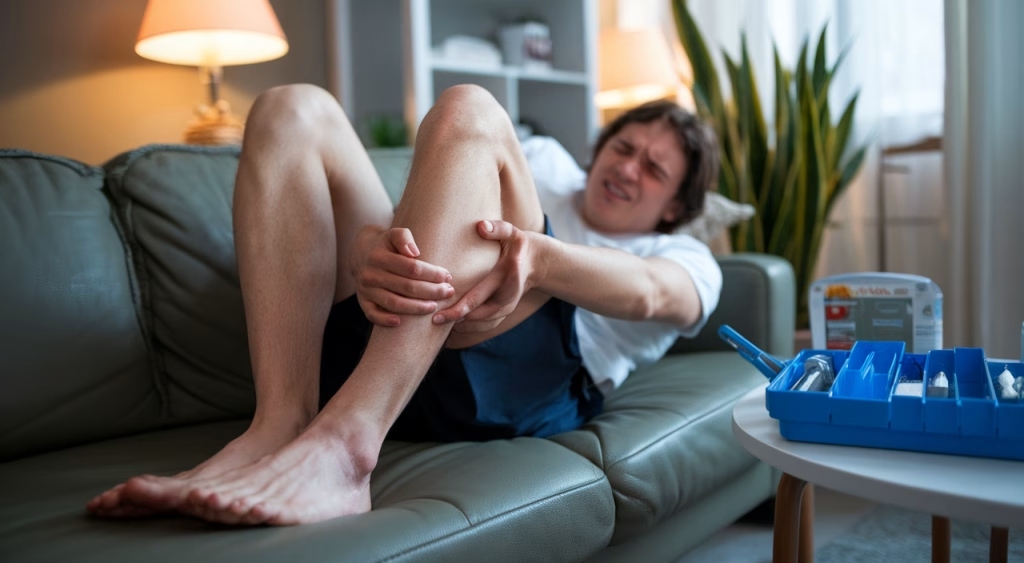
Can Tight Hips Really Cause Knee Pain?
Yes — and it’s more common than you’d think. When your hips lose mobility or flexibility, your knees often pay the price. That lingering ache in your knee during a hike or stiff soreness after a long bike ride could trace back to tight hips causing knee pain through a cascade of compensation patterns.
TL;DR: Why Tight Hips Cause Knee Pain — and How to Fix It
- Chain Reaction: Tight hips cause knee pain by restricting movement and affecting hip and knee alignment.
- Knee Overload: Poor hip mobility forces your knees to compensate, causing stress.
- Flexors at Fault: The hip flexors become short and rigid from sitting or repetitive activity.
- Relief Plan: Combine hip flexibility exercises with knee strengthening.
- Expert Tip: Focus on comprehensive hip mobility and stability for long-term knee pain relief.
Understanding the Hip-Knee Connection
Think of your body as a kinetic chain: interconnected, interdependent, and reliant on each part doing its job. When one link in that chain falters — say, tightness in your hips — stress cascades elsewhere. Your knees, located just below the hip joint, often absorb that dysfunction as tight hips cause knee pain through altered movement patterns.
The hip joint is a ball-and-socket structure designed for multi-directional movement. Stable yet mobile, it handles walking, bending, squatting, and running. However, aging, athletic wear-and-tear, or sedentary office hours slowly chip away at your hip mobility. Over time, your gait adjusts — and your knees step in to compensate.
Here’s the common breakdown in the kinetic chain where tight hips cause knee pain:
- Restricted hip mobility → reduced range of motion
- Imbalance in hip and knee alignment → uneven stress distribution
- Overloaded knee joints → pain, swelling, or chronic tendon stress
That subtle limp during your post-tennis walk or the ache on the inside of your knee after sitting? Those are signals worth noticing.
The Impact of Tight Hips on Knee Health
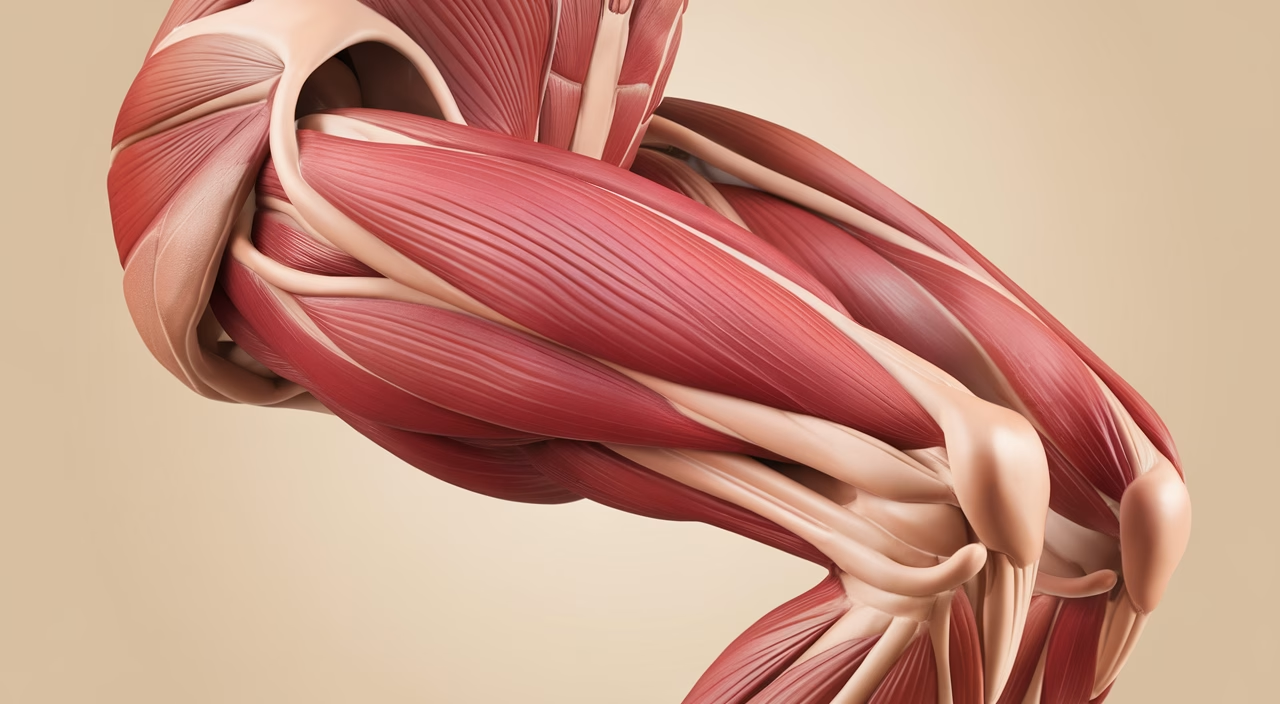
Let’s dig deeper into the anatomical explanation of how tight hips cause knee pain. Tight hips are usually the result of shortened, stiff hip flexors — primarily the iliopsoas and rectus femoris. When these muscles become shortened, they tilt the pelvis forward (anterior pelvic tilt), affecting posture and gait while creating the conditions where tight hips cause knee pain.
This altered position misaligns your lower body mechanics in a few critical ways:
- Increased internal rotation of femur (thigh bone) → stress on medial (inner) knee structures
- Feet turn outward during walking/running → misloads kneecap (patella)
- Knee compensates for lost pelvic hip mobility → inflammation in ligaments, tendons, or meniscus
The knee is a hinge joint — it wants to bend and extend. It’s not designed for rotation or lateral mobility, which the hip should provide. When hip mobility is compromised, tight hips cause knee pain by forcing the knee into unnatural motion, leading to common issues like:
- Patellofemoral Pain Syndrome (runner’s knee)
- Iliotibial (IT) band syndrome
- Meniscus stress or degeneration
In practical terms, tight hips might not bother you much during the day — but every step is slightly off-kilter. Multiply that by thousands of steps a day, and you’ll understand how tight hips cause knee pain as your knees quietly bear the burden.
Expert-Approved Hip Flexibility Exercises
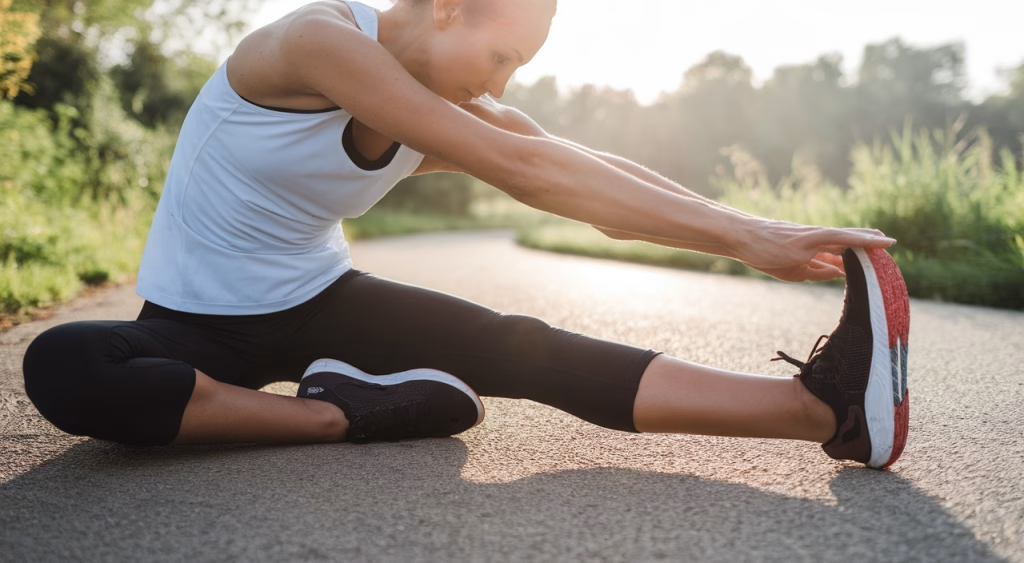
So, how do you unwind years of tightness in the hip flexors and reclaim joint freedom? Start with consistent hip flexibility exercises that target the root cause of how tight hips cause knee pain. These movements target shortened muscles and restore functional hip mobility without force.
| Exercise | Target Area | How Often |
|---|---|---|
| Kneeling Hip Flexor Stretch | Iliopsoas | 2–3x/day, 30 secs each side |
| Figure 4 Stretch | Glutes / Piriformis | Daily |
| Lizard Lunge | Hip Capsule | 5x/week |
| Supine Psoas Release (on ball) | Deep hip flexors | 3x/week |
| 90–90 Hip Rotations | Internal/External Hip Rotators | 2 sets x 10 reps |
Pro tip: Don’t rush these hip flexibility exercises. Let your breath guide you. Aim for deep release, not painful forcing. Improvement happens gradually — but the knee pain relief results are worth it.
Strengthening Your Way to Knee Pain Relief
Hip mobility is foundational — but hip control matters just as much for lasting knee pain relief. Once your hips start moving well, strengthen them to maintain proper hip and knee alignment, especially during dynamic movements like squats, lunges, and stair climbing.
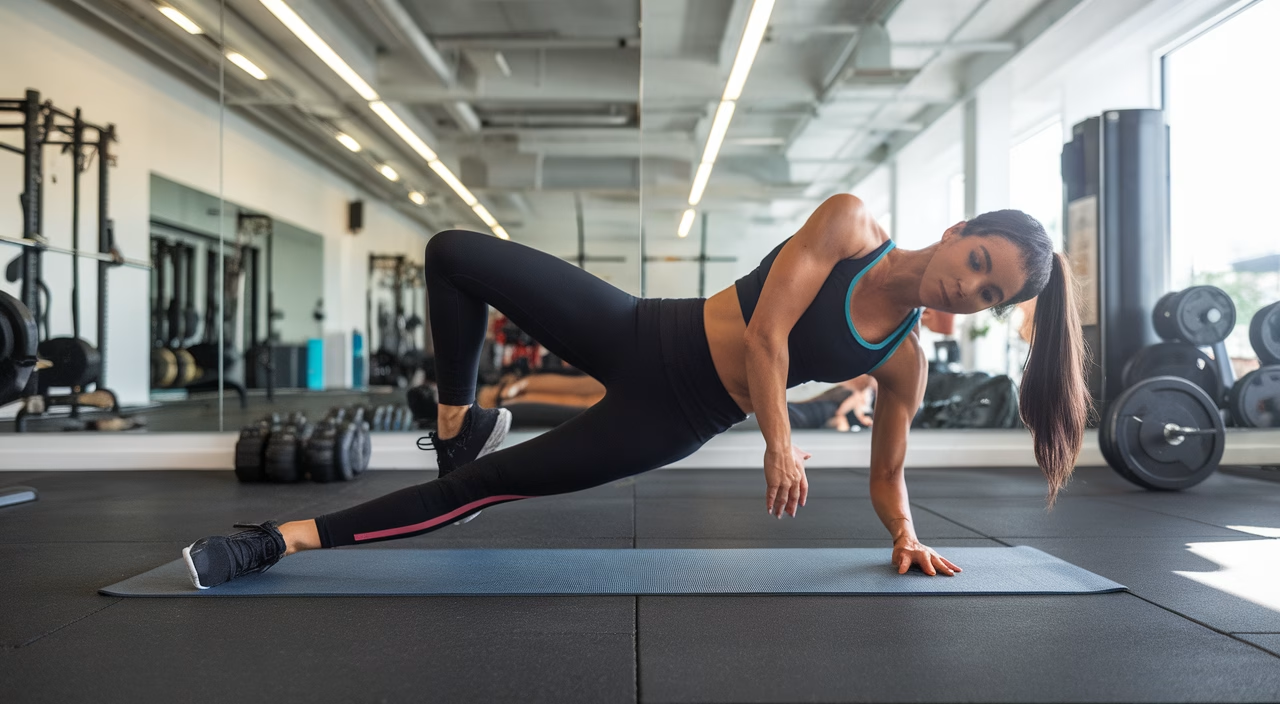
Simple Strengthening Exercises to Support Hip and Knee
| Exercise | Benefit | Sets & Reps |
|---|---|---|
| Side-Lying Clamshells | Glute medius activation | 2 x 15 |
| Glute Bridges | Posterior chain balance | 3 x 10 |
| Step-Downs | Knee control / deceleration | 2 x 10 each side |
| Wall Sit with Ball Squeeze | Adductors + knee stability | 3 x 30 seconds |
| Split Stance Cable Pulls | Core and hip coordination | 3 x 8 each side |
Real-world case: A 44-year-old recreational runner came in with persistent knee pain during long runs. After addressing how tight hips cause knee pain and adding glute-focused training three times a week, she returned to full mileage within five weeks — pain-free.
Conclusion
If you’re looking for lasting knee pain relief, don’t start with your knees — start with your hips. Understanding how tight hips cause knee pain and addressing hip mobility and strength fills a vital gap in the treatment strategy for stubborn knee issues. It’s both a corrective approach and a long-term prescription.
Give your hips attention with targeted hip flexibility exercises and strengthening — every stretch and rep is a vote for better movement, less pain, and more freedom in the things you love, whether it’s kayaking, gardening, hiking, or hitting a new PR at the gym.
Frequently Asked Questions
- Can tight hips affect your knees?
Yes. Tight hips cause knee pain by reducing motion and altering how your legs move, increasing strain on the knee joint with every step. - What are the best stretches for tight hips and knee pain?
Kneeling hip flexor stretch, 90–90 rotations, and figure 4 stretch all help release tension around the hip that impacts knee alignment and provide knee pain relief. - Is walking good for hip tightness?
Yes, but only if done with awareness. Pair walking with active hip mobility work to maintain results. - How long does it take to loosen tight hips?
Most people feel improvement in hip mobility in 2–4 weeks of regular stretching and mobility work. - Should I strengthen my hips or knees first?
Address hip mobility first, then simultaneously build hip and knee strength to restore joint synergy and achieve lasting knee pain relief. - Can I fix my knee pain without surgery?
In many cases, yes. Improved hip mobility and function often alleviates knee stress without invasive intervention. - Can I do these exercises even if I’m over 50?
Absolutely. These hip flexibility exercises and strengthening movements are safe and adjustable to all ages and activity levels.