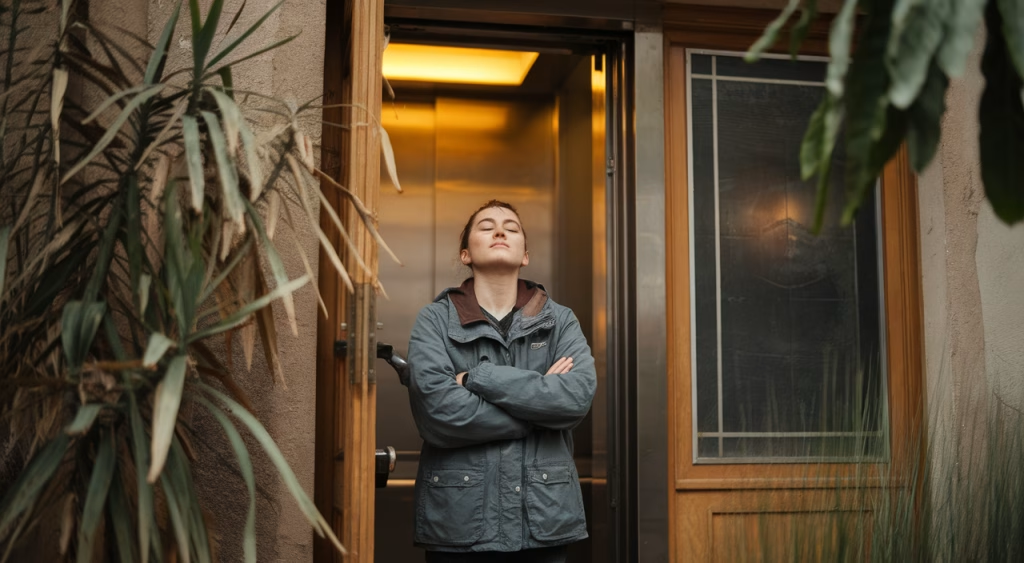
How can I overcome claustrophobia?
Overcoming claustrophobia involves combining self-awareness, gradual exposure therapy, cognitive behavioral therapy, and practical coping strategies like breathing exercises and mindfulness techniques. By understanding what triggers your fear of enclosed spaces and applying proven treatment options, you can retrain your brain’s response and significantly reduce anxiety over time.
TL;DR Summary:
- Claustrophobia is an intense fear of enclosed spaces that affects millions, often triggered by elevators, crowded rooms, or tight spaces.
- Symptoms include panic attacks, rapid heartbeat, sweating, and overwhelming urges to escape confined areas.
- Cognitive Behavioral Therapy (CBT) is the gold standard for overcoming claustrophobia by reshaping fearful thought patterns.
- Natural remedies like breathing exercises, chamomile tea, and lavender oil provide additional support for managing anxiety.
- Support groups offer community connection and shared strategies from others overcoming claustrophobia.
- Mindfulness techniques help ground you in the present moment and prevent panic from escalating.
Understanding Claustrophobia
What is Claustrophobia?
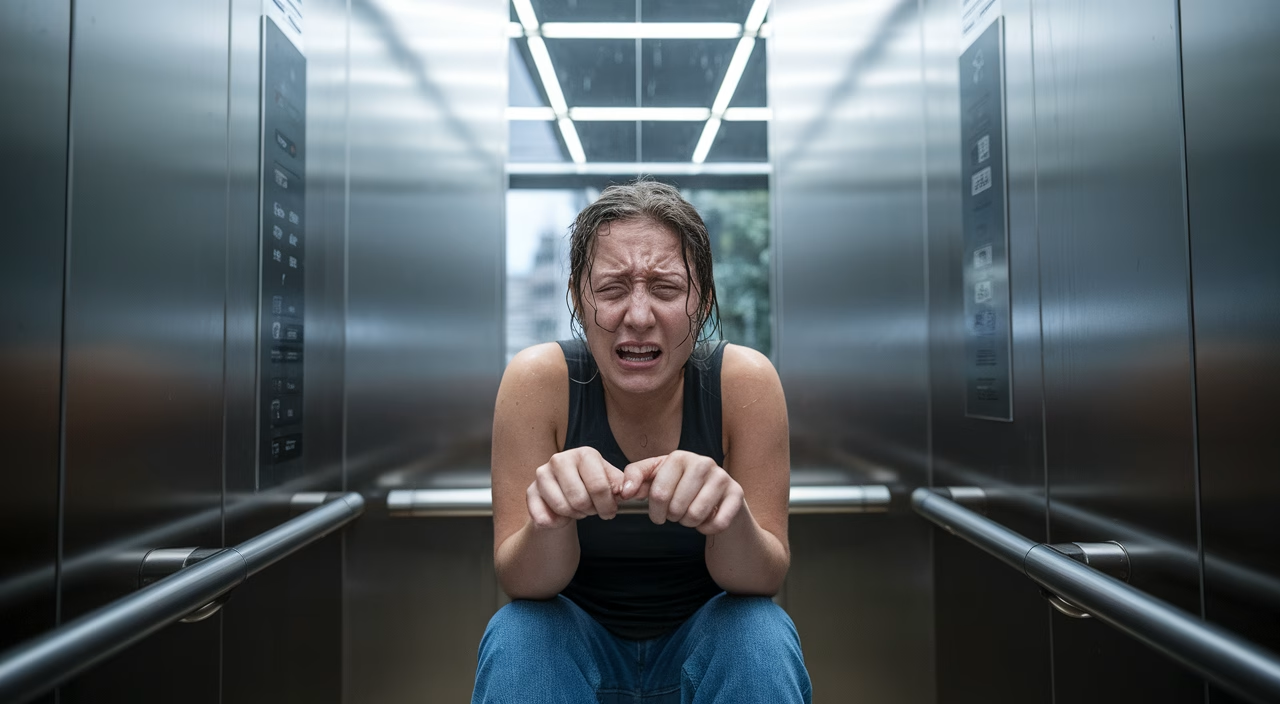
Claustrophobia is a specific phobia characterized by an intense, irrational fear of enclosed spaces or being trapped. This anxiety disorder can be triggered by elevators, MRI machines, crowded buses, small rooms, tunnels, or even wearing tight clothing. For some, it manifests as mild discomfort, while others experience debilitating panic attacks that feel completely overwhelming.
What makes claustrophobia particularly challenging is how it limits your daily life. You might avoid certain places, skip important medical appointments, or constantly worry about being trapped—leaving you feeling exhausted and restricted in your choices.
Symptoms of Claustrophobia
Recognizing claustrophobia symptoms is the first step toward overcoming this fear of enclosed spaces. Common physical and psychological responses include:
- Rapid heartbeat and difficulty breathing
- Dizziness, sweating, and chest tightness
- Nausea, trembling, or feeling faint
- Panic attacks triggered by small or crowded spaces
- Overwhelming need to escape immediately
- Anticipatory anxiety about entering enclosed areas
Causes of Claustrophobia
Understanding what causes claustrophobia can help you address the root of your fears. This anxiety disorder typically develops from several interconnected factors:
- Traumatic experiences like being stuck in an elevator, locked in a small room, or buried under heavy blankets as a child
- Learned behaviors from watching family members react fearfully to enclosed spaces
- Underlying anxiety disorders that make you more sensitive to perceived threats
- Brain chemistry: Overactive amygdala (fear center) that triggers fight-or-flight responses inappropriately
Here’s what typically happens: your brain perceives danger in spaces it considers “too confining,” launching your body into full stress mode—even when you’re completely safe. Understanding this process helps you realize that your fear, while real, is often disproportionate to actual risk.
Overcoming Claustrophobia
Treatment Options for Claustrophobia
The good news? Claustrophobia is highly treatable with the right approach. Most people see significant improvement when combining multiple evidence-based strategies:
- Cognitive Behavioral Therapy (CBT): Restructures fearful thoughts about confined spaces
- Exposure therapy: Gradually introduces you to triggering situations in safe, controlled environments
- Breathing exercises: Provides immediate tools to manage panic attacks
- Natural remedies: Supports overall anxiety management through herbs and relaxation techniques
A comprehensive approach works best for overcoming claustrophobia. For instance, combining cognitive behavioral therapy with mindfulness techniques often produces faster, longer-lasting results than using single methods alone.
Cognitive Behavioral Therapy for Claustrophobia
Cognitive behavioral therapy stands out as the most effective treatment for claustrophobia, with success rates consistently higher than other approaches. CBT helps you identify and challenge the irrational thoughts that fuel your fear of enclosed spaces.
Here’s how cognitive behavioral therapy transforms your relationship with confined areas:
- Identify catastrophic thoughts—like “I’ll run out of air in this elevator”
- Examine evidence for and against these fears
- Develop realistic, calming alternatives to fearful thoughts
- Practice new responses in gradually challenging situations
Through consistent CBT sessions, your brain learns to respond to enclosed spaces with curiosity rather than terror—creating lasting change in how you experience these environments.
Natural Remedies for Claustrophobia
While therapy forms the foundation of treatment, natural remedies can provide valuable support as you work on overcoming claustrophobia. These gentle approaches help calm your nervous system and reduce baseline anxiety levels.
| Natural Remedy | How It Helps With Claustrophobia |
|---|---|
| Deep breathing exercises | Activates relaxation response during panic attacks |
| Chamomile tea | Calms nervous system and promotes overall relaxation |
| Lavender essential oil | Reduces heart rate and muscle tension when inhaled |
| Magnesium supplements | May decrease physical anxiety symptoms |
| Valerian root | Improves sleep quality and reduces general anxiety |
Remember, natural remedies work best alongside professional treatment rather than as standalone solutions for overcoming claustrophobia.
Support Groups and Resources

Connecting with others who understand your struggle with claustrophobia can be incredibly healing. Support groups provide a safe space to share experiences, learn new coping strategies, and realize you’re not alone in this journey.
Benefits of joining claustrophobia support groups include:
- Learning practical techniques from people who’ve successfully overcome similar fears
- Reducing shame and isolation around your anxiety
- Gaining motivation from witnessing others’ progress
- Building accountability for practicing new coping skills
Look for local anxiety support groups or online communities specifically focused on phobias and claustrophobia—both offer unique advantages for your recovery journey.
Mindfulness Techniques to Manage Claustrophobia
Mindfulness techniques serve as powerful tools for managing claustrophobia by anchoring you in the present moment rather than future fears about enclosed spaces.
- Box breathing exercises: Inhale for 4 counts, hold for 4, exhale for 4, hold for 4—repeat until calm
- Progressive muscle relaxation: Systematically tense and release muscle groups to reduce physical tension
- Grounding techniques: Name 5 things you see, 4 you hear, 3 you touch, 2 you smell, 1 you taste
- Visualization: Imagine peaceful, open spaces like beaches or mountains to counteract feelings of confinement
Practice these mindfulness techniques regularly—even when you’re not anxious—to strengthen your ability to use them effectively during challenging moments with claustrophobia.
FAQ: How to overcome fear of enclosed spaces?
- What is the first step in managing claustrophobia?
Start by identifying your specific triggers and acknowledging your fear without self-judgment. This awareness creates the foundation for all other healing work. - Can claustrophobia be permanently cured?
Many people achieve lasting relief through cognitive behavioral therapy, exposure work, and consistent practice of coping techniques. Full recovery is absolutely possible with dedication. - Are medications necessary for treatment?
Medication isn’t always required for overcoming claustrophobia. They’re typically used for severe cases or as temporary support during therapy. - Are breathing exercises helpful for panic attacks?
Yes! Breathing exercises activate your body’s natural relaxation response, helping interrupt the panic cycle before it escalates. - How long does CBT take to work?
Some people notice improvements within 4-6 weeks of cognitive behavioral therapy, though complete treatment typically takes 12-20 sessions for lasting results. - Is claustrophobia common?
Absolutely. Claustrophobia affects approximately 12.5% of the population, making it one of the most common specific phobias. You’re definitely not alone.
Final Thought: Overcoming claustrophobia isn’t about eliminating all fear—it’s about developing the confidence and tools to navigate enclosed spaces without letting anxiety control your choices. With patience, the right support, and proven treatment approaches, you can reclaim your freedom and live life on your own terms.