How can I get rid of foot odor naturally?
To get rid of foot odor naturally, you need to wash your feet daily with antibacterial soap, keep them completely dry, use essential oils with antifungal properties, wear breathable shoes and moisture-wicking socks, and apply natural antimicrobial treatments like baking soda or vinegar foot baths. We recommend addressing any underlying skin changes or infections, such as pitted keratolysis or Candida species, for a lasting solution that keeps your feet fresh.
TL;DR: Quick Solutions to Banish Foot Odor
- Daily foot hygiene: Wash feet with antifungal soap and dry thoroughly between toes.
- Keep feet dry: Dampness fuels odor-causing bacteria and fungi that create smelly foot fungus.
- Use essential oils: Tea tree, eucalyptus, and lavender can fight smelly foot fungus naturally.
- Foot soaks: Use vinegar or baking soda soaks 2–3 times weekly to eliminate yeasty smell.
- Rotate shoes: Give shoes at least 24 hours to dry between uses to prevent bacterial growth.
- Seek professional help: If persistent foot odor is linked with skin changes like peeling, redness, or cracking.
Causes of Foot Odor
Foot odor—or bromodosis—is a common condition that occurs when sweat and skin oils mix with bacteria and fungi on your feet. Your feet naturally have over 250,000 sweat glands, making them one of the sweatiest parts of your body. It’s no wonder that excess moisture combined with closed shoes creates the perfect environment for microbes that produce that unpleasant, sometimes yeasty smell.
Here are the primary culprits behind persistent foot odor:
- Excessive Sweating: Constant moisture promotes bacterial growth, especially when trapped in shoes and socks that don’t breathe.
- Pitted Keratolysis: This bacterial infection eats away at thick skin on your soles, leaving crater-like pits with an intense, sulfur-like odor.
- Candida Species: These yeast organisms can overgrow on your feet, particularly between toes, leading to redness, white patches, and that distinctive yeasty smell.
- Smelly Foot Fungus: Athlete’s foot and other fungal infections not only cause itching and visible skin changes, they also create that infamous smelly foot fungus odor.
- Poor Footwear Choices: Non-breathable shoes and synthetic socks trap heat and moisture, creating ideal conditions for odor-causing microbes.
If you’re experiencing not just foot odor but visible skin changes—such as redness, peeling, or white, soggy skin between toes—the problem likely involves a deeper fungal or bacterial infection that requires targeted treatment.

Effective Treatment Options
Understanding what’s causing your foot odor is crucial for treating it effectively. Let’s explore treatments that target the root cause while restoring your confidence, using both natural and medical approaches.
Best Antifungal Treatments for Smelly Feet
In our clinical experience, the most effective path to fresh feet starts with treating underlying microbial issues—especially when the smell is persistent or accompanied by skin changes that indicate infection.
| Condition | Recommended Treatments | Frequency |
|---|---|---|
| Smelly Foot Fungus (Athlete’s Foot) | Topical antifungal creams/powders | 2x/day for 2–4 weeks |
| Pitted Keratolysis | Antibacterial topical (e.g., clindamycin) | Daily for 2 weeks |
| Candida Overgrowth | Antifungal creams + improved hygiene | Twice a day for 2 weeks |
Cost Guide: Treatment for Foot Odor
| Treatment Type | Low-End | Mid-Range | High-End (Professional Care) |
|---|---|---|---|
| Home Remedies | $5 | $15 | N/A |
| Topical Antifungals | $10 | $25 | $50 (with prescription) |
| Dermatology Visit | $75 | $150 | $250+ |
If natural solutions aren’t eliminating your foot odor or if you notice persistent symptoms, we recommend consulting a podiatrist or dermatologist. Proper diagnosis can distinguish between conditions like Candida species infections and bacteria-linked pitted keratolysis, ensuring you get the right treatment.
Prevention Tips: Break the Cycle of Foot Odor
Once you’ve successfully eliminated your foot odor, you’ll want to keep your feet fresh long-term. Here’s how we help our clients break the cycle of recurring odor:
- Master Daily Foot Hygiene: Wash your feet thoroughly each day using antimicrobial soap, and always dry completely between your toes to prevent fungal growth.
- Rotate Your Footwear: Never wear the same pair of shoes two days in a row—give them at least 24 hours to fully dry out.
- Choose Moisture-Wicking Socks: Natural fibers like cotton or merino wool wick moisture better than synthetic blends that trap sweat.
- Apply Antifungal Foot Powder: Talc-free powders reduce moisture, while sprays with antimicrobial properties prevent odor-causing bacteria from building up.
- Address Skin Changes Promptly: Treat any cuts, rashes, or peeling skin immediately to prevent bacterial or fungal infections from taking hold.
- Keep Toenails Properly Trimmed: Fungal spores often hide under long nails, contributing to persistent smelly foot fungus issues.
Natural Remedies for Foot Odor
If you prefer natural solutions to get rid of foot odor naturally, there are highly effective home remedies that can eliminate odor and combat smelly foot fungus without harsh chemicals.

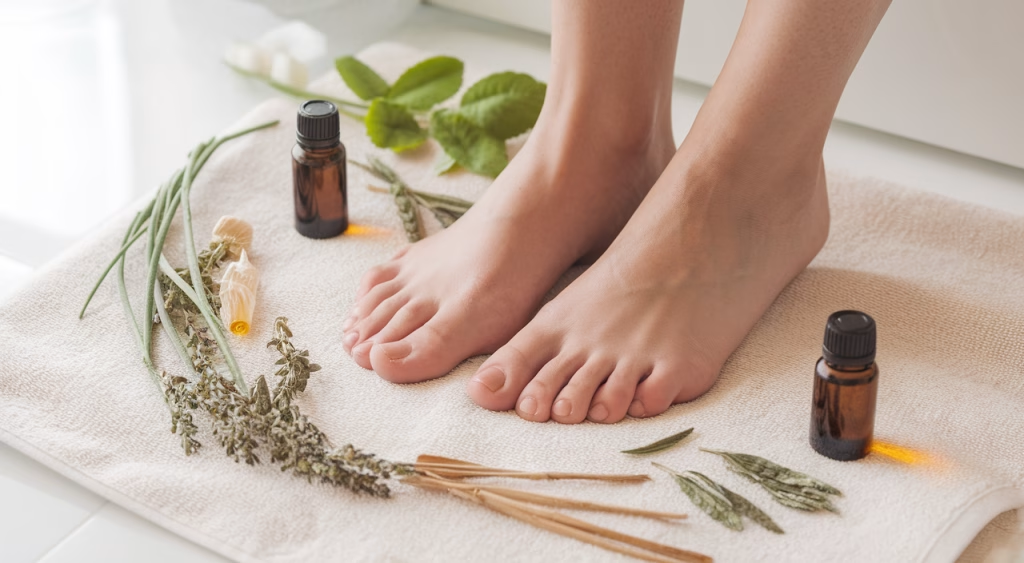
Essential Oils for Foot Odor Control
- Tea Tree Oil: This powerhouse essential oil is naturally antifungal and antibacterial—perfect for treating skin changes tied to fungus or Candida species.
- Lavender Oil: Offers a pleasant scent while providing natural antimicrobial properties that fight foot odor at the source.
- Eucalyptus Oil: Excellent for foot soaks—add a few drops to warm water and soak for 15–20 minutes to eliminate yeasty smell.
Always mix essential oils with a carrier oil (like coconut or jojoba) before applying directly to your skin. You can add a few drops to a warm foot bath or create a DIY antifungal foot spray with witch hazel and your chosen oil. These natural options don’t just mask odor—they actively combat the microbes responsible for smelly foot fungus.
Additional Natural Solutions
- Apple Cider Vinegar Soak: Create a 1:1 vinegar-to-water foot soak to kill bacteria and fungi that cause persistent foot odor.
- Baking Soda Treatment: Sprinkle directly in shoes overnight or dust onto clean feet to absorb moisture and neutralize odor-causing bacteria.
- Black Tea Foot Soaks: The natural tannins help control excessive sweating by tightening pores and reducing moisture that feeds smelly foot fungus.
Final Thoughts: Fresh Feet Are Within Your Reach
Having persistent foot odor doesn’t reflect poor hygiene—it often signals an underlying imbalance in your skin’s natural flora or minor infections that need targeted treatment. By addressing the root cause—whether it’s Candida overgrowth, bacterial conditions like pitted keratolysis, or chronic excessive sweating—you can achieve lasting freshness.
Remember, you’re not alone in dealing with foot odor. Whether you’re struggling with a yeasty smell between your toes or concerned about unseen smelly foot fungus, there are proven, expert-backed strategies that deliver real results. From antifungal treatments to lifestyle modifications and essential oils for foot odor control, fresh, confident feet are absolutely achievable.
Frequently Asked Questions
Does smelly foot mean fungus?
Not always, but fungal infections like athlete’s foot are common causes of chronic foot odor—especially if you notice accompanying symptoms like itchy skin, peeling, or redness.
How do I get rid of foot odor naturally at home?
Use daily foot washes, vinegar soaks, tea tree oil, and baking soda powders. Keep feet dry and rotate your shoes regularly to avoid microbial build-up.
What causes a yeasty smell on feet?
A yeasty foot smell often indicates Candida species overgrowth, which thrives in warm, moist conditions between toes or under toenails.
Can pitted keratolysis go away on its own?
In mild cases, improved hygiene and dry feet can help, but most cases need topical antibiotics or antiseptics to completely eliminate odor and treat the skin pits.
Are essential oils really effective for foot odor?
Yes. Oils like tea tree and eucalyptus possess antifungal and antibacterial properties and can offer real relief when used correctly and consistently.
How often should I change socks to prevent foot odor?
Change socks once or twice a day—more frequently if your feet sweat heavily. Always choose moisture-wicking, breathable materials.
Can diet affect foot odor?
Yes. Spicy foods, alcohol, and sugary diets may contribute to fungal overgrowth or increased sweat, both of which can intensify odor.