
What Are the Best Exercises to Correct Pelvic Tilt for Lower Back Pain?
The most effective exercises to correct pelvic tilt for lower back pain focus on two essential strategies: lengthening tight muscles that pull your pelvis out of alignment and strengthening weak muscles that should support proper positioning. Hip flexor stretches and lower back mobility work, combined with targeted glute and core strengthening exercises, create a powerful approach to restore healthy pelvic alignment and eliminate pain at its source.
TL;DR: What You Need to Know
- Pelvic tilt is a leading cause of chronic lower back pain due to spinal misalignment.
- Muscular imbalances drive the problem — tight hip flexors combined with weak glutes and core muscles.
- Targeted stretching exercises release tension in hip flexors and lower back muscles.
- Strengthening movements for glutes, abs, and hamstrings stabilize proper pelvic positioning.
- Daily postural habits and ergonomic adjustments maintain long-term improvements.
- Professional therapy may be necessary for severe or persistent pelvic tilt issues.
1. Understanding Pelvic Tilt and Its Impact on Your Spine
1.1 What is Pelvic Tilt?
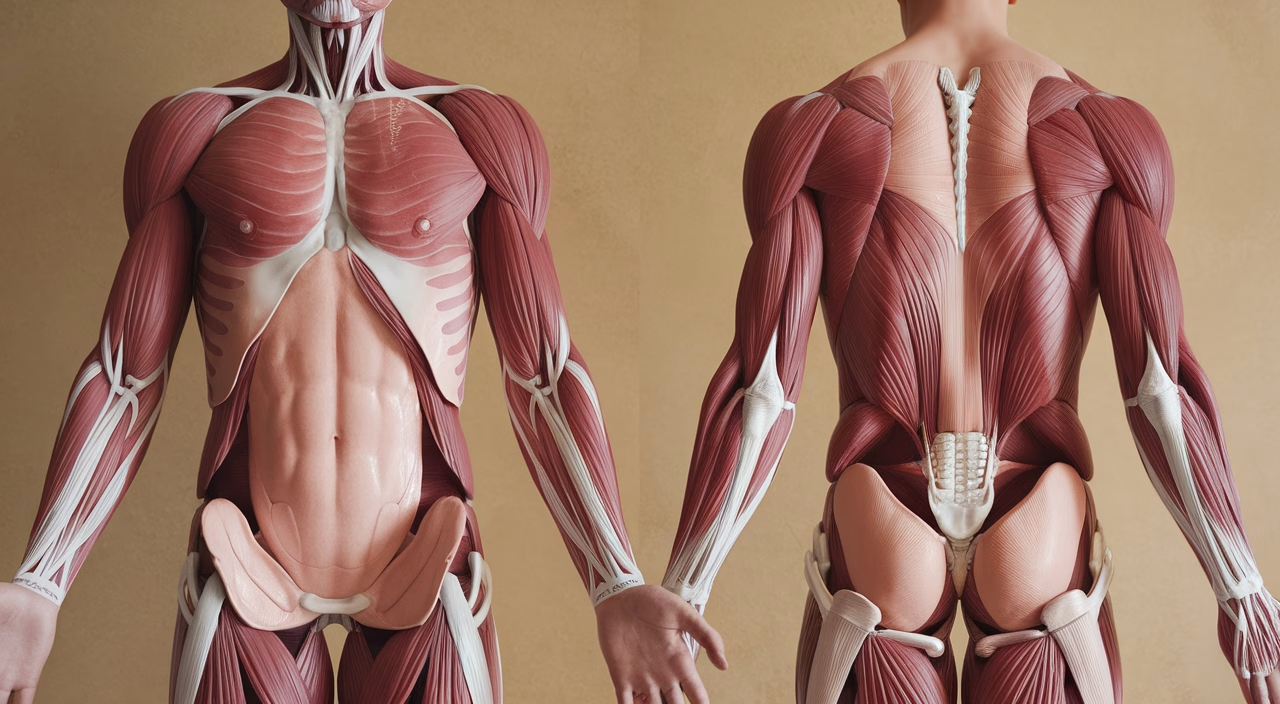
Think of your pelvis as the foundation of a house. When this foundation tilts forward or backward, everything built on top becomes unstable. Pelvic tilt occurs when your pelvis rotates away from its neutral position — either tilting forward (anterior pelvic tilt) or backward (posterior pelvic tilt). This misalignment directly affects your lumbar spine alignment and creates a cascade of compensation patterns throughout your body.
Anterior pelvic tilt is the most common culprit behind lower back pain. When your pelvis tilts forward, it forces an excessive arch in your lower back, compressing spinal joints and straining the muscles that work overtime to maintain stability.
2. Root Causes of Pelvic Tilt
2.1 Modern Lifestyle Creates Muscular Imbalances
Your daily habits are quietly reshaping your body’s alignment. Hours of sitting create the perfect storm for pelvic tilt: your hip flexors (particularly the psoas and rectus femoris) become chronically shortened and tight, while your glutes and deep core muscles weaken from lack of use.
This muscular imbalance creates a constant tug-of-war around your pelvis. Tight hip flexors pull your pelvis into anterior tilt, while weakened glutes fail to provide the posterior support needed for proper alignment. The result? Your lower back bears the brunt of this structural dysfunction.
2.2 Postural Habits That Worsen Pelvic Alignment
Beyond sitting, several daily habits reinforce poor pelvic positioning. Standing with your belly pushed forward, sleeping on your stomach, or consistently walking with an exaggerated lower back arch all contribute to pelvic misalignment. These repetitive postures literally train your body to hold dysfunctional positions, making them feel “normal” even when they’re causing pain.
3. How Pelvic Tilt Triggers Lower Back Pain
3.1 The Spine-Pelvis Connection
Your pelvis serves as the foundation for your entire spinal column. When pelvic alignment goes wrong, it forces your lumbar spine into compensatory positions that weren’t designed for long-term loading. Anterior pelvic tilt increases lumbar lordosis (the inward curve), compressing facet joints and creating excessive tension in your erector spinae muscles.
Many people seeking lower back pain relief are treating symptoms rather than the underlying cause. Correcting pelvic tilt through targeted exercises to correct pelvic tilt for lower back pain often provides dramatic and lasting relief because it addresses the structural root of the problem.
4. Proven Pelvic Tilt Correction Methods
4.1 Essential Stretching Exercises for Pelvic Tilt
Mobility work comes first. These stretches target the tight muscles pulling your pelvis out of alignment:
- Hip Flexor Stretch (Couch Stretch): Place your back foot on a couch or chair, front foot forward in a lunge position. Push your hips forward while squeezing the glute of the elevated leg. Hold 45-60 seconds each side.
- 90/90 Hip Stretch: Sit with both legs bent at 90 degrees. Lean forward over your front leg to stretch the hip flexors, then lean back to target the glutes. Hold 30 seconds each position.
- Cat-Cow Stretch: Move between arching and rounding your spine on hands and knees to improve lumbar spine alignment mobility.
- Supine Hamstring Stretch: Lie on your back, use a strap to gently pull one leg toward your chest. Keep the opposite leg straight on the ground.
4.2 Targeted Strengthening for Stable Alignment
Once you’ve created mobility, build strength in the muscles responsible for maintaining proper pelvic positioning:
- Glute Bridges: Focus on posterior pelvic tilt as you lift. Squeeze glutes at the top, avoid arching your lower back.
- Dead Bugs: Maintain neutral spine as you extend opposite arm and leg. This exercise builds core stability while teaching proper lumbar spine alignment.
- Modified Planks: Hold a plank position with slight posterior pelvic tilt. Engage your glutes and avoid sagging hips.
- Wall Sits: Press your entire back against the wall, including your lower back. This teaches neutral pelvic positioning.
| Exercise | Target Area | Reps/Duration |
|---|---|---|
| Hip Flexor Stretch | Psoas, rectus femoris | 3 x 45-60 sec |
| Glute Bridge | Glutes, hamstrings | 3 x 12-15 |
| Dead Bug | Core stability | 2 x 10 each side |
5. Daily Habits That Support Long-Term Pelvic Health
5.1 Workplace Ergonomics for Better Alignment
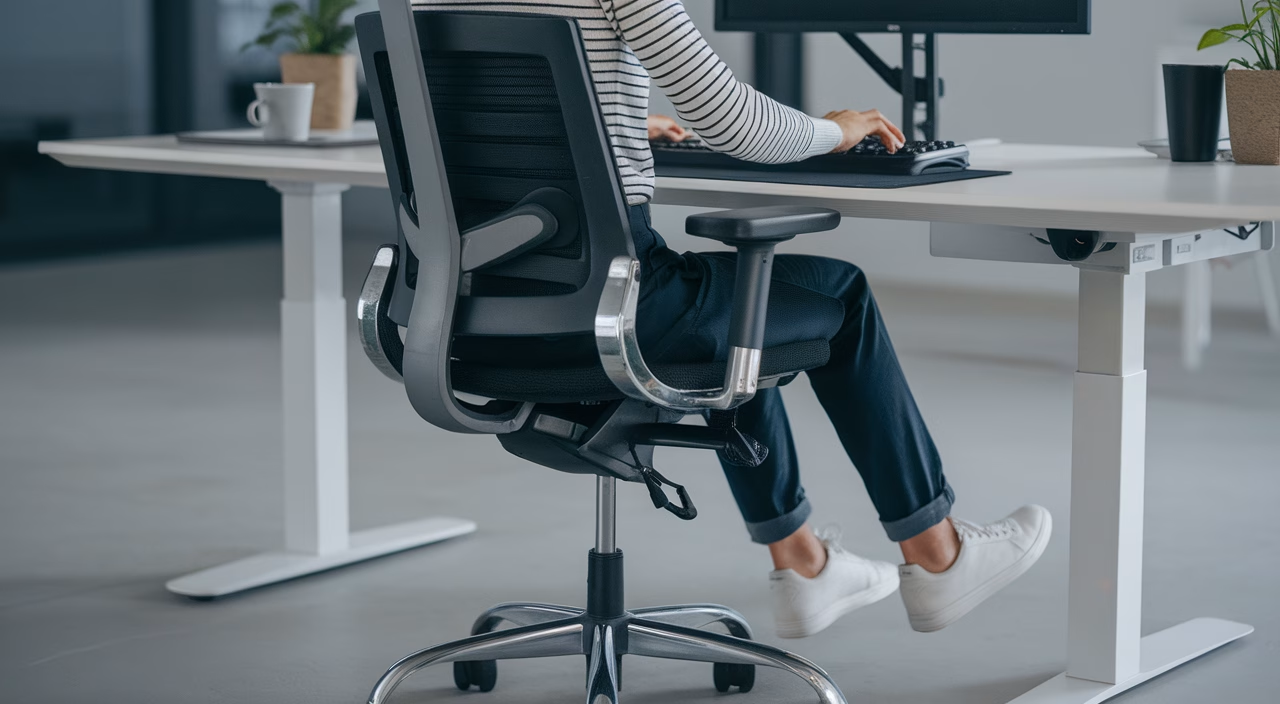
Your workspace setup directly impacts your pelvic alignment throughout the day. These ergonomic adjustments support the corrective work you’re doing through exercise:
- Monitor height: Top of screen at eye level to prevent forward head posture.
- Chair setup: Hips slightly higher than knees, feet flat on floor.
- Lumbar support: Use a small pillow or lumbar roll to maintain the natural curve of your lower back.
- Movement breaks: Stand and perform pelvic tilts every 30-45 minutes to reset your alignment.
6. When to Seek Professional Help for Pelvic Tilt
6.1 Signs You Need a Physiotherapist
While many cases of pelvic tilt respond well to consistent self-treatment, certain situations require professional intervention. Consider seeking help if you experience persistent pain despite 6-8 weeks of consistent pelvic tilt exercises, if your symptoms worsen with movement, or if you have difficulty identifying which muscles to target.
A qualified physiotherapist can perform detailed movement assessments, identify specific muscular imbalances, and create personalized pelvic tilt correction methods based on your unique presentation. They can also address contributing factors like leg length discrepancies or joint restrictions that may be preventing your progress.
Cost Guide: Physical Therapy for Pelvic Tilt
| Category | Price Range (per session) |
|---|---|
| Low-End (Group format, general) | $30 – $50 |
| Mid-Range (Private session) | $60 – $100 |
| High-End (Specialized therapists) | $100 – $200+ |
Final Thoughts: Your Path to Pain-Free Living
Correcting pelvic tilt isn’t just about eliminating lower back pain — it’s about reclaiming your body’s natural movement patterns and preventing future problems. The exercises to correct pelvic tilt for lower back pain outlined in this guide provide a comprehensive approach that addresses both the symptoms and the underlying causes of your discomfort.
Remember, consistency trumps intensity. Start with gentle movements, focus on proper form, and gradually progress as your body adapts. With dedicated practice and attention to your daily habits, you can achieve lasting lumbar spine alignment and enjoy the freedom that comes with a pain-free back.
Frequently Asked Questions
How does anterior pelvic tilt affect the spine?
Anterior pelvic tilt increases the curvature of your lumbar spine (lordosis), leading to compression of lumbar discs and strain on spinal joints. Over time, this misalignment can lead to chronic lower back pain, tight hamstrings, and decreased mobility.
Can I fix pelvic tilt with exercise alone?
Yes, in many cases. Consistent stretching and strengthening routines can correct mild to moderate pelvic tilt. However, for more advanced cases, professional help may be necessary to address structural or movement dysfunctions.
What are the best pelvic tilt exercises to do daily?
Hip flexor stretches, glute bridges, bird dogs, and pelvic tilts are safe and effective daily choices. Perform gently and focus on quality motion, not quantity.
How long does it take to fix pelvic tilt?
Visible improvements often appear in 3 to 6 weeks with daily practice. Consistency, posture awareness, and proper technique are key to reversing muscular imbalances.
Is walking good for correcting pelvic tilt?
Yes — if done with good posture and glute activation. Regular walking promotes hip mobility, but it should be complemented with structured exercises for best results.
Should I avoid certain gym exercises?
If you have anterior pelvic tilt, try to avoid exercises that overarch the spine (like deep backbends or heavy squats with poor form). Focus on core engagement and glute activation to stay aligned.