
How can blinking exercises improve my eye health naturally?
Intentional blinking helps restore moisture to your eyes, refresh tear film, and reduce irritation caused by intense focus or screen time. Practicing blinking exercises can naturally improve eye health and prevent eye discomfort while boosting your natural blink rate.
- Blinking restores moisture: Every blink replenishes your tear film, which protects your eye surface from dryness and irritation.
- Improves blink rate: Focused activities lower blink rate dramatically—retraining your eyes can restore a healthy rhythm.
- Prevents digital eye strain: Intentional blinking exercises rebalance your eyes after hours of screen use.
- Supports tear gland health: Strong blinking stimulates oil glands along your eyelids, critical to keeping eyes hydrated long-term.
- No special tools needed: These eye health strategies only require a few minutes a day and mindfulness throughout your routine.
Understanding Blinking and Eye Health
Why Blinking Is Important

Most people blink approximately 15–20 times per minute when relaxed—but that number nosedives the moment we engage in intense focus on a screen. Whether you’re writing a report, gaming online, or slugging through email, your blink rate can drop to only 5 or fewer per minute. That’s like driving your car without regularly lubricating the engine—it’s a recipe for friction and burnout.
Every blink spreads oils, water, and mucus across the surface of your eye, forming the tear film that keeps your vision clear and your eyeballs hydrated. Blinking exercises also stimulate glands along your eyelids that produce the necessary oils to prevent tears from evaporating too quickly.
When we talk about maintaining optimal eye health, blinking is one of those behind-the-scenes allies you may not think about—but without it, your eyes suffer from chronic eye discomfort.
The Link Between Blinking and Eye Discomfort
Have you ever noticed your eyes stinging, itching, or watering after a long video conference or study session? That dryness is a warning sign of digital eye strain. What’s likely missing isn’t more drops or pills—it’s consistent, effective blinking that supports your natural blink rate. Less blinking leads to faster tear evaporation, which dries the ocular surface and leads to sensations like burning, redness, or that telltale gritty feeling behind your eyelids.
Studies show that people who report higher levels of eye discomfort also tend to have markedly lower blink rates—especially during intense focus on digital devices. The good news is this: you can reverse this pattern with targeted blinking exercises.
Improving Blink Rate for Healthier Eyes
Natural Exercises to Enhance Blinking
Blinking deliberately is like giving your eyes a press reset. Just like you’d do pushups to strengthen your arms, these blinking exercises keep your eyes flexible, moist, and alert while naturally improving your blink rate.
- The Fast Blink: Blink rapidly 10–15 times. This activates oil glands and muscle memory for better eye health.
- Full Blink Drill: Close your eyes gently, pause 2 seconds, then open. Repeat 10 times. This retrains your eyelids to blink fully, reducing eye discomfort.
- Focus-Shift Blink: Focus on a far object, then near, blink slowly at each shift. This helps reset your blink rhythm during intense focus.
- Palming + Blink: Rub palms together, cup over your closed eyes, and blink slowly under cover. Helps reduce tension and increase blinking awareness.
Pro tip: Set a timer to remind yourself to practice blinking exercises during extended screen exposure. Habit-stacking blinking into daily routines—like blinking every time you take a sip of water—makes practice automatic and supports long-term eye health.
Tips for Preventing Eye Discomfort
Let’s be honest: trying to track every blink isn’t realistic. So instead, it’s better to build an eye-friendly environment that naturally supports your blink rate and reduces digital eye strain.
- Follow the 20-20-20 Rule: Every 20 minutes, look 20 feet away for 20 seconds—and practice conscious blinking!
- Adjust screen brightness: Match lighting to your surroundings to avoid glare and fatigue that worsens eye discomfort.
- Position your monitor: Ensure it’s slightly below eye level. Gazing down slightly shortens your exposed ocular surface, slowing fluid evaporation.
- Avoid intense focus for too long: Switch between tasks or use screen dimming apps to protect your eye health.
The Connection Between Blinking and Digital Eye Strain
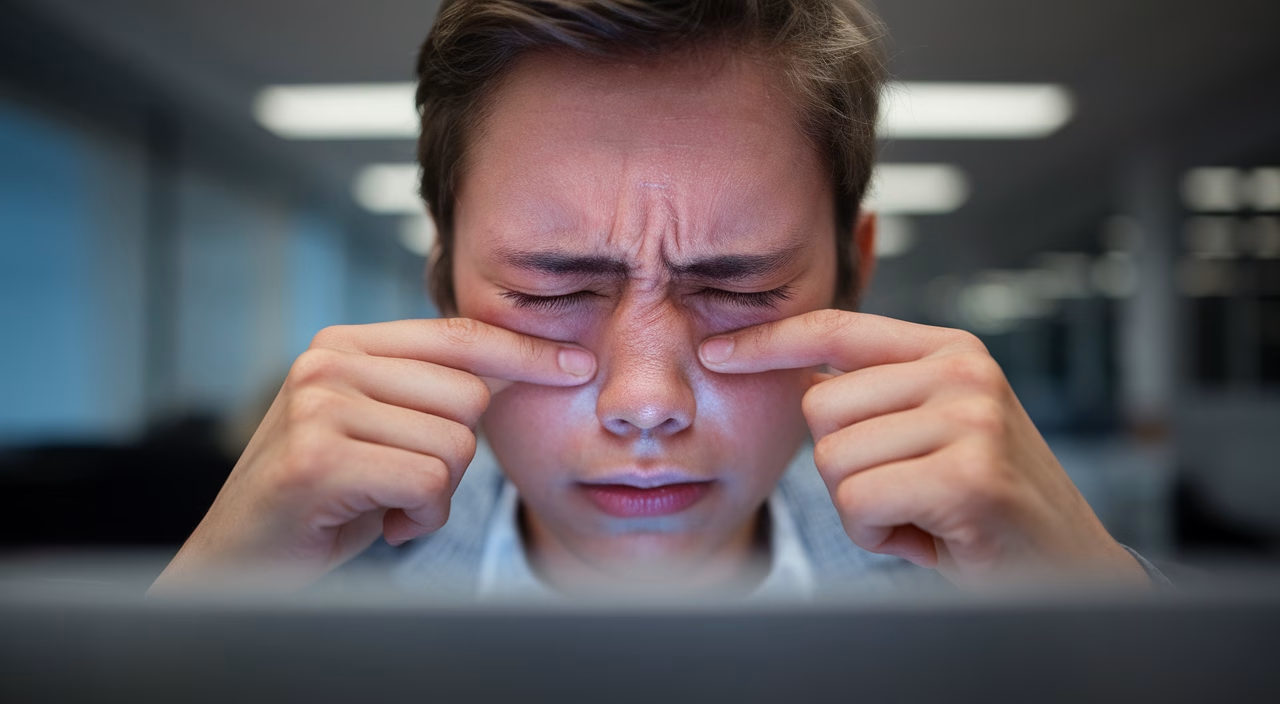
Digital eye strain affects more than just your eyes—it can cause headaches, blurry vision, sore neck and shoulders, and even trouble sleeping. But improving your blink rate through targeted blinking exercises is your body’s natural defense system against it.
When we engage in intense focus on screens for long periods, our gaze becomes fixated and our blinking slows dramatically. It’s like holding your breath—you may not even notice until your eyes are “gasping” with dryness and eye discomfort. Conscious blinking exercises tell your eye muscles to relax, press reset on tear production, and reduce the fatigue associated with prolonged screen use.
Here’s a blink rate snapshot across activities:
| Activity | Average Blink Rate (per minute) |
|---|---|
| At Rest | 15–20 |
| Reading | 6–10 |
| Using a Computer | 3–7 |
| Watching TV | 8–12 |
Conclusion
Your eyes are the windows to your world—and blinking is their gentle janitor, constantly wiping away dust, replenishing moisture, and clearing up your view. It doesn’t take prescription drops or high-tech gear either. Just a bit of mindfulness and a few blinking exercises each day can significantly support your long-term eye health and prevent eye discomfort.
So, the next time you’re diving deep into an email thread or caught in a streaming binge, pause. Practice your blinking exercises. Your eyes will thank you—these simple techniques may be low-effort, but their results for improving blink rate and reducing digital eye strain are deeply felt.
Frequently Asked Questions
What is a healthy blink rate?
Most people naturally blink 15–20 times per minute when relaxed. A healthy blink rate involves full closure of the eyelids, not just a partial or twitch blink. During screen time or intense focus, your blink rate may drop too low—around 5–7 times per minute—resulting in dryness and eye discomfort. Practicing intentional blinking exercises helps restore a balanced, effective rate and supports overall eye health.
How can I tell if I’m not blinking enough?
If your eyes often feel dry, gritty, or tired—especially after screen time—you’re likely experiencing symptoms of digital eye strain and not blinking effectively. Other symptoms of poor blink rate include stinging, blurry vision, or watery eyes (ironically, excessive tearing can be a response to chronic dryness and eye discomfort).
Which exercises work best for blinking?
Simple blinking exercises like The Full Blink Drill, Fast Blinks, and Palming Blink are proven to help restore conscious blinking patterns and improve your natural blink rate. Doing these eye health routines 2–3 times a day helps maintain tear quality and reduces eye discomfort effectively.
Can conscious blinking help digital eye strain?
Yes, absolutely. Conscious blinking exercises replenish your eyes’ natural moisture and counteract the effects of reduced blink rate during intense focus on screens. When paired with posture and screen adjustments, targeted blinking forms a strong defense against digital eye strain and promotes lasting eye health.
Is blinking enough to prevent all eye discomfort?
While improving your blink rate through blinking exercises is essential, it’s just one part of a larger eye health strategy. Ensuring good screen ergonomics, ambient lighting, hydration, and regular eye rest are equally important in managing eye discomfort and preventing digital eye strain—especially for chronic users of digital devices who experience intense focus daily.