Is Blinking Really That Important for Your Eyes?
Yes—blinking is absolutely essential for healthy, comfortable vision. It’s not just an unconscious reflex; it’s your eyes’ self-care routine, repeated tens of thousands of times a day. When you maintain proper blinking habits, you’re actively protecting your eye health and preventing dry eyes before they become a problem.
TL;DR: Why You Shouldn’t Ignore Your Blink
- Moisturizes your eyes: Blinking spreads tear film evenly, keeping eyes lubricated and comfortable.
- Reduces digital eye strain: Screen time and intense focus often reduce blink rate by up to 60%.
- Supports long-term vision health: Consistent blinking prevents dry eyes, eye discomfort, and potential vision problems.
- You can train better blinking: Through mindfulness and simple exercises, you can retrain how you blink for healthier eyes.
Importance of Blinking for Eye Health
Why Blinking Matters

Every time you blink, which typically happens 15–20 times a minute, you’re doing your eye health a huge favor. Here’s why proper blinking is crucial for vision care:
- Lubrication: Blinking spreads three layers of tear film across your eyes, preventing dry eyes and keeping your vision crisp.
- Protection: Each blink acts like a windshield wiper—clearing away dust, tiny debris, and even bacteria that might cause eye infection.
- Relaxation: The milliseconds your eyes spend closed during a blink help reset the eye muscles and reduce strain from intense focus.
Studies using high-speed cameras have shown that lubricant spread only occurs with a full blink—meaning partial or incomplete blinking can leave portions of the eye dry and exposed, leading to eye discomfort.
Effects of Lack of Blinking
If you’re spending long stretches in front of a screen, deep in thought, or engaged in detailed visual tasks—like reading sheet music, crafting, or gaming—your blinking rate drops significantly. This reduced blinking directly impacts your eye health.
Consequences include:
- Dry eyes: When blinking slows, the tear film starts to evaporate, making eyes feel gritty or burning.
- Eye discomfort: Strain, redness, and headaches are common signs of insufficient blinking, especially during extended screen time.
- Meibomian gland dysfunction: These glands secrete oil that prevents tear evaporation. Without proper blinking, blockage and discomfort can occur.
- Decreased focus: Blinking keeps your cornea moist, which directly affects what and how clearly you see during periods of intense focus.
One interesting clinical finding? Many patients with digitally induced dry eyes don’t realize they’ve reduced blinking until testing reveals their blink rate fell to just 4–5 times per minute during screen use—a significant threat to their long-term vision care.
Promoting Healthy Blinking Habits
Tips to Encourage Blinking
Here’s what often happens: You’re crunching numbers, binging shows, or designing graphics—and two hours fly by. Your eyes begin to sting. That’s blinking fatigue setting in. Try these strategies to protect your eye health and build better habits:
- Follow the 20-20-20 rule: Every 20 minutes, look at something 20 feet away for at least 20 seconds. Then blink slowly 5–10 times to restore eye health.
- Post reminders: Stick notes on your screen or enable reminder software to gently prompt blinking breaks during screen time.
- Mindful blinking: Consciously blink completely—gently keeping the eyelids fully closed for a second or two, then open slowly to prevent dry eyes.
- Optimize your workstation: Place screens slightly below eye level to reduce the gaping stare that suppresses blinks and causes eye discomfort.
Blinking Exercises for Stronger Eye Muscles
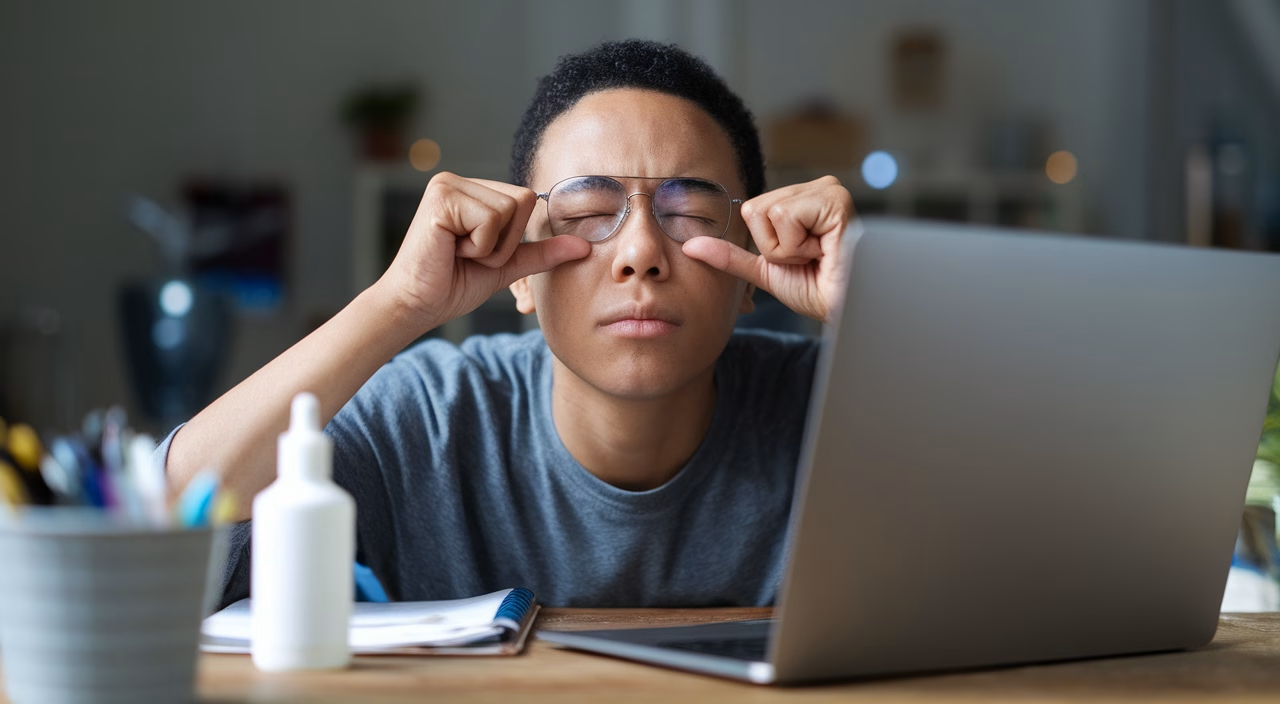
Just like you stretch your legs after sitting for hours, your eyes benefit from daily blinking workouts. These vision care exercises help combat the effects of intense focus:
| Exercise | Description | How Often |
|---|---|---|
| Blink & Squeeze | Close eyes gently. Then squeeze eyelids tight. Hold 2 seconds, relax. Repeat. | 2x daily |
| Sustained Blink | Close eyes fully for 5 seconds. Open slowly. Repeat 10 times. | Whenever dry eyes strike |
| Rapid Blink | Blink rapidly for 10 seconds to stimulate tear production. | As warm-up before intense focus |
These techniques help train your eyelids to close properly with each blink—especially helpful for those diagnosed with partial blinking during screen time assessments. Regular practice improves your overall eye health and prevents dry eyes.
Cost Guide: Preventive Vision Care Techniques
| Strategy | Cost Range | Notes |
|---|---|---|
| Blinking exercises | Free | Self-care routine that requires no tools |
| Professional eye exam | $60–$250 | May include blinking pattern assessment |
| Artificial tears (if needed) | $8–$25 | For temporary dryness during habit retraining |
Final Thought: The Small Act That Protects Your Vision
Blinking is probably the easiest thing you weren’t doing enough. In practice, simply improving how often and how completely you blink can dramatically affect daily visual comfort, reduce the need for eye drops, and help future-proof your vision care in our always-on digital age.
So the next time you catch yourself mid-scroll or mid-sentence—blink intentionally. Prioritize your eye health, prevent dry eyes, and reduce eye discomfort with this simple habit. Your eyes will thank you.
Frequently Asked Questions
Is blinking fast bad for your eyes?
Not usually. Fast blinking can occur temporarily due to dry eyes, fatigue, or bright light. However, chronic, rapid blinking may indicate dry eye syndrome, stress, or neurological factors. If it’s persistent, consult an eye care provider for proper vision care assessment.
How many times should you blink per minute?
On average, about 15 to 20 blinks per minute is healthy for optimal eye health. This rate often drops by more than half when focusing on screens or tasks requiring intense focus, leading to dry eyes.
Can blinking too little cause vision changes?
Yes. Insufficient blinking can lead to dry spots on the cornea, blurred vision, and eye discomfort. Over time, this may lead to chronic dry eyes or other complications if not addressed through proper vision care.
What’s the right way to blink?
A complete blink involves gently closing the eyelids, allowing full contact, and reopening them naturally—not a rapid flutter or a partial closure. Practicing deliberate blinks can help retrain proper form and improve eye health.
How does screen time affect blinking?
During screen time, people often blink only 5–7 times per minute. This reduced rate leads to faster tear evaporation, dry eyes, and fatigue—especially in well-lit or windy environments. Extended screen time significantly impacts eye health.
Should I use eye drops if I forget to blink?
Artificial tears can help relieve temporary dry eyes but shouldn’t replace good blinking habits. Use them as support while retraining your blink response for better long-term eye health and vision care.
What’s the connection between blinking and vision care?
Blinking is foundational to vision care. It maintains ocular surface health, supports tear function, prevents dry eyes, and prevents complications from digital strain and intense focus. It’s a simple act with profound protective benefits for your eye health.