How does breathing impact pelvic floor health?
Your breath is more than just a life-sustaining function—it’s a powerful tool for maintaining optimal pelvic floor health. When you learn how to breathe properly for pelvic floor health, you unlock natural healing that can significantly reduce tension and improve overall function.
- Proper breathing techniques directly impact pelvic floor muscle relaxation and engagement
- Diaphragmatic breathing activates your parasympathetic nervous system for natural stress relief
- These natural ways to improve pelvic floor health at home require no special equipment or expensive treatments
The Link Between Breathing and Pelvic Floor Health
Understanding Your Pelvic Floor
Your pelvic floor consists of interconnected muscles and tissues that stretch like a supportive hammock across your pelvis. These crucial muscles control urinary and bowel function, support your pelvic organs, and play a vital role in sexual health. Many women experience pelvic floor dysfunction due to childbirth, aging, chronic stress, or poor breathing patterns.
How Breathing Transforms Pelvic Floor Health
When you practice proper breathing techniques, you create a natural rhythm that promotes pelvic floor muscle coordination. As you inhale deeply, your diaphragm moves downward, gently encouraging pelvic floor muscles to lengthen. During exhalation, these muscles naturally engage and lift. This coordinated movement is essential for reducing pelvic floor tension and maintaining healthy function.
Techniques to Improve Pelvic Floor Health Through Breathing
Mastering Proper Breathing Techniques
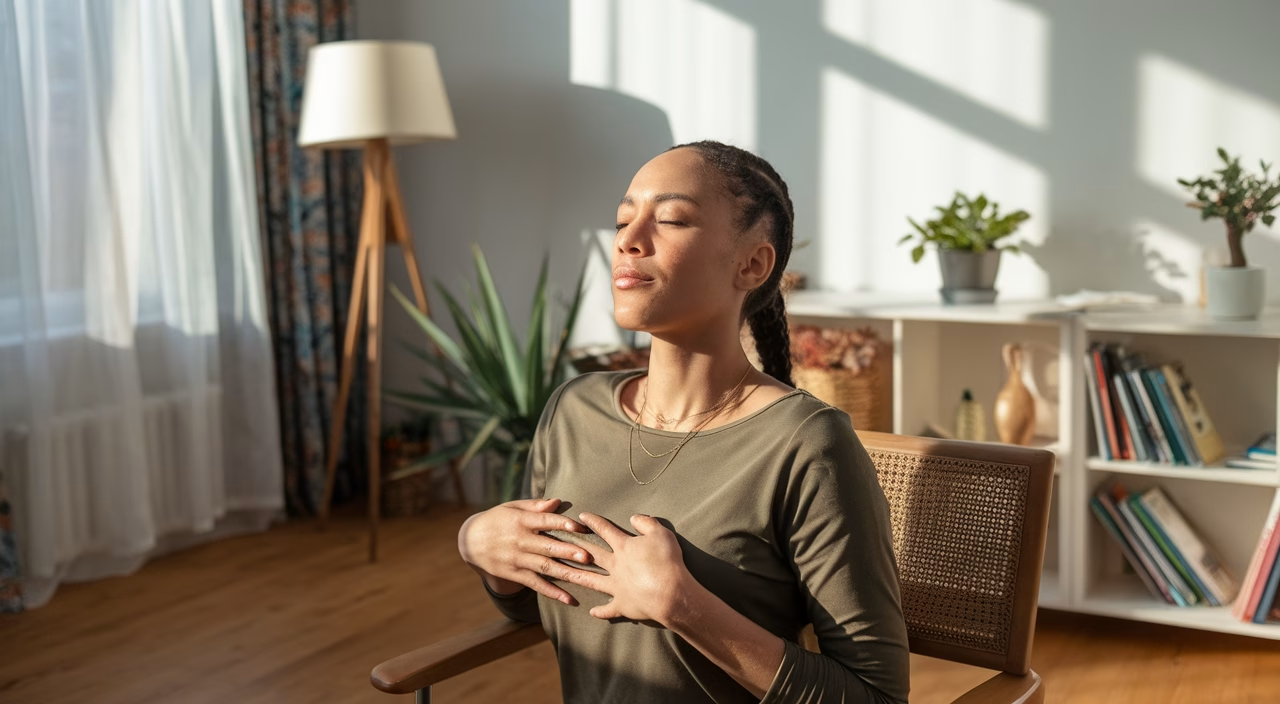
Diaphragmatic breathing, or belly breathing, is your foundation for pelvic floor health. To practice: inhale slowly through your nose, allowing your belly to expand fully, then exhale gently through your mouth. This breathing technique activates your parasympathetic nervous system, naturally promoting relaxation and reducing pelvic floor tension throughout your body.
Targeted Relaxation Exercises for Pelvic Floor Tension
We recommend combining breathing with progressive muscle relaxation for maximum benefit. Start by focusing on your pelvic floor muscles during each breath cycle. As you inhale, visualize these muscles gently releasing tension. These stress relief techniques for pelvic floor tension help you develop better body awareness and control.
Natural Stress Relief Strategies
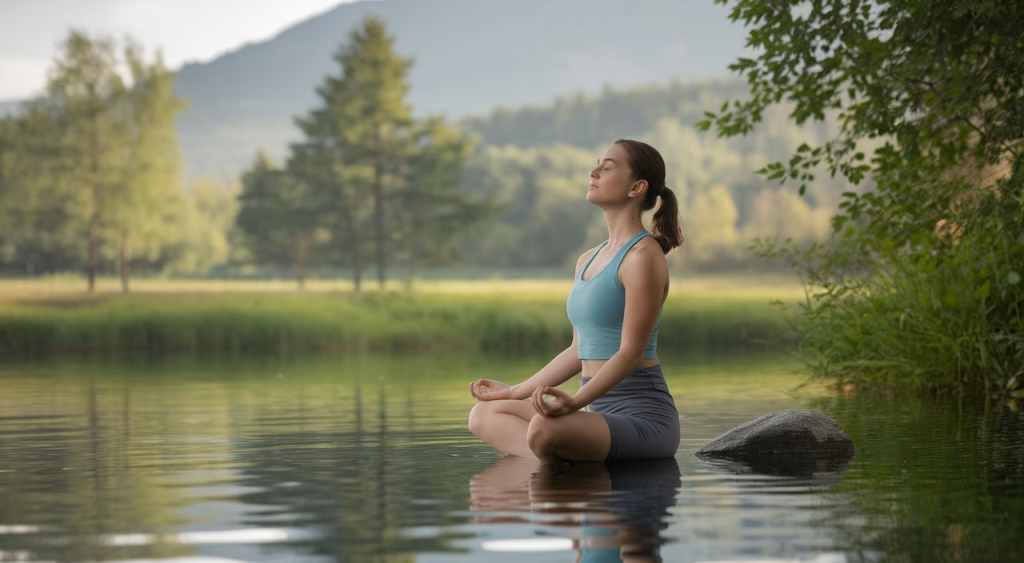
Chronic stress directly contributes to pelvic floor dysfunction, making stress relief techniques essential for your healing journey. Incorporating mindfulness meditation with focused breathing helps break the stress-tension cycle. We suggest practicing yoga poses that emphasize proper breathing techniques while gently engaging your core and pelvic floor muscles.

Incorporating Breathing Exercises into Your Daily Routine
Morning Rituals for Optimal Pelvic Floor Health
Starting your day with intentional breathing sets a foundation for pelvic floor wellness. We recommend dedicating 5-10 minutes each morning to diaphragmatic breathing exercises. This practice helps activate your parasympathetic nervous system, reducing overall tension and preparing your body for the day ahead.
Breathing Techniques During Physical Activities
Whether you’re exercising, lifting, or doing household tasks, maintaining proper breathing techniques protects and supports your pelvic floor. Focus on exhaling during exertion while keeping your breath steady and deep. This coordination is one of the most effective natural ways to improve pelvic floor health at home.
Final Thoughts and Frequently Asked Questions
Transforming your pelvic floor health through breathing is both accessible and empowering. By understanding how to breathe properly for pelvic floor health and implementing these natural techniques consistently, you can achieve remarkable improvements in comfort and function.
Frequently Asked Questions
- Is belly breathing good for the pelvic floor?
Yes, belly breathing is excellent for pelvic floor health. This diaphragmatic breathing technique promotes natural muscle coordination, reduces tension, and supports optimal function.
- How to breathe properly for pelvic floor health?
Practice diaphragmatic breathing by inhaling slowly through your nose, expanding your belly, then exhaling gently through your mouth. Focus on creating a smooth, coordinated rhythm between your breath and pelvic floor muscles.
- What are stress relief techniques for pelvic floor tension?
Combine deep breathing exercises with mindfulness practices, gentle yoga, and progressive muscle relaxation. These techniques activate your parasympathetic nervous system and naturally reduce pelvic floor tension.
- What natural ways improve pelvic floor health at home?
Regular breathing exercises, mindfulness meditation, gentle stretching, and coordinated pelvic floor exercises can significantly improve function when practiced consistently at home.
- How does the parasympathetic nervous system influence pelvic floor health?
When activated through proper breathing techniques, your parasympathetic nervous system promotes deep muscle relaxation, reduces stress hormones, and creates optimal conditions for pelvic floor healing and function.