What are Digestive Disorders and How Can You Manage Them Effectively?
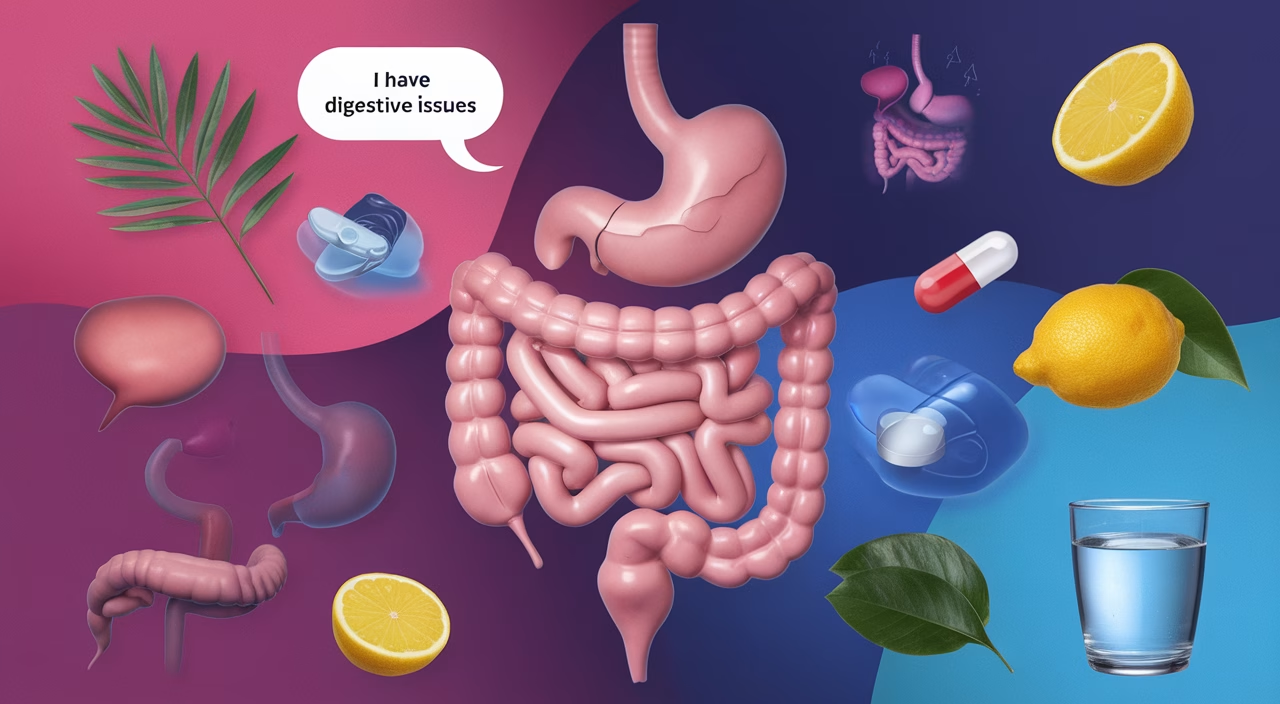
Digestive disorders encompass a wide range of conditions affecting your gastrointestinal tract, with Irritable Bowel Syndrome (IBS) and Gastroesophageal Reflux Disease (GERD) being among the most common. If you’re struggling with digestive health issues, you’re not alone—these conditions affect millions of people worldwide. The good news? Effective management is possible through a combination of targeted medical treatments and proven lifestyle interventions.
TL;DR Summary:
- Digestive disorders like IBS and GERD significantly impact daily life but are manageable
- Key symptoms include abdominal pain, bloating, acid reflux, and irregular bowel movements
- Treatment options span from prescription medications to natural remedies for IBS like probiotics
- Strategic diet changes, including avoiding trigger foods, form the foundation of digestive health
- Real success stories demonstrate how personalized approaches lead to lasting relief
Introduction: Understanding Digestive Disorders
Living with digestive disorders can feel overwhelming, but understanding your condition is the first step toward reclaiming your health. As healthcare professionals who specialize in digestive health, we’ve witnessed countless patients transform their lives through proper diagnosis and targeted treatment strategies. These conditions don’t have to define your daily experience—let’s explore how you can take control.
Signs and Symptoms of IBS and GERD
Recognizing the symptoms of digestive disorders is crucial for proper management. IBS typically manifests through persistent abdominal pain, uncomfortable bloating, and unpredictable bowel movements that alternate between constipation and diarrhea. GERD, on the other hand, creates its own set of challenges with frequent acid reflux, burning heartburn, and chronic indigestion that can disrupt sleep and daily activities. Understanding these symptoms helps you work with healthcare providers to develop an effective treatment plan.
Medical Treatments and Home Remedies
Your treatment options for digestive disorders are more diverse than ever before. Medical interventions might include targeted medications for symptom control, while natural remedies for IBS have shown remarkable success rates. Specific probiotic strains can restore gut balance and reduce IBS symptoms, while GERD management often benefits from carefully planned lifestyle adjustments. The key is finding the right combination that works for your unique situation.
Diet and Lifestyle Changes for Digestive Health
Diet changes form the cornerstone of managing digestive disorders effectively. If you’re dealing with GERD, foods to avoid with GERD include spicy dishes, fatty meals, citrus fruits, and caffeinated beverages that can trigger acid reflux. For IBS management, identifying your personal dietary triggers while gradually incorporating soluble fiber can dramatically improve your symptoms. The best diet for digestive health isn’t one-size-fits-all—it’s about discovering what nourishes your specific needs.
Personal Stories: Living with Digestive Disorders
Real-life experiences from people managing digestive disorders offer hope and practical insights. Many individuals discover relief through personalized strategies that combine stress-reduction techniques like yoga and meditation with carefully tailored elimination diets. These success stories highlight how patience, persistence, and the right support system can lead to significant health improvements and renewed quality of life.
Conclusion: Taking Control of Your Digestive Health
Managing digestive disorders successfully requires knowledge, patience, and the right strategies tailored to your individual needs. By understanding your symptoms, exploring both medical and natural treatment options, and making informed lifestyle changes, you can significantly improve your digestive health and overall well-being. Remember, every small step toward better gut health is a victory worth celebrating.
Frequently Asked Questions
- What are the four signs that your digestive system isn’t working properly?
- The most common signs include persistent bloating, ongoing abdominal pain, irregular bowel movements (constipation or diarrhea), and unexplained fatigue that affects your daily energy levels.
- How can diet impact GERD symptoms?
- Strategic diet changes can dramatically reduce GERD symptoms. Avoiding trigger foods like citrus fruits, spicy dishes, fatty meals, and alcohol while eating smaller, more frequent meals can provide significant relief.
- Can exercise help with digestive disorders, and if so, how?
- Regular, moderate exercise promotes healthy gut motility, reduces stress hormones that can trigger symptoms, and improves overall digestive function—making it an essential component of any comprehensive management plan.