What’s the best way to relieve tight hip flexors and improve posture?
To effectively relieve tight hip flexors, you need a combination of strategic stretching, targeted release techniques, and gradual strengthening exercises. Using hip flexor massage therapy and proven at-home mobility routines can reduce chronic pain and improve posture sustainably.
- ✅ Best immediate results: Deep hip flexor stretches that target the psoas and iliacus muscles
- ✅ Long-term solution: Hip flexor strengthening exercises that rebalance your pelvis and spine
- ✅ Daily routine: Use hip flexor release techniques at home to reduce tightness and prevent chronic pain
I. Understanding the Impact of Tight Hip Flexors on Chronic Pain
You might not notice them until they scream, but your hip flexors—specifically the psoas and iliacus—are central to so many essential movements. Whether you’re walking, sitting, squatting, or standing, these muscles are doing work behind the scenes. But when they become tight (from too much sitting, poor posture, or muscle imbalance), everything can be thrown out of alignment.
Tight hip flexors can lead to lower back discomfort, sciatic nerve pain, hip instability, and even shoulder rounding. While they’re small, their influence is mighty. When restricted, your pelvis tilts forward (known as anterior pelvic tilt), which strains your lumbar spine and disrupts natural movement. People often describe a dull ache in the hips or stabbing lower back pain that worsens after getting up from a seat.
Chronic pain relief becomes challenging because the rest of your body compensates. Your glutes get disengaged, hamstrings overstretched, and posture collapses. Left unchecked, tight hip flexors can start a cascade of pain responses—affecting sleep, mobility, and quality of life. That’s why learning how to release tight hip flexors at home is crucial for breaking this cycle.

II. Best Hip Flexor Stretches for Immediate Relief
When you’re looking for the best hip flexor stretches for chronic pain relief, focus on positions that create length through the front of your hips without straining your lower back. These proven hip flexor stretches should be incorporated into your morning or evening routine to breathe new life into tight, locked muscles.
1. Kneeling Hip Flexor Stretch
This stretch targets the iliopsoas and rectus femoris effectively. Kneel on your right knee and step your left foot forward. Tuck your pelvis under, keeping the chest upright. You should feel a deep stretch on the front of your right hip—one of the most effective hip flexor stretches for immediate relief.
2. Reclining Lunge
More advanced, this targets the quads and hip flexors simultaneously. From a low lunge, drop your back knee. Reach your arms overhead and gently lean back—don’t collapse. Keep breath steady and hold 30 seconds per side for optimal chronic pain relief.
3. Active Pigeon Stretch
Though often known as a glute stretch, pigeon pose also lengthens the hip flexor of the back leg. Elevate hips slightly with a block or cushion for better alignment and enhanced improving posture benefits.
Consistency is key for lasting results. Do these hip flexor stretches 3–4 times per week to start loosening tight hip flexors effectively and experience meaningful chronic pain relief.
III. Effective Release Techniques to Improve Hip Flexor Flexibility
Stretching alone doesn’t always cut it—especially when fascia gets stiff. That’s where proven hip flexor release techniques come in. We often see clients who’ve diligently stretched but haven’t scratched the surface because the muscle is simply too bound up. Learning how to release tight hip flexors at home can be a game-changer.
Try these proven release methods that you can easily do at home:
1. Foam Rolling
Roll the area just below the front of your pelvis to target the iliacus. Apply slow, firm pressure, holding on tight spots for 30 seconds. This is one of the most accessible hip flexor release techniques for daily use.
2. Softball or Lacrosse Ball Pressure
Lie face down, place the ball just above the hip bone, and apply pressure for 1–2 minutes while breathing deeply. Avoid bouncing or jerky movements. This targeted pressure helps with chronic pain relief when done consistently.
3. Manual Massage Therapy
If home tools don’t suffice, targeted hip flexor massage therapy by a trained practitioner can break up scar tissue and improve blood flow. Many clients feel immediate lightness and reduced pain within the first session of professional hip flexor massage therapy.
Cost Guide: Hip Flexor Therapy & Release
| Service | Price Range |
|---|---|
| Foam Roller | $15–$40 |
| Massage Therapy (per session) | $65–$130 |
| Professional Myofascial Release | $100–$160 |
IV. Strengthening Exercises for Long-term Pain Management
Now for the golden ticket: strengthening. You can’t just stretch tight hip flexors—you also need to address muscle imbalances. Hip flexor strengthening exercises control pelvic and spinal stability, supporting the stretch work you’ve already done for lasting chronic pain relief.
Here are proven effective hip flexor exercises for improved posture and long-term pain prevention:
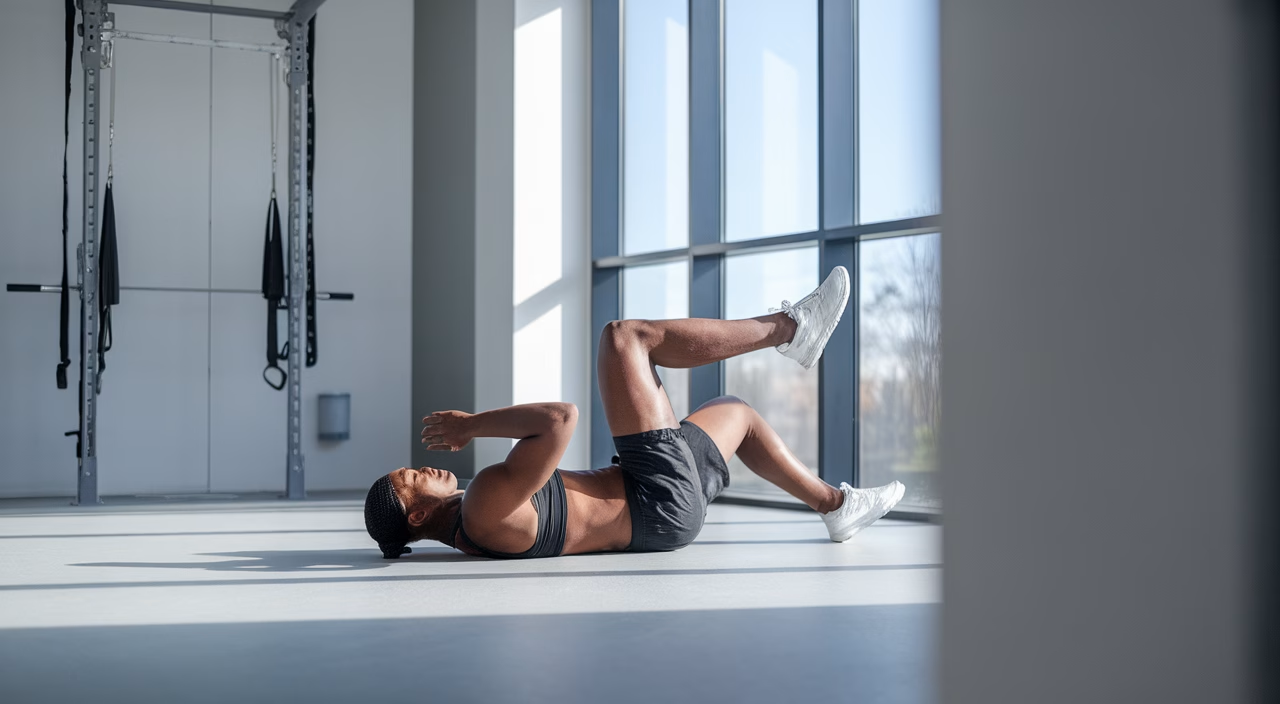
1. Supine Marches
Lie on your back with knees bent and core braced. Slowly raise one leg at a time. Engage your low abs and focus on hip movement only. This is excellent entry-level work for hip flexor strengthening exercises and core stability.
2. Wall Psoas Isometric
Stand upright, press your knee into the wall at 90 degrees. Tense your core and maintain for 20 seconds. This trains your hip to hold alignment under tension—essential for improving posture.
3. Side-Lying Leg Raises
Targets lateral hips and core integration. Helps counteract the inward collapse caused by weak glutes and tight hip flexors. These effective hip flexor exercises for improved posture create lasting change.
In practice, hip flexor strengthening exercises give clients the most long-term results because they reshape habits and prevent relapse into chronic pain patterns.
V. Improving Posture through Hip Flexor Care
You may be surprised how often improving posture starts at the hips. Here’s what often happens: people try to “stand tall” with tight hip flexors—but that only over-uses the lower back and shoulders. Once hip flexors are lengthened and strengthened with proper hip flexor release techniques, your whole spinal alignment resets.
Here are posture changes you’ll notice as hip flexor stretches and strengthening become consistent:
- Reduced anterior pelvic tilt
- Easier core engagement during movement
- Enhanced chronic pain relief in the lower back
- Smoother walking and standing posture
True improving posture isn’t just how you look—it’s how your body flows during stillness and motion. Address the tight hip flexors, and everything upstream starts to function better.
Final Thought: A Holistic Path to Mobility and Pain-Free Living
Releasing and strengthening tight hip flexors isn’t just about temporary pain relief—it’s about restoring function, posture, and confidence in how you move every day. We’ve worked with clients who’ve gone from struggling to tie their shoes to running comfortably again—all by focusing on this deceptively small muscle group with targeted hip flexor stretches and hip flexor strengthening exercises.
The key is consistency. Use hip flexor release techniques, stretch regularly, strengthen progressively, and be patient. Your hips did a lot to protect you from injury by tightening—they’ll take a little time to let go. But when they do? You’ll stand taller, walk freer, and experience the chronic pain relief and improving posture you’ve been seeking.
Frequently Asked Questions
How do tight hip flexors affect posture?
Tight hip flexors pull the pelvis forward (anterior pelvic tilt), creating a sway back and rounded shoulders. This disrupts spinal alignment, causes muscle imbalances, and often leads to poor posture that requires targeted hip flexor stretches for correction.
What are some signs that my hip flexors are tight?
Common signs include lower back pain, difficulty standing tall, discomfort when walking or climbing stairs, and a feeling of tension when rising from a sitting position. These symptoms often respond well to consistent hip flexor release techniques.
How often should I stretch or release my hip flexors?
For best chronic pain relief results, do targeted hip flexor stretches 4–6 times per week and incorporate hip flexor release techniques 2–3 times a week depending on pain level and recovery ability.
Can strengthening make hip flexor tightness worse?
If done incorrectly or without balancing stretches, yes. That’s why a full regimen including hip flexor stretches, hip flexor release techniques, and smart hip flexor strengthening exercises is essential to avoid reinforcing tightness.
Are there risk factors for tight hip flexors?
Yes—prolonged sitting, poor posture, prior injuries, sedentary lifestyle, or overly repetitive training (like cycling or running) can all contribute to chronic tightness that benefits from regular hip flexor stretches and release work.