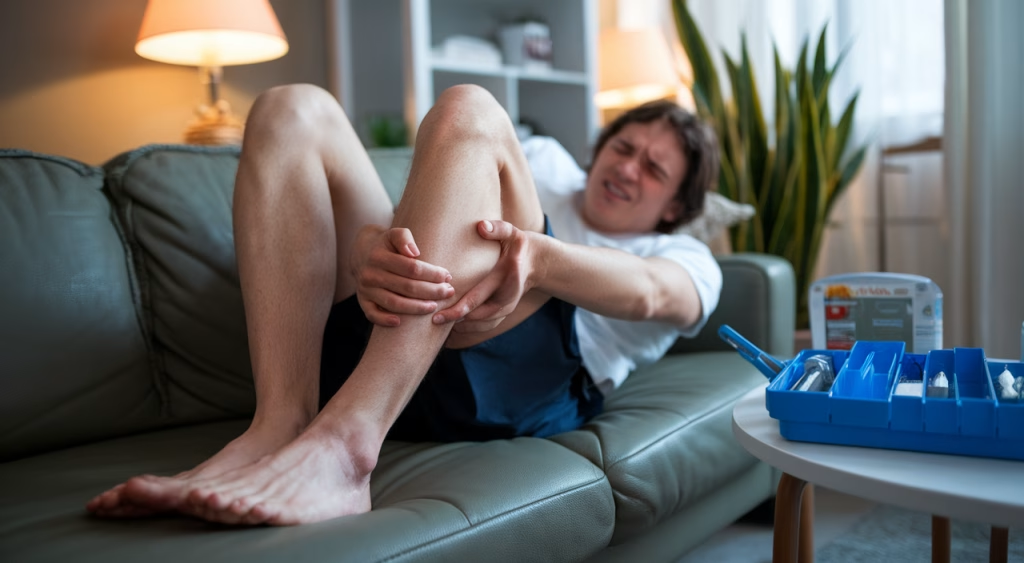
Can dehydration really cause joint pain?
Absolutely—dehydration is one of the most overlooked causes of joint pain and stiffness. Your joints depend on proper hydration for joint pain relief, as water maintains cartilage elasticity, ensures adequate joint lubrication, and helps flush inflammatory toxins from joint tissues. When you’re dehydrated, your joints lose their natural cushioning and become vulnerable to friction and discomfort.
- ✔ Water provides essential joint lubrication, keeping cartilage supple and reducing impact during movement.
- ✔ Dehydration causes joint stiffness by reducing synovial fluid production and cartilage flexibility.
- ✔ Hydration and joint health are directly linked— even mild dehydration can trigger pain that mimics arthritis symptoms.
- ✔ Active adults and athletes face higher risks of dehydration-related joint problems due to increased fluid loss.
- ✔ The solution is strategic hydration: consistent water intake tailored to support optimal joint function throughout the day.
Understanding Dehydration and Joint Health
When you wake up with creaky knees or feel your shoulders ache after a workout, you might blame age or overuse. But often, the real culprit is dehydration quietly sabotaging your joint comfort. Understanding the relationship between hydration and joint health reveals why water isn’t just about quenching thirst—it’s essential medicine for your joints.
Your joint cartilage is remarkably water-dependent, containing up to 80% water when properly hydrated. This cartilage acts like a shock-absorbing sponge, cushioning bone-to-bone contact during movement. Additionally, your body produces synovial fluid—a viscous lubricant that fills joint spaces and reduces friction. Both systems require adequate hydration to function optimally.
When dehydration strikes, these protective mechanisms fail. Your cartilage becomes brittle and less resilient, while synovial fluid production decreases. The result? Your joints operate like a machine running without oil—creating friction, wear, and inevitable pain.
The Importance of Hydration for Joint Lubrication
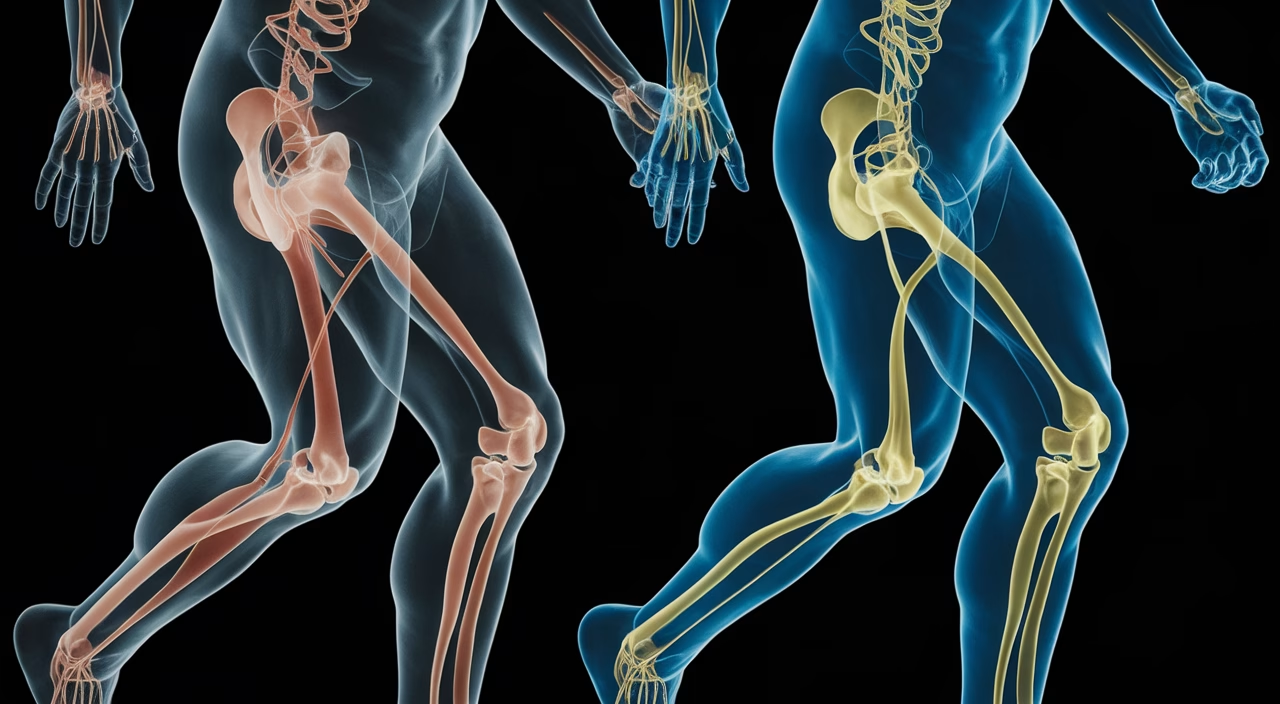
Why proper hydration is your joints’ best friend
Joint lubrication depends entirely on synovial fluid—your body’s natural shock absorber and friction reducer. This remarkable fluid relies on proper hydration to maintain its protective qualities. When you prioritize hydration for joint pain relief, you’re directly supporting your body’s ability to produce high-quality synovial fluid that keeps joints moving smoothly and comfortably.
Here’s the dramatic difference hydration makes:
| Well-Hydrated Joint | Dehydrated Joint |
|---|---|
| Flexible, resilient cartilage | Stiff, brittle cartilage |
| Optimal synovial fluid production | Decreased joint lubrication |
| Smooth, pain-free movement | Grinding, stiffness, and aching |
Research consistently shows that even mild dehydration compromises joint biomechanics and increases pain sensitivity. That sharp twinge after climbing stairs or the stiffness following exercise often reflects your joints crying out for better hydration, not necessarily structural damage or aging.
Signs of Dehydration Impacting Your Joint Health
Dehydration’s effects on joint health often masquerade as other issues—overtraining fatigue, old injury flare-ups, or natural aging. However, recognizing these subtle signs helps you identify when poor hydration is undermining your joint comfort and mobility.
Watch for these key indicators that dehydration is affecting your joints:
- Morning stiffness that takes longer than usual to resolve
- Increased joint “popping” or “grinding” sounds during movement
- Muscle cramps or tightness around joints, especially after activity
- Overall body dryness—parched mouth, dry skin, or fatigue
- Reduced exercise tolerance or earlier onset of joint discomfort
These symptoms often improve dramatically with strategic hydration, proving that your joints may be thirsty rather than damaged. Addressing hydration and joint health together provides a simple, natural path to greater comfort and mobility.
Hydration Tips for Alleviating Joint Pain
Effective hydration for joint pain relief goes beyond simply drinking more water—it requires strategic timing, smart choices, and understanding how your body best absorbs and utilizes fluids for optimal joint function.
Implement these evidence-based hydration strategies for maximum joint support:
- Maintain consistent daily hydration rather than playing catch-up. Your joints need steady fluid support, not intermittent flooding.
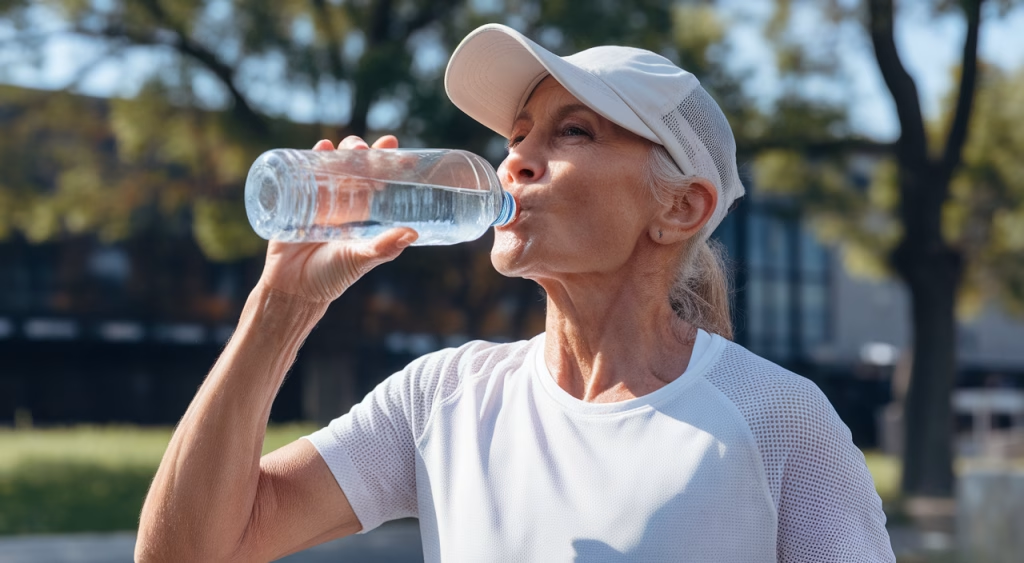
- Begin each day with 16-20 oz of water to offset overnight dehydration and jump-start joint lubrication systems.
- Include electrolytes after sweating to enhance cellular hydration and support proper joint fluid balance.
- Consume water-rich foods like cucumbers, watermelon, and leafy greens that provide hydration plus anti-inflammatory compounds.
- Limit dehydrating beverages such as excessive alcohol or high-caffeine drinks that can worsen joint dryness.
Cost Guide: Optimizing Joint Health Through Hydration
| Hydration Solution | Estimated Monthly Cost |
|---|---|
| Filtered Water | $0–$30 (depending on home system) |
| Electrolyte Supplements | $15–$40 |
| Hydrating Foods | $50–$100 (as part of grocery budget) |
| Rehydration Therapy (IV or clinical) | $150–$250 per session |
Supporting hydration and joint health doesn’t require expensive interventions. Most people can achieve significant joint pain relief through improved daily water habits and incorporating hydrating whole foods into their regular diet—making this one of the most cost-effective wellness strategies available.
Best Drinks to Keep Your Joints Healthy
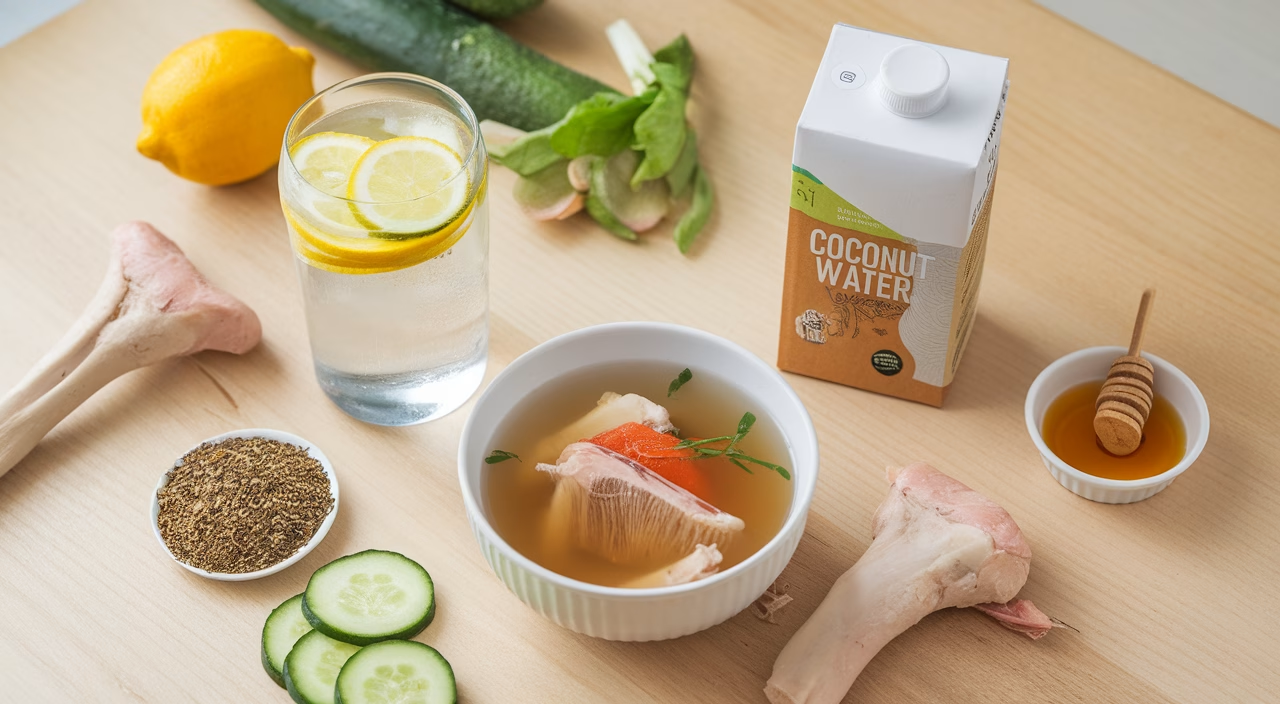
Liquid solutions that go beyond basic hydration
While water forms the foundation of joint health, certain beverages offer enhanced benefits by combining optimal hydration with compounds that specifically support joint lubrication, reduce inflammation, and nourish cartilage tissue.
These top drinks maximize both hydration and joint health benefits:
- Cucumber-mint infused water: Provides pure hydration plus natural anti-inflammatory compounds and trace minerals.
- Pure coconut water: Delivers natural electrolytes that enhance cellular hydration and support proper joint fluid balance.
- Grass-fed bone broth: Supplies hydration alongside collagen, glucosamine, and amino acids that directly nourish joint cartilage.
- Ginger or turmeric tea: Combines gentle hydration with potent anti-inflammatory compounds that may reduce joint pain.
- Fresh watermelon juice: Offers high water content plus natural antioxidants that combat joint inflammation.
Avoid sugar-laden sports drinks that can actually increase inflammation. Instead, choose natural options that support both hydration for joint pain relief and overall joint health through targeted nutrients.
Conclusion
The powerful connection between hydration and joint health offers hope for anyone struggling with stiffness, discomfort, or reduced mobility. Whether you’re an active adult, weekend athlete, or simply someone who wants to move through life without joint pain, prioritizing proper hydration can be transformative.
By respecting your body’s hydration needs, you’re directly supporting the intricate systems that keep your joints comfortable and functional. Pay attention to your body’s signals—morning stiffness, exercise discomfort, or general achiness—as potential indicators that better hydration could provide relief. Combined with smart beverage choices and consistent daily habits, proper hydration for joint pain relief can dramatically improve not just joint comfort, but your overall energy, performance, and quality of life.
Frequently Asked Questions
Can dehydration cause stiff joints?
Yes. Lack of water reduces the amount of synovial fluid and affects cartilage integrity, leading to increased joint stiffness.
How much water should I drink to improve joint health?
While needs vary, aim for at least half your body weight (in pounds) in ounces of water daily. Active individuals may require more.
What are the best drinks for joint lubrication?
Infused water, coconut water, bone broth, and herbal teas are all excellent for joint support and hydration.
Is caffeine bad for joint health?
Moderate caffeine is usually fine, but excessive consumption may increase dehydration and inflammation in joints.
Can hydration help relieve arthritis symptoms?
Yes. While it won’t cure arthritis, staying hydrated can reduce inflammation and joint stiffness associated with arthritis.
Do athletes have different hydration needs for joint health?
Absolutely. Athletes, especially those who sweat heavily, must replenish fluids and electrolytes to keep joints protected and flexible.
Are electrolyte drinks necessary for joint health?
Not always, but they can be helpful post-exercise or in hot climates to aid proper fluid absorption and joint lubrication.