What Are the Real Effects of Fluorescent Lights on Your Eyes?
If you’ve ever walked into an office, classroom, or hospital and instantly felt your eyes squint, your head tense up, or your body slightly recoil from the stark brightness—fluorescent lighting may be the culprit. These lights are everywhere, yet few people understand how deeply fluorescent lights effects can impact how we see, feel, and function throughout our workday.
- Fluorescent lights effects can trigger eye strain, headaches, fatigue, and even anxiety in sensitive individuals.
- Fluorescent light syndrome isn’t officially recognized, but it describes a real cluster of symptoms caused by prolonged exposure.
- Office lighting discomfort sources include flickering, unnatural color temperature, and high contrast with screen time.
- Small changes—like task lighting or anti-glare filters—can drastically reduce eye strain under fluorescent lights.
- There are proven best lighting alternatives for office spaces, and you’re not stuck with fluorescents.
- Real people share what helped them beat visual fatigue and reclaim focus in just days.
How Fluorescent Lights Impact Your Eyes
We often overlook lighting when it comes to comfort at work or study. But good lighting is as crucial as an ergonomic chair for preventing visual stress from office lighting. Let’s break down how fluorescent bulbs might be taxing your eyes:
1. Flickering at Invisible Frequencies: Unlike natural light, many fluorescent lights flicker at a rapid speed (usually between 100-120 Hz). While most people can’t see this flicker, your brain still processes the instability, adding invisible stress to your visual system and contributing to eye strain from overhead lights.
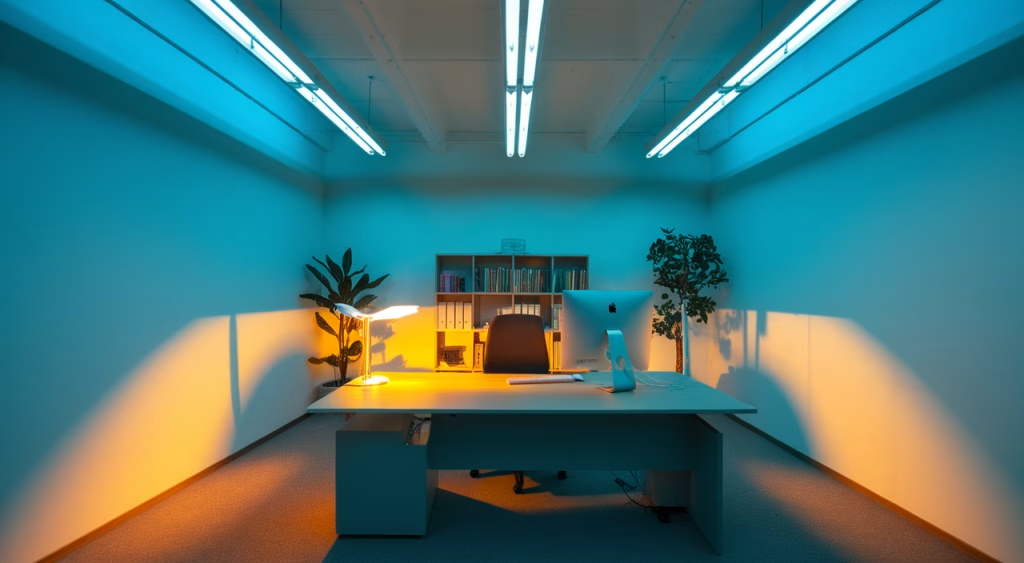
2. Harsh Color Temperature: Most fluorescents emit a cool, bluish light that creates office lighting discomfort. This tone contrasts sharply with warmer, yellowish daylight. Constant exposure can suppress melatonin, disturb sleep-wake cycles, and leave you feeling perpetually “on edge.”
3. Uneven Light Distribution: Many fluorescent fixtures create hotspots and uneven lighting across a room. This forces your eyes to constantly refocus, fueling fatigue and worsening fluorescent light symptoms.
4. Interaction with Screens: Working on digital devices under fluorescents creates double trouble for your vision. Your eyes are already adjusting to screen glare and blue light—add overhead flicker and color temperature conflicts, and your visual system becomes completely overloaded.
The connection between fluorescent bulbs and eye health is real—and here, your perception matters. If your eyes feel tense or you dread walking into work because of the lights overhead, your symptoms deserve immediate attention.
Understanding Fluorescent Light Syndrome
Fluorescent light syndrome isn’t an official diagnosis yet—but if you’ve ever felt these symptoms under office lighting, the term likely resonates:
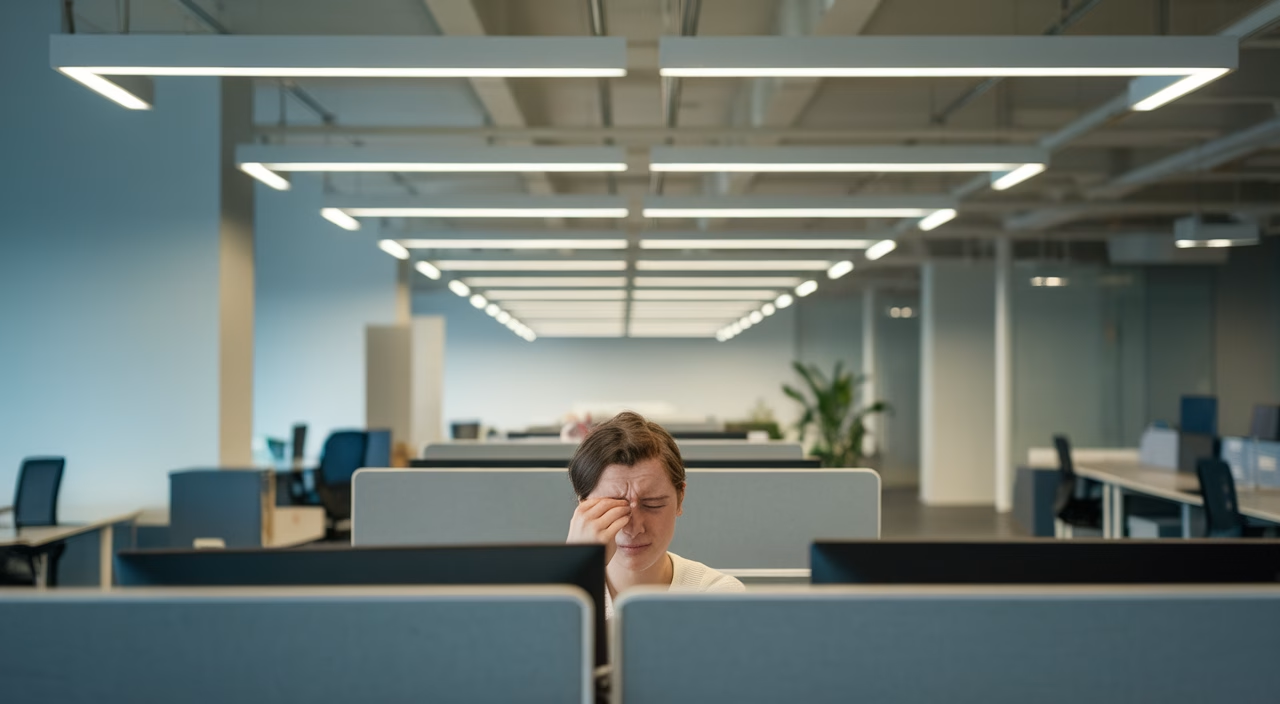
- Eye strain or eye twitching toward the end of your workday
- Frontal headaches or migraines directly linked to time spent under fluorescent lights
- Increased anxiety, irritability, and difficulty concentrating during work hours
- Heightened sensitivity to motion in your peripheral vision
This syndrome is frequently reported by those working long hours in open-plan offices, medical facilities, and classrooms. People with pre-existing conditions like migraines, thyroid dysfunction, or sensory sensitivities may be more prone to experiencing these fluorescent light symptoms.
Understanding how to reduce eye strain under fluorescent lights starts with recognizing that what feels like “fuzzy discomfort” during your workday actually compounds over time, affecting your overall well-being and productivity.
Tips for Minimizing Discomfort
Good news: You don’t need to completely renovate your office to find relief. Here are concrete strategies you can implement today to reduce eye strain under fluorescent lights and minimize visual stress from office lighting:
- Seek natural light first. Position your workstation near windows whenever possible. Even 30 minutes of natural daylight significantly reduces lighting fatigue and overhead light discomfort.
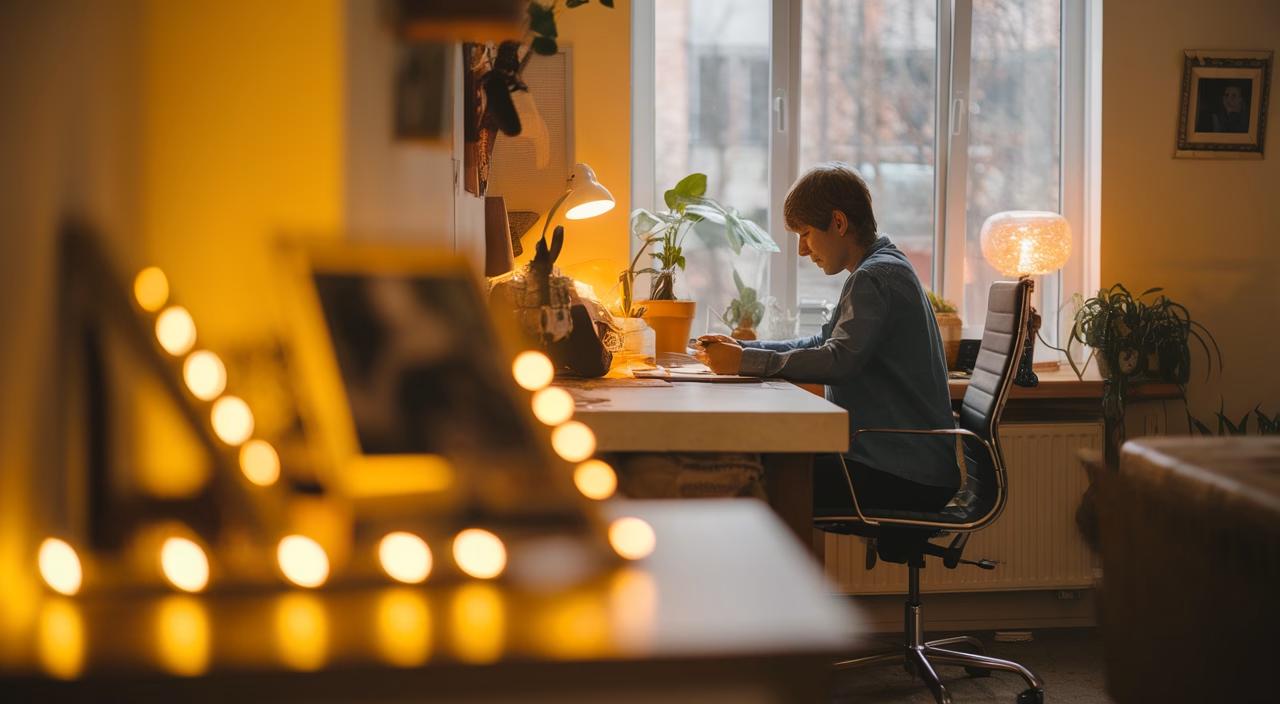
- Layer your lighting strategically. Use desk lamps with warm LED bulbs to balance cooler overhead tones and create more comfortable ambient lighting.
- Eliminate screen glare. Use matte screen protectors or anti-glare coatings on monitors. Position screens perpendicular to windows and overhead fluorescent fixtures.
- Invest in quality eyewear. If you wear glasses, ask about blue-light or anti-reflective coatings that help diffuse harsh lighting and reduce eye strain from overhead lights.
- Take regular visual breaks. Follow the 20-20-20 rule religiously: every 20 minutes, look at something 20 feet away for 20 seconds to reset your focus.
- Optimize monitor settings. Use apps or built-in controls like “night mode” or warmth sliders to harmonize screen light with ambient fluorescent lighting.
| Strategy | Benefit | Time Needed |
|---|---|---|
| Task Lamp | Softens light contrast | 5 mins setup |
| Anti-Glare Screen | Reduces eye strain | 10 mins install |
| Visual Breaks | Eases muscle fatigue | Ongoing |
Alternatives to Harsh Office Lighting
If you have any control over your lighting setup, even partially, consider implementing healthier alternatives. Here’s a breakdown of the best lighting alternatives for office spaces that effectively minimize office lighting discomfort:
- LED Lighting (with high CRI): Offers steady, non-flickering illumination without the harsh effects of fluorescents. Choose warm tones (2700K–3000K) for comfortable indoor work environments.
- Full Spectrum Lamps: These lamps mimic natural sunlight and help support your circadian rhythm, especially beneficial in windowless offices where fluorescent lights effects are most pronounced.
- Indirect Lighting Systems: Bounce light off walls or ceilings using floor lamps to create a less aggressive, more dispersed lighting effect that reduces visual stress.
- Smart Dimmers and Controls: Adjust brightness levels throughout the day to avoid visual overload during early morning or late afternoon hours.
Cost Guide: Lighting Solutions Breakdown
| Option | Price Range | Usage Level |
|---|---|---|
| Warm LED Desk Lamp | $20 – $60 | Personal Task |
| Full-Spectrum Floor Lamp | $80 – $150 | Ambient Office |
| Anti-Glare Screen Filters | $10 – $30 | Monitor Use |
| Blue-Light Glasses | $40 – $100 | Daily Wear |
Real Stories: Coping Strategies for Fluorescent Light Sensitivity
Let’s make this practical with real-life examples of how working professionals successfully managed fluorescent light symptoms and eliminated visual stress from office lighting:
Anna, Graphic Designer: “By midday, my eyes would blur terribly under our office fluorescents. After switching to a warm desk lamp and adding a full-screen matte filter, it’s like my eyes finally relaxed. I also negotiated for a seat near the window—it changed everything about my workday comfort.”
James, Medical Resident: “Hospital lighting is absolutely brutal for long shifts. I started wearing blue-light-filter glasses consistently and built 15-minute visual breaks into my rotation schedule. It gave my eyes the reset I didn’t know they desperately needed to function.”
Meredith, Graduate Student: “Studying in fluorescent-lit lecture halls gave me splitting headaches every day. Now I bring a clip-on warm LED lamp for my laptop and wear warm-tinted lenses during long study sessions. My focus and retention have improved dramatically.”
These success stories highlight a crucial point: simple, targeted changes create profound improvements in visual comfort, focus, and overall work performance when you know how to reduce eye strain under fluorescent lights effectively.
Final Thought
Fluorescent lights are embedded in our modern work environment—but that doesn’t mean you have to accept office lighting discomfort as an inevitable part of your day. Whether you’re in a corporate office, university hall, or working from home under overhead fluorescents, your lighting setup can either support or sabotage your productivity and well-being. With the right adjustments and awareness of fluorescent lights effects, you can transform your workspace into an environment that works with your vision, not against it. Listen to what your eyes are telling you—they’re likely signaling it’s time for a brighter, gentler approach to your daily work environment.
Frequently Asked Questions
Why do bright lights trigger my anxiety?
Bright or flickering lights—especially fluorescents—can overstimulate your nervous system. This creates sensory overload, especially in people with light sensitivity, migraines, or anxiety disorders. Calmer lighting creates a more soothing environment.
How can I tell if my lighting is causing eye strain?
If symptoms like dryness, headaches, blurred vision, or fatigue improve when away from overhead lights, lighting could be the cause. Pay attention to when and where symptoms start—they often follow a pattern.
Is it okay to swap out fluorescent bulbs in my desk lamp?
Yes. You can typically replace fluorescent bulbs with energy-efficient warm-tone LEDs, provided they’re compatible with the fixture. Just check the bulb size and socket requirements first.
Can fluorescent lights impact sleep?
Yes. Exposure to cool bluish lighting into the evening can suppress melatonin production, affecting your natural sleep rhythm. Reducing overhead light intensity in the late afternoon aids better sleep quality.
Are blue-light glasses helpful against fluorescent lights?
They can help by reducing the harsh contrast between screen brightness and overhead lights. While not a cure-all, many users report fewer headaches and improved focus while wearing them indoors.