What Are the Hidden Health Risks of Poor Posture?
Poor posture doesn’t just affect your back and neck—it silently disrupts your digestion, breathing, and mental well-being. Most people don’t realize that the long-term consequences of everyday slouching can create cascading health issues that emerge in seemingly unrelated areas of your body.
TL;DR – Quick Summary of Poor Posture Risks
- Digestive Distress: Slouching compresses internal organs, often resulting in acid reflux and heartburn.
- Reduced Respiratory Function: A hunched upper body impairs lung expansion, lowering oxygen intake.
- Mental Fog & Low Confidence: Postural alignment impacts hormone production, emotional resilience, and self-perception.
#1. How Poor Posture Can Impact Your Digestive System
When your body is slouched forward—shoulders rounded, chest caved in—it creates internal compression that goes far beyond muscle discomfort. Your digestive organs, especially your stomach and intestines, become trapped in compromised positions. This poor posture directly impacts your digestion, often causing uncomfortable symptoms you might never connect to your slouching habits.
1.1. The Link Between Slouched Posture and Heartburn
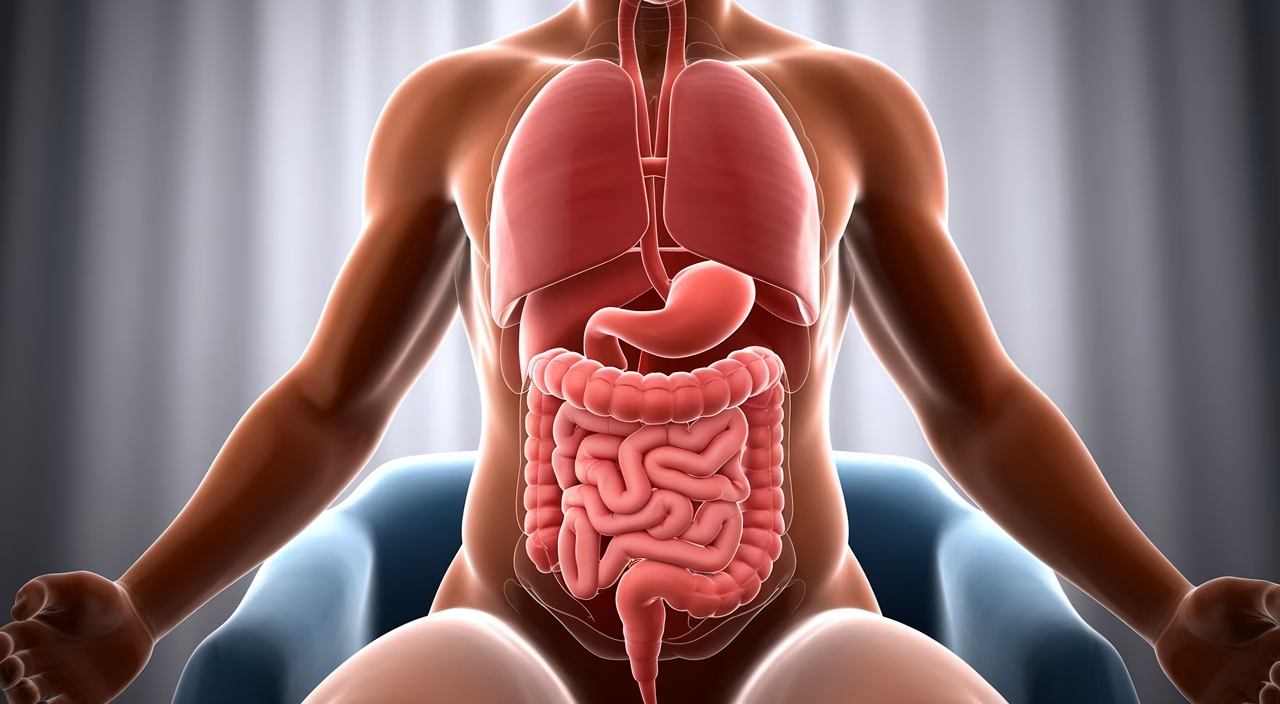
When you sit with a compressed abdomen, you’re restricting your stomach’s normal function and creating the perfect conditions for acid reflux. This physical strain from poor posture causes stomach acid to move upward, triggering that familiar burning sensation. If you experience heartburn after lunch while slouched at your desk, your posture might be the hidden culprit.
Even if you maintain a healthy diet, poor spinal alignment after eating encourages acid backflow. Over time, this postural habit can contribute to chronic gastroesophageal reflux disease (GERD), turning what seems like a simple slouching issue into a serious digestive condition.
1.2. How Acid Reflux is Aggravated by Poor Posture
Your esophagus relies on gravity and proper sphincter control to keep stomach acid where it belongs. Poor posture disrupts both mechanisms. When you slouch, you’re essentially tilting your internal landscape, allowing corrosive acid to escape its normal boundaries.
Additionally, poor posture affects the vagus nerve—a critical component in gut-brain communication. When this nerve experiences pressure from misaligned posture, digestion slows and acid control becomes less efficient. We’ve seen clients experience significant reductions in acid reflux simply by maintaining more upright posture while working and eating.
#2. The Surprising Connection Between Posture and Respiratory Health
Your lungs function like bellows, expanding and contracting to draw in life-giving oxygen. When you slouch, you restrict the ribcage that houses them, dramatically reducing their capacity to open fully. This postural collapse impacts how much oxygen reaches your brain and muscles, directly affecting your energy levels and overall vitality.
2.1. How Slouching Affects Lung Function
Poor posture physically shrinks the space your diaphragm and lungs need for optimal function. Forward head posture and a collapsed chest create a restrictive environment that chokes your breathing mechanism. This constraint leads to shallow, rapid breaths instead of the deep, calming breaths your body craves.
Research demonstrates that this shallow breathing pattern increases anxiety and fatigue—your lungs are literally gasping for better body alignment. Even slight corrections to your seated posture can immediately free diaphragm movement and improve oxygen intake.
2.2. The Impact of Poor Posture on Breathing Efficiency
Think of poor posture like kinking a garden hose—the tighter the bend, the weaker the water flow. When your spine slumps forward, you create airway restrictions that reduce the efficiency of every breath you take.
Correcting your posture retrains your body to breathe from the belly rather than just the chest. This shift relieves muscle tension, reduces stress hormones like cortisol, and promotes overall calm. Since oxygen is your body’s primary fuel source, your posture essentially controls the valve that determines how much energy you have available.
#3. Unexpected Effects of Poor Posture on Mental Well-Being
Here’s where the hidden health risks of poor posture become truly fascinating. Your posture doesn’t just affect the physical systems of digestion and breathing—it profoundly influences your mind, mood, and internal dialogue. The connection between how you carry yourself and how you feel runs deeper than most people realize.
3.1. The Psychological Effects of Bad Posture

Your body and brain maintain constant communication, and slouched posture sends concerning signals to your mind. Poor posture activates stress responses and triggers mood fluctuations by affecting levels of stress hormones and neurotransmitters like serotonin and dopamine.
What we consistently tell our clients is this: you don’t just act how you feel—you feel how you act. Your posture becomes an integral part of your emotional feedback loop, either supporting confidence and calm or reinforcing anxiety and low mood.
3.2. How Posture Influences Self-Confidence
Have you ever noticed how standing tall instantly makes you feel more in control? This isn’t psychological placebo—it’s measurable physiology. Your confidence ties directly to how you carry yourself, and research shows that posture influences performance in interviews, public speaking, and decision-making scenarios.
The popular concept of “power posing” stems from this real phenomenon, but it all comes back to proper structural alignment. When you straighten your spine and open your chest, both your mood and personal magnetism naturally follow suit.
Cost Guide: Posture Correction Tools & Practices
| Tool or Service | Low-End | Mid-Range | High-End |
|---|---|---|---|
| Posture Brace | $20 | $50 | $100+ |
| Chiropractic Visit | $40 | $90 | $150+ |
| Ergonomic Chair | $60 | $200 | $500+ |
| Online Posture Course | Free | $50 | $200 |
Final Thought: Straighten Up to Feel Better—Inside and Out
Improving your posture isn’t just about avoiding neck pain—it’s a comprehensive investment in your health. From calming digestive distress to optimizing oxygen flow to your brain, proper alignment creates positive ripple effects throughout every system. The hidden health risks of poor posture extend far beyond simple discomfort—they’re gradual, interconnected issues that can significantly impact your daily vitality and long-term wellbeing.
Your posture speaks a silent language about your health, confidence, and energy levels. Start small: adjust your workspace, incorporate daily stretches, and stay mindful when you feel yourself slumping. As someone who’s guided countless clients through this transformation, we can assure you: the improvements are measurable, and the relief is profound.
Frequently Asked Questions
- Can poor posture cause digestive issues?
Yes, slouching compresses your stomach and intestines, leading to acid reflux, bloating, and slower digestion. - Does posture influence mental health?
Absolutely. Poor posture can increase stress responses, lower self-esteem, and even contribute to anxiety and depression. - Will posture correction fix breathing problems?
It can help significantly. Better posture opens airways and allows for fuller lung expansion, improving oxygen flow. - How can I correct my posture at home?
Use simple tools like foam rollers, ergonomic furniture, and posture-focused exercises like wall angels or chin tucks. - Is bad posture reversible?
In most cases, yes. With consistent awareness and support, posture can improve dramatically over time. - Can posture affect energy levels?
Yes, misalignment can reduce oxygen and nutrient flow, causing fatigue, while upright posture boosts vigor and alertness. - What’s the first step to improving posture?
Awareness is key—start by noticing your posture during everyday tasks and making gentle corrections.